Solution-Smart Sensors Network: Revolutionizing Ventilation in Chicken House
Background
Chicken farming is an important agricultural industry that contributes significantly to the global food supply. However, maintaining optimal living conditions in poultry houses is critical to the health and productivity of the birds. One of the key factors is the management of indoor air quality, particularly the levels of gases such as carbon dioxide (CO2), ammonia (NH3) and hydrogen sulphide (H2S). High levels of these gases can cause respiratory problems, stress and even death in poultry, affecting both animal welfare and farm profitability.
Challenges
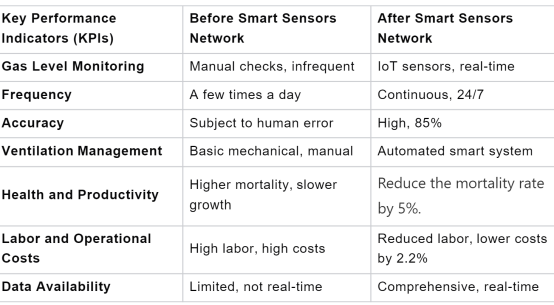
Traditional methods of monitoring and managing gas levels in chicken houses often involve manual checks and ventilation adjustments, which can be time consuming and inaccurate. Challenges include:
Health risks: High levels of CO2, NH3 and H2S can pose an immediate health risk to birds, affecting their growth and laying performance.
Inconsistent monitoring: Manual checks do not provide real-time data, leading to potential gaps in ventilation management.
Seeed’ssmart sensor network harnesses the power of the Internet of Things (IoT) to provide real-time, automated monitoring and control of gas levels in chicken houses.
Key scenarios include:
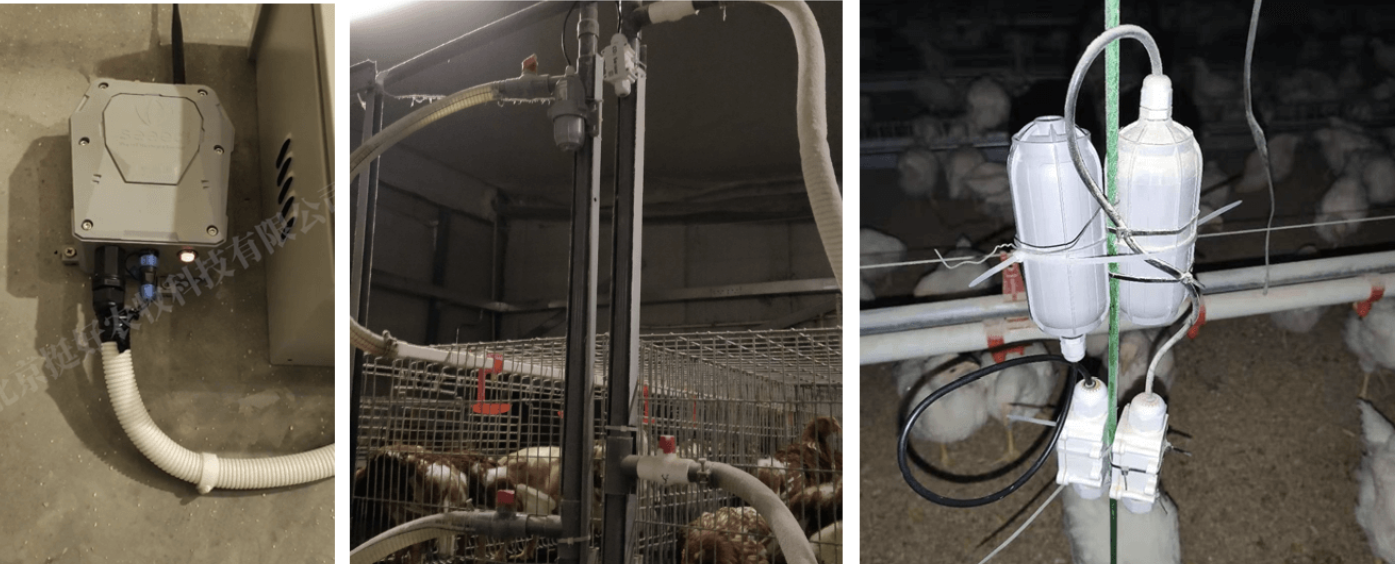
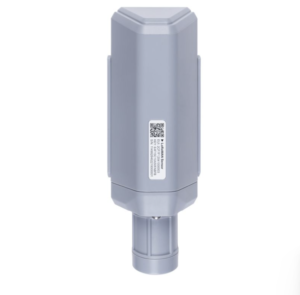
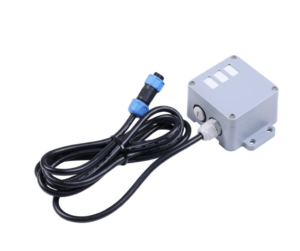
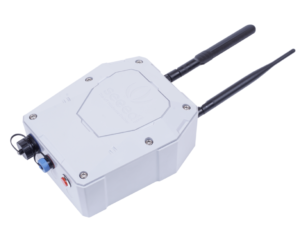
IoT sensors and devices: Installation of Seeed Studio’s IoT sensors to monitor CO2, NH3 and H2S and microbial activity in real time.
Data Collection and Analysis App: Use of centralised sensecraft data management systems to collect and analyse gas data.
Automated control systems: Integration of automated control systems to adjust sensors based on real-time data.