Empowering Disaster Resilience in the Philippines with SenseCAP T1000-E Meshtastic Solutions
In regions vulnerable to natural disasters, fast and reliable communication can be the difference between chaos and coordinated response. In the Philippines, a country made up of over 7,000 islands, reliable connectivity remains a persistent challenge—especially in remote coastal and mountainous areas.To address this, Light of Hope PH, a grassroots NGO, conducted a field test using Seeed Studio’s SenseCAP T1000-E devices running Meshtastic firmware. The goal was to deploy a low-cost, decentralized, and resilient communication network suitable for disaster response and remote coordination—without relying on cellular or internet infrastructure.
- Solution: Off-grid LoRa Mesh Network for Disaster Preparedness and Emergency Communication
- Participating Partners: Light of Hope PH (non-profit grassroots initiative in Philippines)
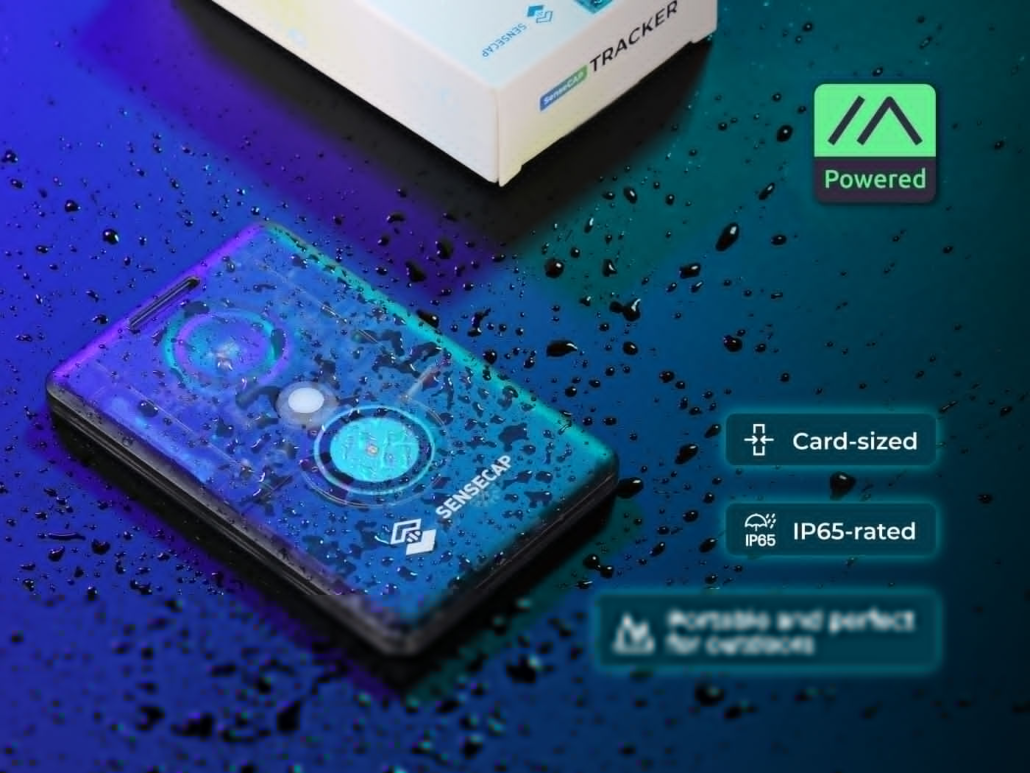
- Seeed Products used: SenseCAP Card Tracker T1000-E for Meshtastic
- Industry: Disaster Resilience & Emergency Communication
- Solution Deployed in: Coastal and Mountainous Areas, Philippines
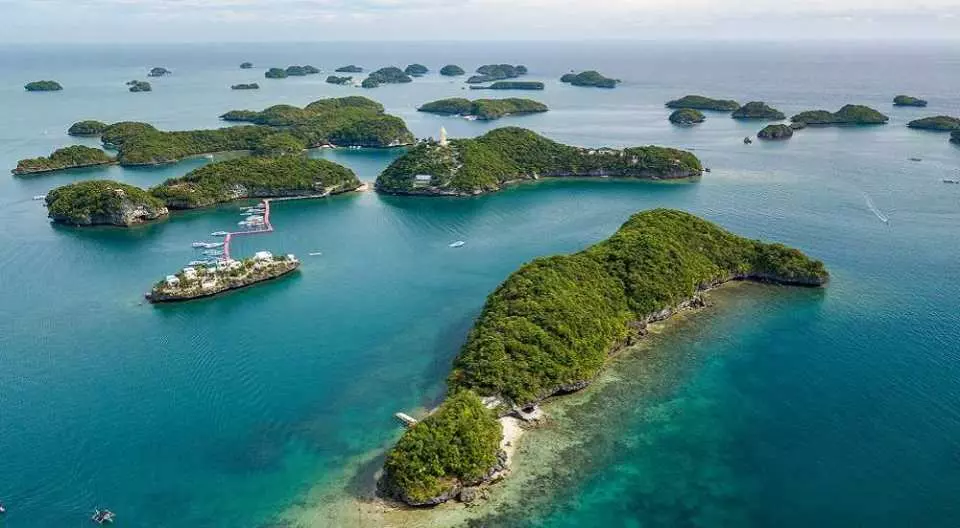
The Deployment Environment:
The team set up a three-node mesh network to simulate real-world emergency deployment conditions:
Node A (Mainland): SenseCAP T1000-E placed at 4 meters above sea level
Node B (Relay – Mountain Top): SenseCAP-compatible relay node installed on a mountain top, 245 meters above sea level, powered by solar
Node C (Mobile – Boat): SenseCAP T1000-E on a moving boat, 7 meters above sea level
All devices were configured using Meshtastic, an open-source project enabling encrypted communication over LoRa radio, to create a low-power, peer-to-peer mesh network.
Key Results From T1000-E:
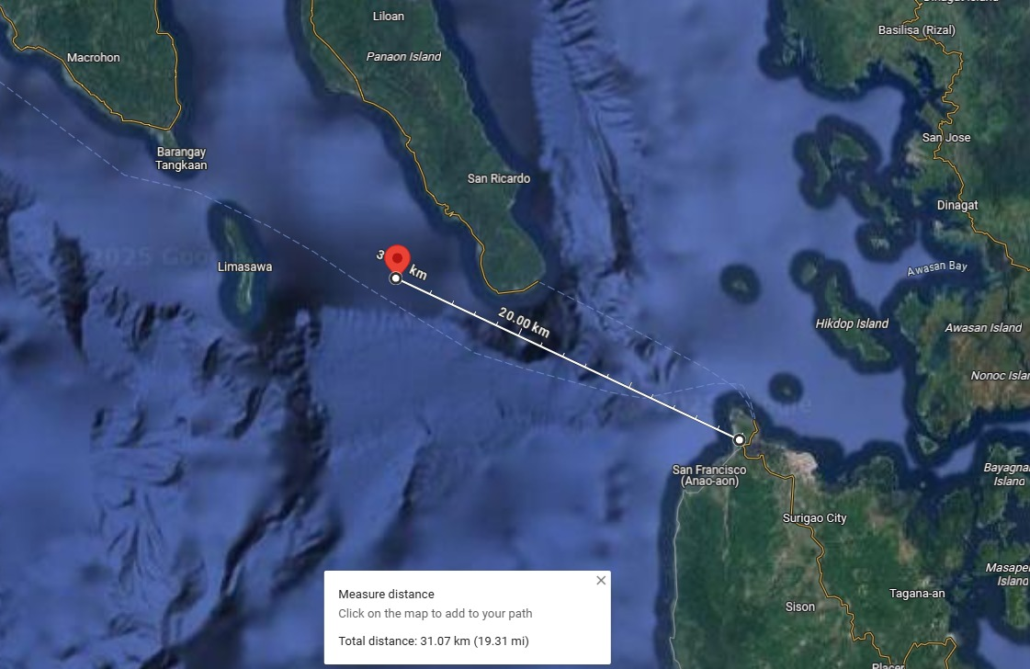
✅ 31.07 km communication range achieved with just one hop
✅ Stable message delivery across diverse terrains—land, mountain, and sea
✅ Zero dependency on cellular, Wi-Fi, or satellite infrastructure
✅ Easy setup and ultra-low power consumption with SenseCAP T1000-E
During their latest test in the Philippines, Light of Hope PH successfully achieved a communication range of 31.07 kilometers between nodes using only one hop, marking a major milestone in their efforts to establish resilient, off-grid communication systems. The mesh network—powered by Seeed Studio’s SenseCAP T1000-E devices running Meshtastic—remained stable across varied terrain, including land, mountains, and open sea. What makes this even more significant is that the entire setup operated without any dependence on cellular, Wi-Fi, or satellite infrastructure. Thanks to the device’s compact form factor, built-in GPS, and ultra-low power consumption, the deployment was not only efficient but also highly practical for rapid setup in disaster response scenarios.
Feedback from the Team:
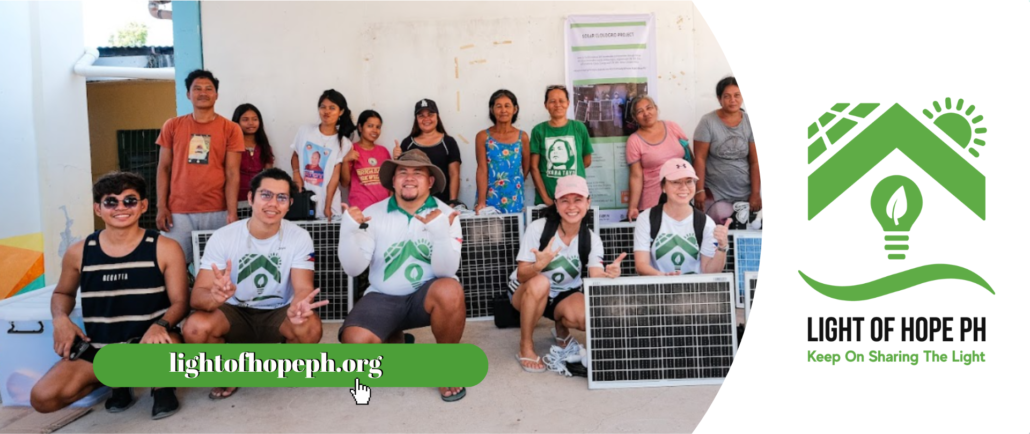
Reflecting on the successful test, Jovie Gil Montajes from Light of Hope PH shared:
“We successfully achieved a 31.07 km range from Node A to Node C with only 1 hop. This is a fantastic result for our disaster preparedness efforts, especially considering the challenging terrain and limited resources.”
Despite not receiving external funding for their initial proposal, the team at Light of Hope PH remains steadfast in their mission. They continue to iterate on their deployment strategy using open-source tools and accessible, reliable hardware like Seeed’s SenseCAP T1000-E. Their work stands as a compelling example of how decentralized technology can be harnessed to support grassroots disaster resilience. As Seeed Studio, we are honored to be part of their journey and are committed to supporting more communities like theirs around the world.
Why Seeed Studio?
Seeed Studio’s SenseCAP T1000-E proved to be the ideal choice for this deployment thanks to its plug-and-play design, built-in GPS, and long battery life, making field setup fast and intuitive. Its native compatibility with the open-source Meshtastic protocol ensured seamless integration into the mesh network, while its robust performance in low-resource environments enabled stable communication across land, mountains, and sea. With flexible support for solar power and external antennas, the device offered the adaptability needed to meet the unpredictable demands of real-world disaster scenarios in different cases.
About Author
