My 2025 Ranger Recap
In 2025, my role as a Seeed Studio Ranger became a year-long journey of bringing AI, TinyML, connectivity, and hands-on embedded learning to schools, universities, enterprises, and developer communities across Indonesia. Throughout the year, my focus was not only on introducing new technologies, but on making them accessible, practical, and meaningful for learners at different levels, from vocational students to industry engineers.
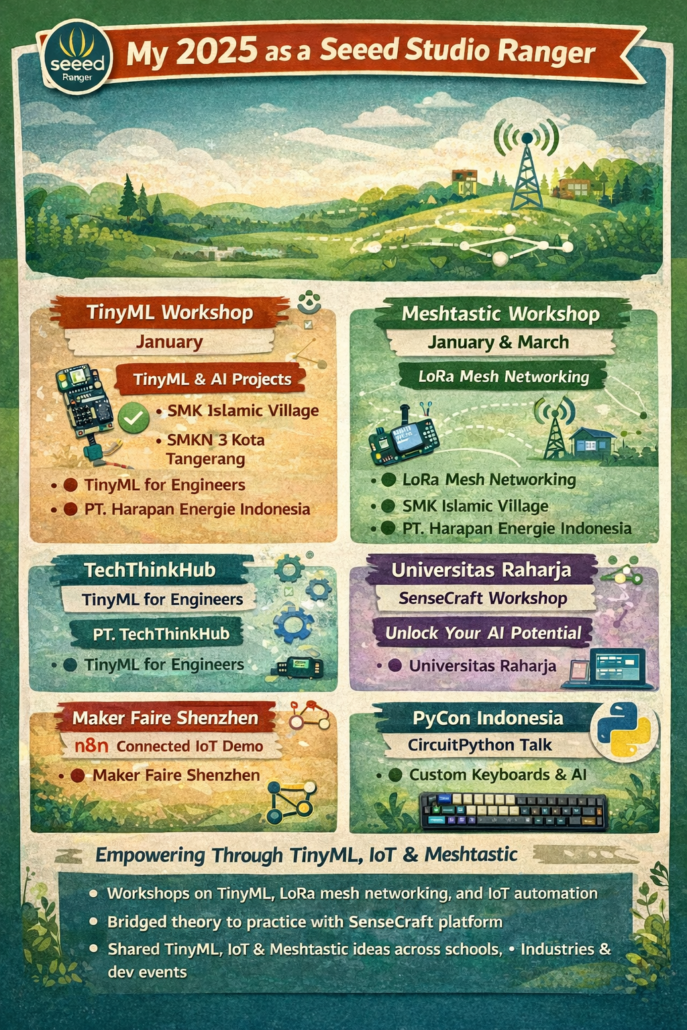
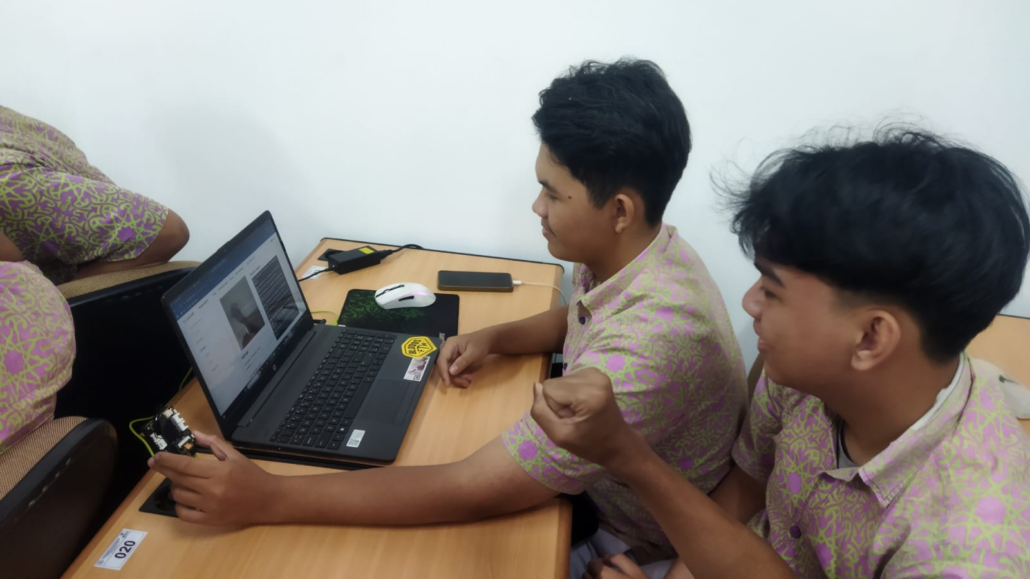
I began the year by focusing heavily on TinyML and Meshtastic education, especially during January and February. On January 21, 2025, I conducted a TinyML workshop at SMK Islamic Village, where I introduced vocational high school students to the fundamentals of machine learning on microcontrollers. Using the XIAO ESP32S3 and the SenseCraft platform, I guided students through the full workflow of embedded AI: collecting image data, training models, deploying them to hardware, and testing them directly on devices. For many participants, this was their first experience seeing AI run locally on a microcontroller without cloud dependency, which helped them understand how edge AI can be applied in real-world scenarios such as smart monitoring and automation.
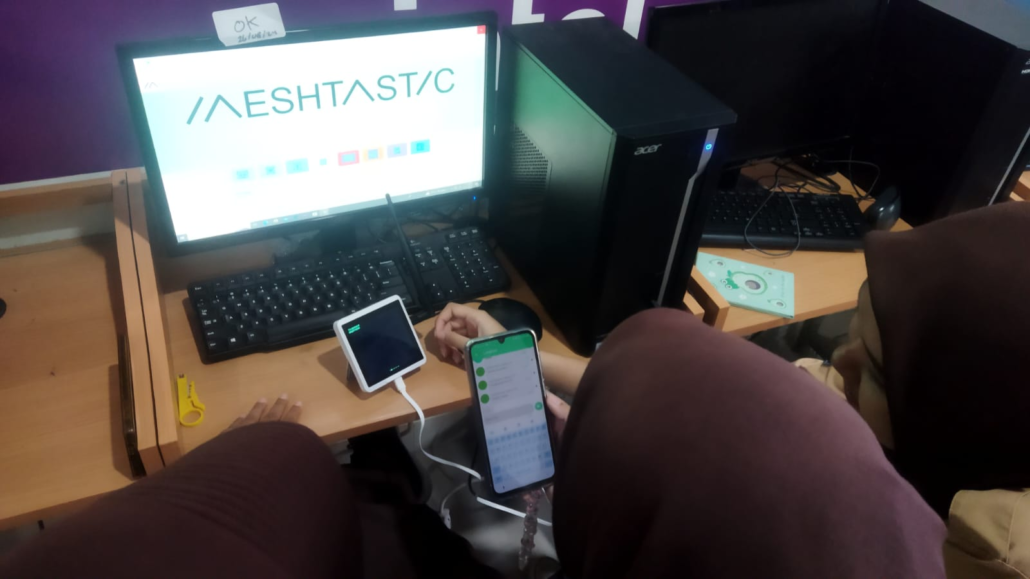
The following day, January 22, I returned to the same school to deliver a Meshtastic workshop, shifting the focus from AI to decentralized communication networks. I introduced students to LoRa-based mesh networking using devices such as the XIAO ESP32S3, SenseCAP T-1000 E, and SenseCAP Indicator. During this session, I explained how Meshtastic can function in environments without internet or cellular coverage, and we discussed real applications like disaster response, rural communication, and community-based networks. By the end of the workshop, students were able to understand how messages propagate across mesh nodes and why this technology is critical for resilient communication.
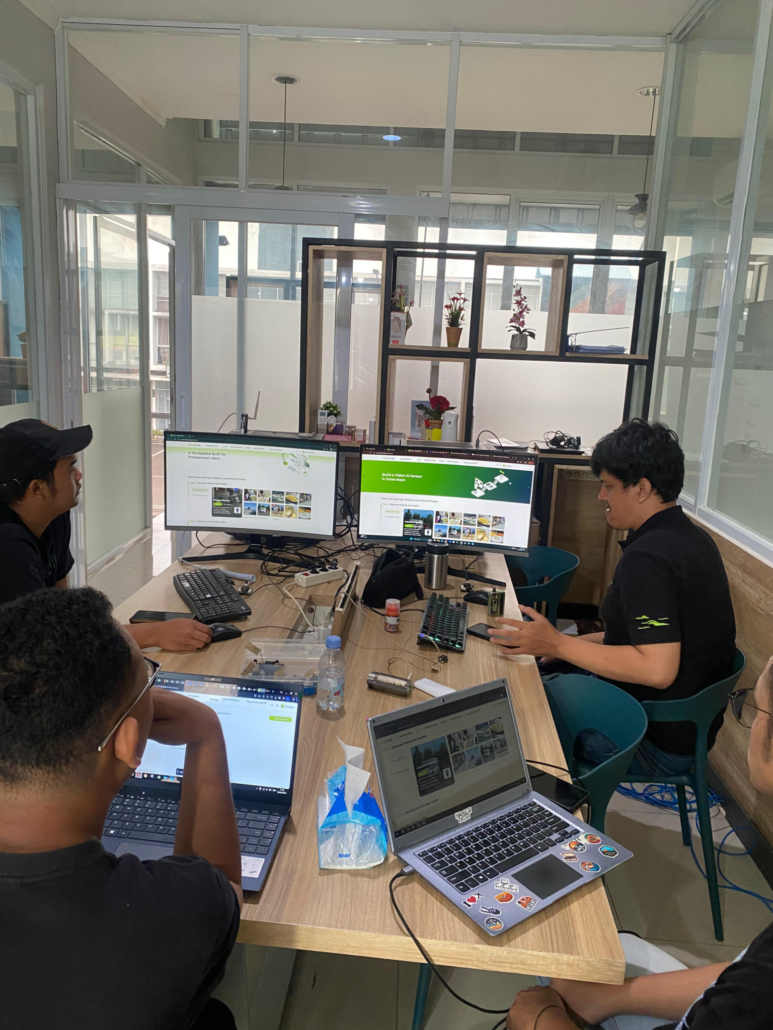
In February, I expanded my audience beyond schools and into industry. On February 8, I delivered a TinyML workshop at PT. TechThinkHub, where I worked with engineers and professionals interested in deploying AI at the edge. In this session, I emphasized practical industrial use cases such as predictive maintenance, process optimization, and energy-efficient AI systems. Rather than focusing purely on theory, I showed how TinyML can reduce latency, lower power consumption, and enable smarter embedded products without relying on cloud infrastructure.
Later in the month, on February 25, I conducted another TinyML workshop for SMKN 3 Kota Tangerang. This session allowed me to further refine my teaching approach for vocational students by combining sensor data acquisition, AI model training, and deployment using SenseCraft. The students gained a clearer picture of how AI skills could directly support future careers in electronics, automation, and smart industry, reinforcing the importance of embedded AI in modern technical education.
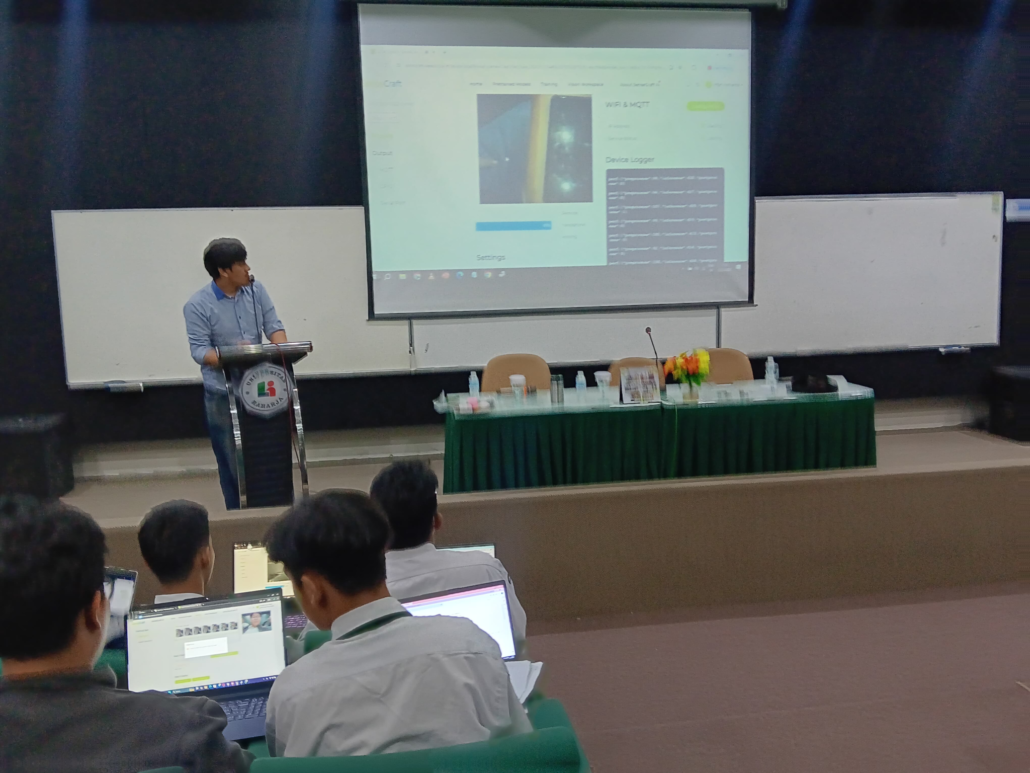
My activities continued into early March, when on March 7 I facilitated a Meshtastic workshop for PT. Harapan Energie Indonesia. This session targeted professionals working in energy and field operations, where reliable communication is often a challenge. I guided participants through building Meshtastic nodes, setting up a functional mesh network, and comparing Meshtastic with other technologies such as LoRaWAN. The workshop resulted in a working prototype network and sparked discussions about real deployments for field testing and operational communication.
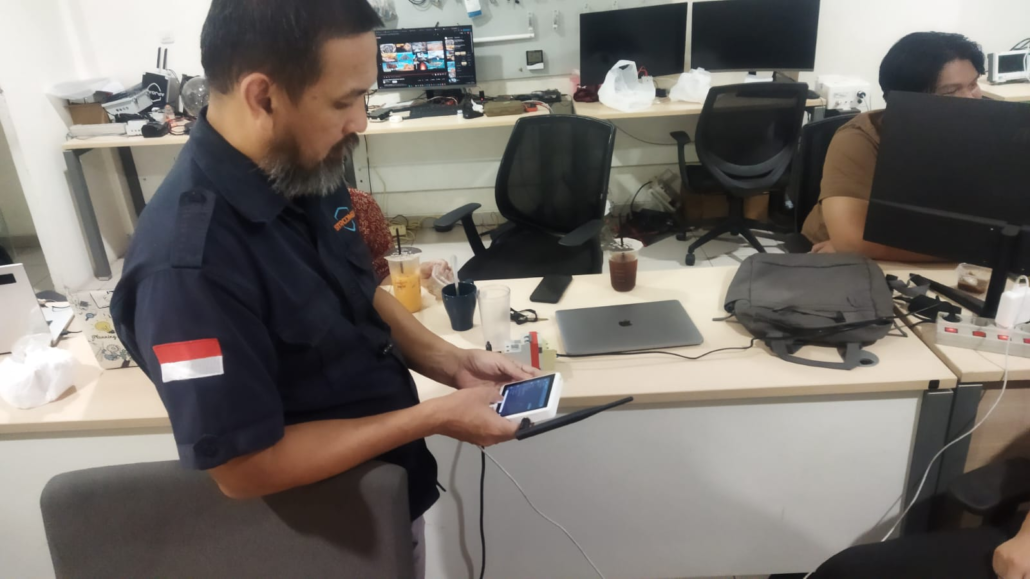
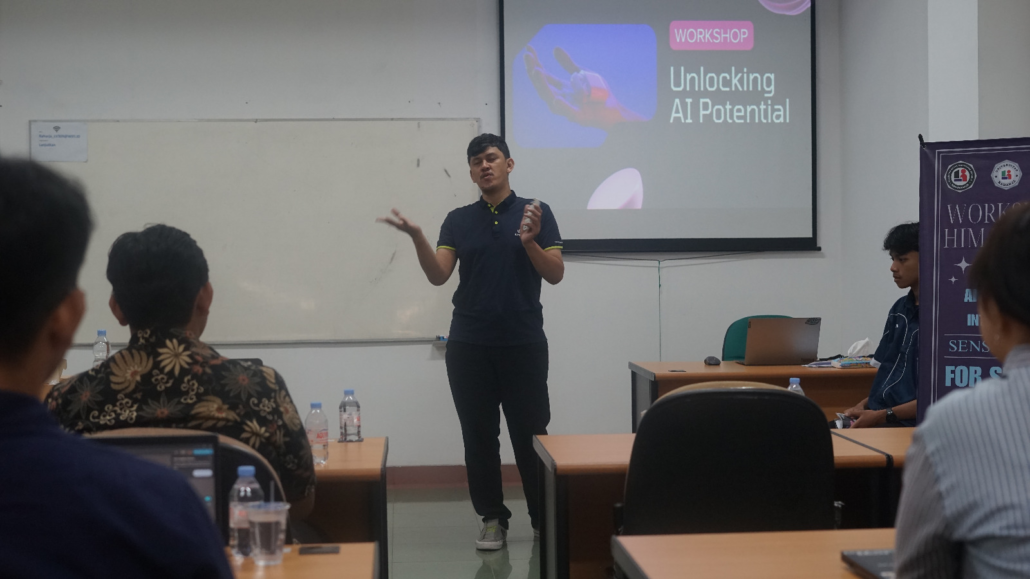
In April, my focus shifted toward deeper AI enablement in higher education. On April 19 and April 26, I hosted the “Unlock Your AI Potential with SenseCraft” workshop at Universitas Raharja, in collaboration with HIMASIKOM. During these sessions, I introduced students to the XIAO ESP32S3 Sense and demonstrated how the SenseCraft platform can bridge the gap between AI theory and real hardware implementation. Participants learned how to integrate sensors, collect data, train AI models, and deploy them into working embedded systems. This workshop was particularly important in showing students that AI is not limited to software or cloud platforms, but can live directly inside small, affordable devices.
Toward the end of the year, my role as a Ranger expanded into broader community and developer events. In November, shortly after Maker Faire Shenzhen 2025, I delivered a seminar on IoT automation using the n8n platform. I demonstrated how a XIAO ESP32S3 paired with a Grove SHT40 sensor could send temperature and humidity data to n8n via webhooks, enabling automated workflows and AI-driven insights. This session highlighted how embedded devices, automation tools, and AI can work together to form complete end-to-end systems.
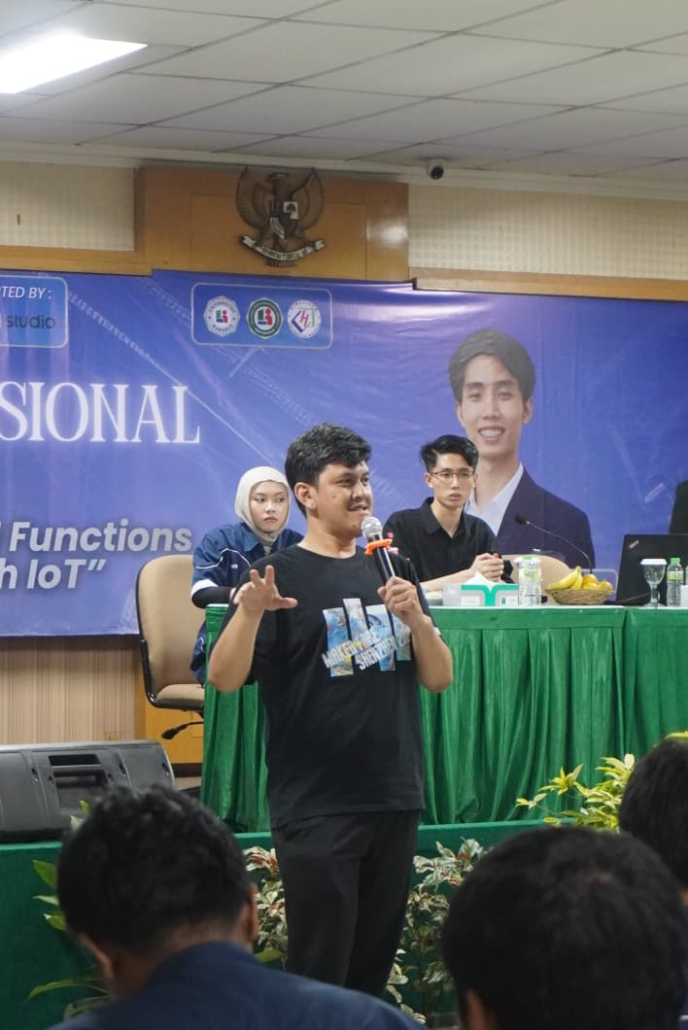
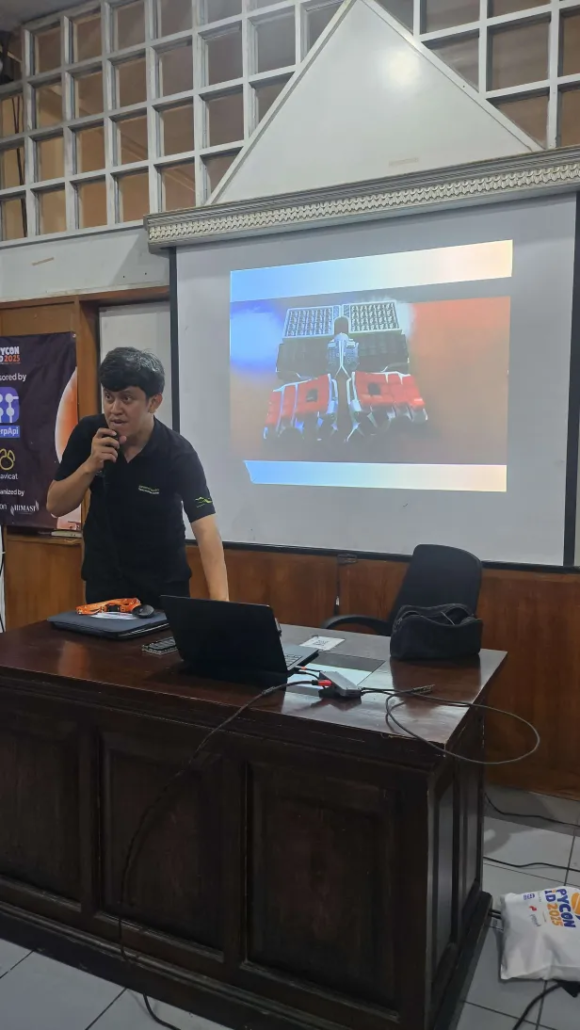
I concluded 2025 by participating in PyCon Indonesia 2025, where I shared a more personal and creative side of my technical journey. In my talk, “Build the Keyboard You Deserve Using CircuitPython,” I walked the Python community through the process of designing and programming custom keyboards using CircuitPython. I also showcased the conversational AI capabilities of the SenseCAP Watcher firmware (Xiaozhi), demonstrating real-time AI interaction that surprised and engaged the audience. This event allowed me to connect embedded systems, Python, and human-centered design in a way that resonated strongly with developers.
Looking back, my 2025 activities as a Seeed Studio Ranger were defined by consistency and impact. Across schools, universities, enterprises, and conferences, I focused on empowering communities with hands-on experience in TinyML, AI-enabled IoT, Meshtastic networking, and automation. My goal throughout the year was to lower the barrier to entry for advanced technologies, helping learners and professionals alike gain confidence in building real systems that solve real problems.
About Author
