Bringing Hyperlocal Weather and Water Insights to German Lakeside Tourism with Seeed’s LoRaWAN Sensors
Tourism at Am Mellensee—a scenic lake just south of Berlin—was being hindered by the lack of hyperlocal environmental data. Despite favorable weather at the lake, visitor numbers were often low due to inaccurate forecasts from distant weather stations, discouraging spontaneous trips. Additionally, there was no access to real-time water temperature, UV levels, or algae bloom alerts, raising safety concerns. Local resort staff had to manually respond to repetitive questions about weather and water conditions, diverting resources from essential operations. With no modern digital tools in place, both visitor satisfaction and operational efficiency were suffering.
Solution: Hyperlocal Environmental Monitoring for Lakeside Tourism in Germany Using Seeed’s LoRaWAN Sensors
Participating Partners: TJK-Solutions, Strandbad Klausdorf
Seeed Products Used: SenseCAP S2120 LoRaWAN Weather Station, SenseCAP S2106 pH & Temperature Sensor
Industry: Smart Tourism / Smart Environment
Solution Deployed in: Am Mellensee, Brandenburg, Germany

The Challenge of Tourism in a Digital Age
Tourism is going digital—and in Germany, the expectations of regional tourists are evolving rapidly. With a heavy reliance on smartphone apps and real-time weather updates, many travelers make their weekend getaway decisions based on digital data. But in smaller towns and lakeside regions, such data often fails to reflect reality.
One such location is Am Mellensee, a picturesque lake region just 30 km south of Berlin. Home to several popular beach resorts and outdoor activities, it attracts thousands of summer visitors—mainly from the capital. Yet, despite beautiful weather, local businesses were facing reduced footfall. Why? Because generic weather apps showed misleading forecasts based on data from the nearest station—located 20 km away!
That’s not all. There were no real-time water safety indicators, no UV alerts, and no public access to local wind or algae data. The lake even experiences cyanobacteria (blue-green algae) blooms during high temperatures—posing a serious health risk for families and swimmers. Until recently, the only option was to rely on staff reporting or outdated signage.
Granular Problems Needing Granular Solutions
Before implementing the new system, the TJK Solutions—identified several critical pain points affecting both resort operations and visitor experience. Firstly, there was no hyperlocal weather station, meaning data from distant weather services failed to reflect the lake’s unique microclimate. This led to reduced visitor turnout, as inaccurate forecasts discouraged spontaneous trips—even on sunny days.
Additionally, there was a lack of real-time safety data, leaving visitors uninformed about key environmental factors like UV levels, wind speeds, and water temperatures. This gap raised health and safety concerns, particularly with no early warning system for toxic algae blooms. Resort staff also faced manual workloads, having to answer frequent inquiries about water conditions, which took time away from other critical tasks.
While some resorts explored options like manual weather loggers or third-party weather APIs, none provided the automation, real-time precision, or local data transparency that the community truly needed. This is where TJK-Solutions stepped in, delivering a smart, scalable solution tailored to address all these challenges.
The Seeed-Powered Solution
TJK-Solutions successfully developed and deployed a fully wireless, real-time environmental monitoring system designed specifically for enhancing public safety and visitor experience in lakeside tourism areas. At the core of this solution are Seeed Studio’s cutting-edge SenseCAP devices, seamlessly integrated to provide accurate, continuous data on both weather and water conditions.
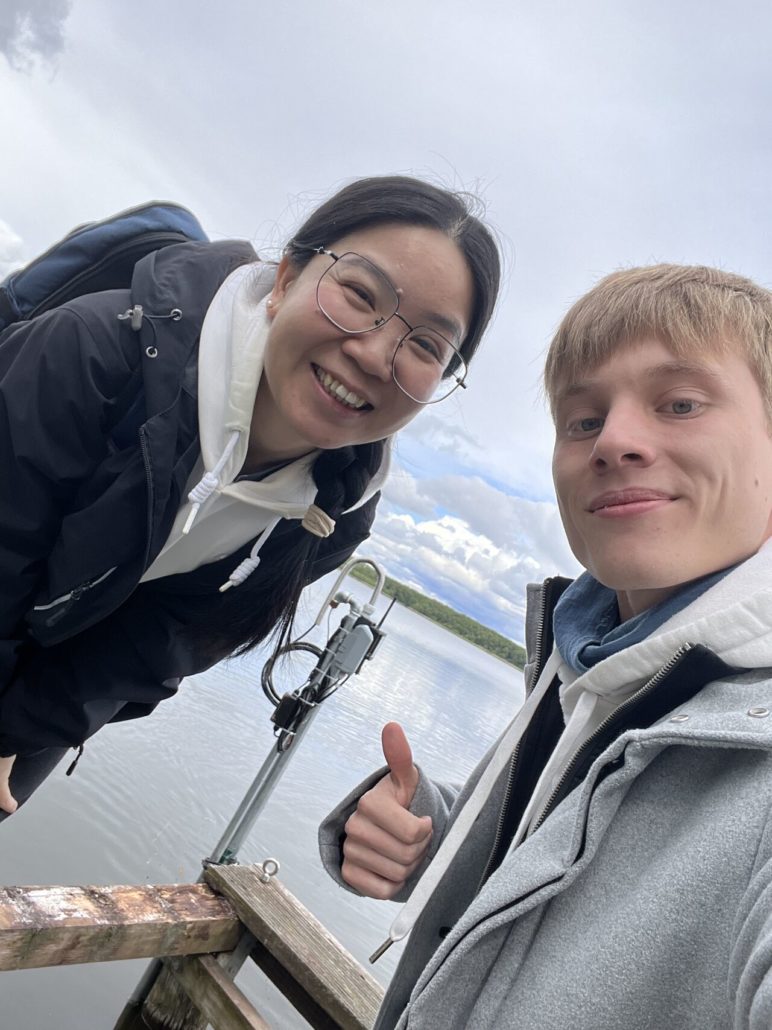
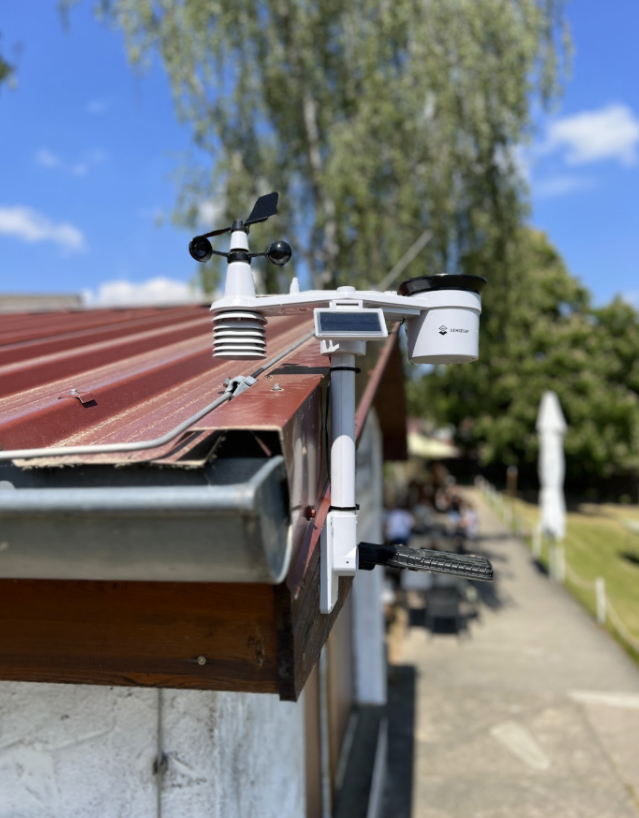
The system features a SenseCAP S2120 Weather Station equipped with LoRaWAN connectivity, which measures critical environmental parameters such as temperature, humidity, UV index, and wind speed. This comprehensive weather monitoring ensures visitors are informed about the current climate conditions at all times.
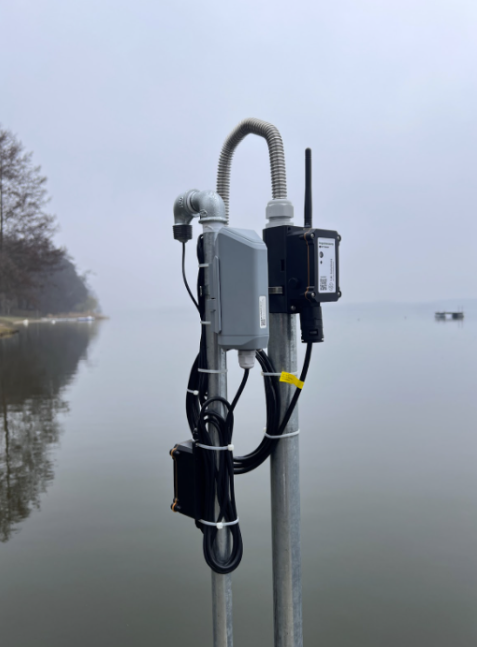
Complementing this is the SenseCAP S2106 Water Quality Sensor, permanently installed at swimming depth to continuously measure water pH levels and temperature—two vital indicators of water safety and health. Together, these sensors deliver a holistic view of the lake environment in real time.
🛠 Devices Deployed:
Both devices have been operational at the main beach entrance and anchored securely in the lake since Spring 2025, providing reliable and continuous environmental data to support safe, enjoyable tourism experiences.
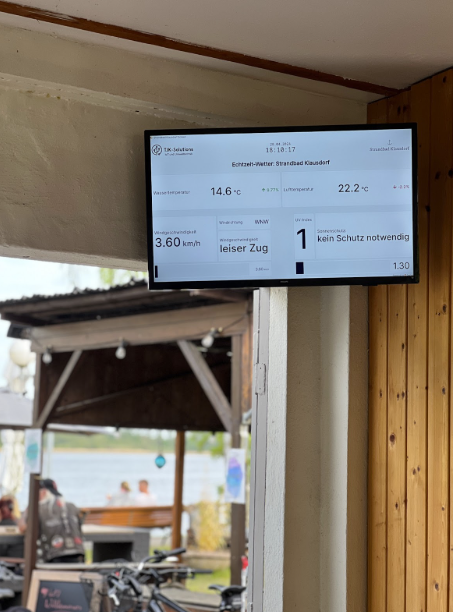
Live dashboards shown:
- At the entry screens of the beach resorts (welcome display with weather & water info)
- On the official websites of the resorts
- Instagram Stories for fast updates via social media

Key Features & Benefits
- Completely wireless and solar-powered – No need for local internet or grid connection
- Real-time alerts – UV warnings help prevent sunburns; wind info supports sailing safety
- Transparent lake data – Increases visitor trust and confidence
- Reduced staff workload – Guests no longer need to ask for water temperatures
- Public health benefits – Enables better readiness for blue-green algae events
The impact of the system was clearly reflected in visitor response and usage metrics. According to a local beach operator at Am Mellensee:
“Visitors loved it. We saw over 10,000 website views per month last summer, and guests no longer had to ask about water temperatures at the cash desks.”
Why Seeed Studio?
TJK-Solutions chose our solution because it delivered exactly what their microclimate-focused project required: a completely wireless setup powered by LoRaWAN and solar energy, eliminating the need for fixed power or internet infrastructure. The system’s quick and easy installation made it ideal for seasonal deployments, while our reliable, high-precision sensors ensured accurate data collection in varying environmental conditions. Compared to other solutions that were either too infrastructure-heavy or lacked the necessary precision, offering stood out as a cost-efficient, scalable, and future-ready option—perfectly aligning with our partner’s goals for smart, sustainable agriculture.
Results of the Project
The deployment of Seeed Studio’s solution delivered measurable and impactful outcomes for our partner’s lake monitoring initiative. One of the most notable results was a significant increase in public trust and engagement—thanks to real-time, transparent access to environmental data such as water conditions, UV levels, and safety alerts. Visitors now feel more informed and confident when planning their lake activities.
Operationally, the system led to a marked reduction in staff workload, particularly around handling routine inquiries about water safety and conditions. With live data accessible online, the need for manual reporting and public updates was dramatically decreased, allowing staff to focus on more critical tasks.
Importantly, the project also supported public health efforts by providing timely UV index readings and early warnings about water quality, contributing to safer recreational use and heightened awareness of environmental risks. This proactive communication helped the community prepare for potential algae bloom events, reducing panic and enhancing preparedness.
Today, the monitoring system acts as a digital gateway to the lake, seamlessly blending environmental stewardship with modern user expectations for accessibility and transparency. It’s more than just a data dashboard—it’s a tool for education, engagement, and sustainable ecosystem management.
Scalability & Future Plans
Building on the success of the initial deployment, TJK-Solutions is actively planning to scale the system to additional lakeside areas across Brandenburg and beyond. The goal is to bring the same level of transparency, safety, and convenience to more communities and tourism destinations.
Future upgrades are already in the pipeline, starting with the addition of new environmental sensors to monitor turbidity, conductivity, and nitrate levels—key indicators for water quality and ecosystem health. These enhancements will provide a deeper understanding of lake conditions and support more comprehensive environmental stewardship.
To further improve proactive management, the team is working on integrating AI-based forecasting models capable of predicting algae bloom risks, enabling timely alerts and better preparedness for both authorities and visitors.
Additionally, a centralized monitoring platform is in development, designed to allow municipalities to oversee multiple lakes from a single dashboard. This will streamline environmental management, promote data-driven decision-making, and reinforce TJK-Solutions’ commitment to smart, sustainable tourism infrastructure powered by Seeed’s IoT ecosystem.
Support to SDGs (UN Sustainable Development Goals)
This project contributes directly to several UN Sustainable Development Goals:



- SDG 3 – Good Health and Well-being (by promoting UV protection and safe swimming conditions)
- SDG 6 – Clean Water and Sanitation (through continuous water quality monitoring)
- SDG 11 – Sustainable Cities and Communities (by enabling smart tourism and strengthening digital public infrastructure at natural sites.)
Intro of the Partners
Solution Provider: TJK-Solutions
TJK-Solutions specializes in innovative IoT sensor systems for environmental monitoring, with a mission to make nature measurable. Their solutions focus on data transparency and usability, supporting communities, water associations, and smart regions with scalable, easy-to-deploy technology.
Community Partner: Strandbad Klausdorf
Strandbad Klausdorf is a local beach resort committed to improving visitor experience, safety, and environmental awareness. As an engaged community partner, they played a key role in piloting and showcasing the benefits of smart lake monitoring for public use.
About Author
