Empowering the Next Generation of Innovators: 2-Day TinyML & IoT Workshop at MACE
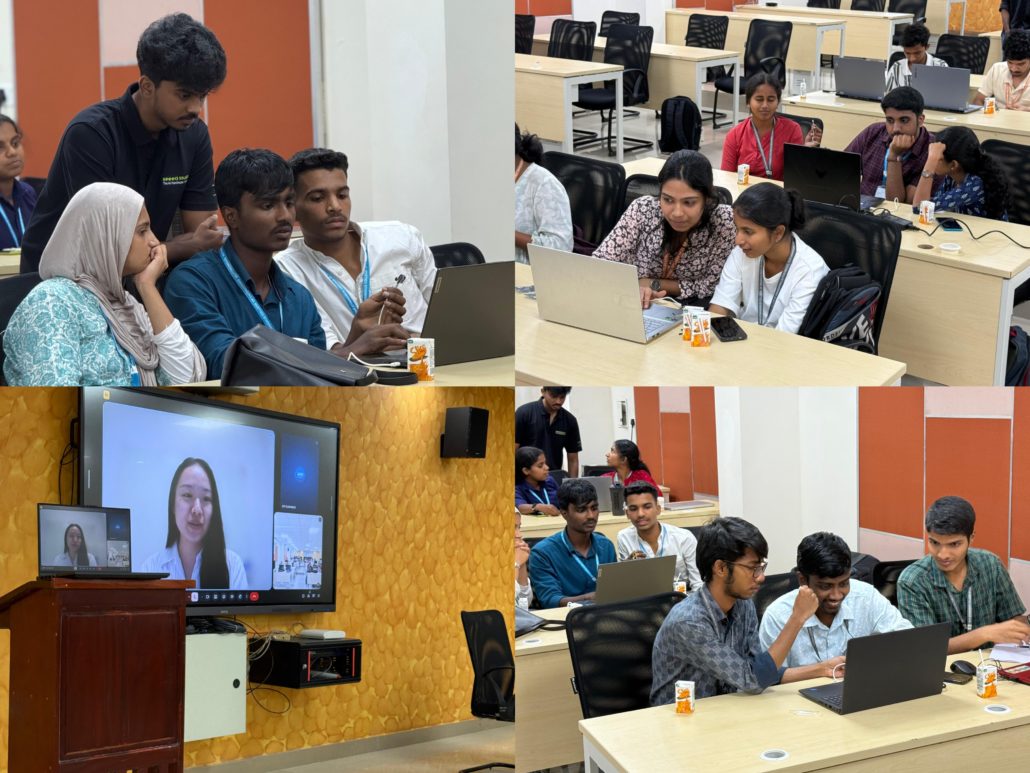
On September 19–20, 2025, Mar Athanasius College of Engineering, Kothamangalam, hosted an intensive 2-day TinyML and IoT Workshop as part of Takshak’25, the college’s annual technical festival. The event was jointly organized by the Department of Electronics and Communication Engineering and the MACE IoT Club, with support from Seeed Studio.
The workshop witnessed the enthusiastic participation of over 40 engineering students from various institutions across Kerala, eager to explore the possibilities of Tiny Machine Learning (TinyML) through a completely hands-on learning experience.

The workshop began with a special guest session by Alison Yang, Seeed Studio’s Community Manager, who joined virtually to interact with the participants. Alison shared her insights on TinyML, IoT, and global maker communities, giving students a glimpse into the Maker Faire Shenzhen and the exciting innovations happening worldwide.
Her talk inspired curiosity and enthusiasm among students, setting the perfect tone for the two days of exploration and learning that followed.
Day 1: From Fundamentals to Hands-On with SenseCraft AI
The first day of the workshop kicked off with a deep dive into the theoretical foundations of TinyML, where students explored the exciting intersection of artificial intelligence and embedded systems. Students learned how TinyML enables devices to sense, analyze, and act locally, even with limited processing power.The discussion also covered the key advantages of TinyML, such as ultra-low power consumption, faster response times, enhanced privacy, and the ability to work offline, making it ideal for real-world IoT applications.
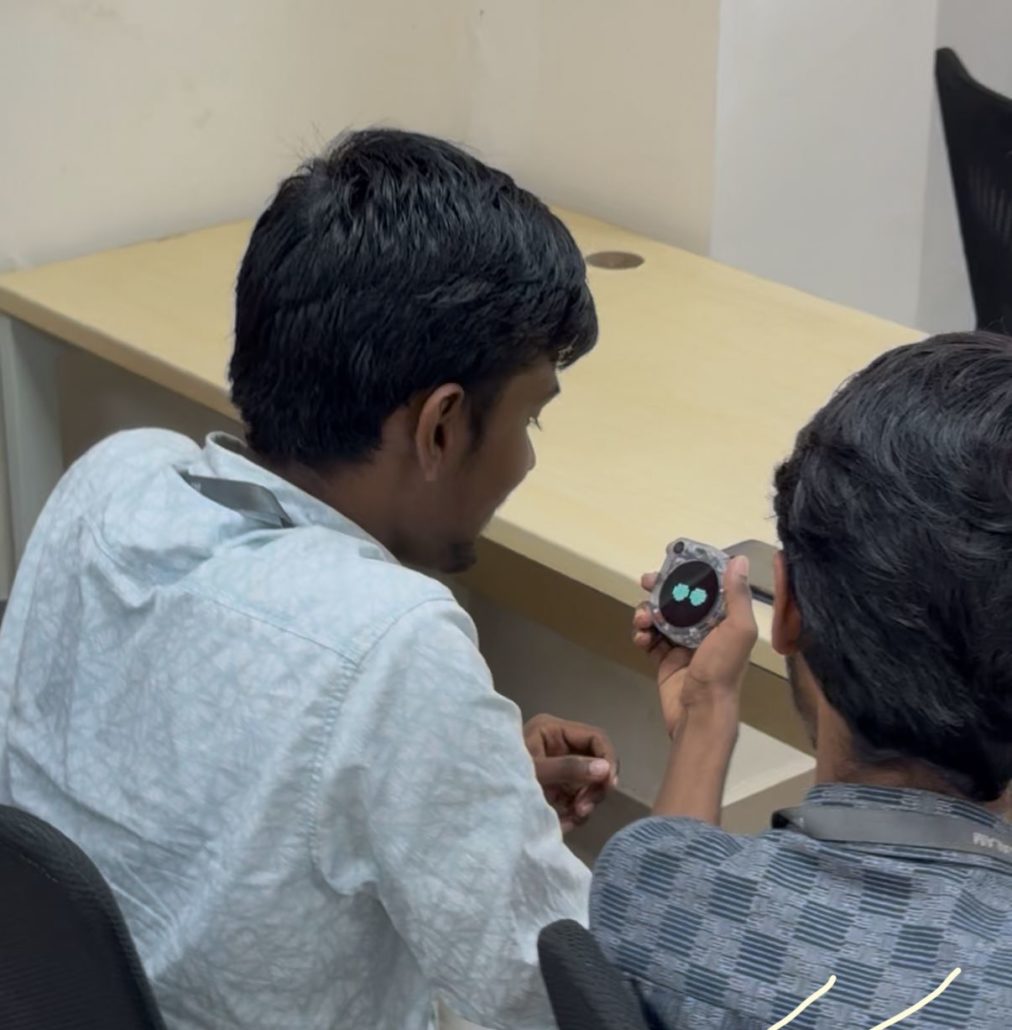
As the concepts unfolded, the participants’ curiosity grew. To connect theory with reality, a series of real-world TinyML project showcases followed demonstrating how edge AI is being used to solve challenges in environmental monitoring, human safety, accessibility, and automation. These examples sparked lively discussions as students began imagining how they could apply these ideas in their own innovations.
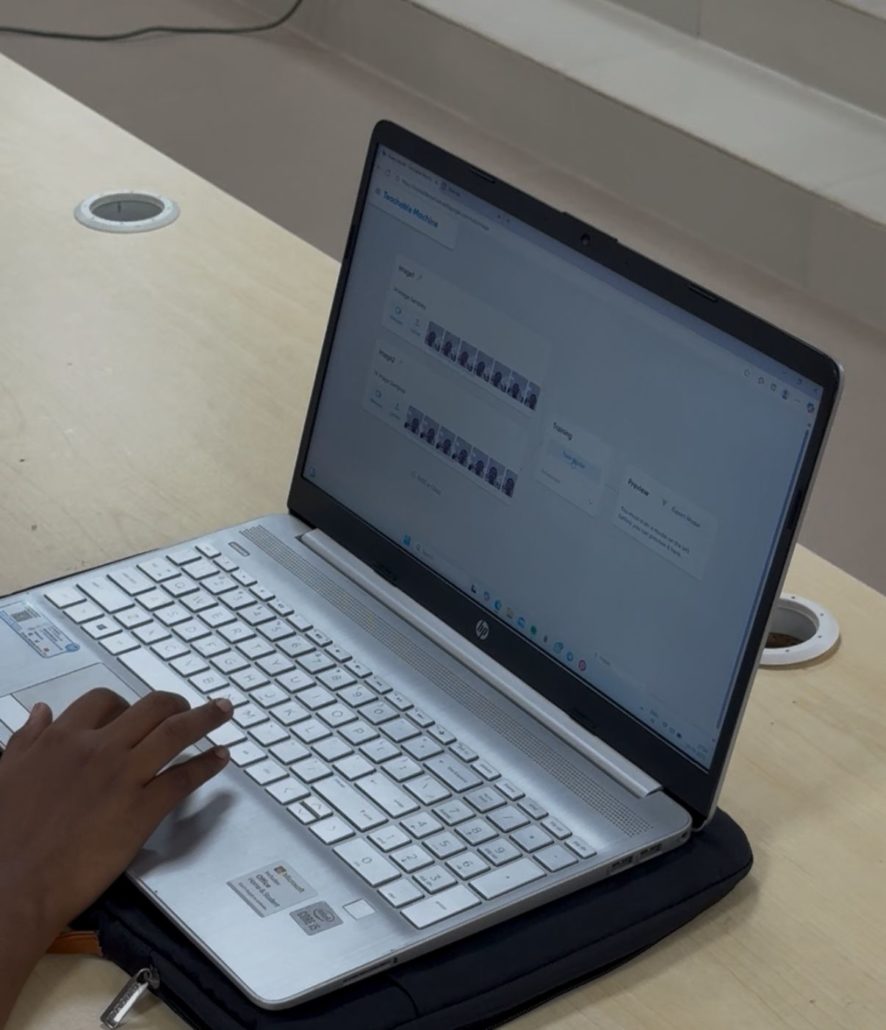
The hands-on excitement began soon after with Google’s Teachable Machine, an intuitive platform that allowed participants to build their first image recognition models from scratch. Within minutes, laughter and amazement filled the room as students trained their webcams to recognize gestures, colors, and objects watching their very first AI models respond in real time.
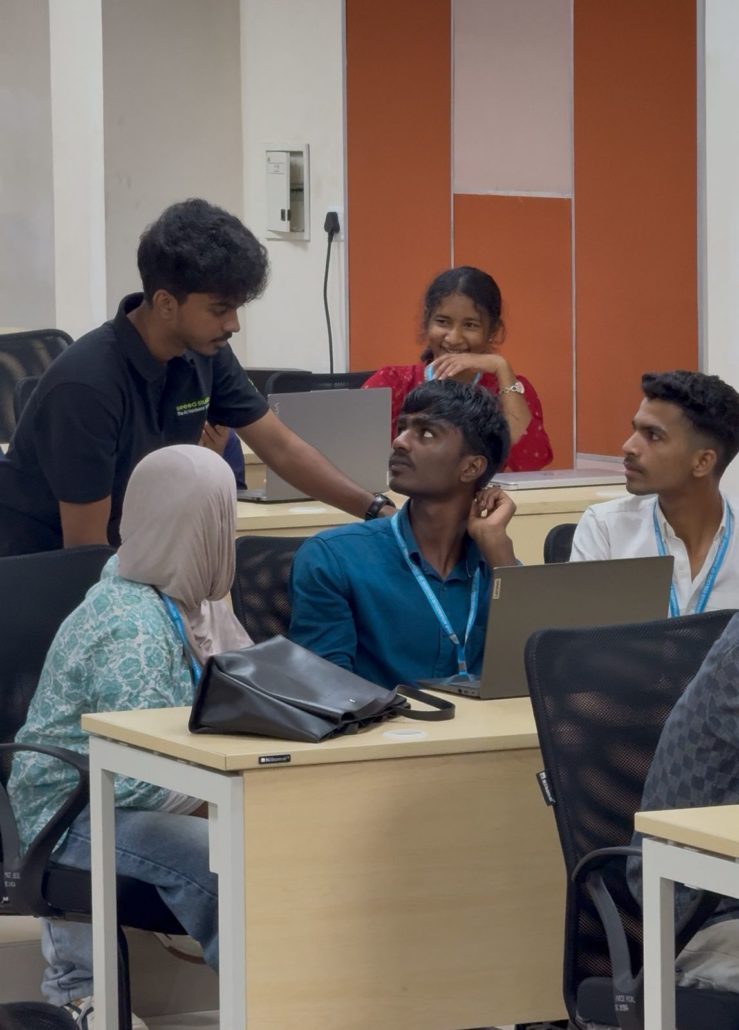
Riding that momentum, the session transitioned to Seeed Studio’s SenseCraft AI platform, where students explored a collection of pre-trained TinyML models. They experimented with deploying these models onto XIAO ESP32S3 Sense boards and the Grove Vision AI V2 camera module, testing capabilities like object detection, person recognition, and motion sensing.
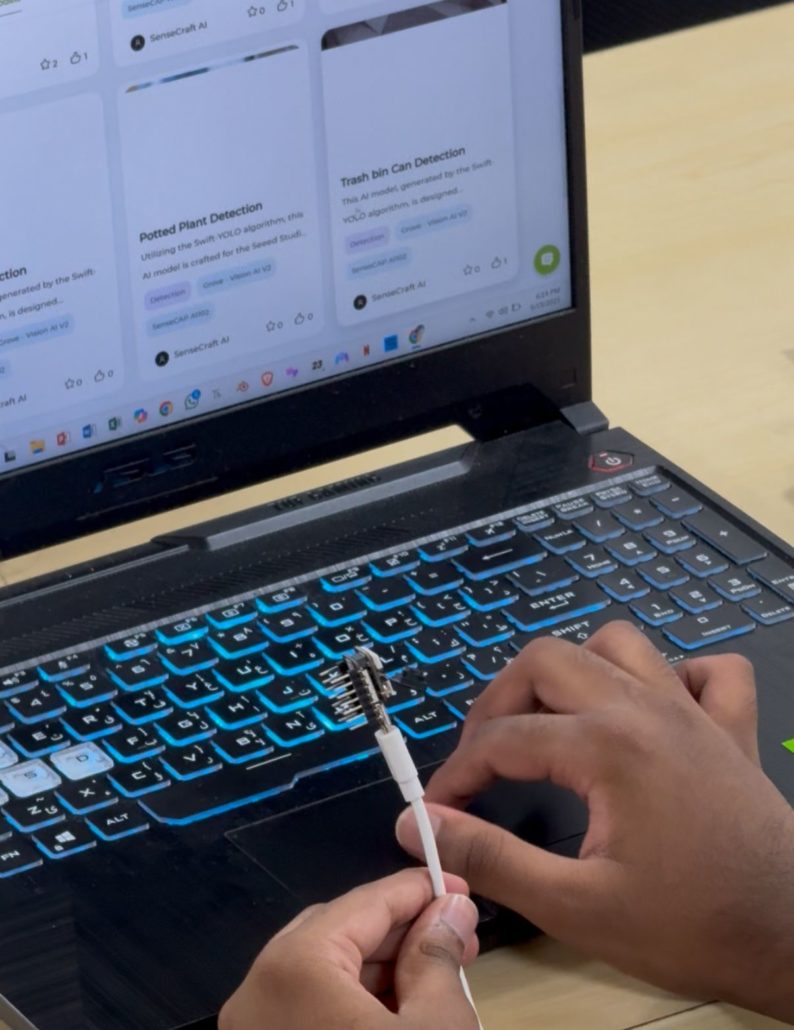
By the end of the first day, every participant had experienced the full journey from understanding AI fundamentals to deploying working machine learning models on real Seeed hardware. For many, it was their very first hands-on interaction with TinyML, and the sense of discovery in the room was unmistakable.
Day 2: Building Custom Models and Real-World Prototypes
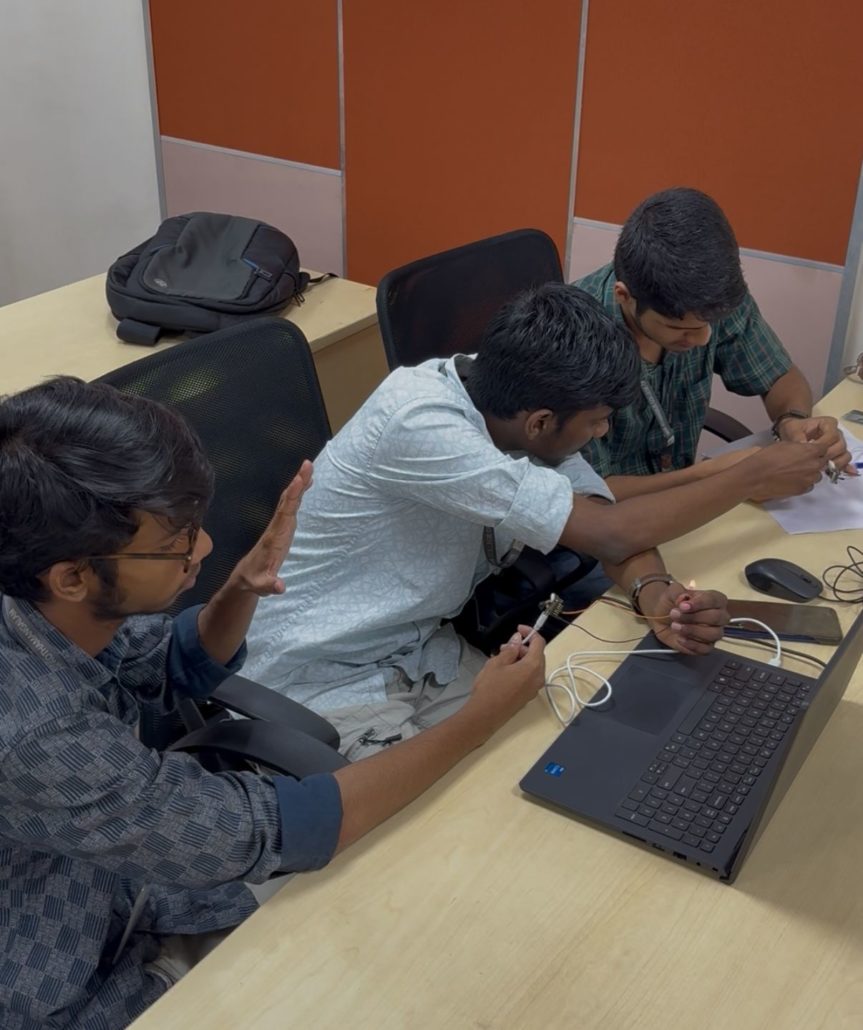
Day 2 elevated the excitement as the workshop moved from pre-built models to custom TinyML development and real-world prototyping. Students began by exploring the Arduino IDE, learning how to interface hardware components and control peripherals like LEDs, their LEDs responded to AI model predictions, giving a tangible sense of how machine learning can drive real-world electronics.
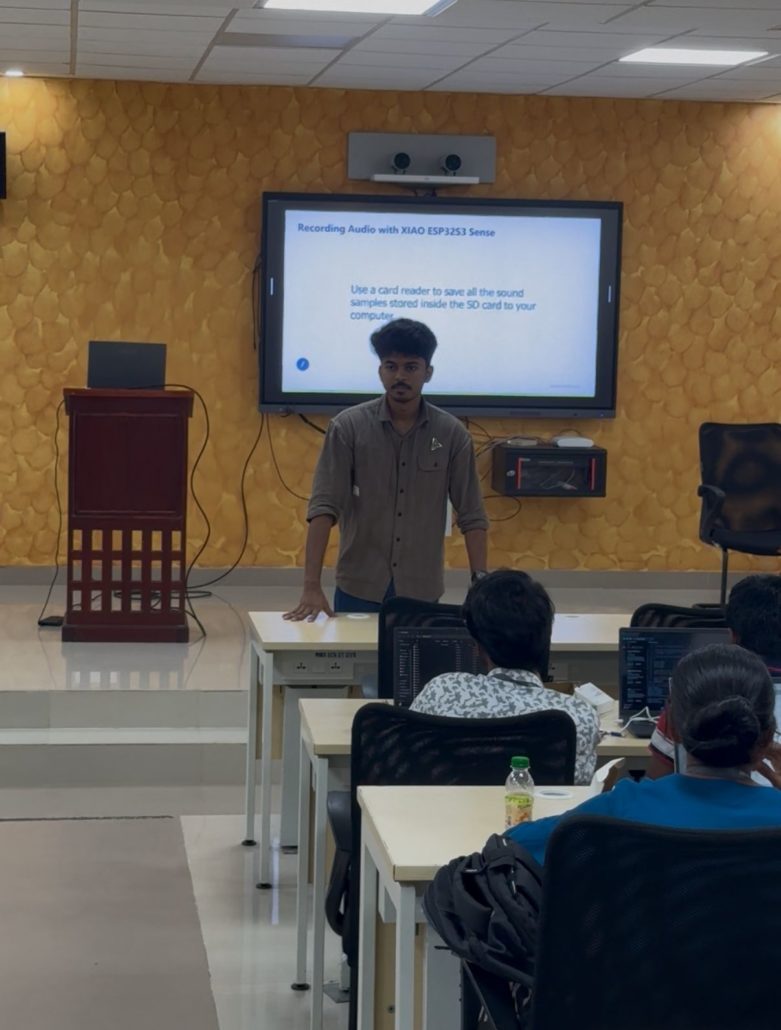
Once everyone was comfortable with the fundamentals, the focus shifted to the Edge Impulse platform– the gateway to building fully custom TinyML applications. Participants got hands-on experience with every step of the workflow: capturing raw sensor data, labeling it, training their own neural networks, and finally deploying the optimized models onto the Seeed Studio XIAO ESP32S3 Sense.
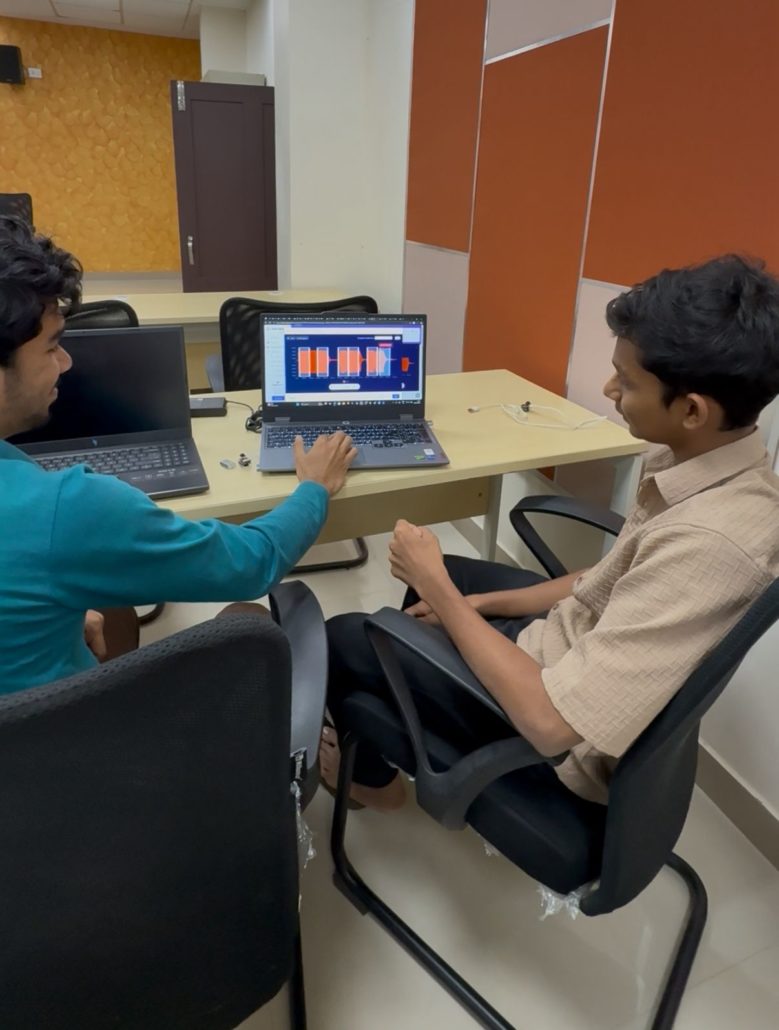
The lab quickly came alive with creativity. Some students trained keyword-spotting models to recognize simple voice commands, while others ventured into more ambitious ideas developing audio classification systems capable of detecting gunshots, illegal poaching sounds, and vehicle entries. Seeing their models respond to real-world audio inputs in real time left everyone amazed at what such a tiny device could achieve.
By the end of the day, participants weren’t just running demos they had built complete end-to-end edge AI systems, transforming theory into working prototypes. The sense of accomplishment and inspiration in the room made it clear: for many, this was the beginning of a new journey into the world of TinyML.
Watch the Workshop Highlights 🎥
Experience the energy, creativity, and excitement of the 2-Day TinyML & IoT Workshop at MACE through this recap video:
A Memorable Learning Experience
By the end of the two-day session, students expressed overwhelming satisfaction and excitement. For many, it marked their first real step into the world of TinyML and IoT, blending theory with meaningful hands-on experimentation.
The workshop successfully bridged the gap between AI theory and embedded systems practice empowering students to imagine, build, and innovate with Seeed’s edge AI hardware ecosystem.
About Author
