Establishing our IoT LoRa Meshtastics Sensor Network in Cameroon 🇨🇲
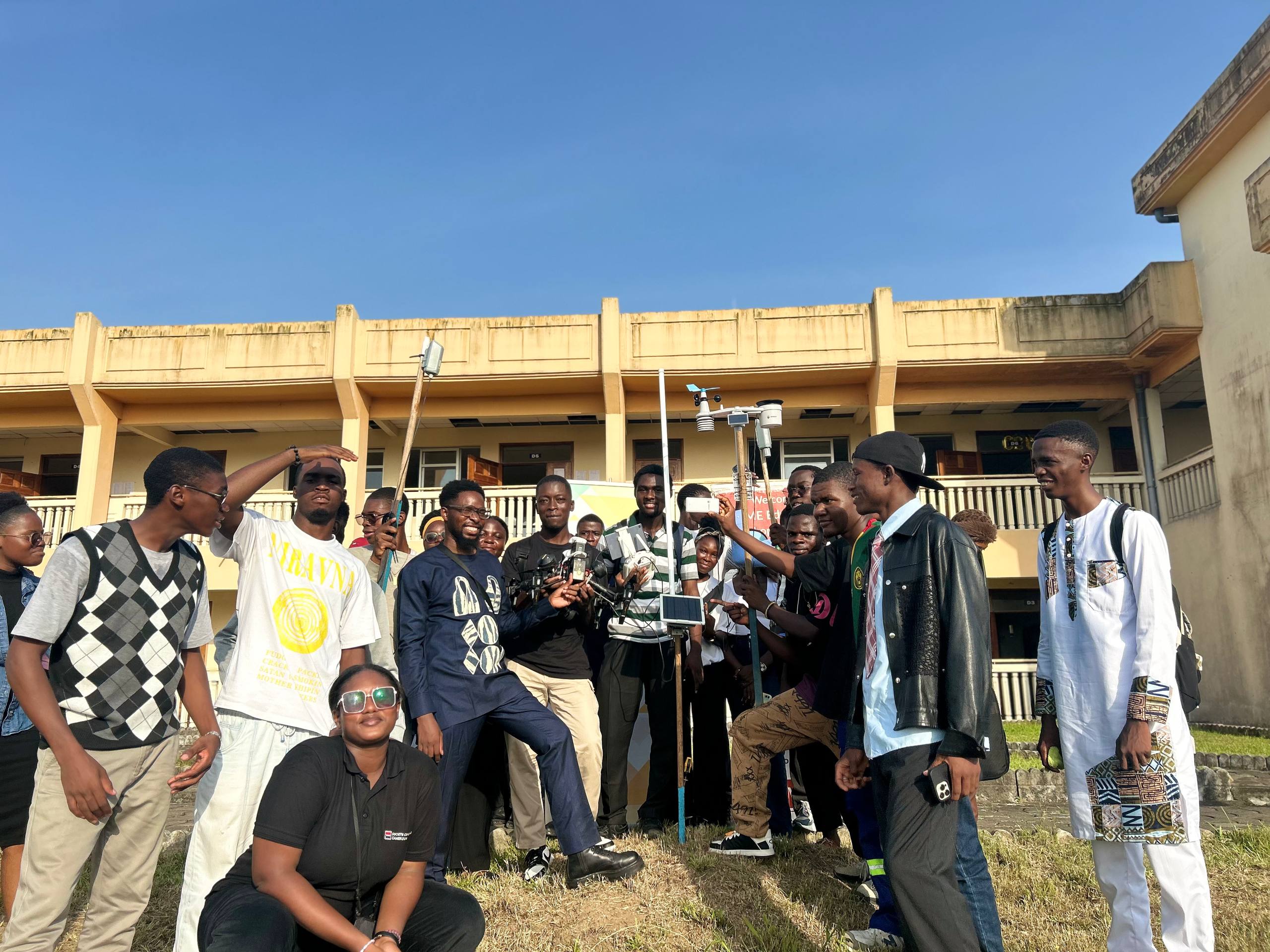
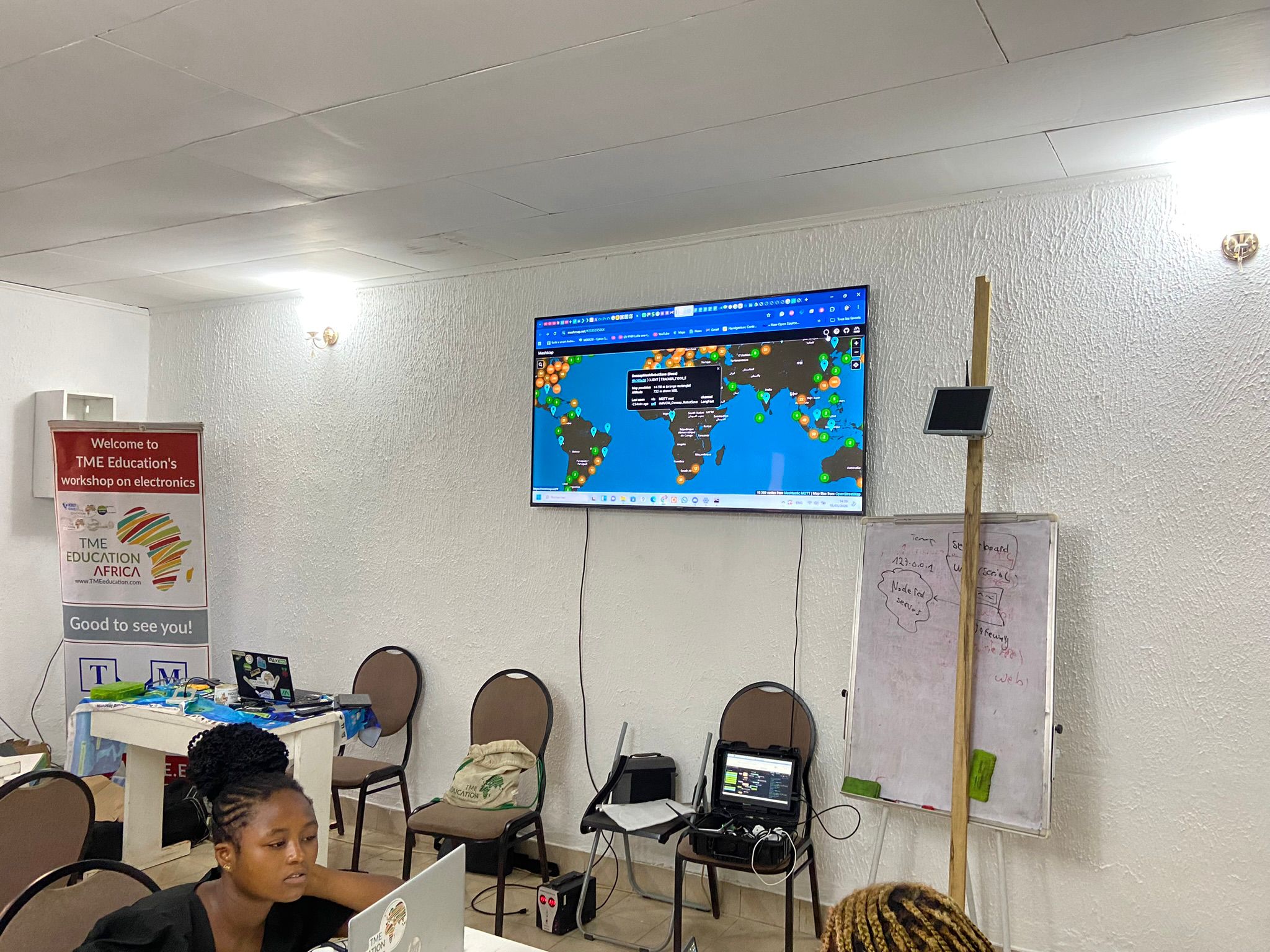
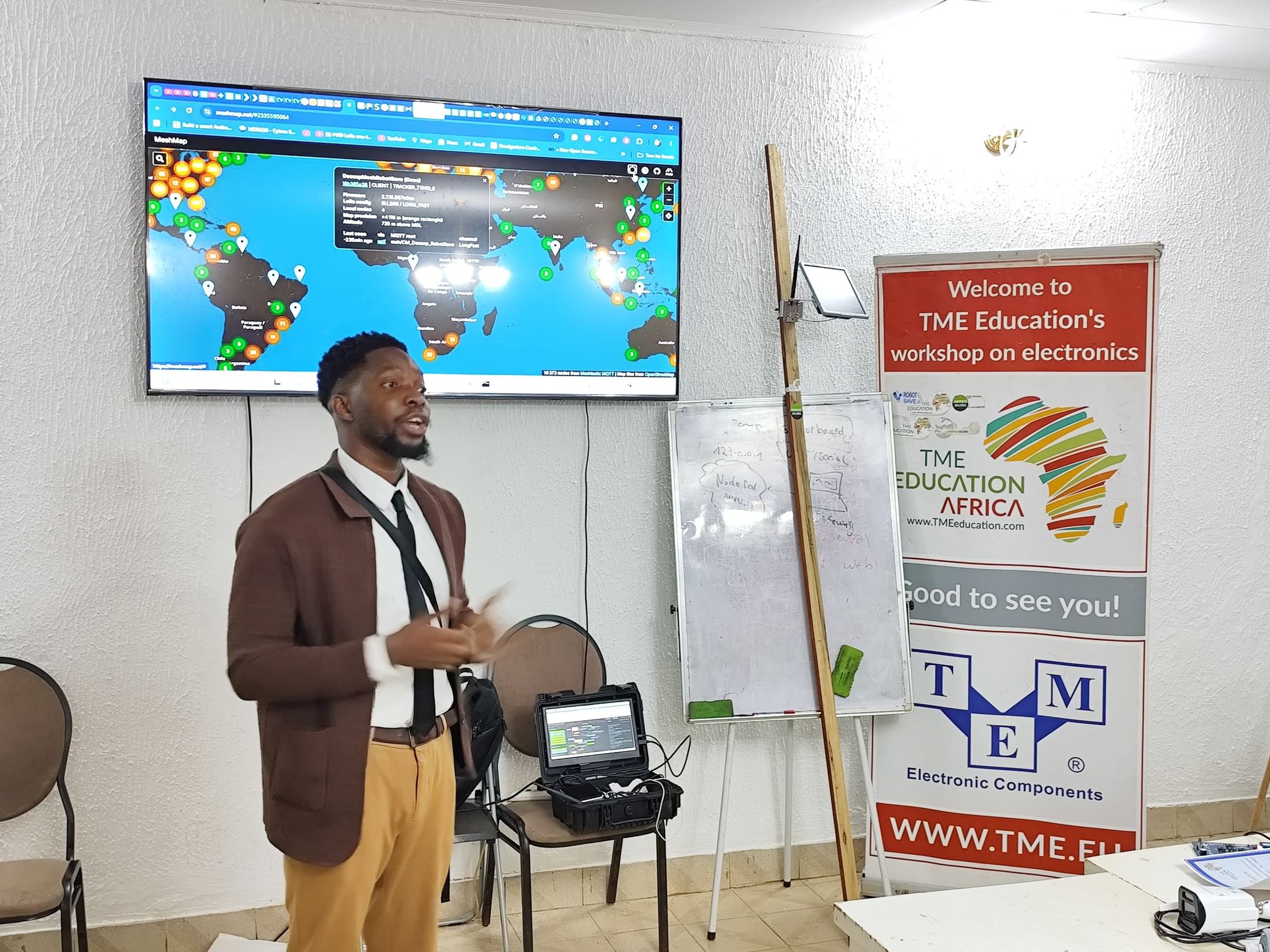
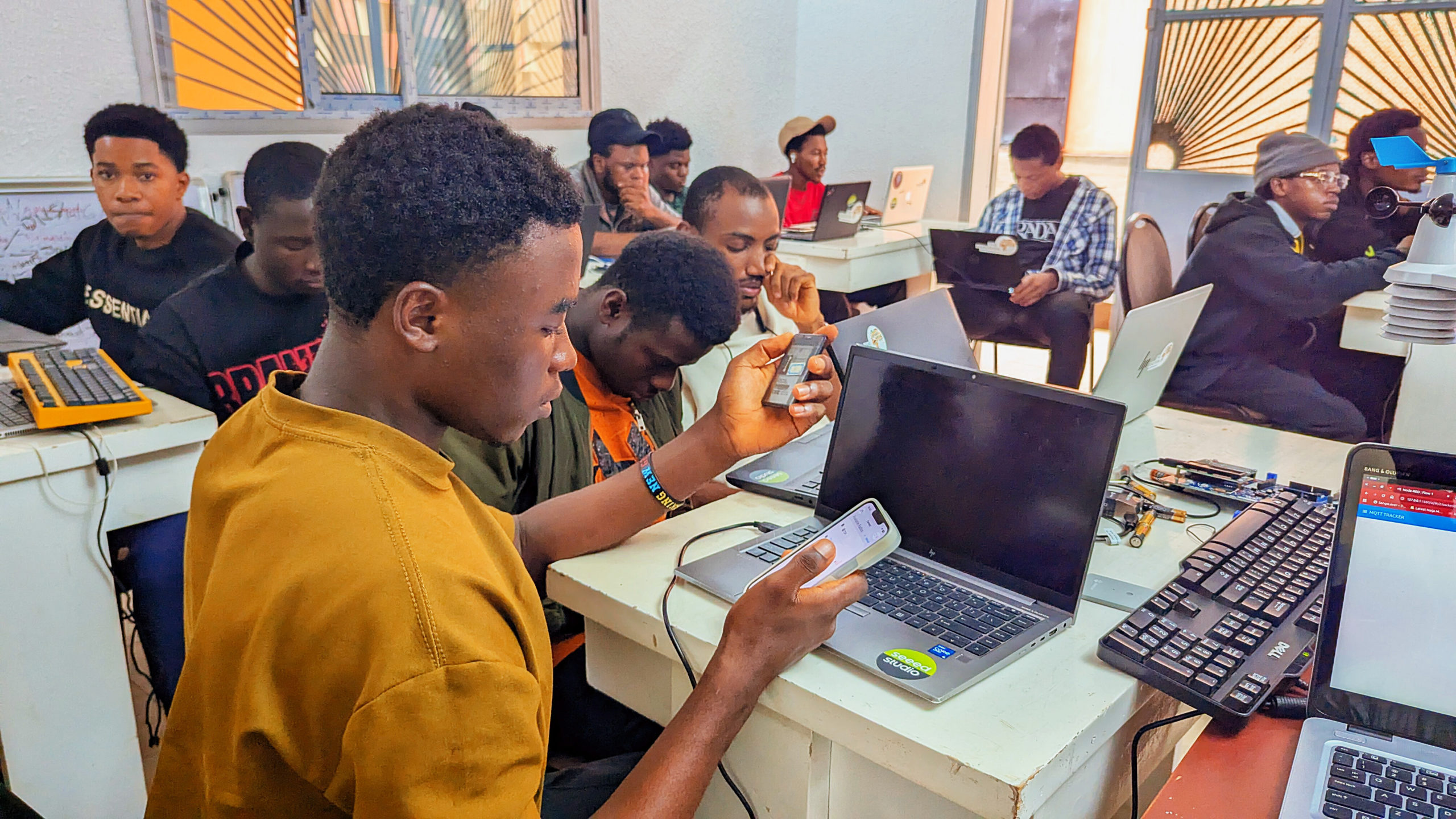
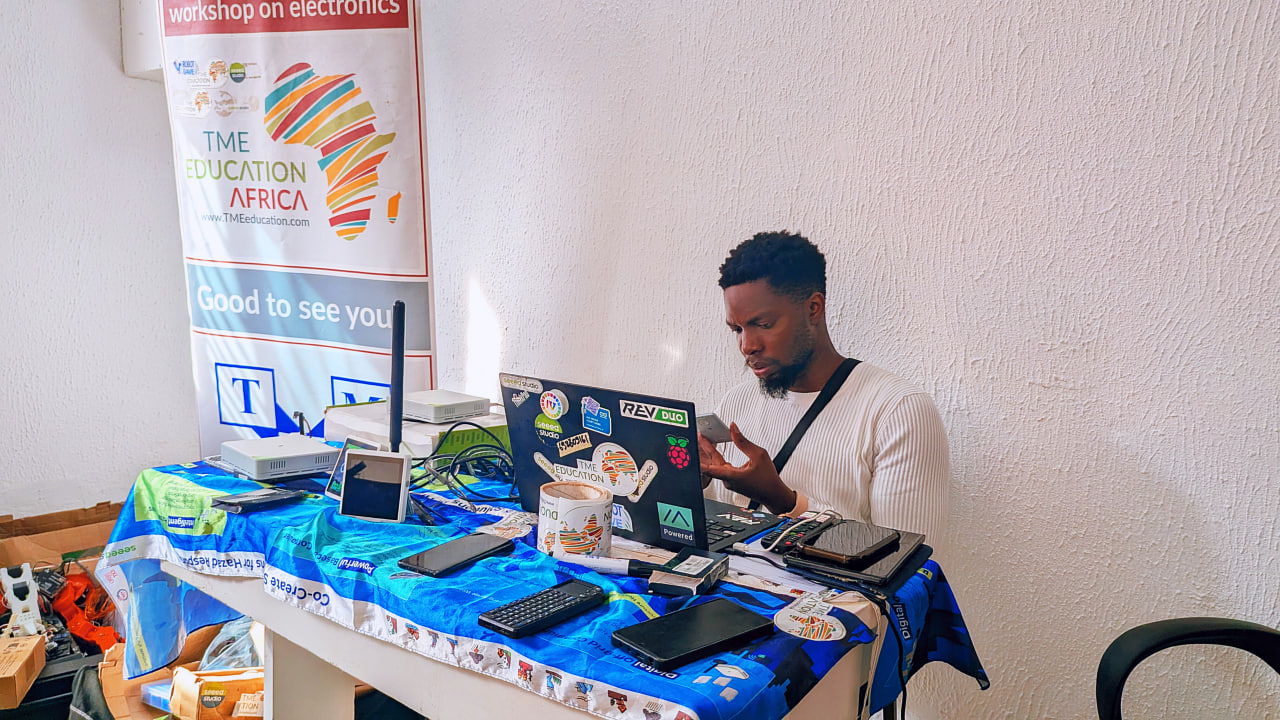
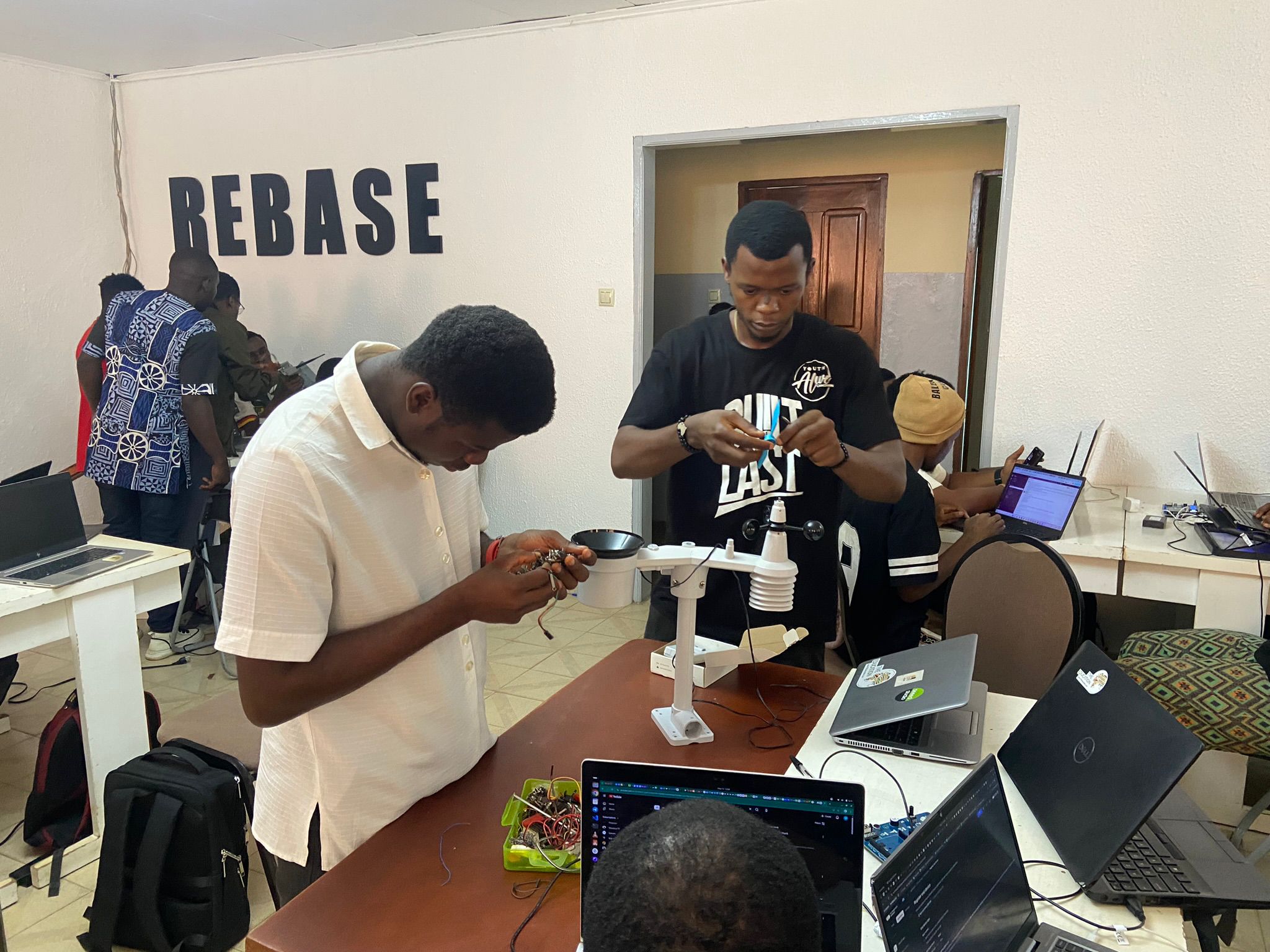
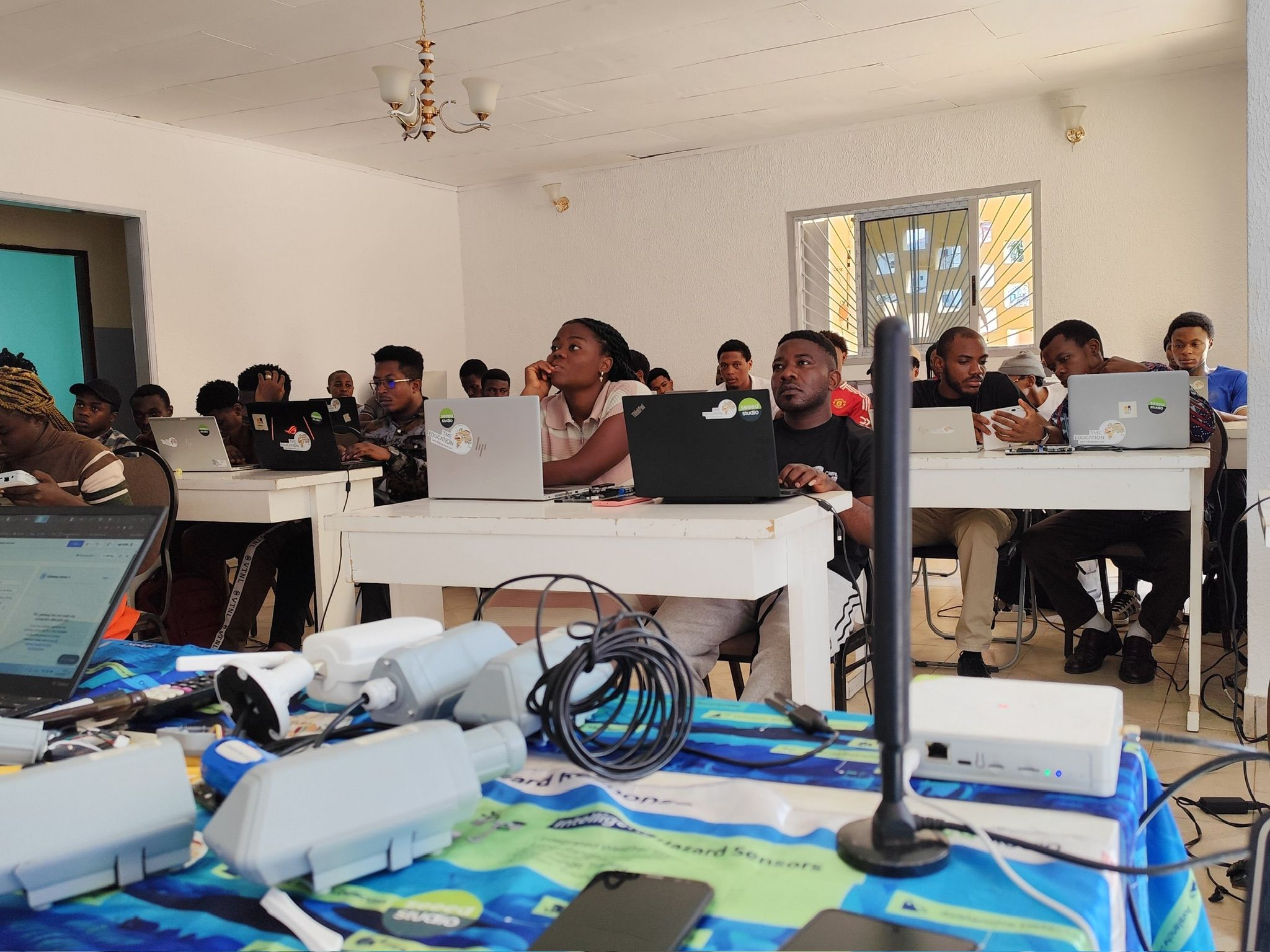
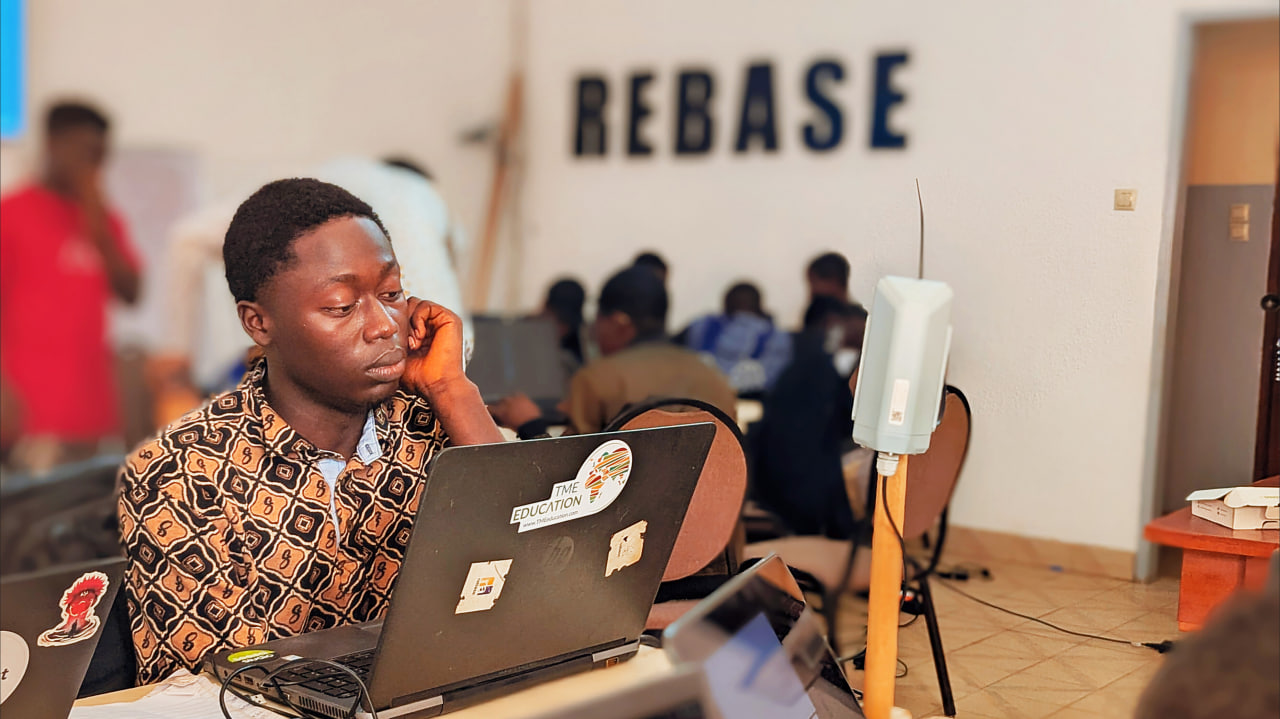
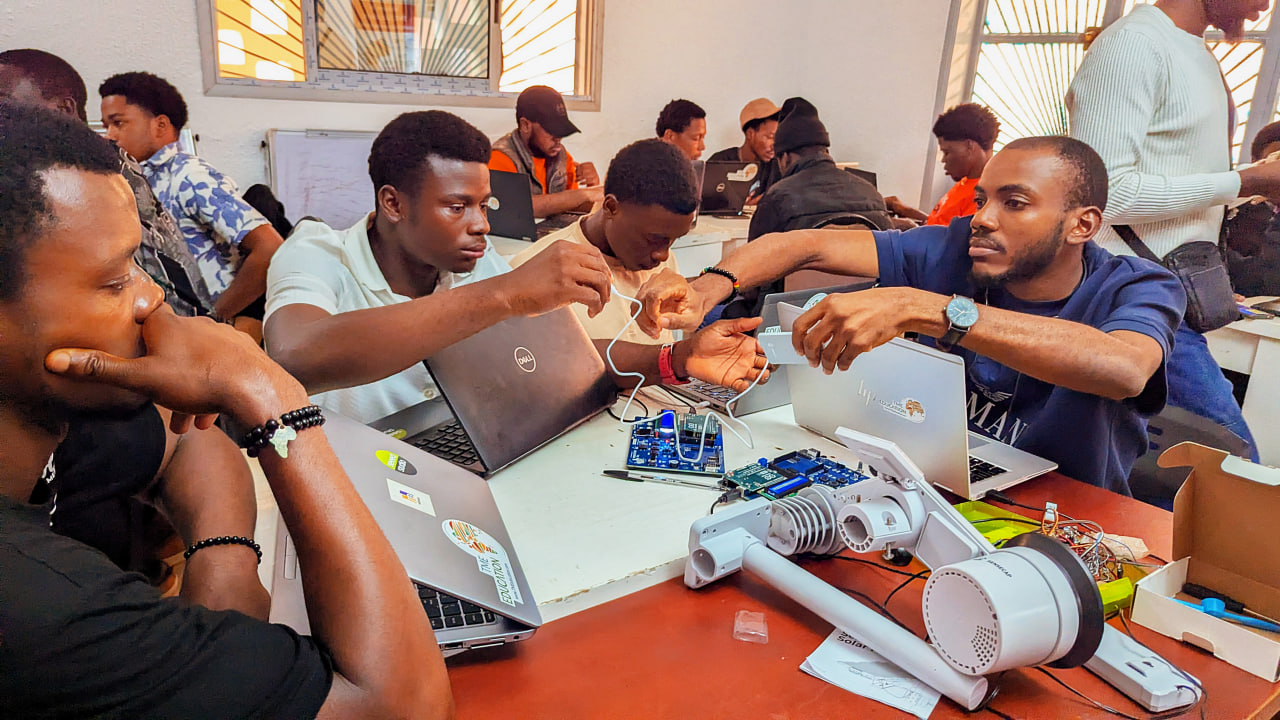
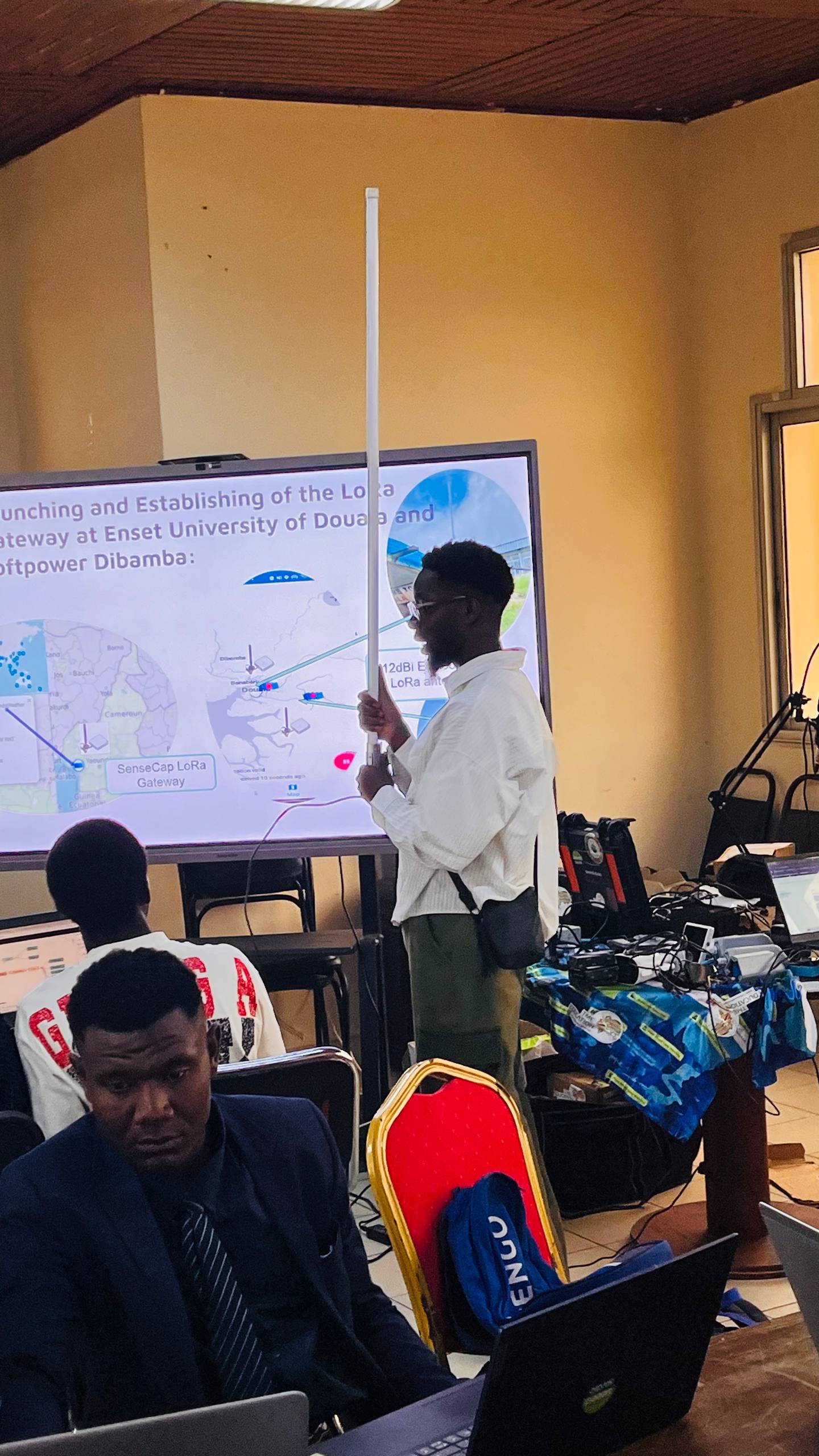
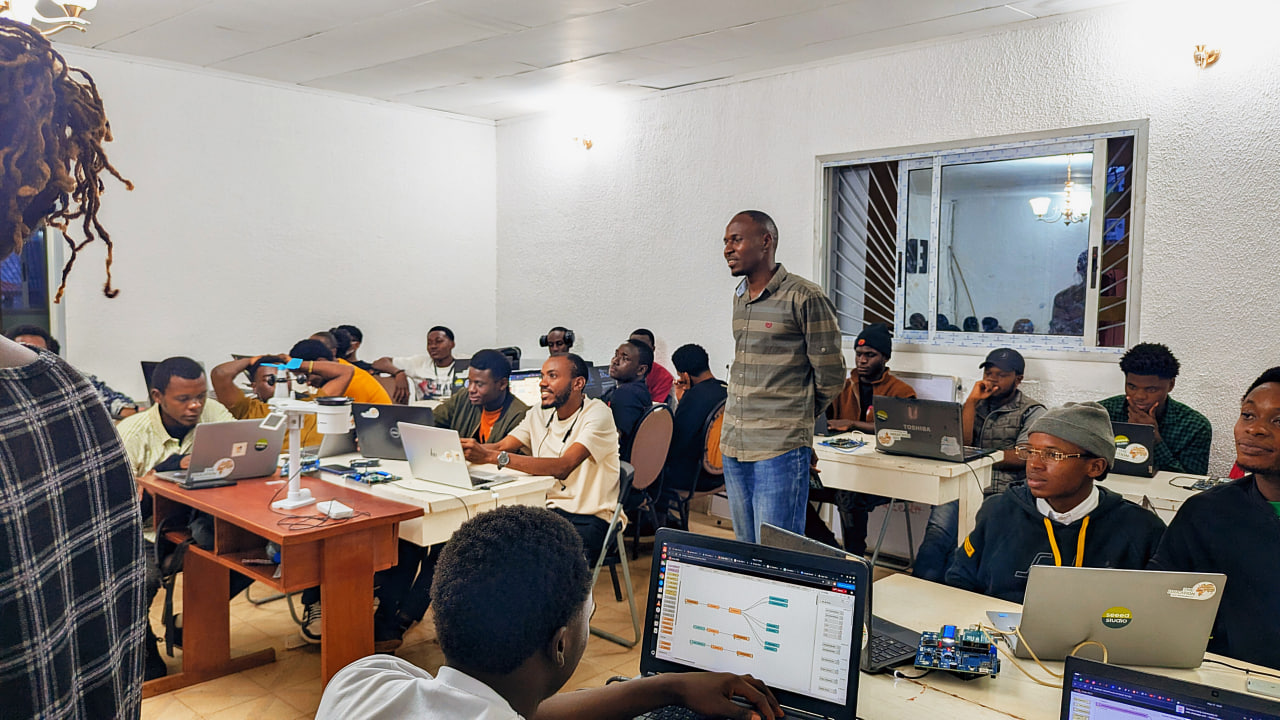
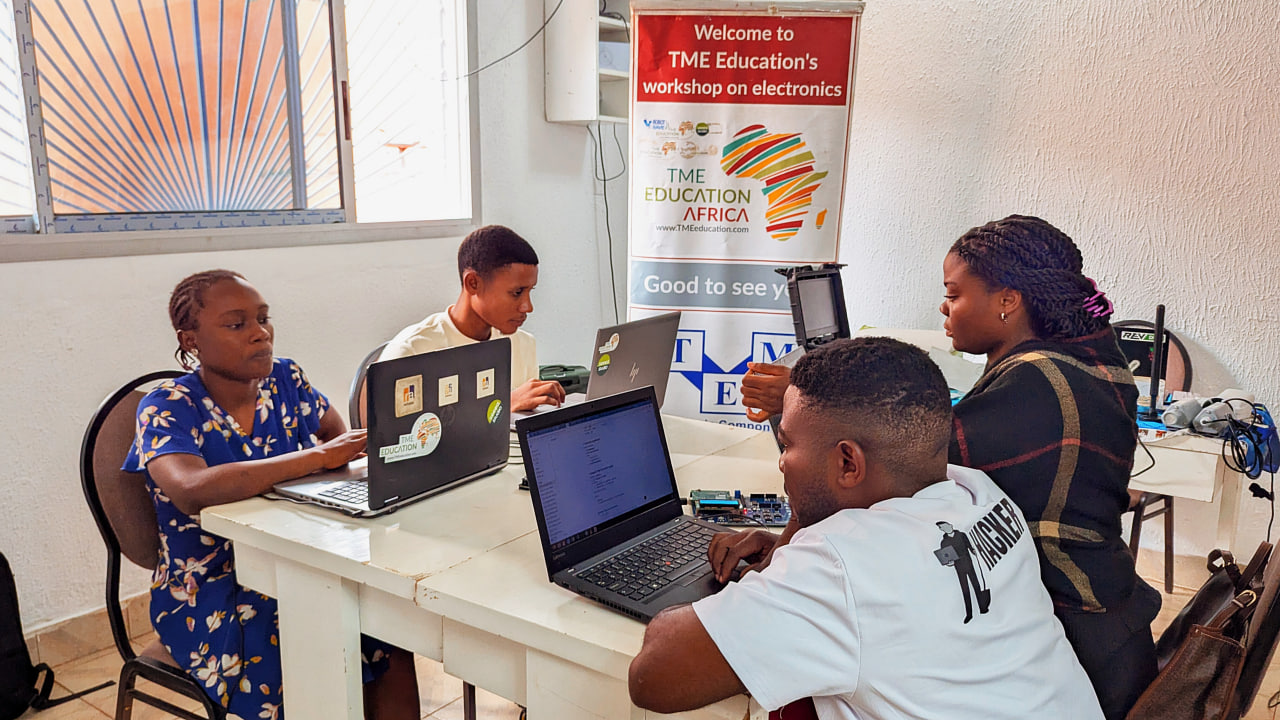
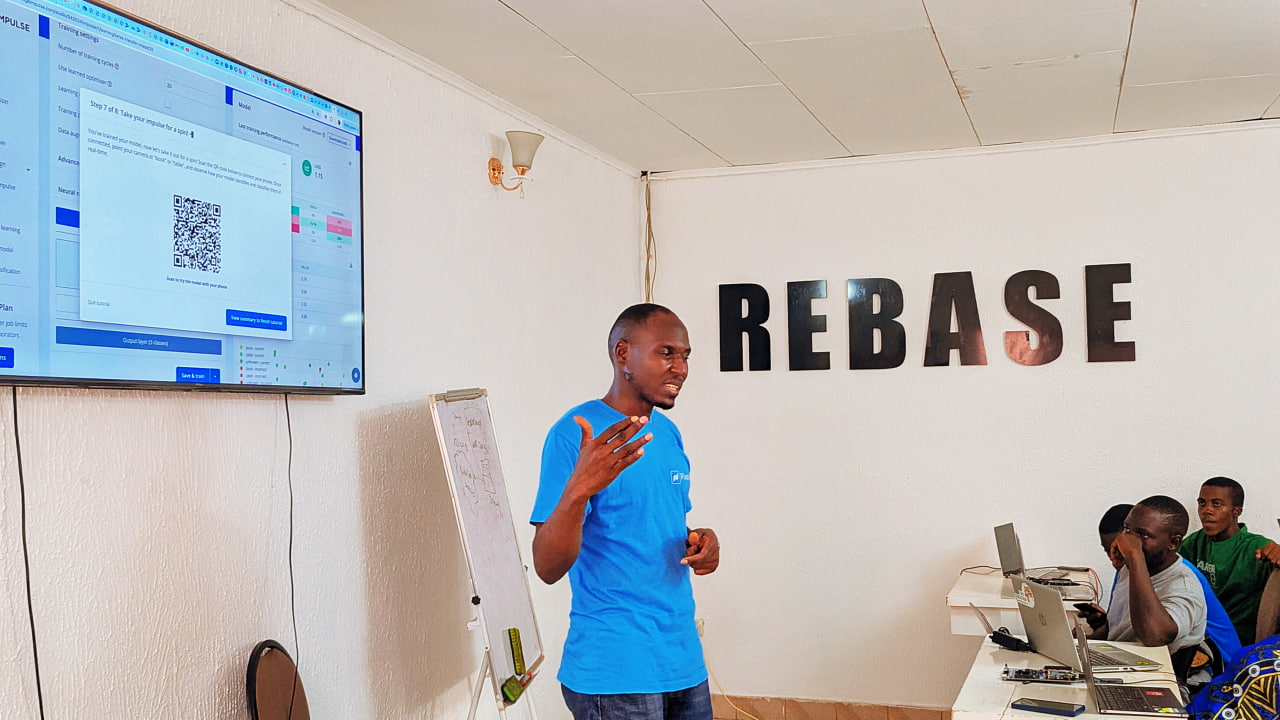
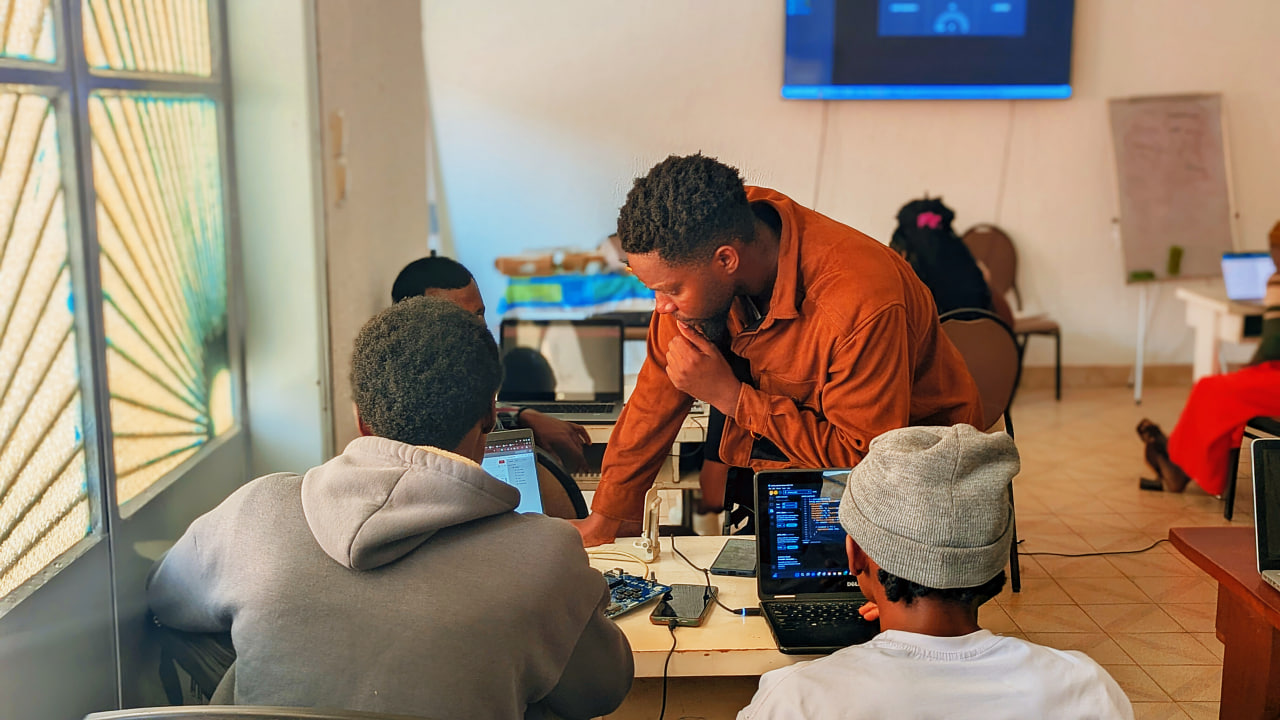
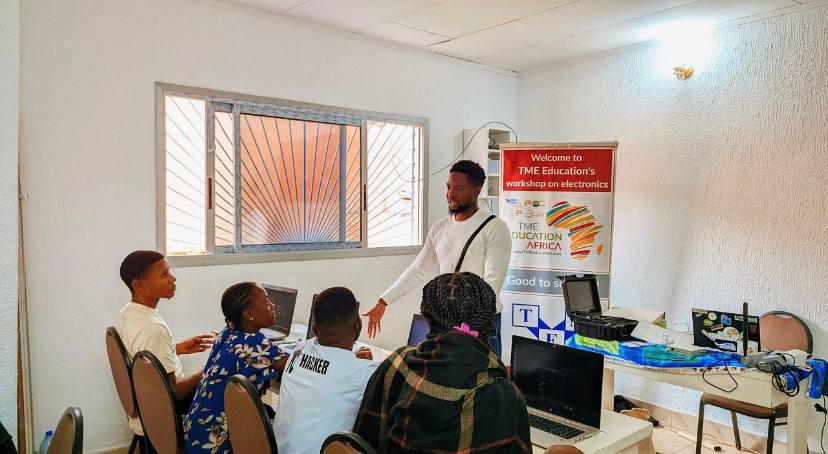
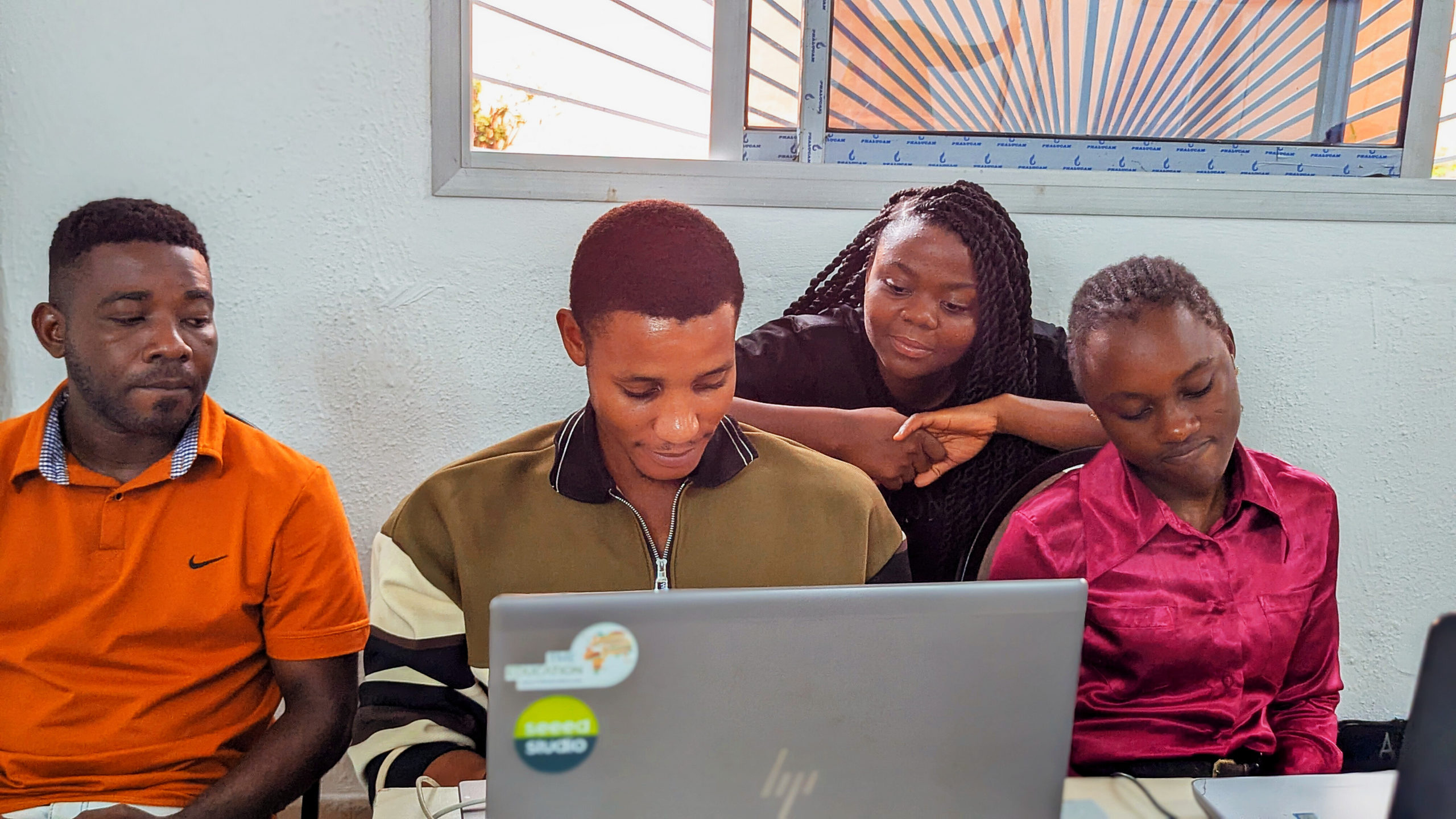
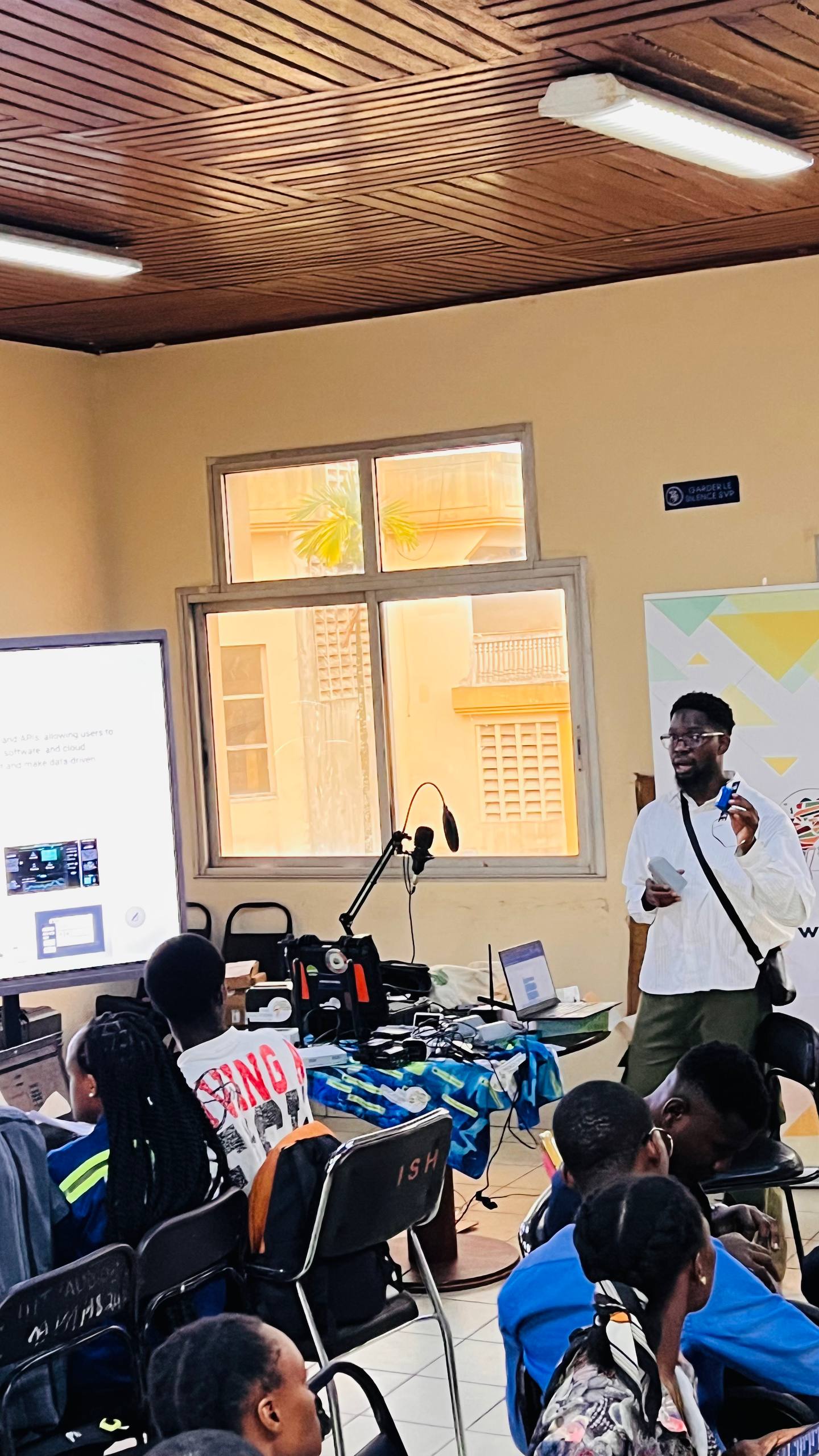
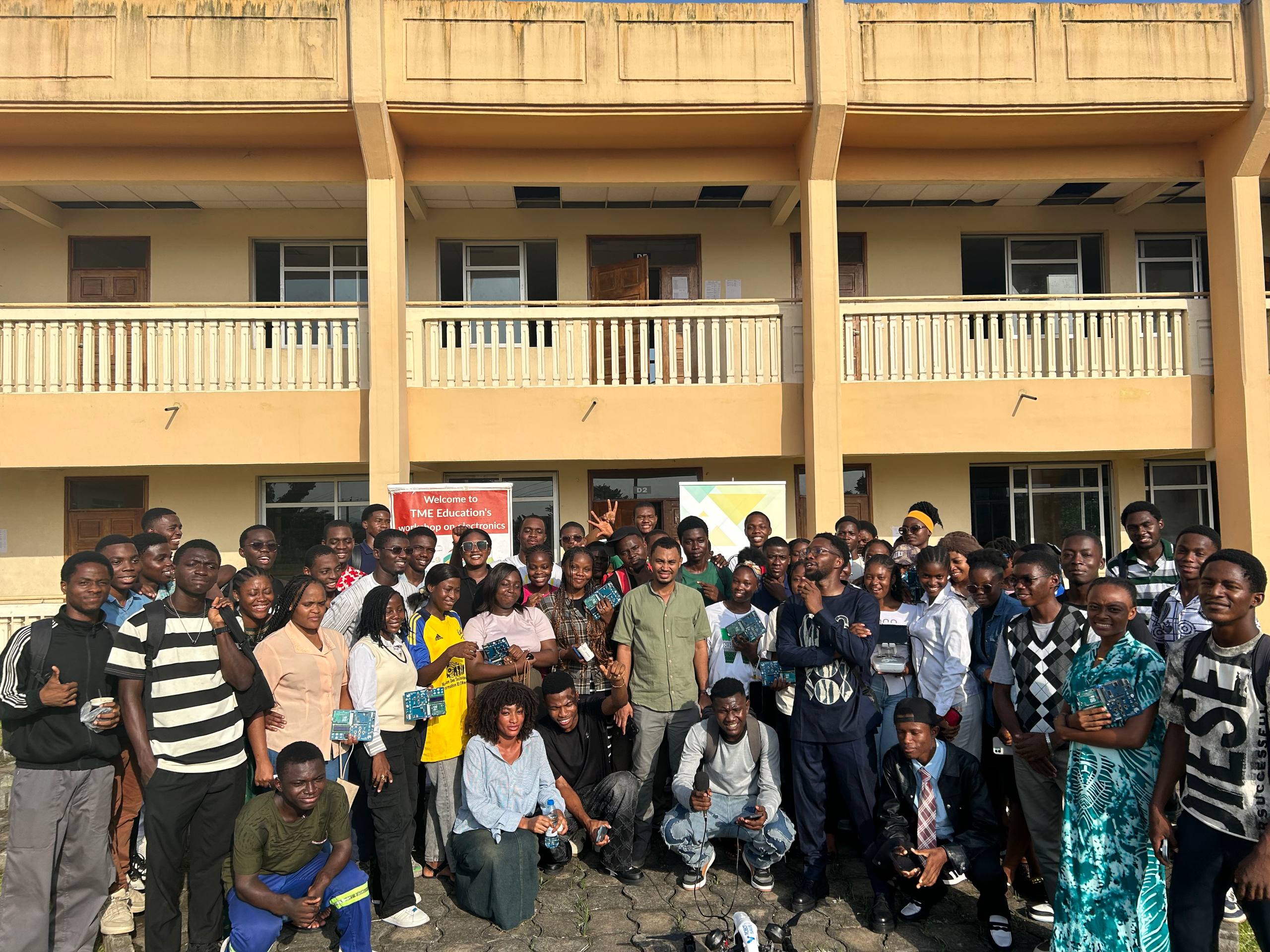
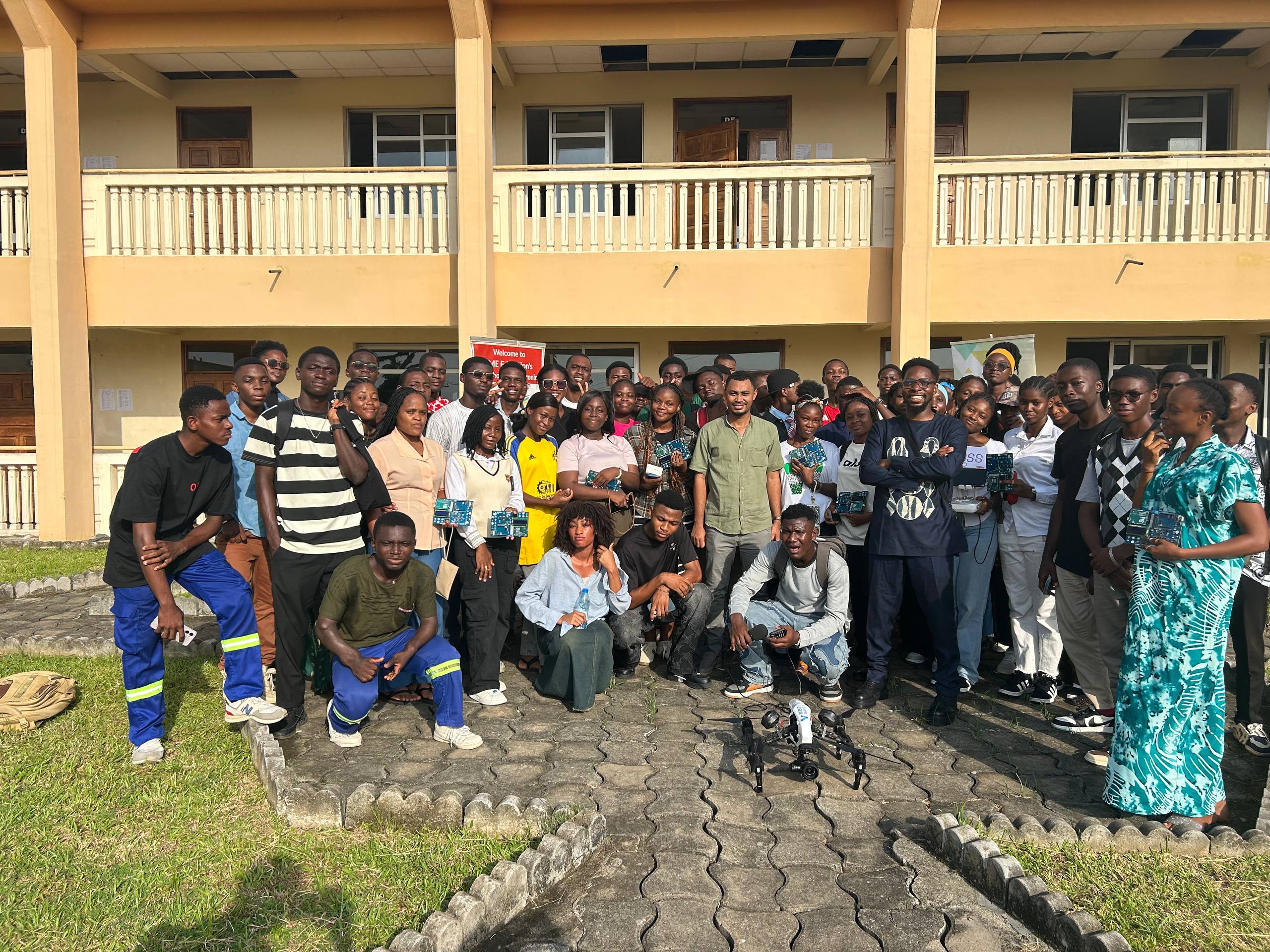
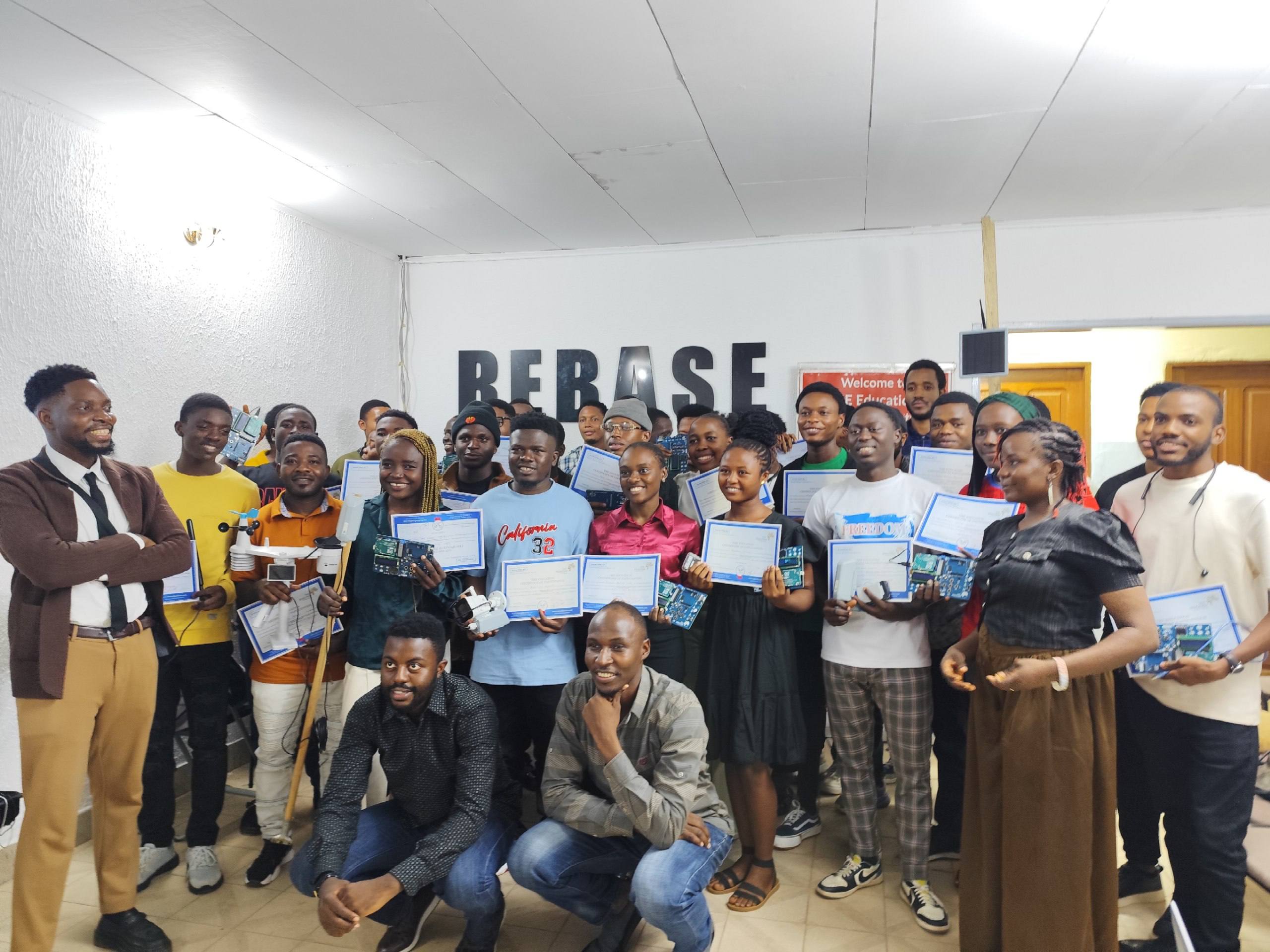
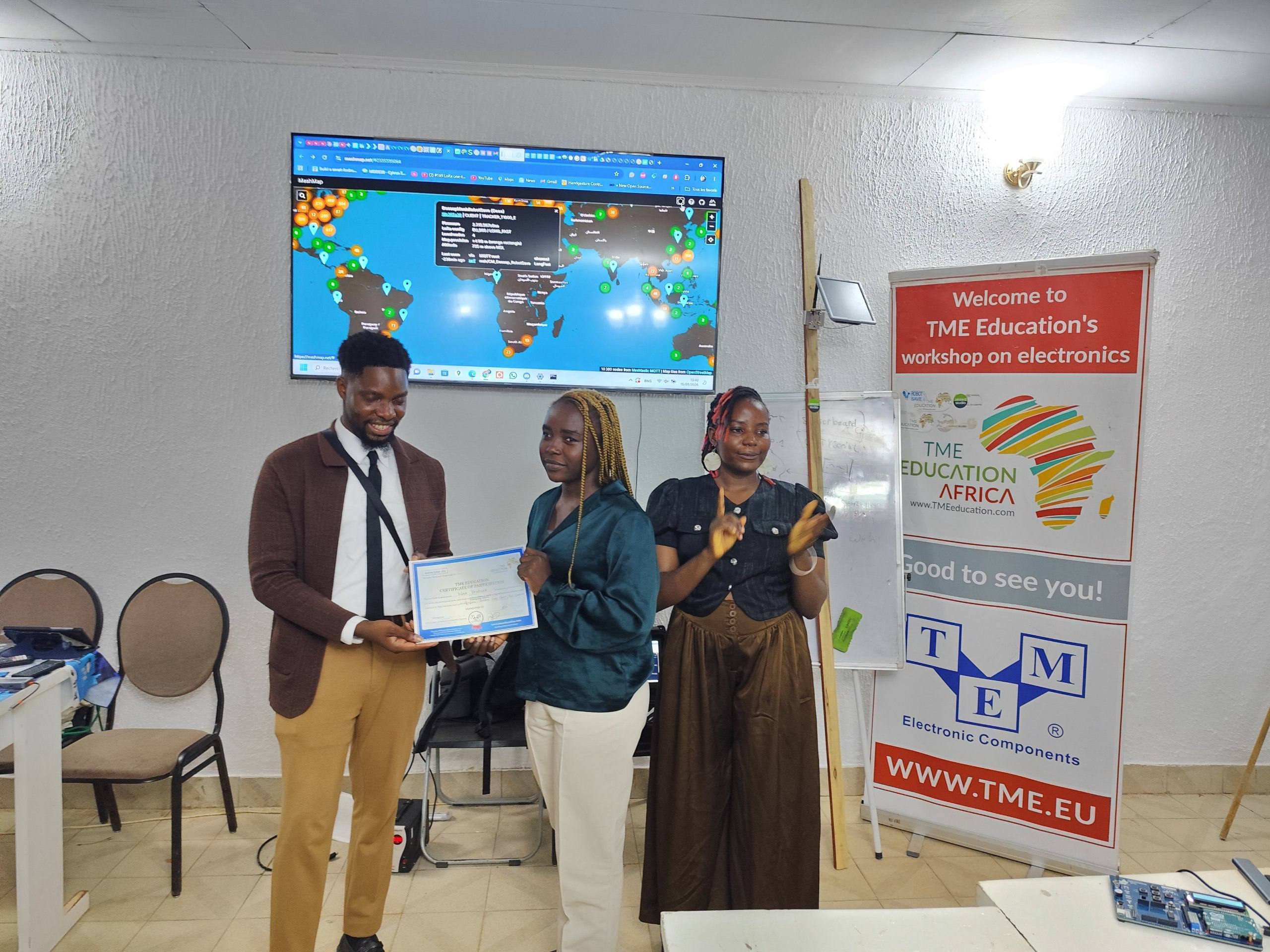
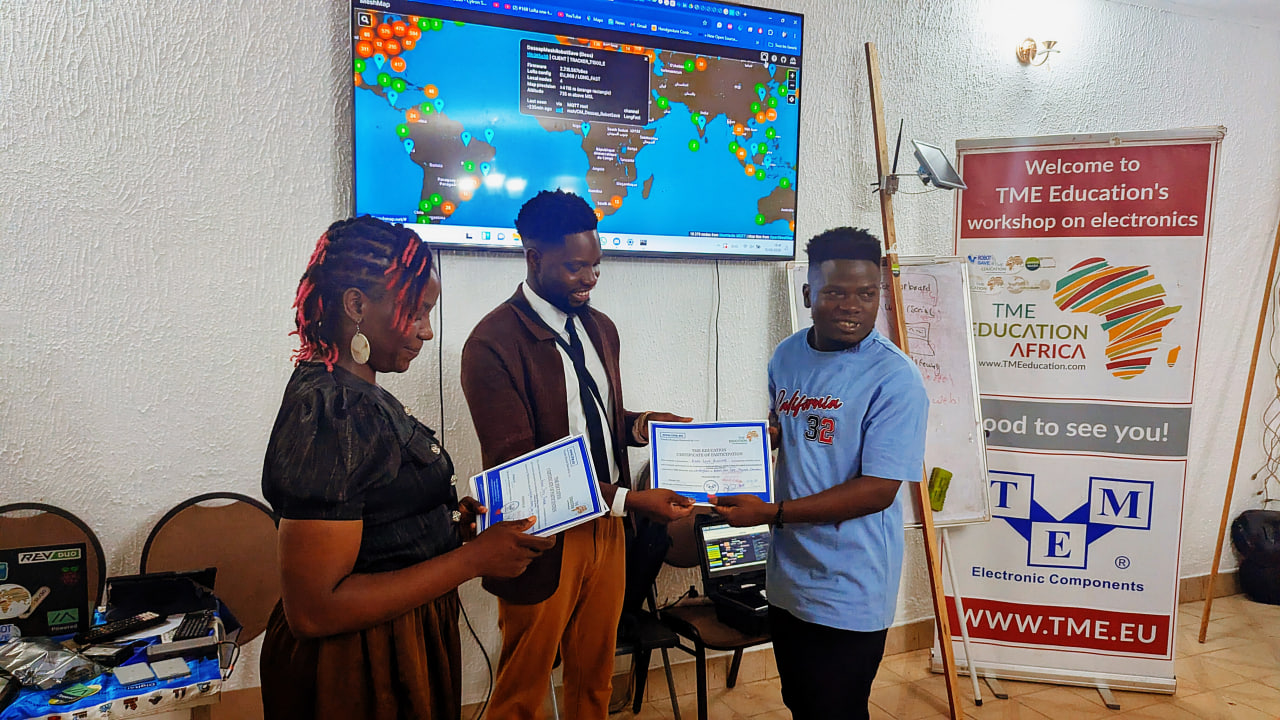
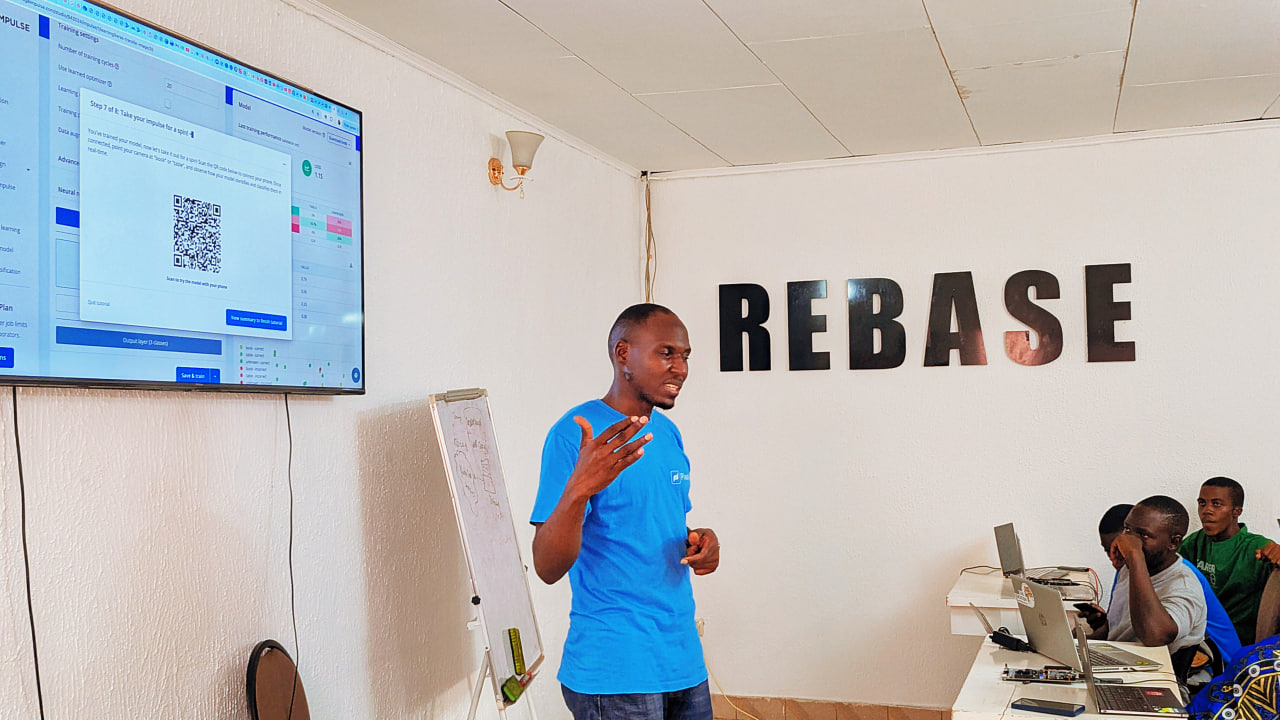
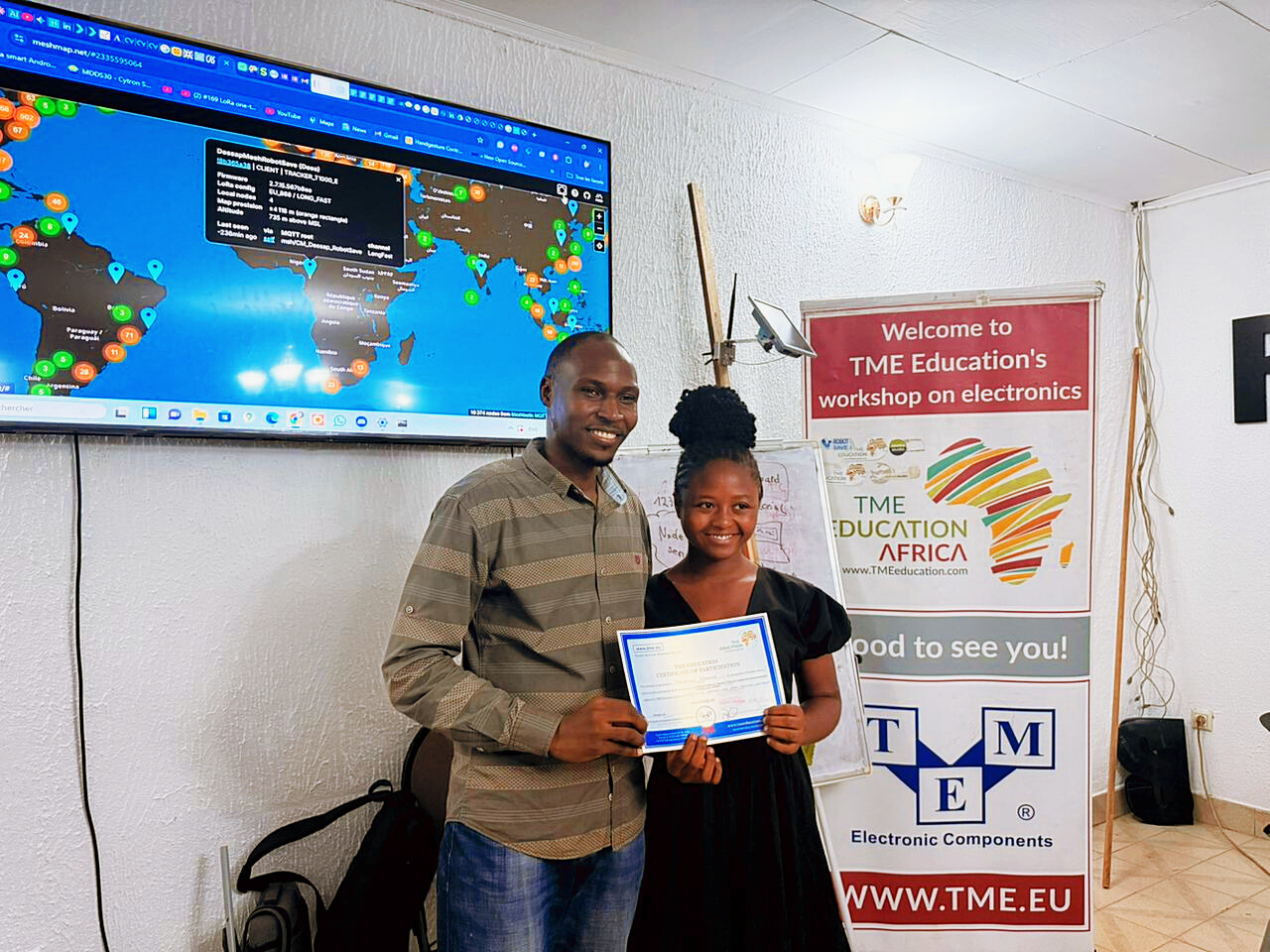
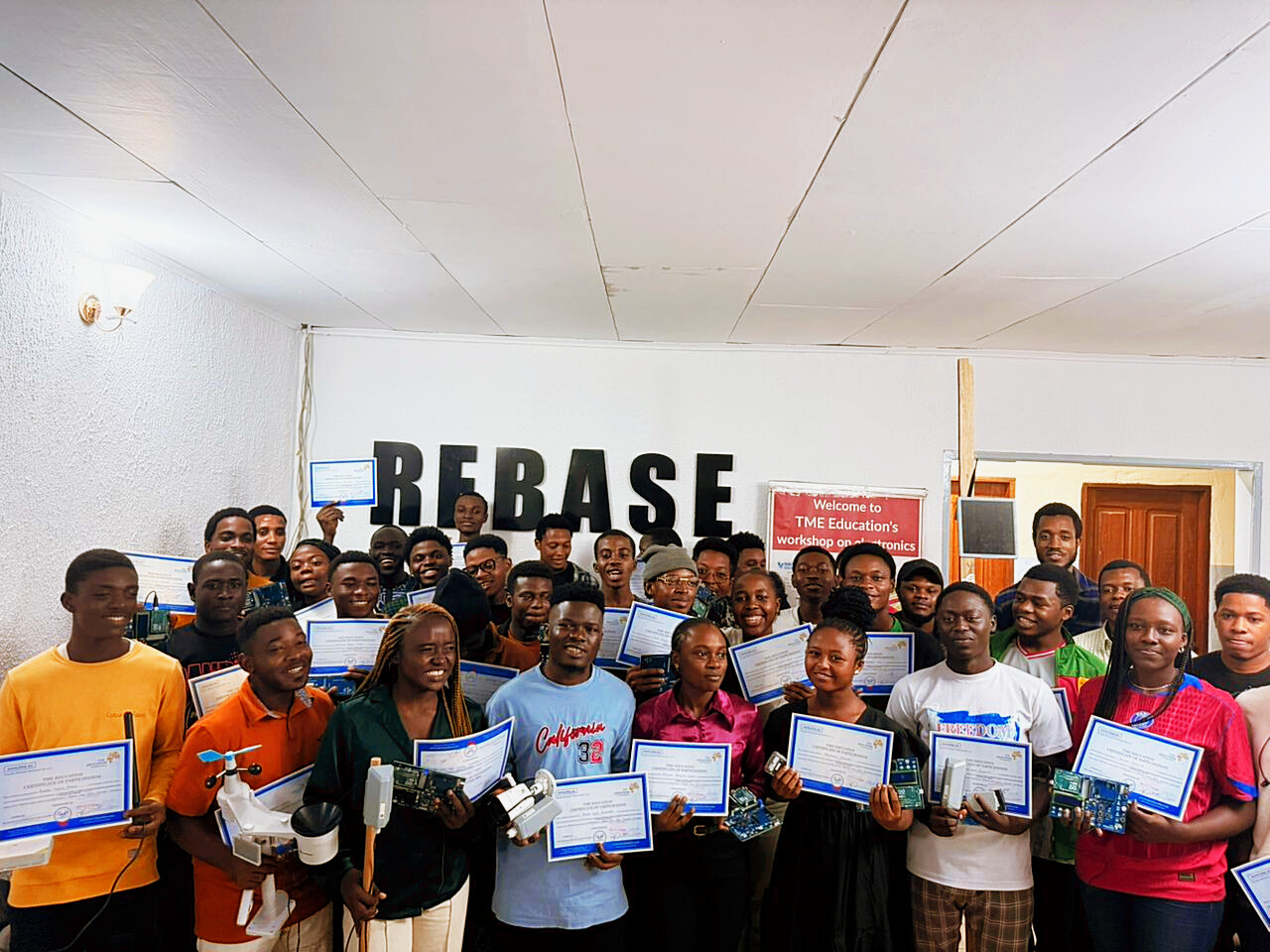
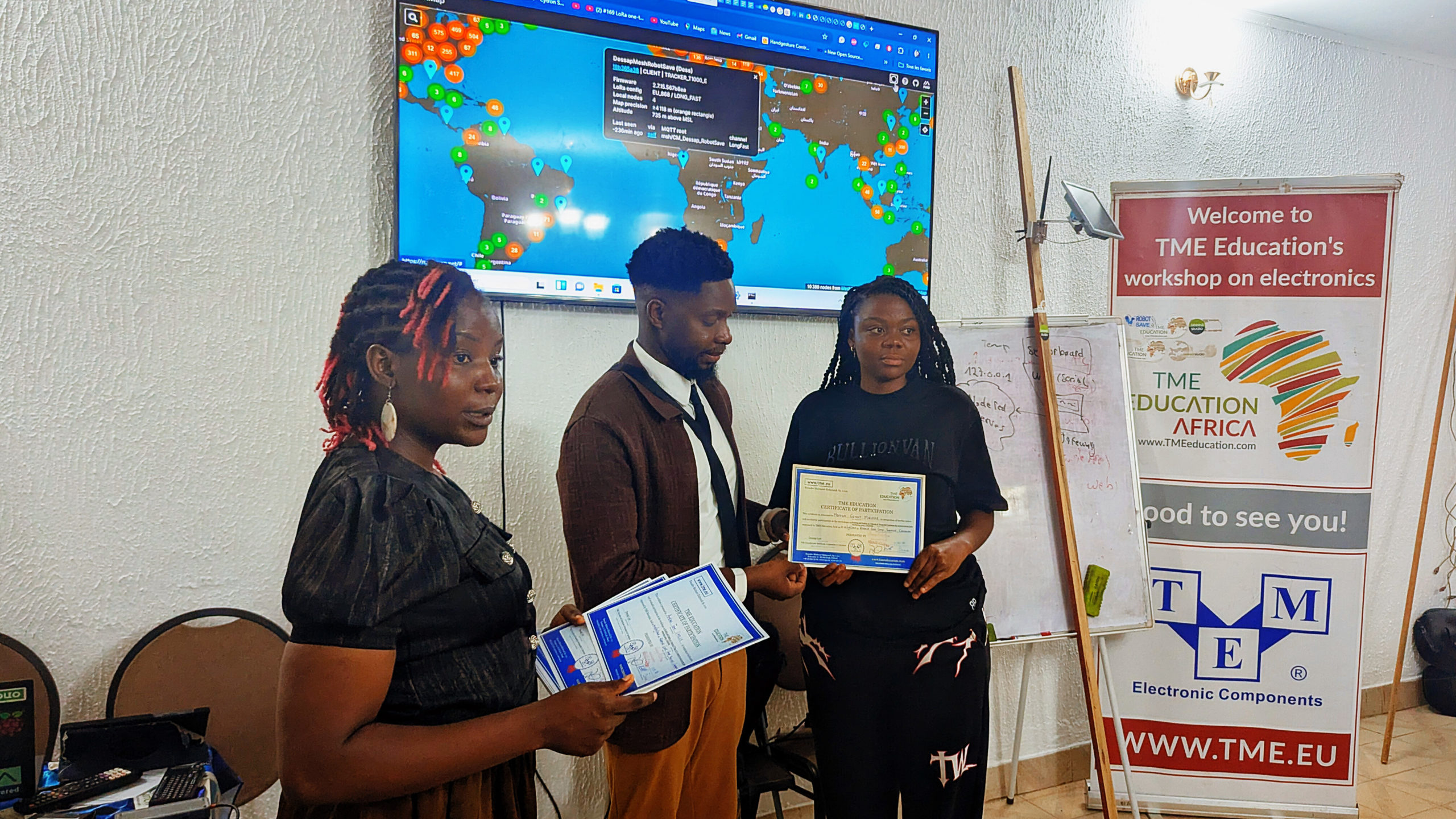
By Dessap Loic 4 months agoLast month, in May 2026, marked an exciting milestone for the IoT community in Cameroon as we successfully organised intensive IoT-based LoRa and Meshtastic Sensor Networking Workshops and a 24-hour Hackathon at Rebase Code camp in Yaoundé and the IUT_University of Douala.
Deploying an Off-Grid LoRa Meshtastic Network
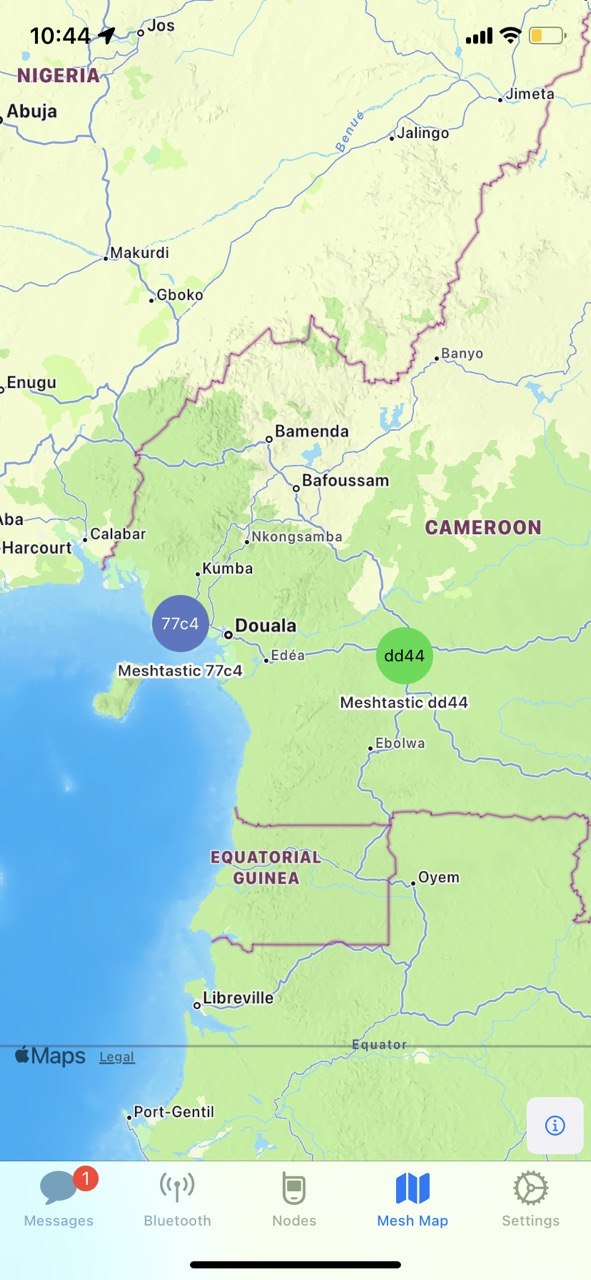
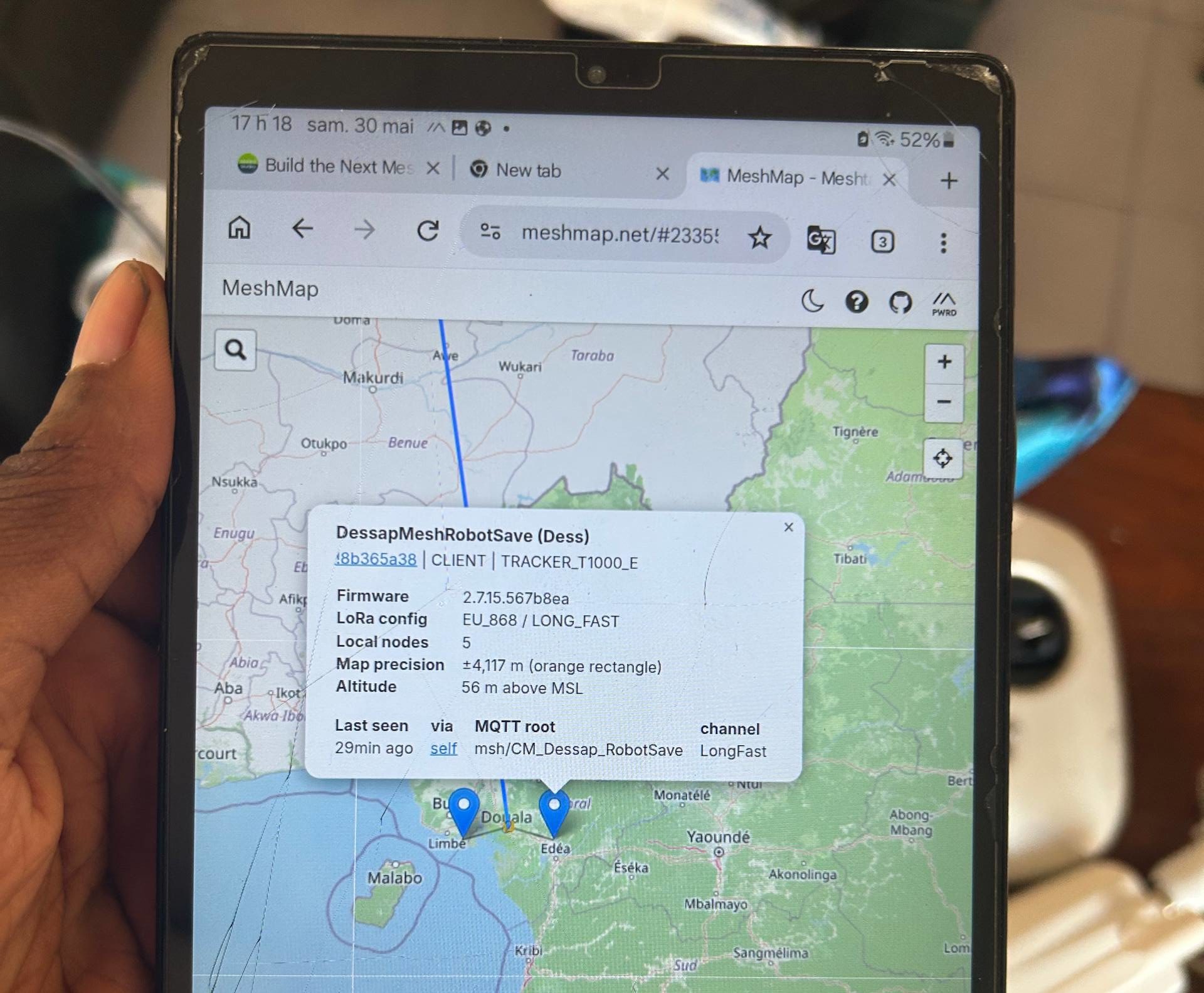
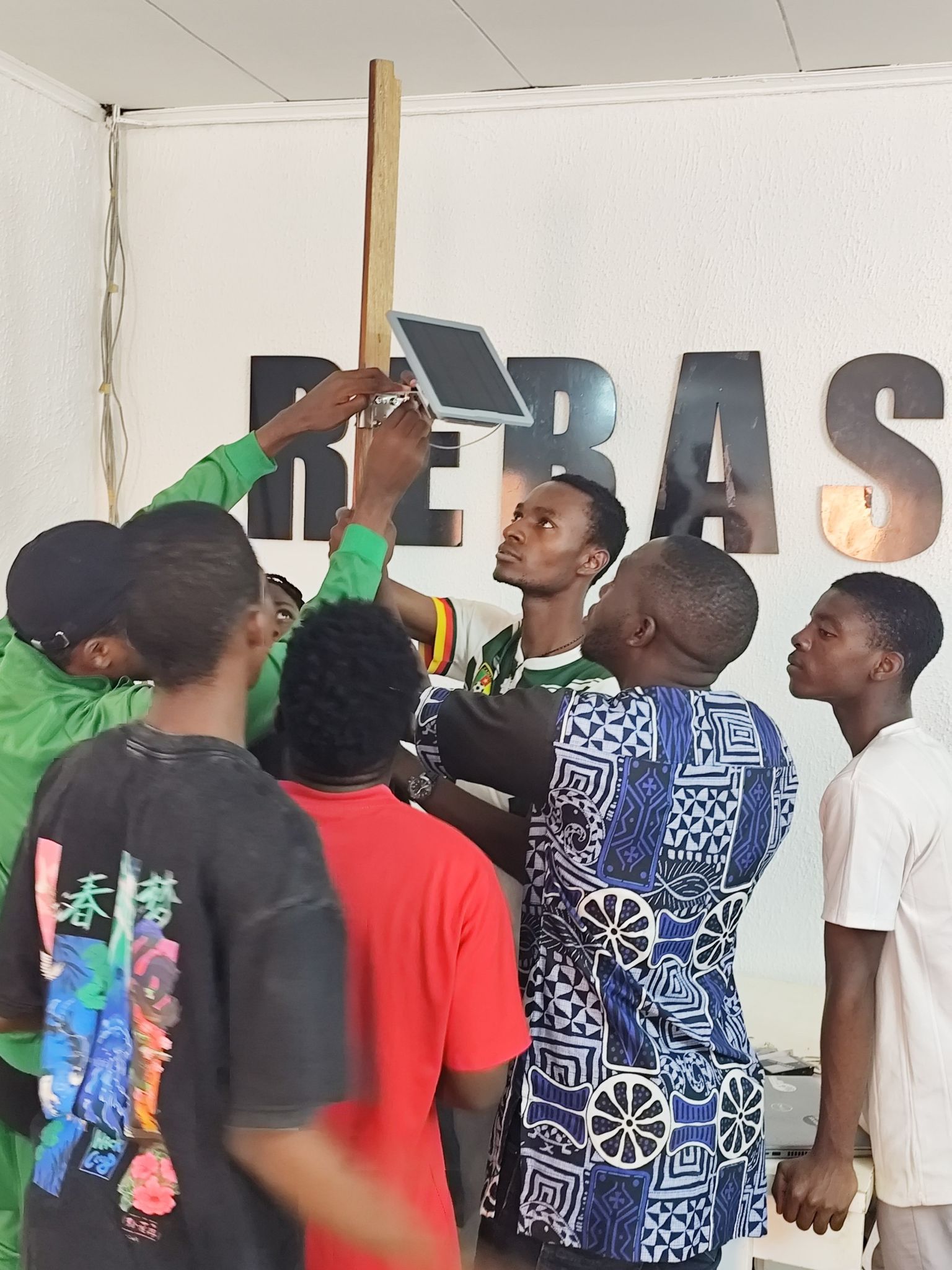
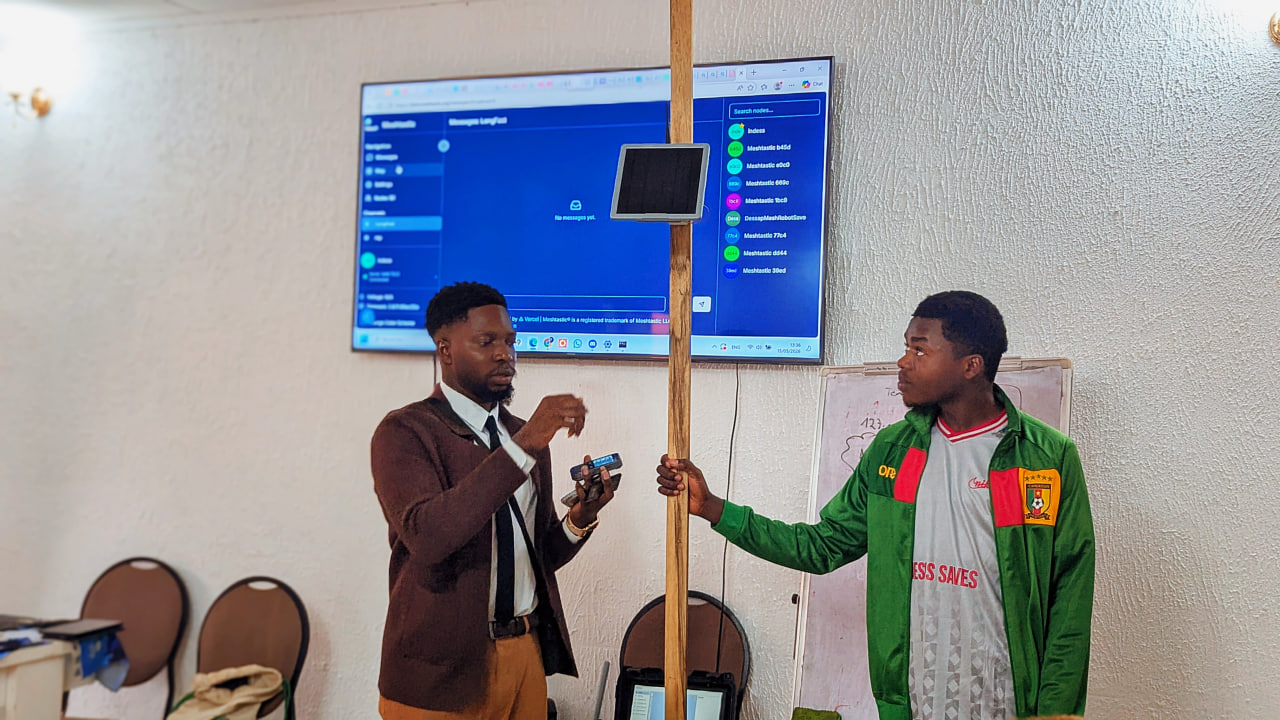
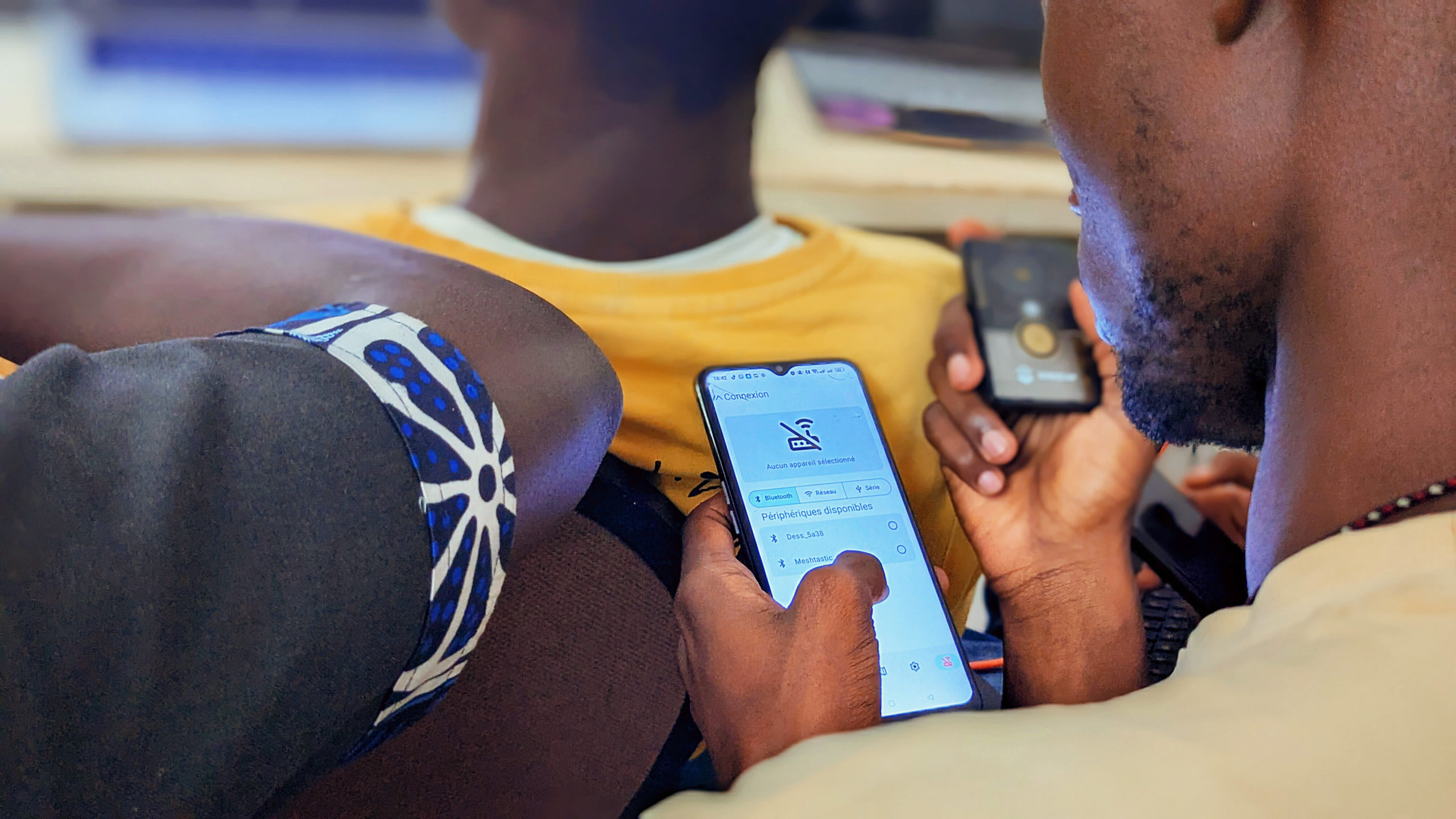
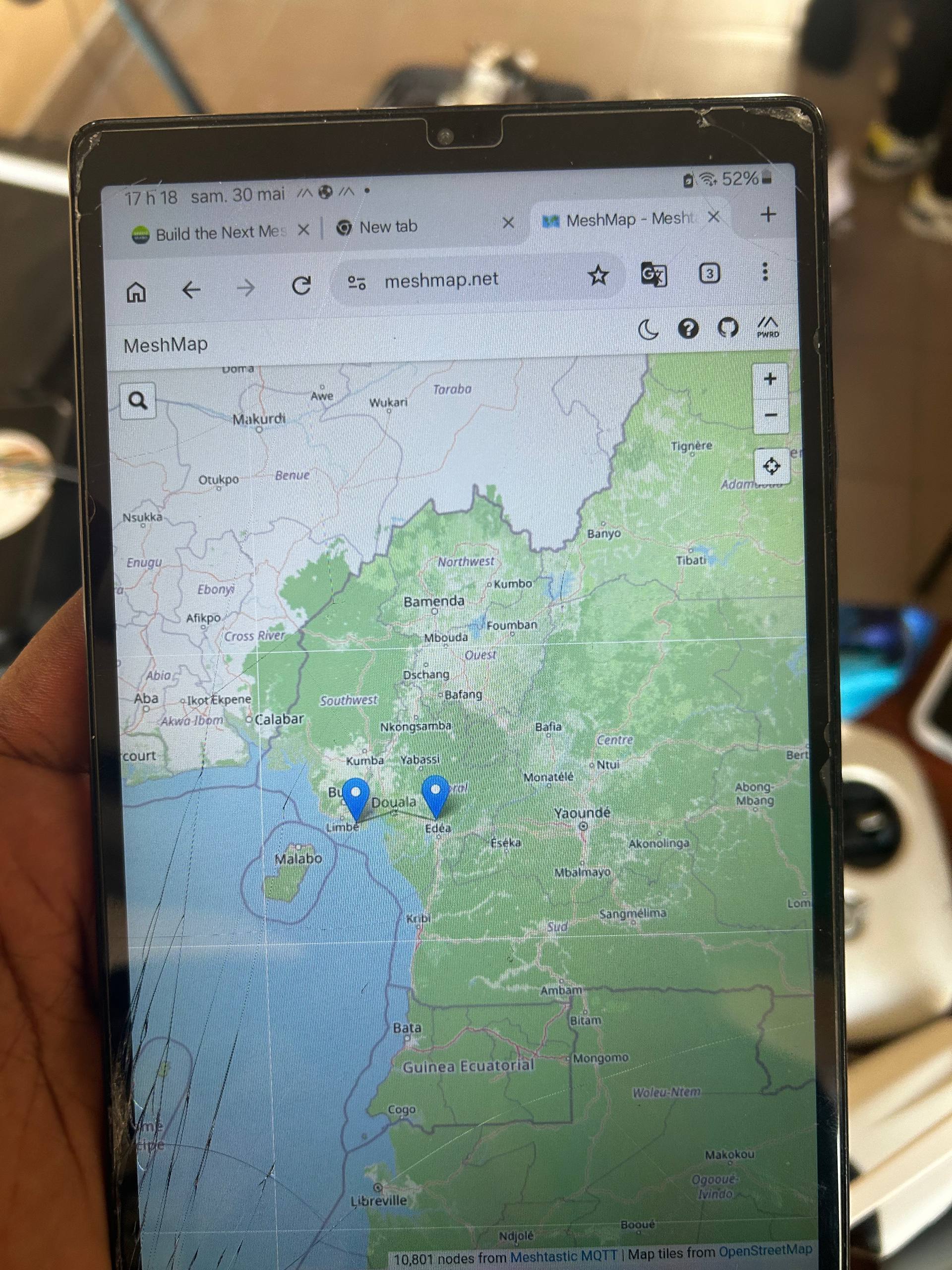
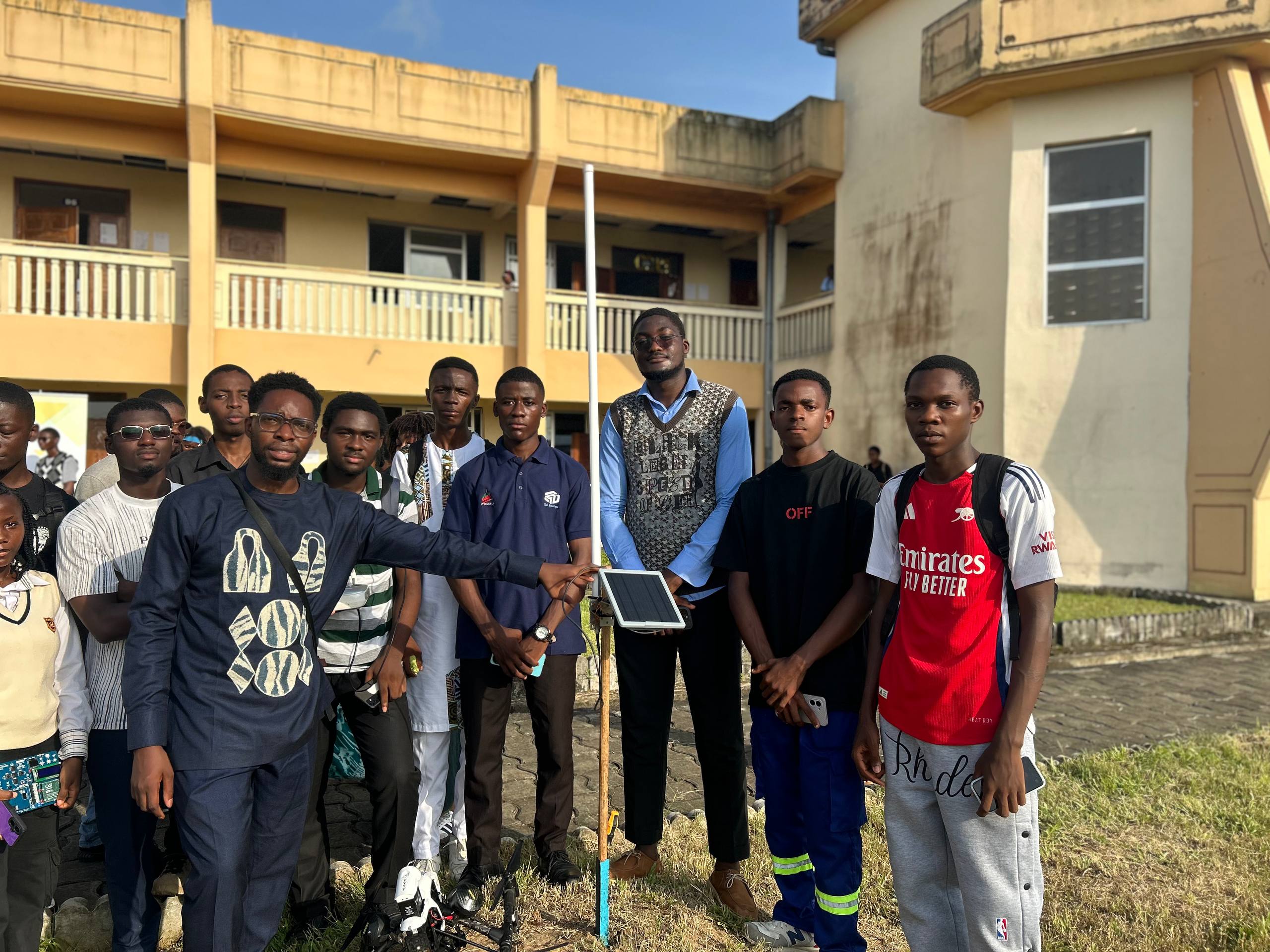
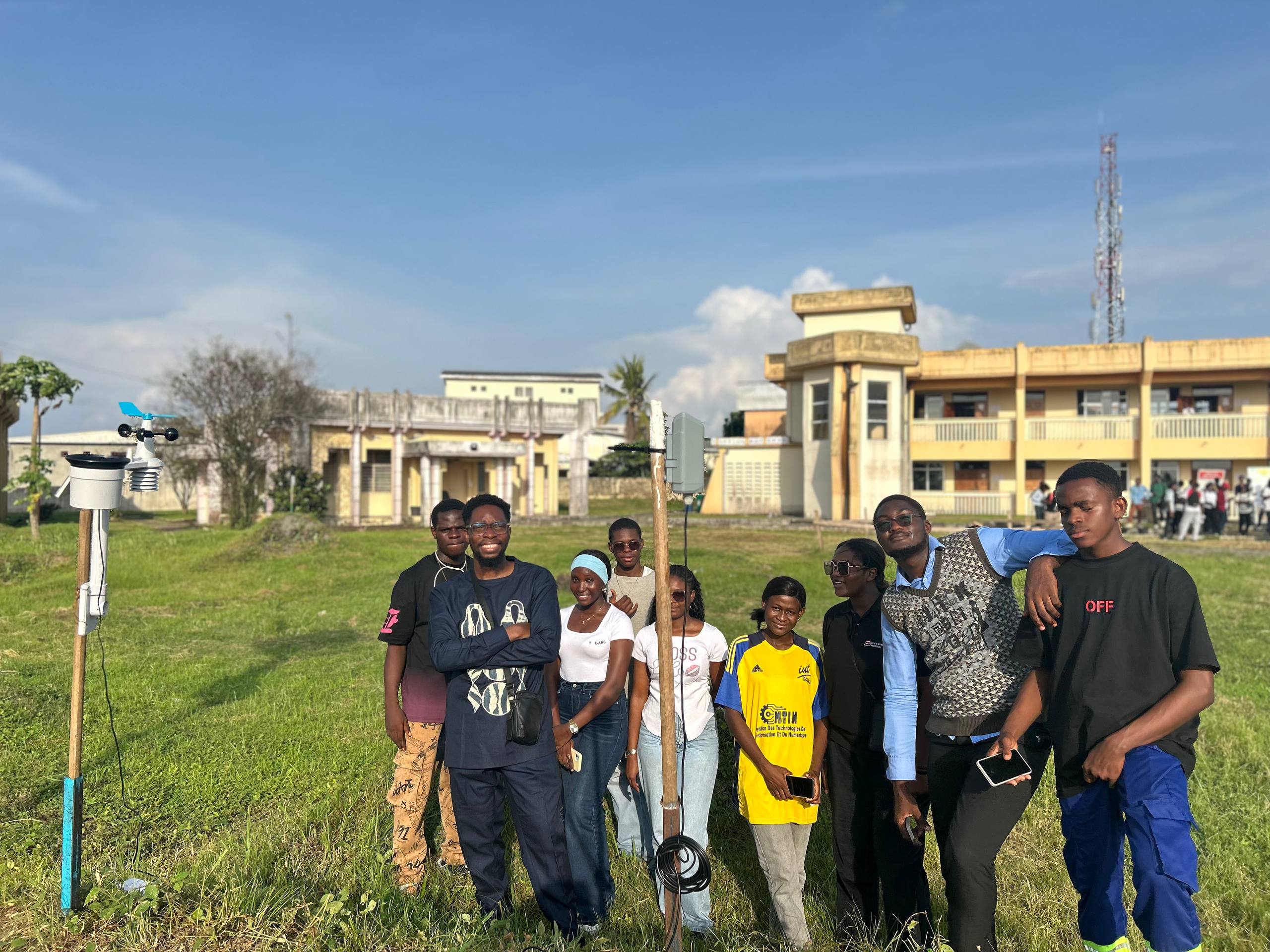
One of the highlights of the workshop was the successful deployment of our first off-grid LoRa Meshtastic Network.
The objective of these events was not only to introduce participants to emerging wireless communication technologies but also to demonstrate how these technologies can be leveraged to solve real-world challenges in agriculture, environmental monitoring, asset tracking, and rural connectivity.
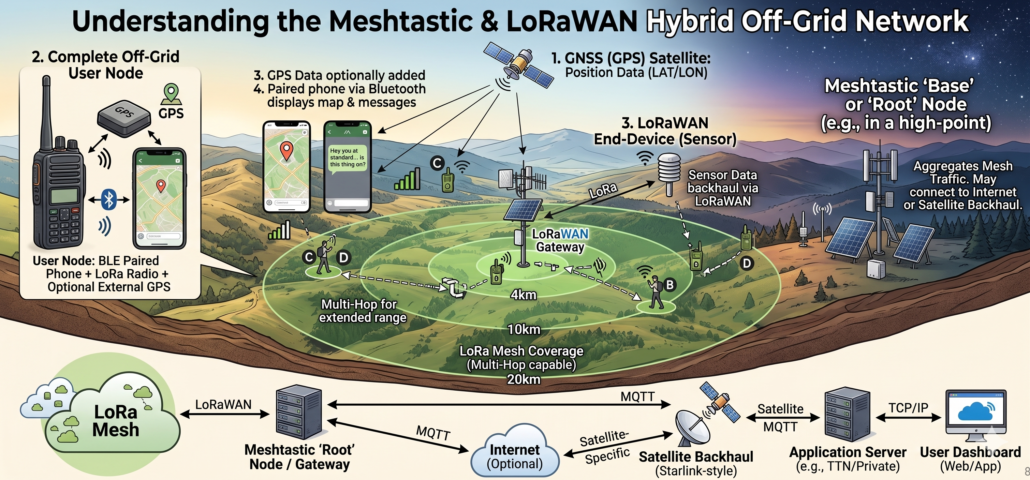
The project focused on a practical use case: enabling farmers in remote areas to communicate via messages and access sensor data over LoRaMesh without relying on mobile networks or internet connectivity.
We set up the First LoRa Mesh network in Cameroon called DessMeshRobotsave:
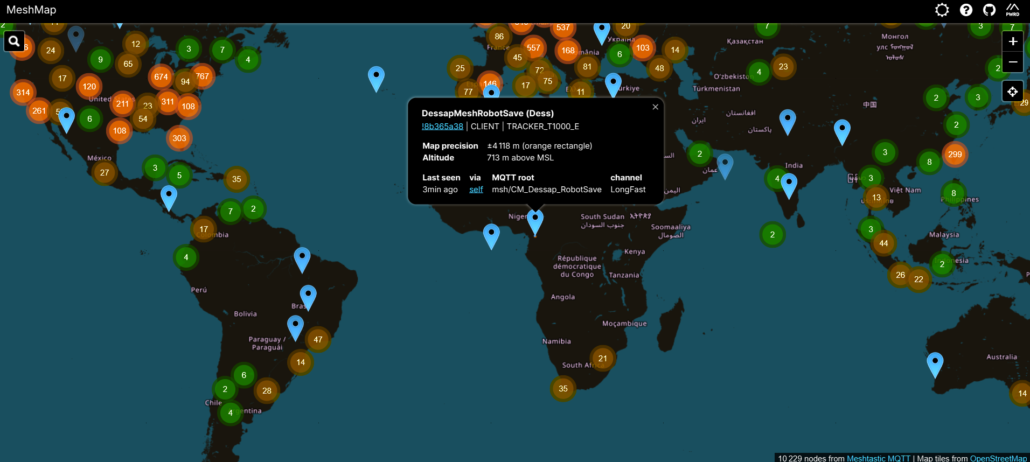
using:
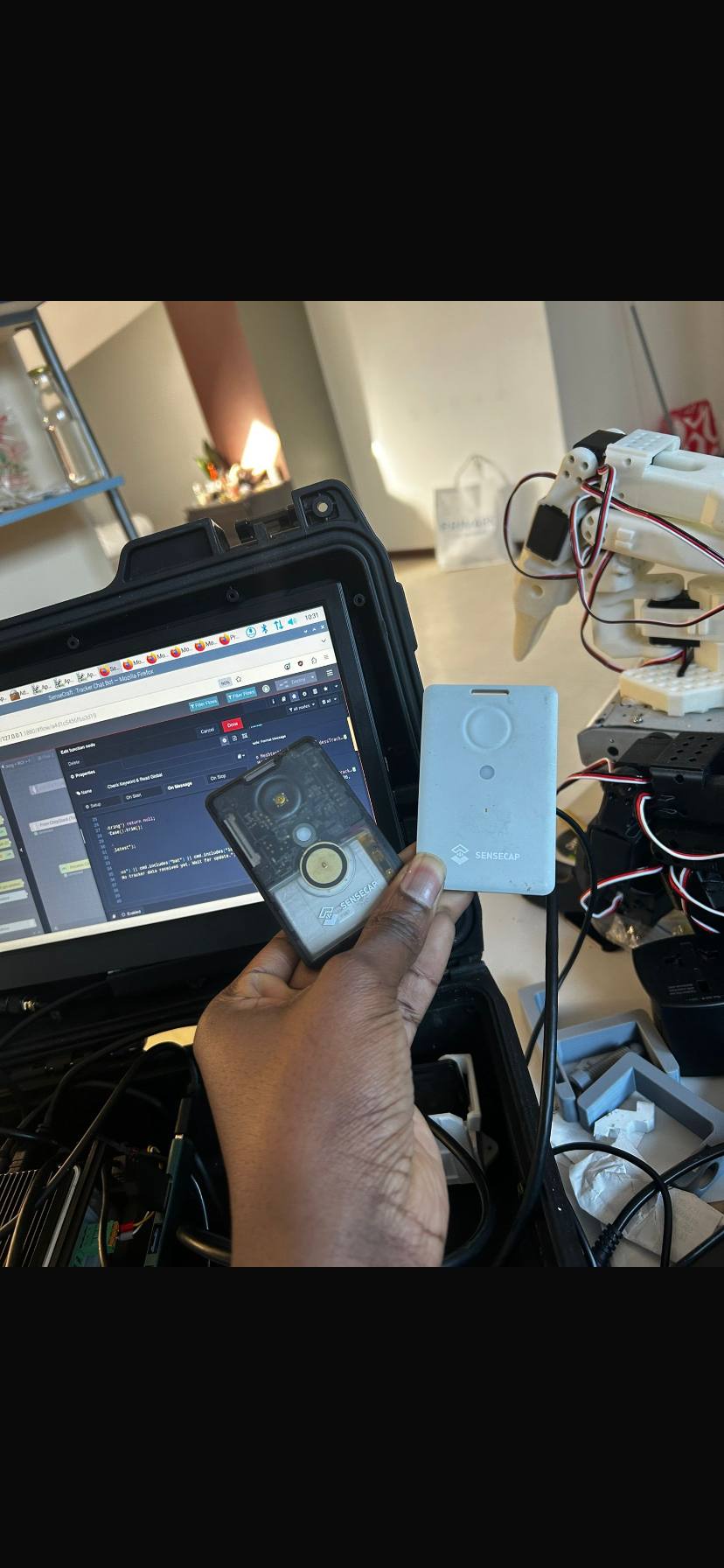
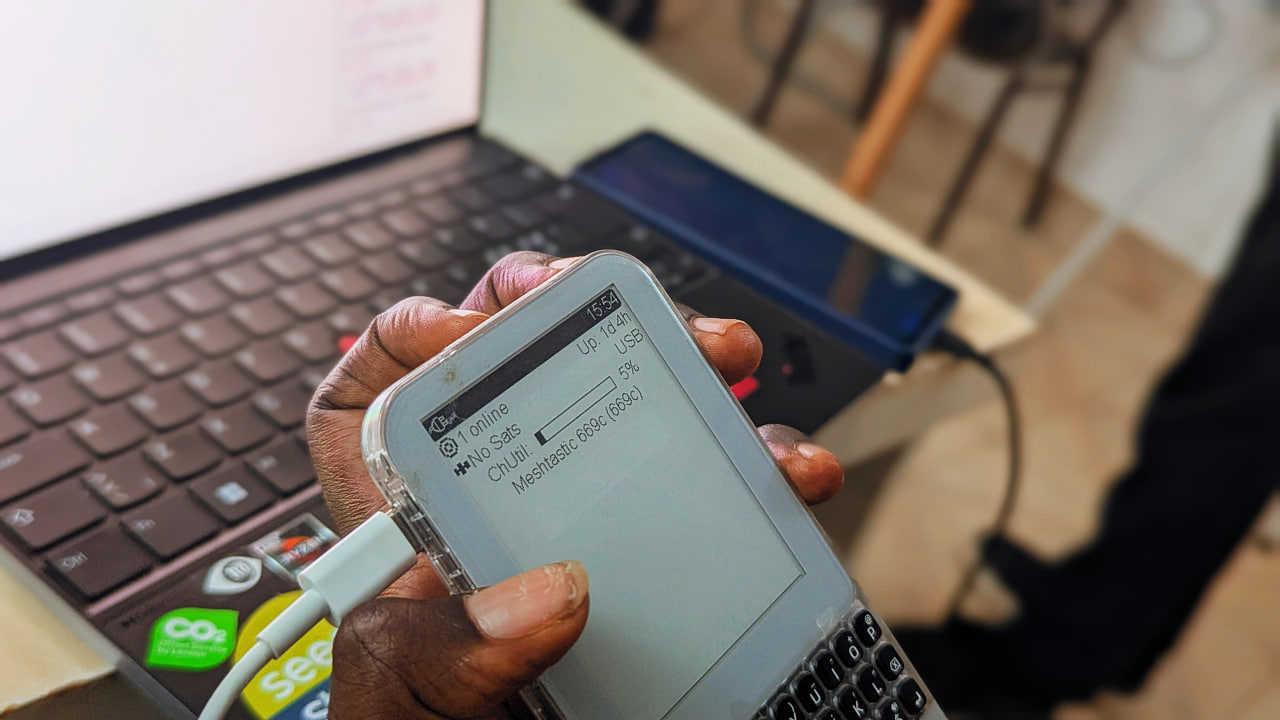
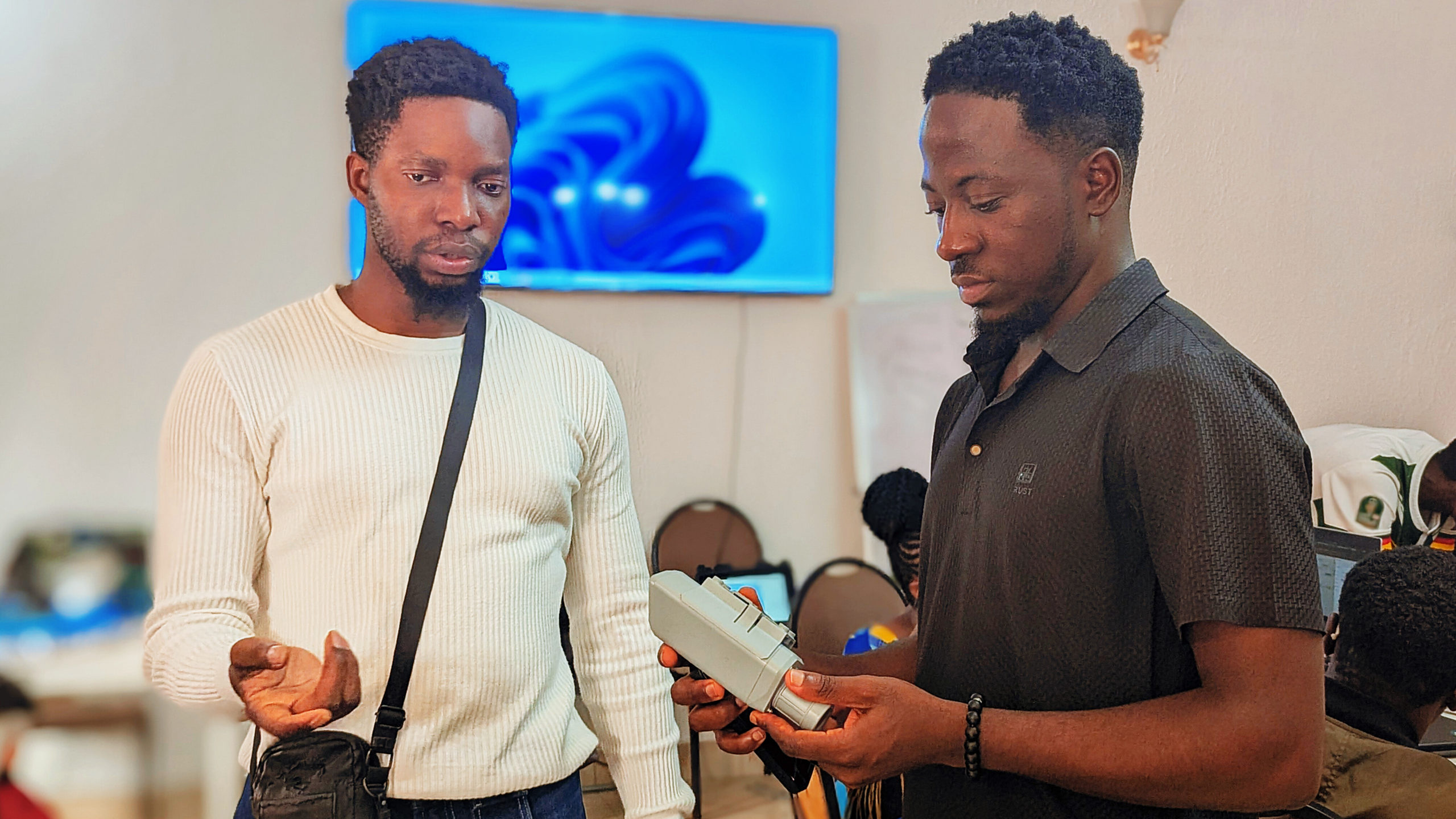
- SenseCAP T1000 Mesh Tracker that provides GPS location and enables Bluetooth gateway communication with a mobile phone
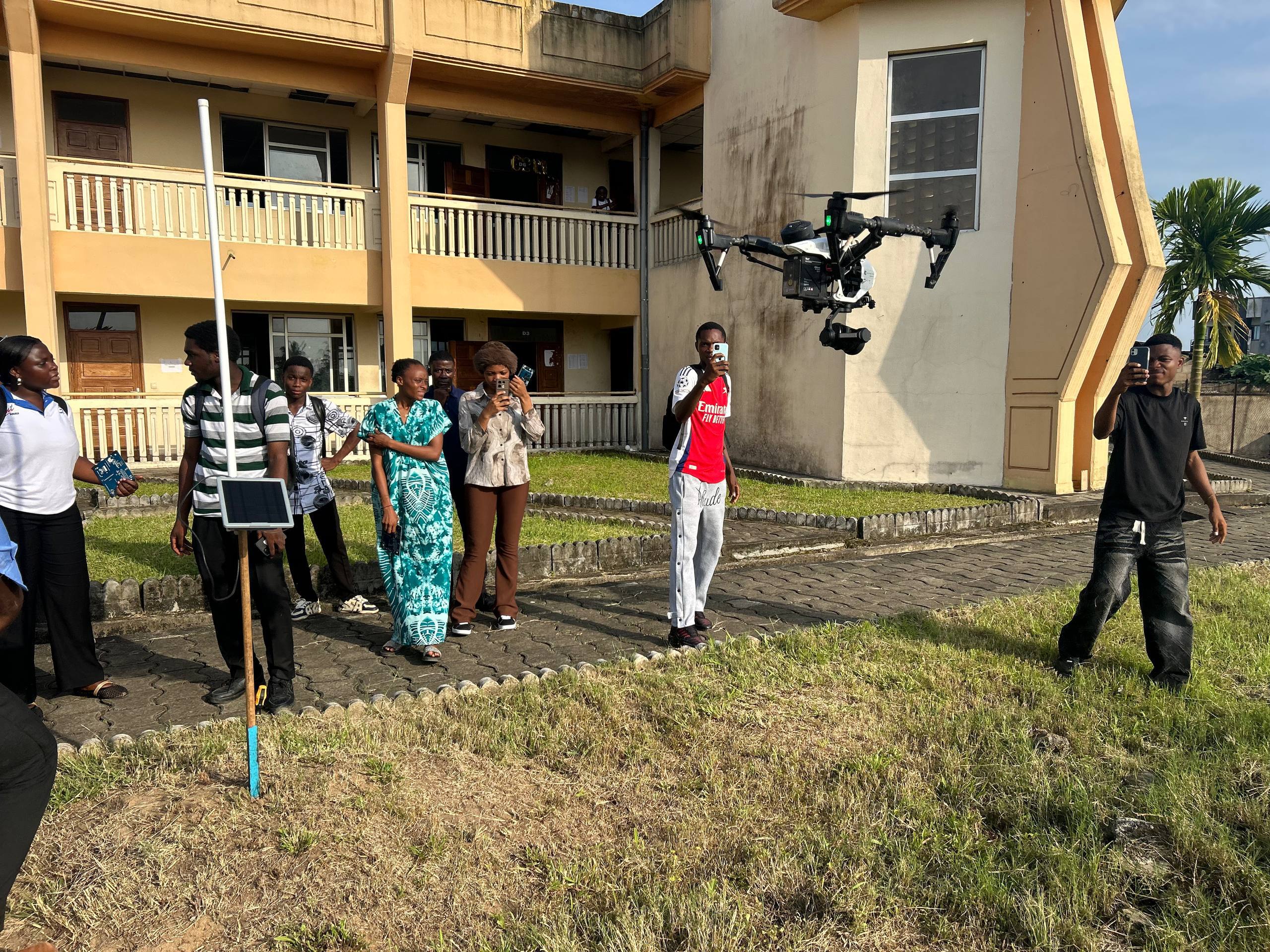
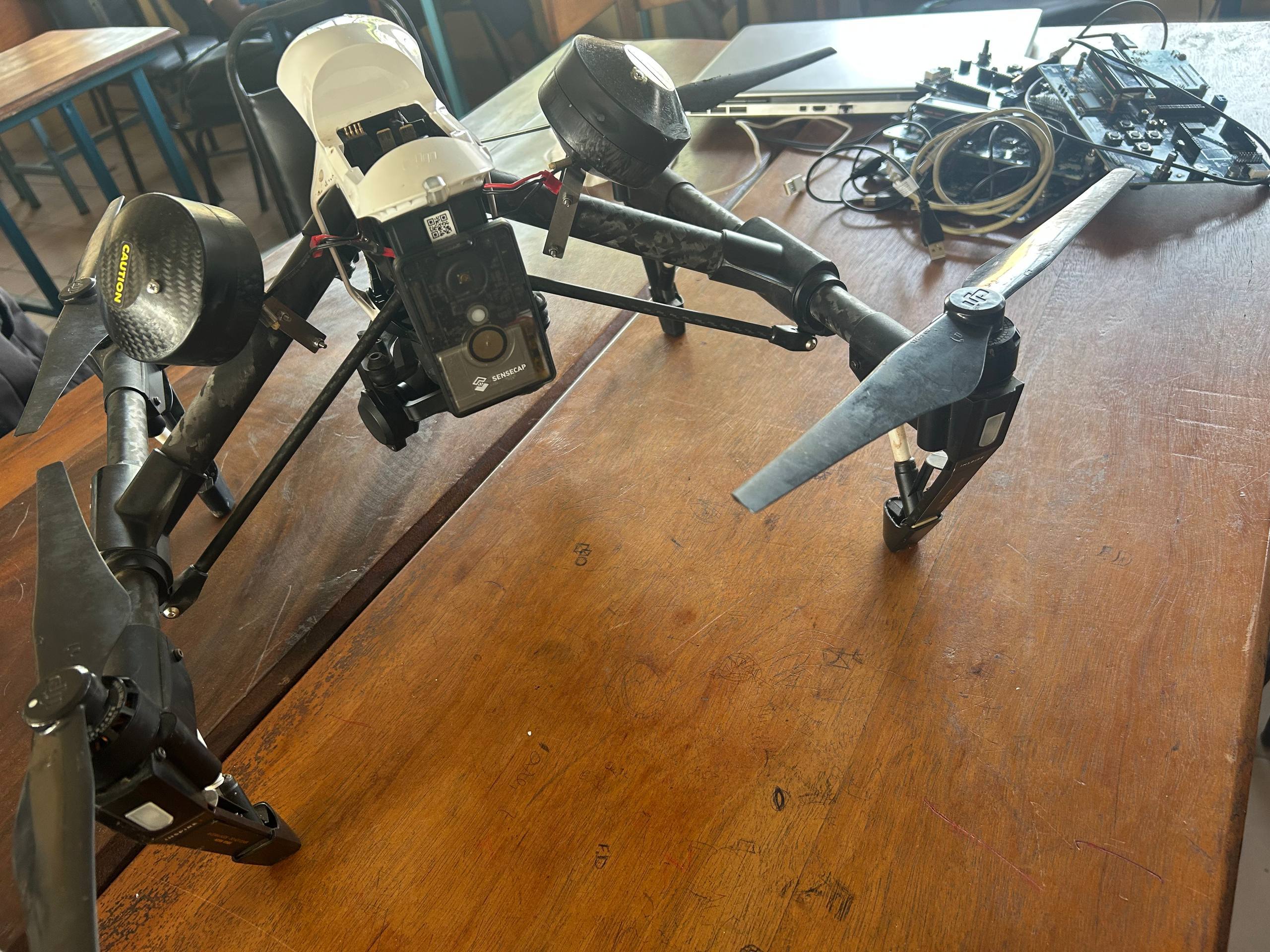
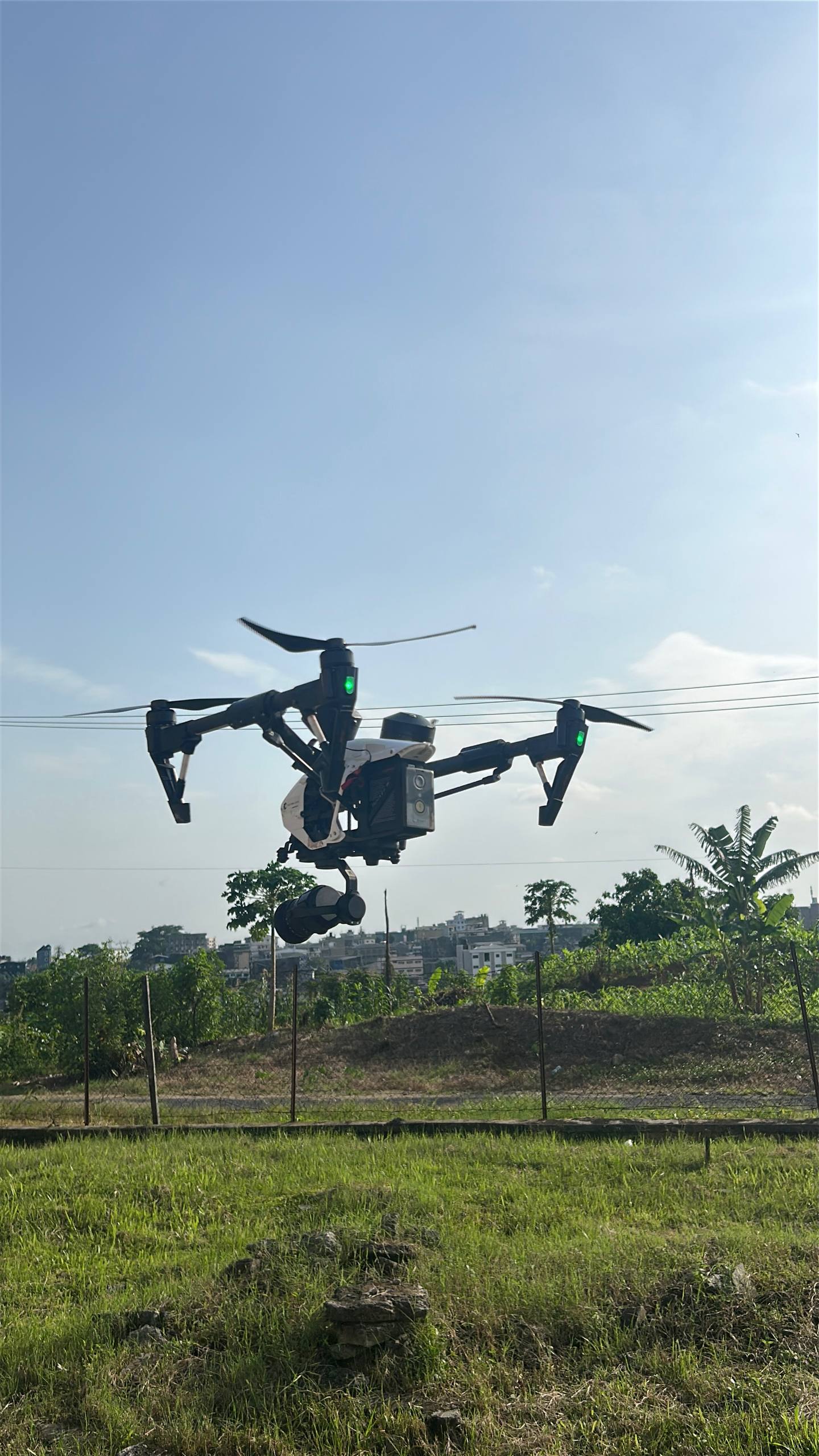
- Integration of the Mesh node to the DJI Inspire Drone to widely spread the LoRa Network.
- Solar Node P1 for Meshtastics
- SenseCAP Indicator with Meshtastic firmware ( use as LoRa Mesh Mobile phone)
- TTGO by LilyGO running Meshtastic Firmware ( use as LoRa Mesh Mobile phone)
By integrating LoRaWAN and Mesh devices via a MissionPack-hosted ChirpStack, this project successfully established a decentralised, entirely off-grid mesh communication network. The system enables long-range connectivity, robust sensor data sharing, and seamless P2P communication with LoRa End-devices.
Ultimately, this work serves as a powerful proof-of-concept for how low-cost, energy-efficient wireless technologies can bridge critical connectivity gaps in underserved communities.
Building a Complete LoRaWAN Sensor Network at Rebase Code Camp and IUT de Douala
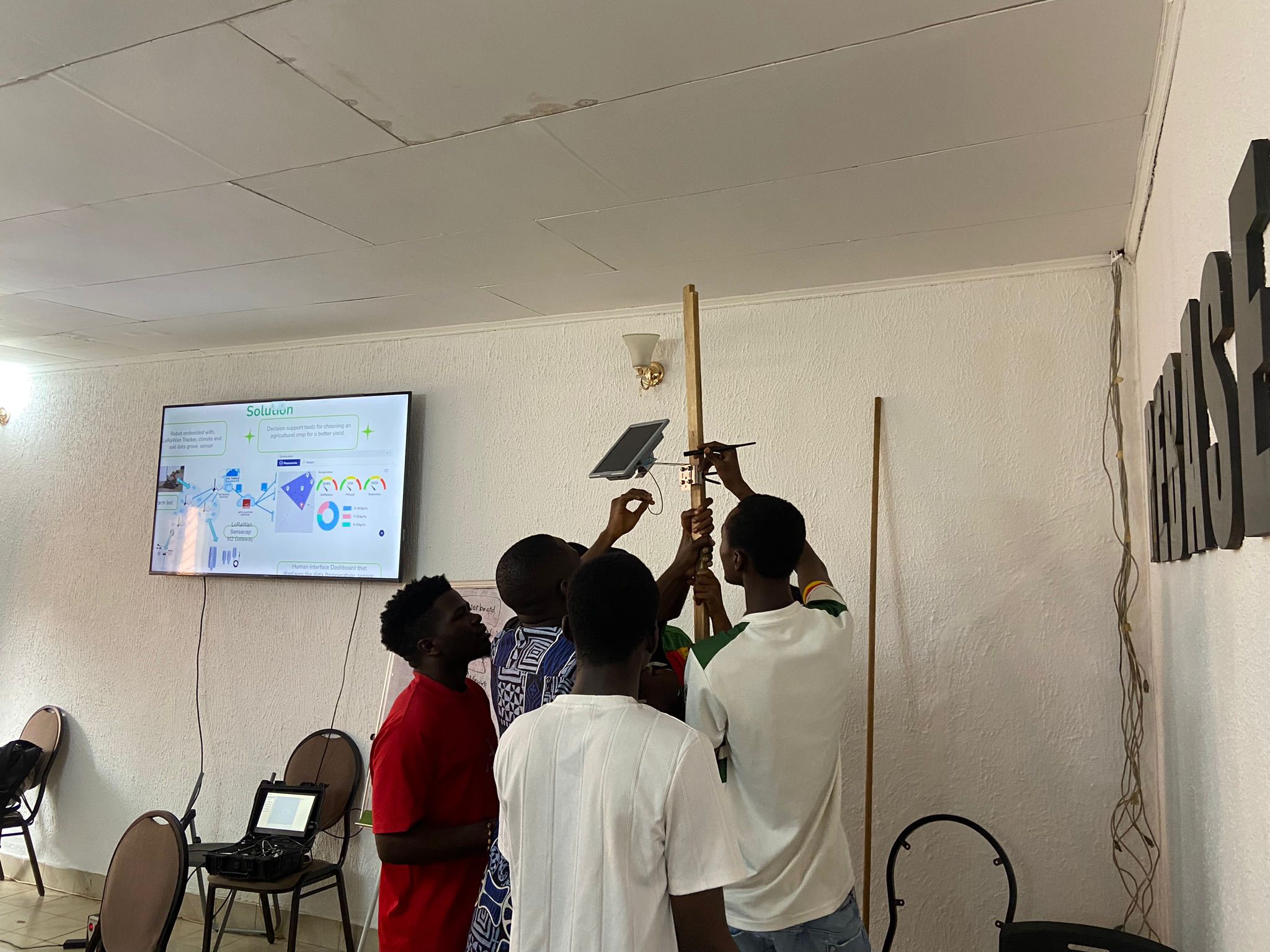
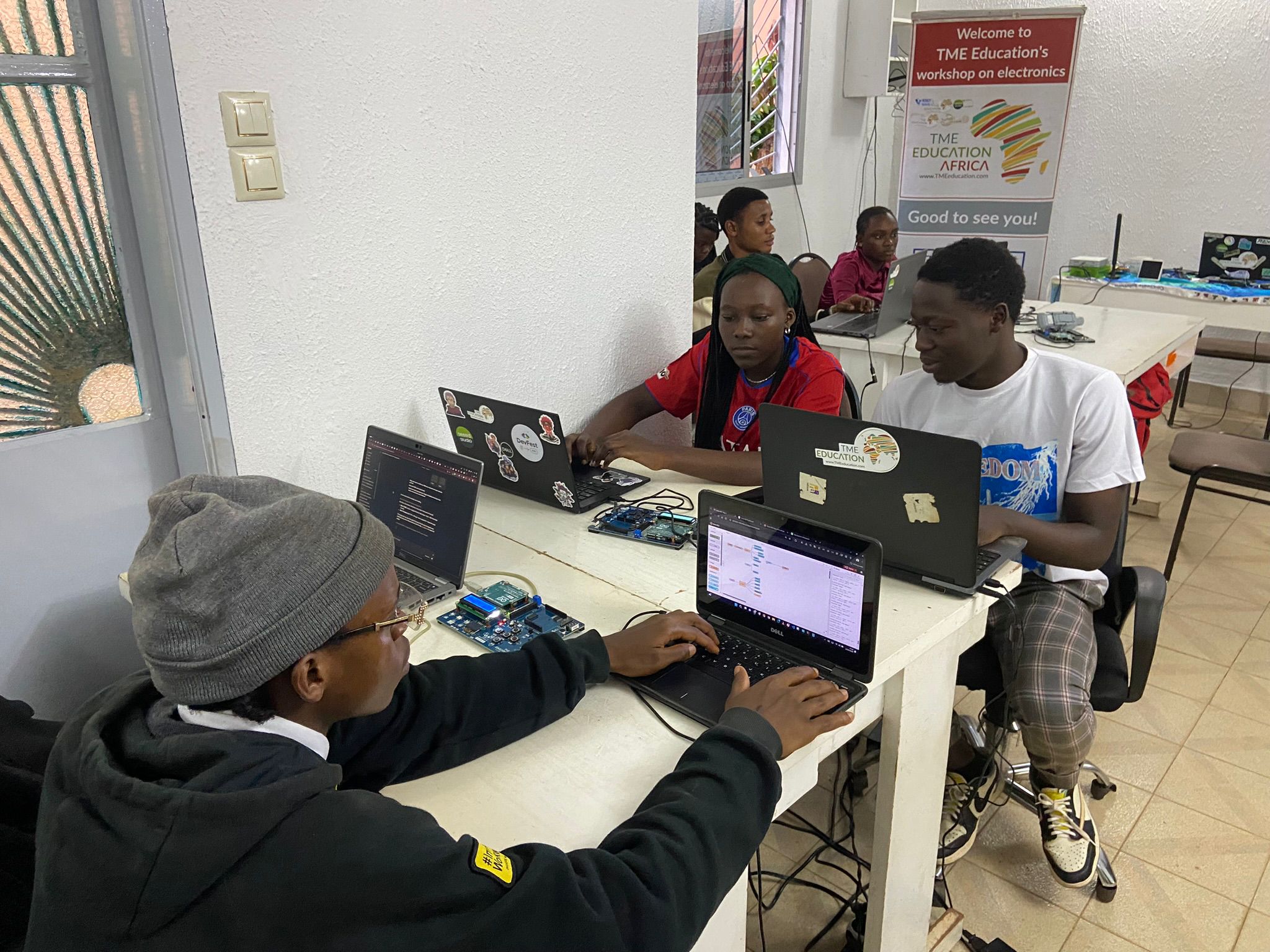
During the workshop, participants learned how to design and deploy a complete LoRaWAN infrastructure capable of collecting and visualizing sensor data in real time.
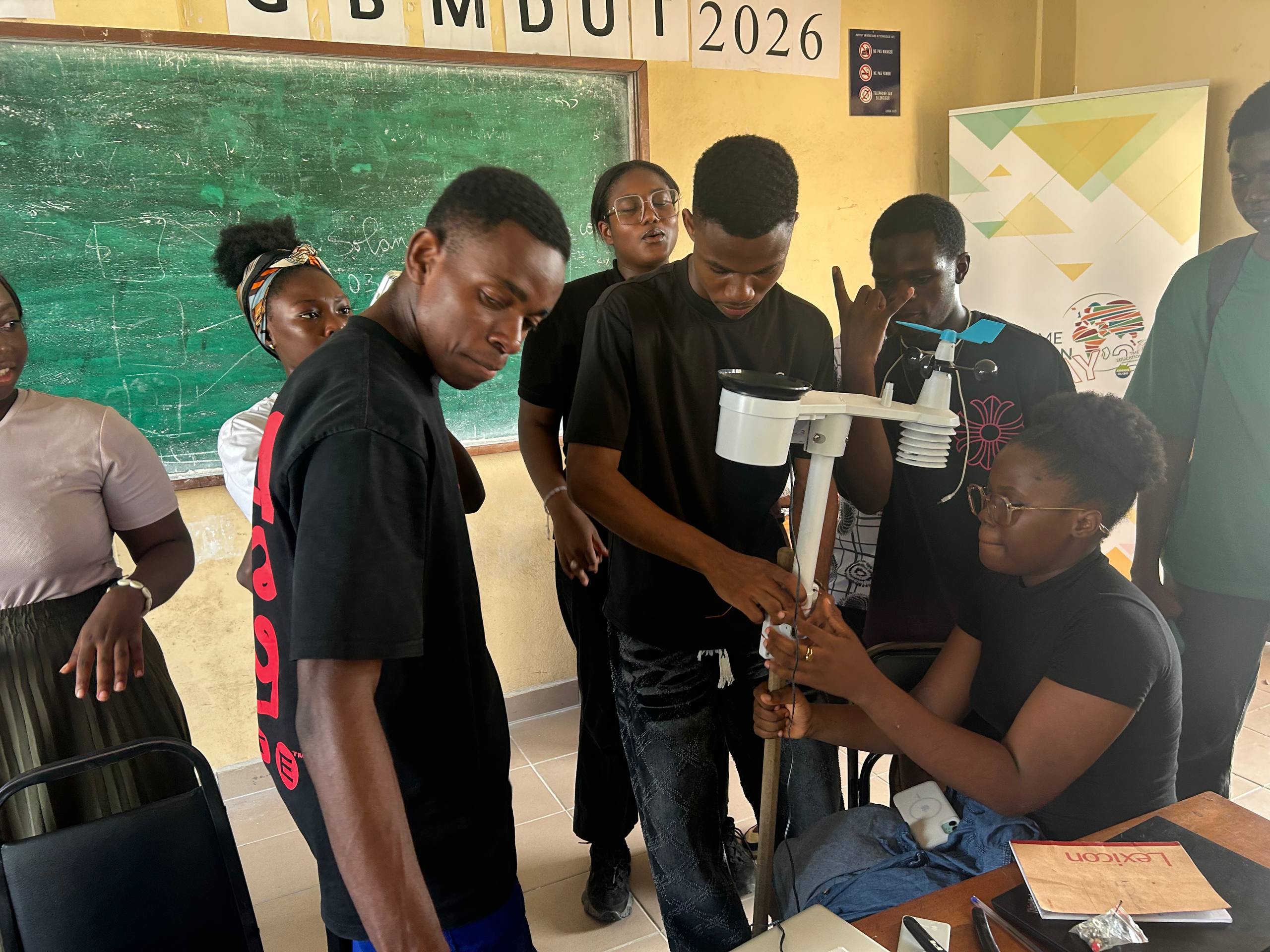
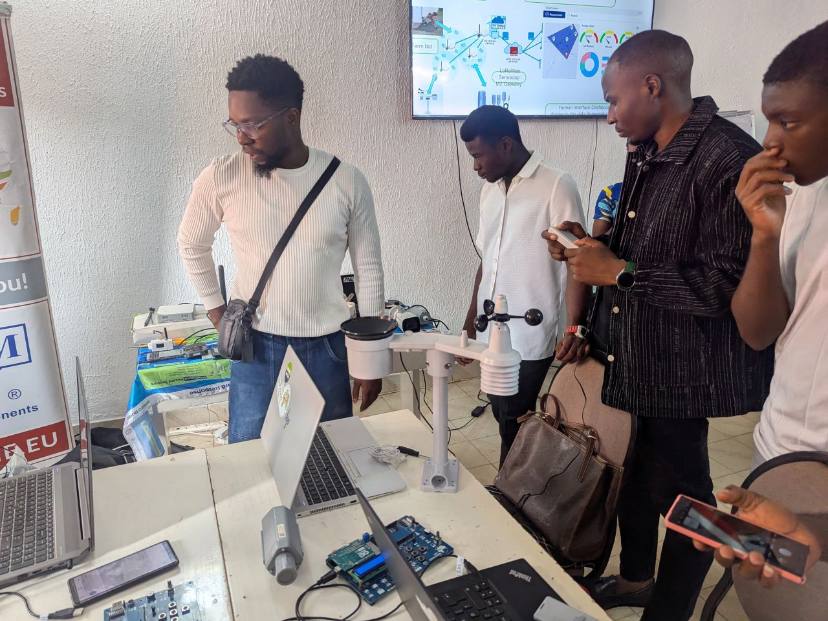
Using the SenseCAP T1000 Tracker, industrial sensors, and weather monitoring stations, participants collected data including:
- GPS location and geolocation tracking
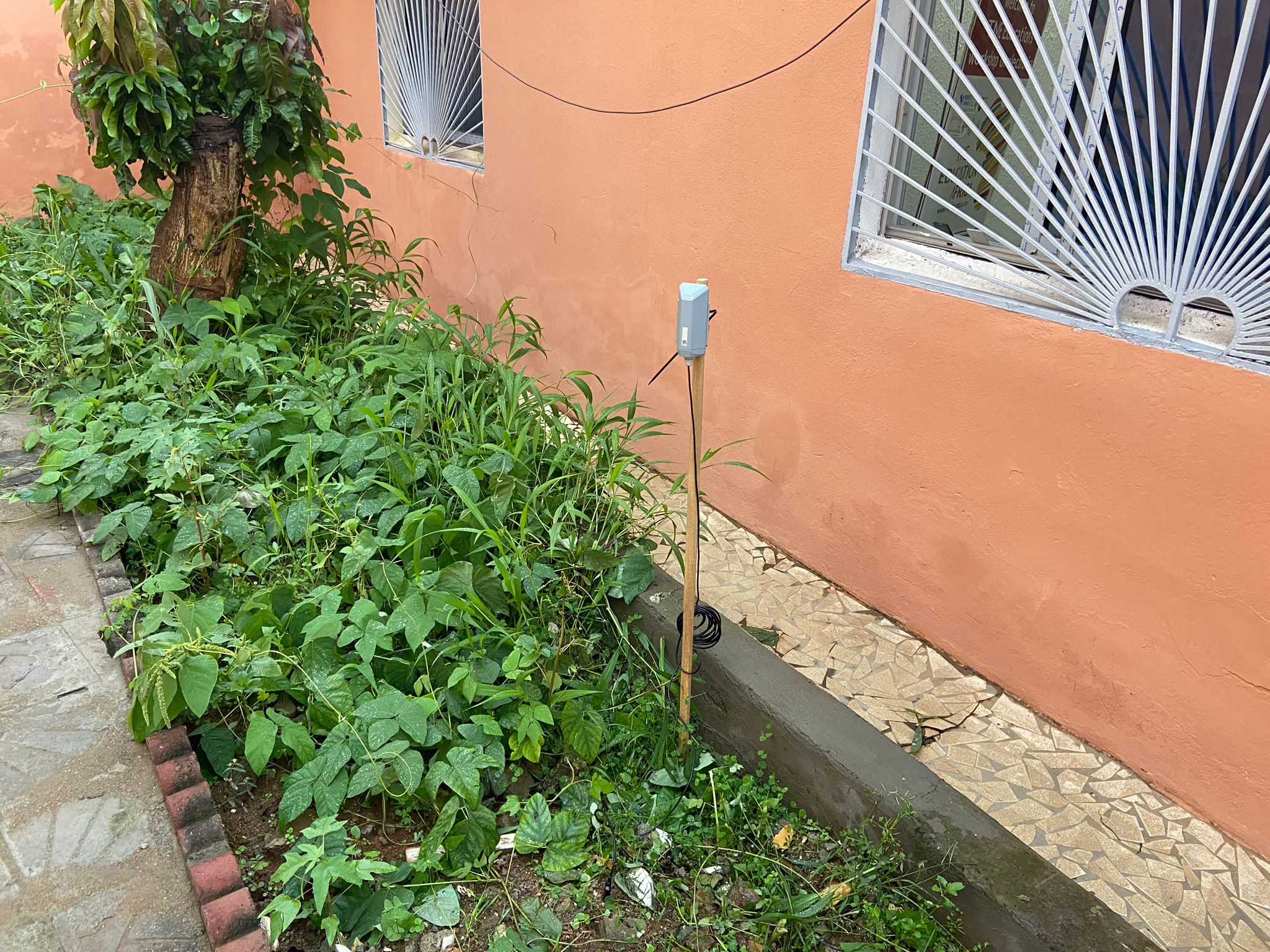
- Temperature monitoring and Humidity measurement from senseCAP-S2101-LoRaWAN
- Soil moisture monitoring from senseCAP-S2104-LoRaWAN
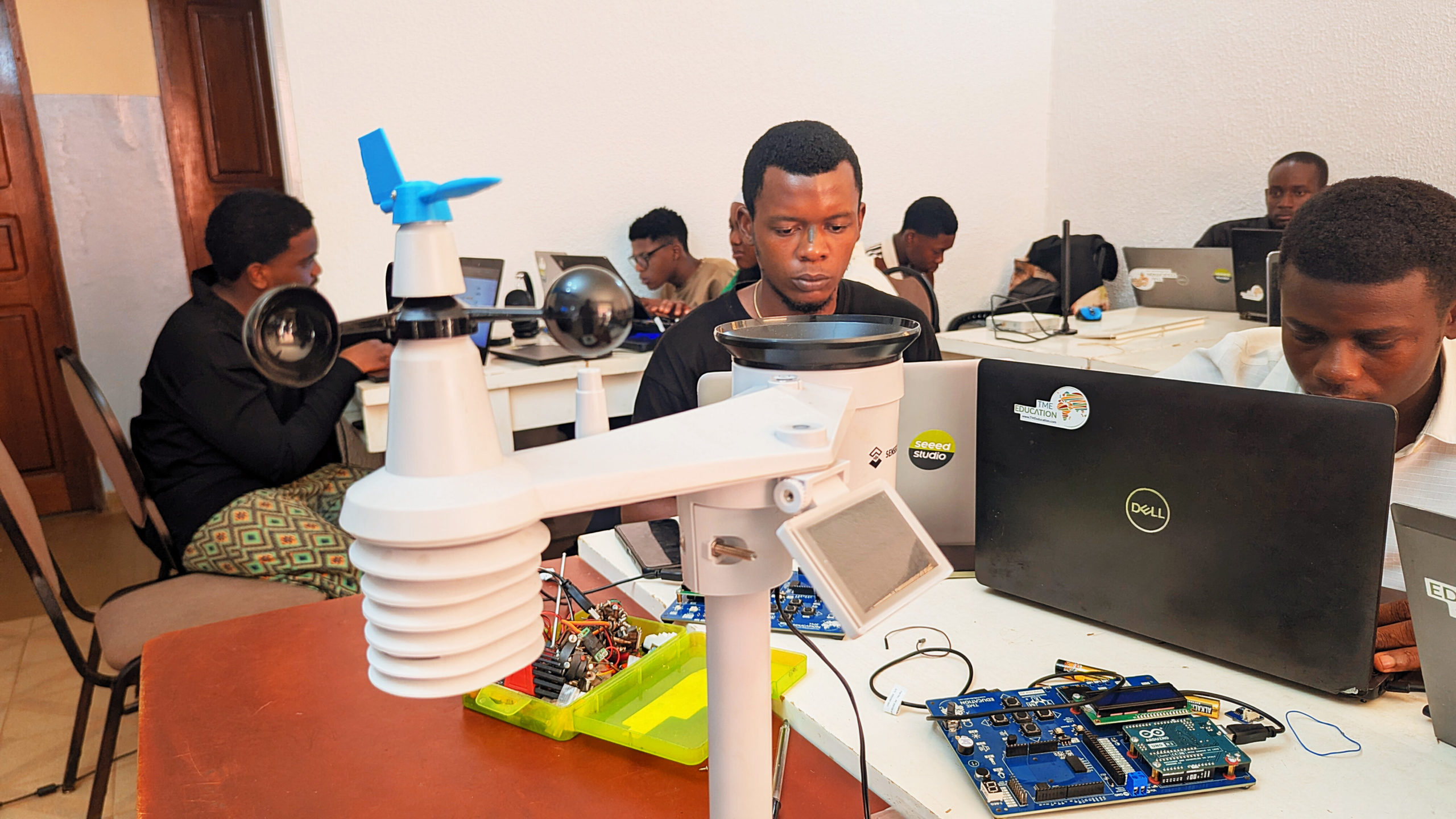
- Weather sensor data monitoring from senseCAP-S2120 8in1 LoRaWAN Weather Sensor
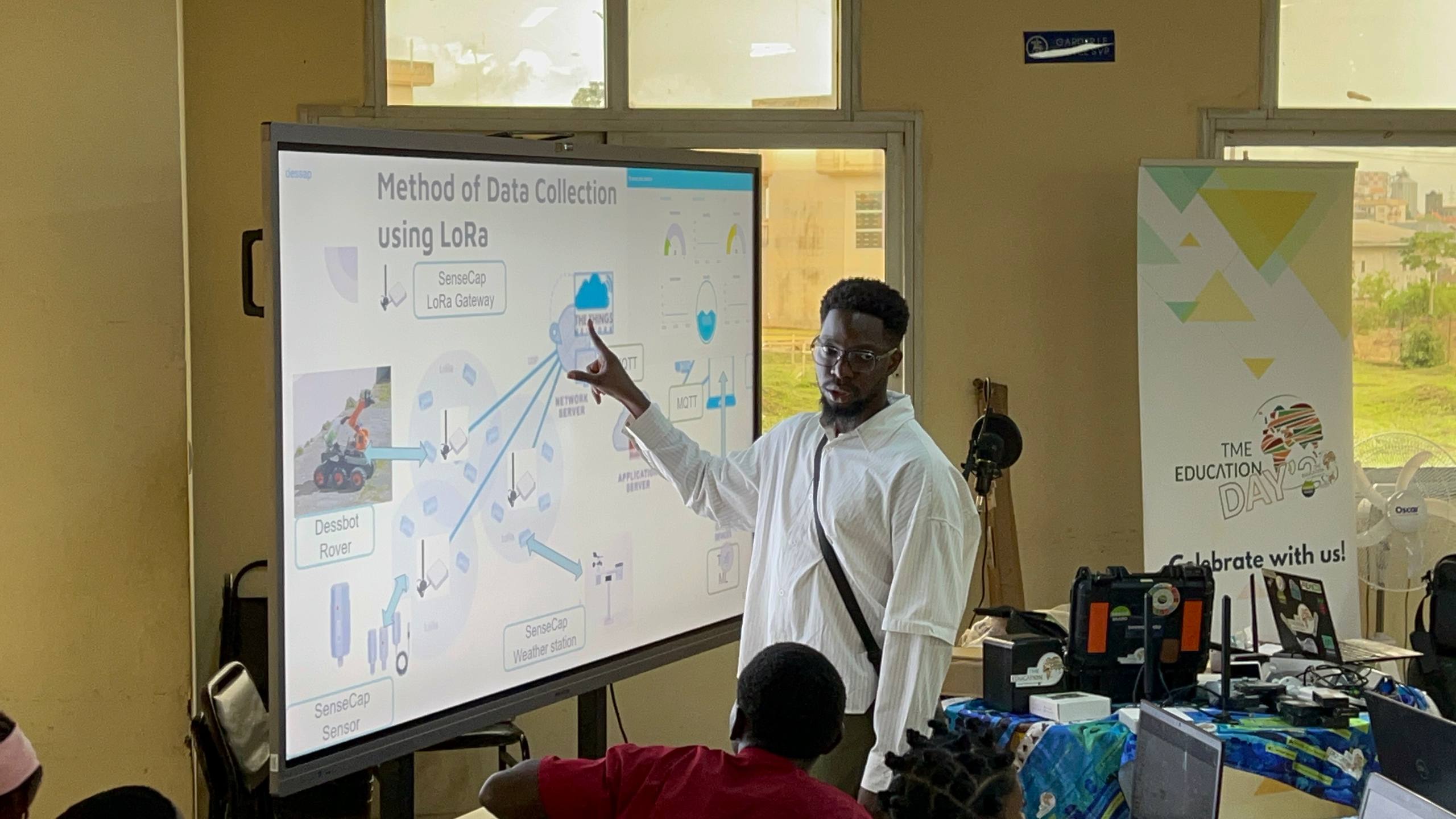
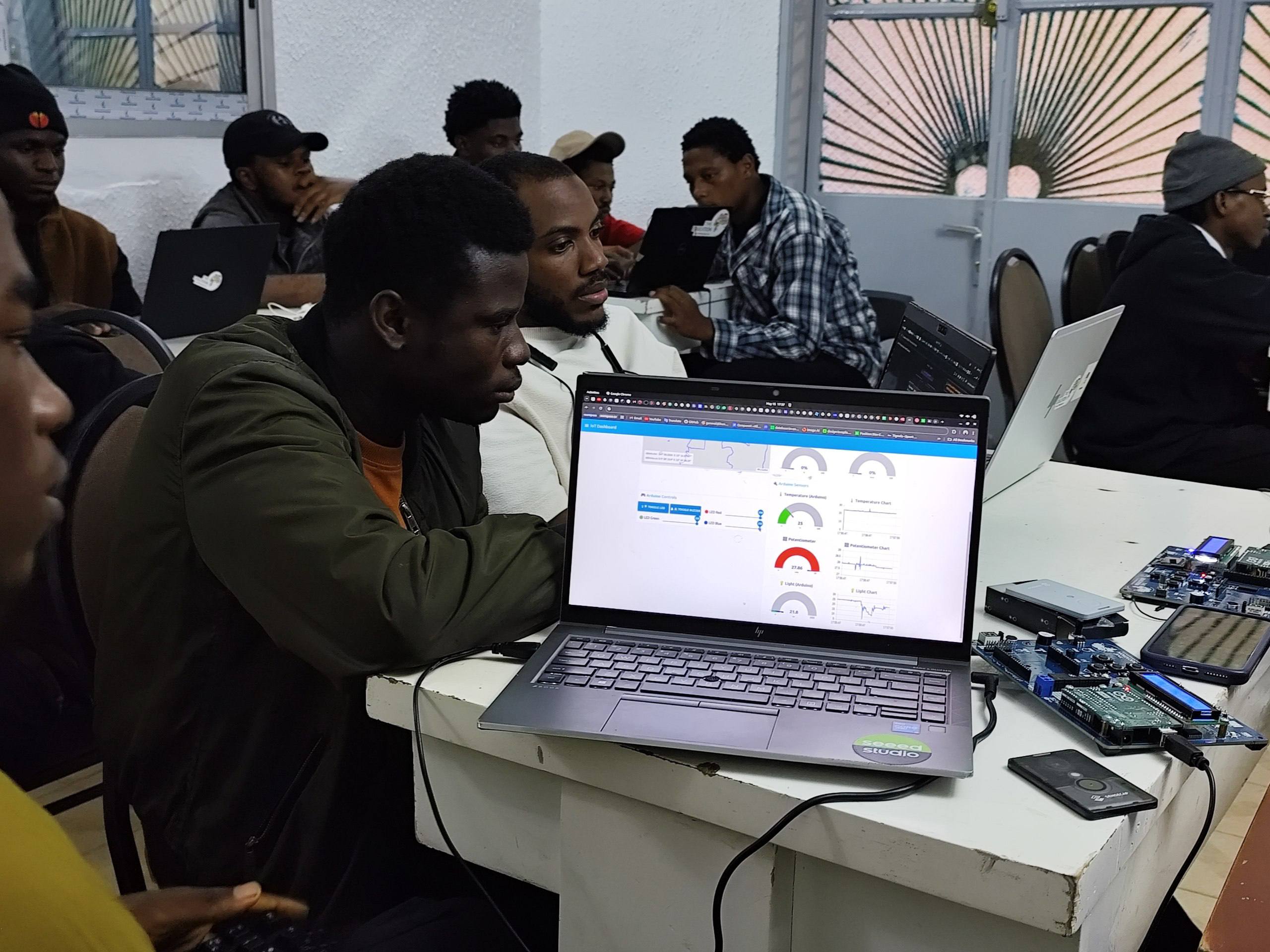
The sensor data was transmitted through a LoRaWAN Gateway to The Things Network (TTN), then integrated using the MQTT protocol into Node-RED dashboards, where users could monitor their devices in real time.
This hands-on experience provided participants with practical exposure to end-to-end IoT system deployment, from data acquisition and transmission to cloud integration and visualization.
Programming and Automation with the TMEducation Board
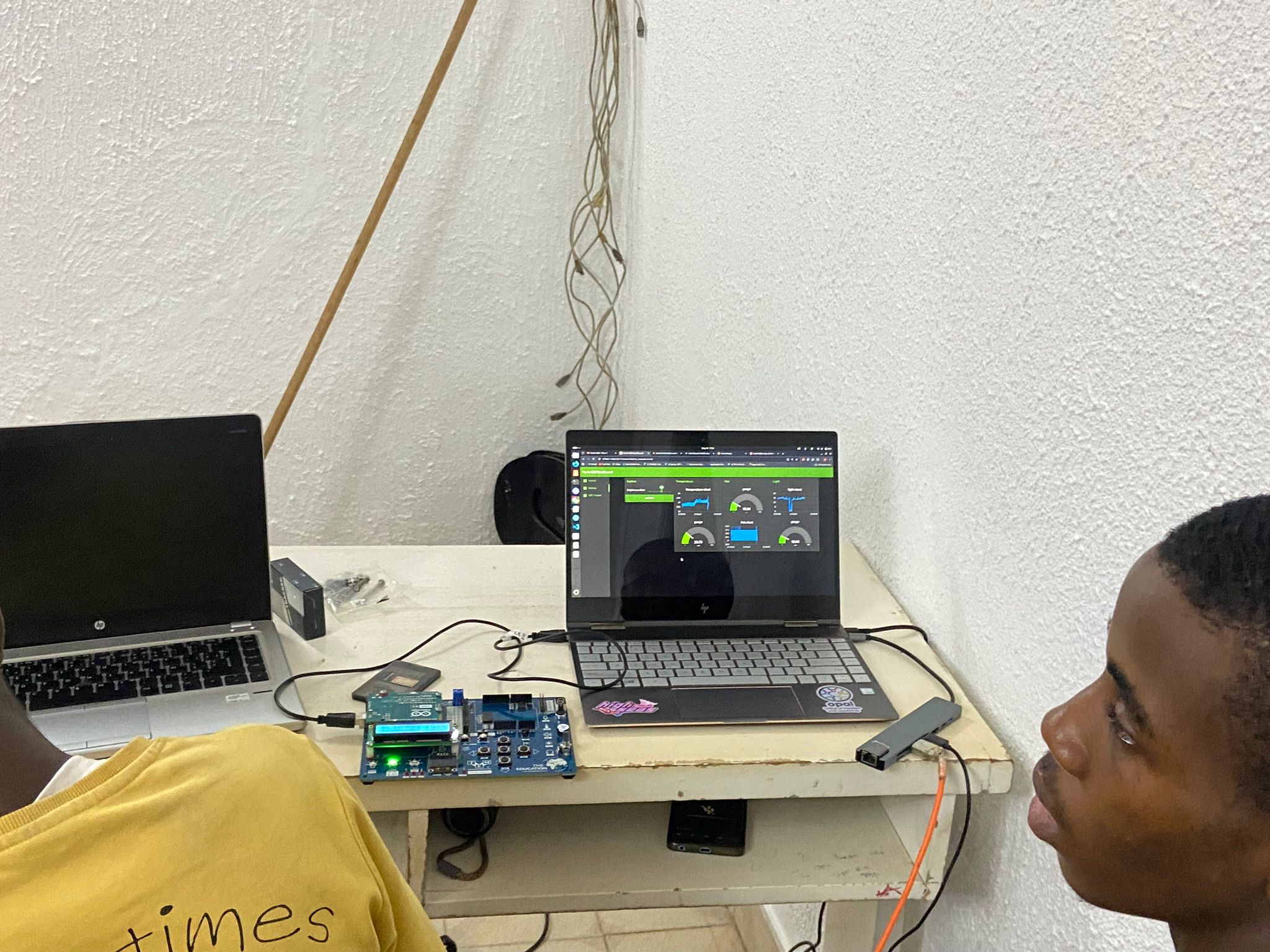
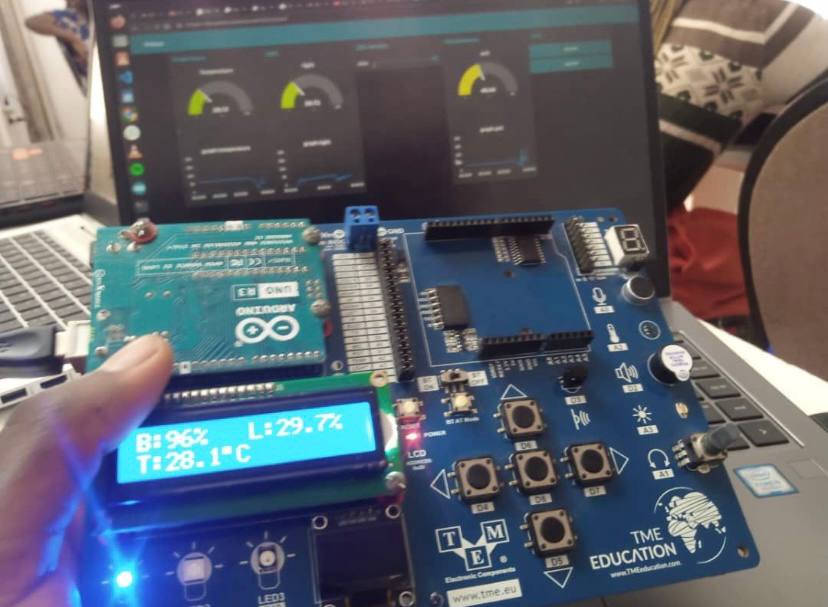
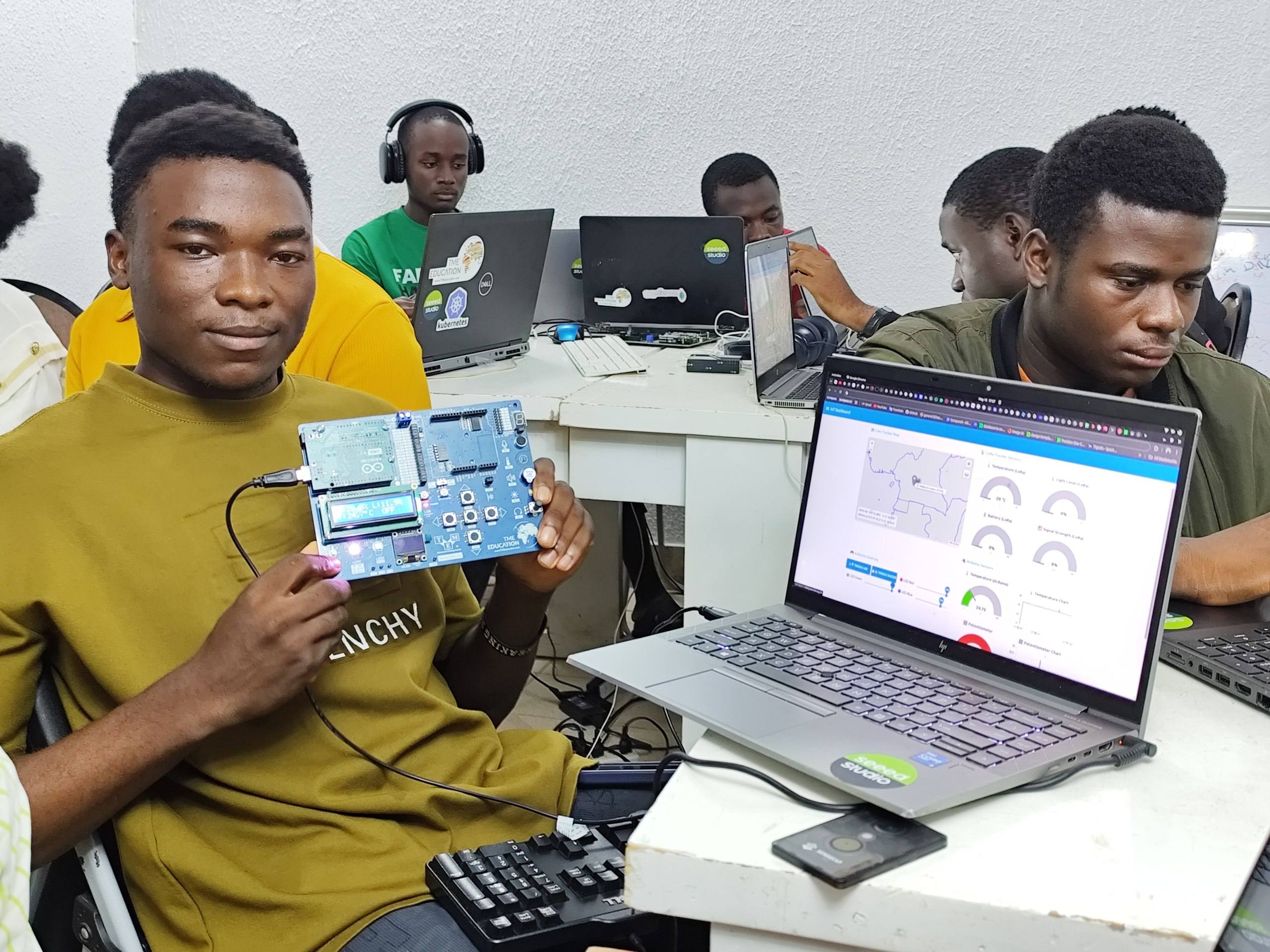
Participants also programmed the TMEducation Board to collect sensor data and remotely control LEDs through Node-RED over a local network.
This exercise introduced key concepts, including:
- Embedded systems programming
- IoT device communication
- Dashboard creation using Node-RED
- Real-time monitoring and control
- Automation workflows
24-Hour Hackathon: Building a Real-Time LoRa Tracking System
To conclude the workshop, participants took part in an intensive 24-hour Hackathon where teams were challenged to design and build a complete LoRa-based tracking solution.
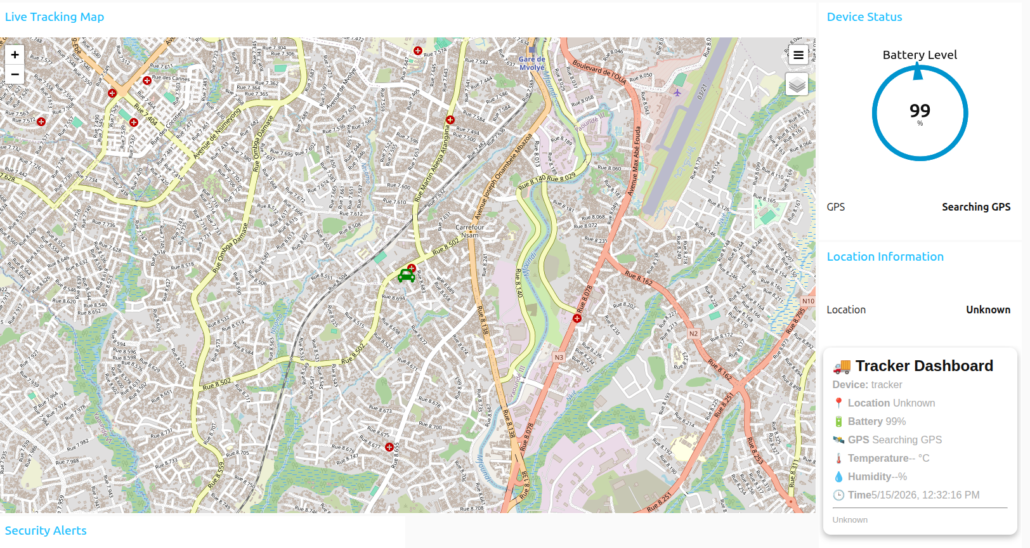
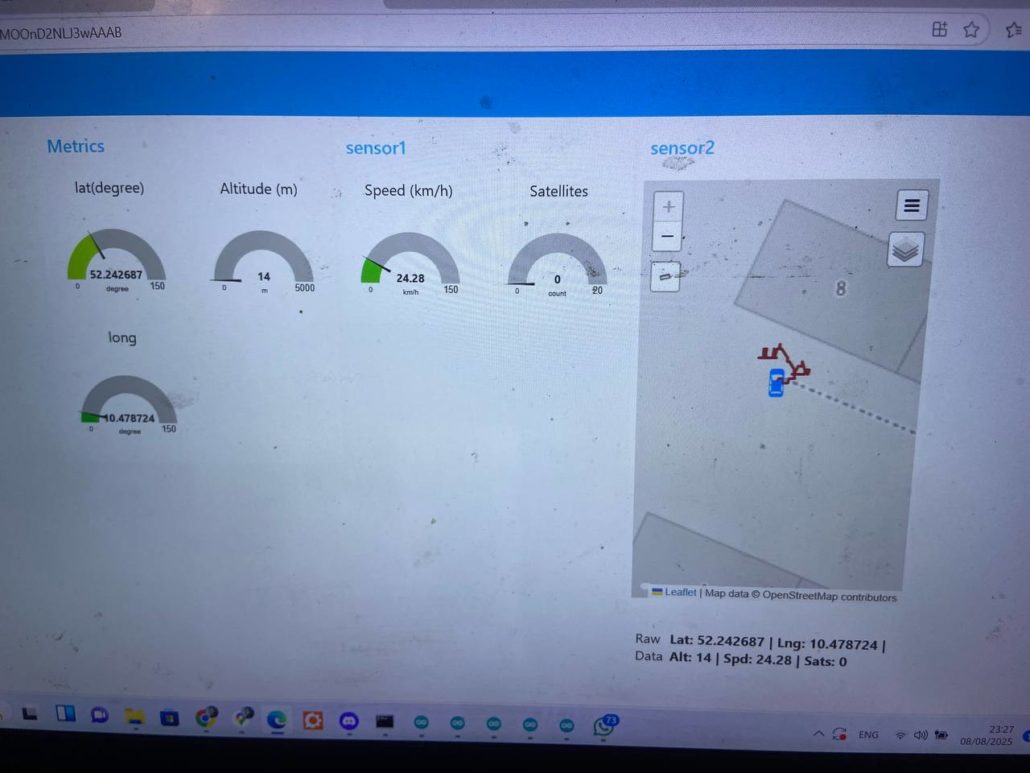
Using Node-RED, participants developed interactive dashboards capable of displaying:
- Real-time GPS locations
- Live asset tracking
- Historical movement data
- Location visualization and monitoring
The Hackathon showcased the creativity, teamwork, and technical skills developed throughout the training while encouraging participants to transform ideas into practical solutions.
Looking Ahead
The success of these workshops demonstrates the growing interest in IoT, LoRaWAN, and Meshtastic technologies across Cameroon.
Beyond learning technical concepts, participants explored how connected technologies can address real societal challenges in agriculture, environmental monitoring, logistics, education, and rural connectivity.
We are proud of the innovation, collaboration, and enthusiasm displayed by all participants and look forward to supporting the next generation of IoT innovators in Cameroon.
A big thanks to our supporters and partners who made this event possible TmeEducation, Plastibytes, Rebase Code Camp and IUT University of Douala,Cameroon