Chaihuo Mobile Creative Vehicle is a roving AI lab and makerspace launched by Chaihuo Maker Space. Over the course of 200+ days, the Chaihuo MCV is on the journey of travelling deep into China’s interior — traversing three major terrain steps, six climate zones, and more than ten distinct landform types — bringing edge computing, digital fabrication, and open-source hardware workshops to underserved communities. Along the way, the project stress-tests technology in demanding environments, co-develops solutions with local communities, and uncovers real-world use cases where open hardware can make a meaningful difference.
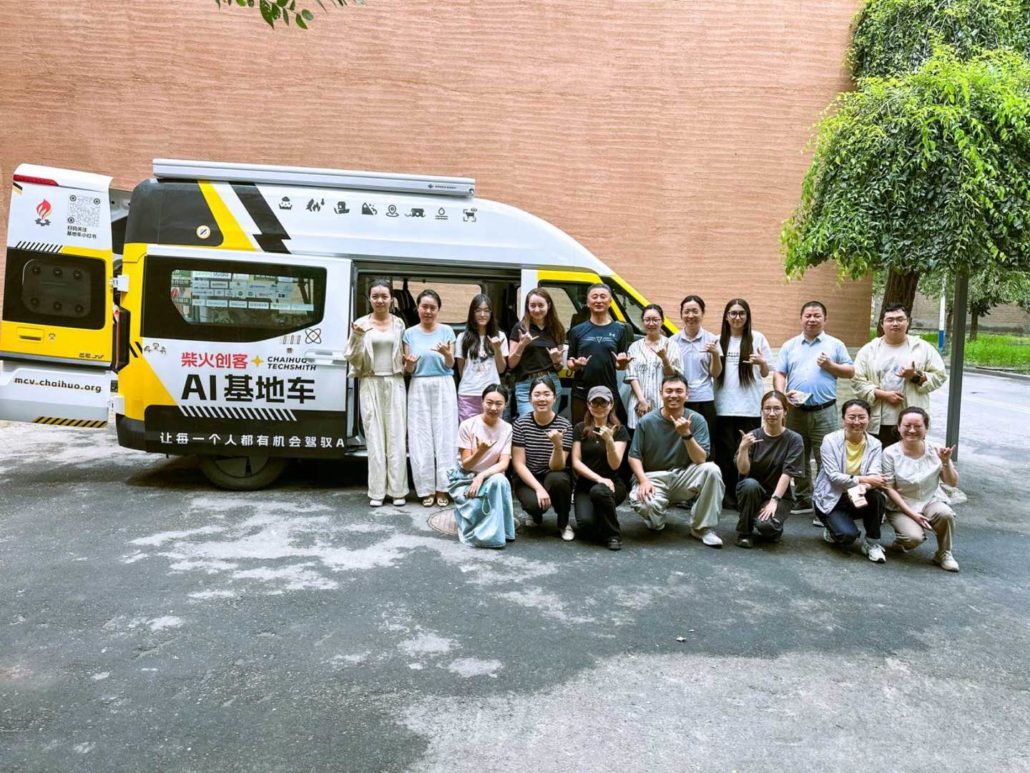
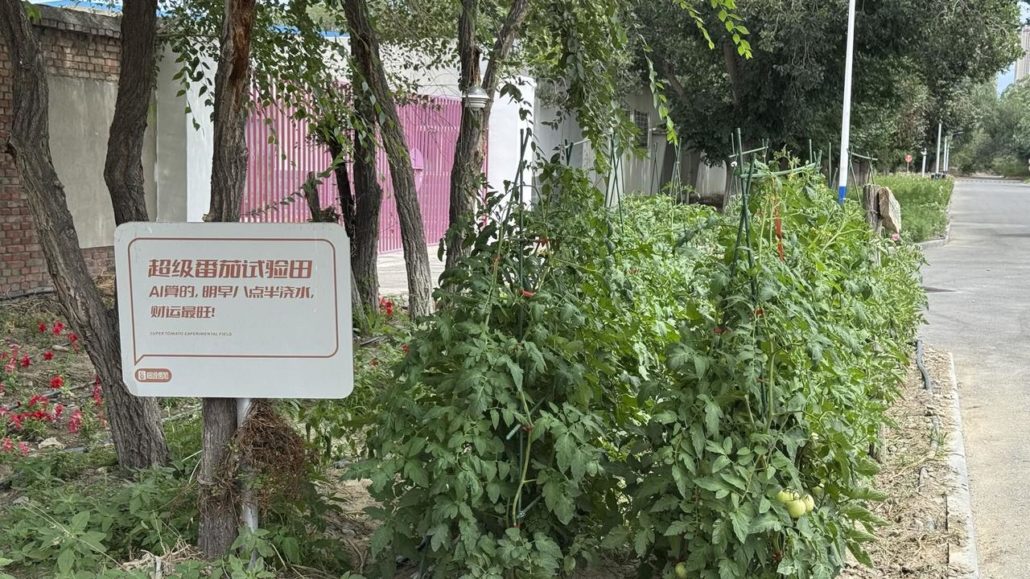
It was during one such stop — in Xinjiang, home to the lion’s share of China’s processing tomato output — that the MCV team sat down with a partner they already knew well, and brought solutions to their chronic problems.
Every harvest season in Xinjiang, thousands of truckloads of tomatoes pour out of mechanized fields and into processing plants. These tomatoes aren’t destined just for your salad bowl. They’ll be transformed into tomato paste, ketchup, and sauce, bound for shelves around the world. China supplies roughly a quarter of the world’s processing tomatoes, with Xinjiang alone responsible for three-quarters of that national output, more than one million mu (~67,000 hectares) under cultivation.
But hidden inside those truckloads — sometimes quite literally — is a problem that better farming practices alone cannot solve: rocks, mud, plastic, weeds, and other debris mixed in with the fruit.
The Hidden Cost in Every Truckload
Two Problems That Off-the-Shelf Hardware Couldn’t Solve
Why Open Hardware Changed the Equation
The Open-Source Advantage: Why This Model Scales
The Open-Source Advantage: Why This Model Scales
Beyond Tomatoes: One Stop Among Many