Hi Community,
Over the year of 2025, as developers race to bring intelligence into everyday objects, we at Seeed Studio have been focusing on one mission: maka technology accessible for all, by building the most complete, accessible, and powerful hardware ecosystem for real-world AI.
From centimeter-scale XIAO boards to industrial AI computers and expressive robotic arms, this year’s launches show how intelligence is moving deeper into devices, environments, and workflows. Let’s dive in!
Ultra-Miniature Computing — The Micro Foundation of Machine Learning
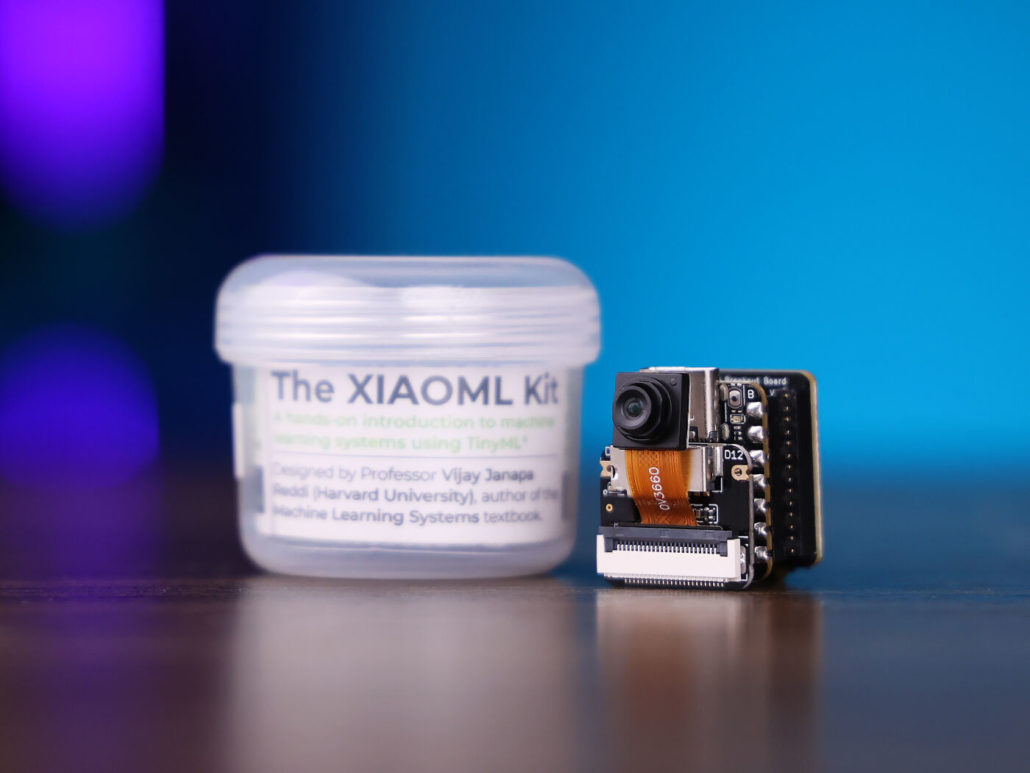
TinyML and ultra-low-power AI had a breakthrough year, and the XIAO ecosystem grew into a flexible ecosystem used in prototypes, products, and production designs.
⭐ SOME HERO PRODUCTS
- The XIAO Plus family (XIAO nRF52840 Plus, nRF52840 Sense Plus, and ESP32S3 Plus): As a new iteration of our regular XIAO Boards, they feature redesigned 23 castellation pins (20 GPIOs, 3 power pins) and back solder points specifically for projects needing expanded IOs.
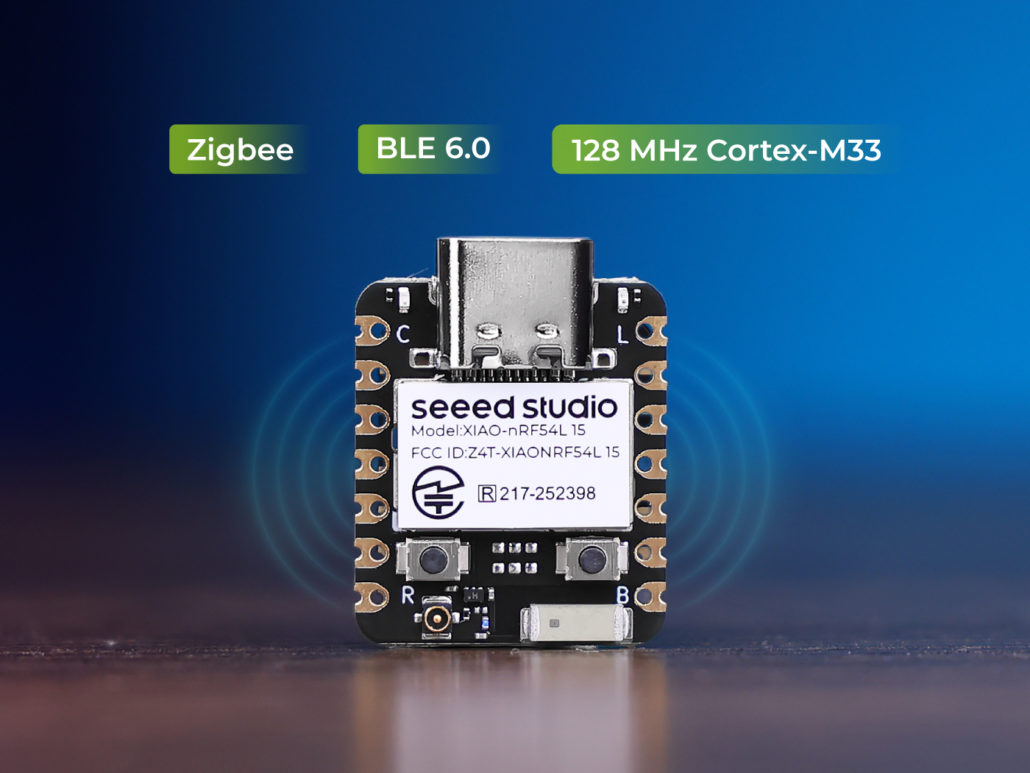
- The XIAO nRF54L15 and nRF54L15 Sense brought next-generation Bluetooth LE, enhanced DSP capabilities, and extremely low-power audio and gesture processing into the smallest form factor we’ve ever offered.
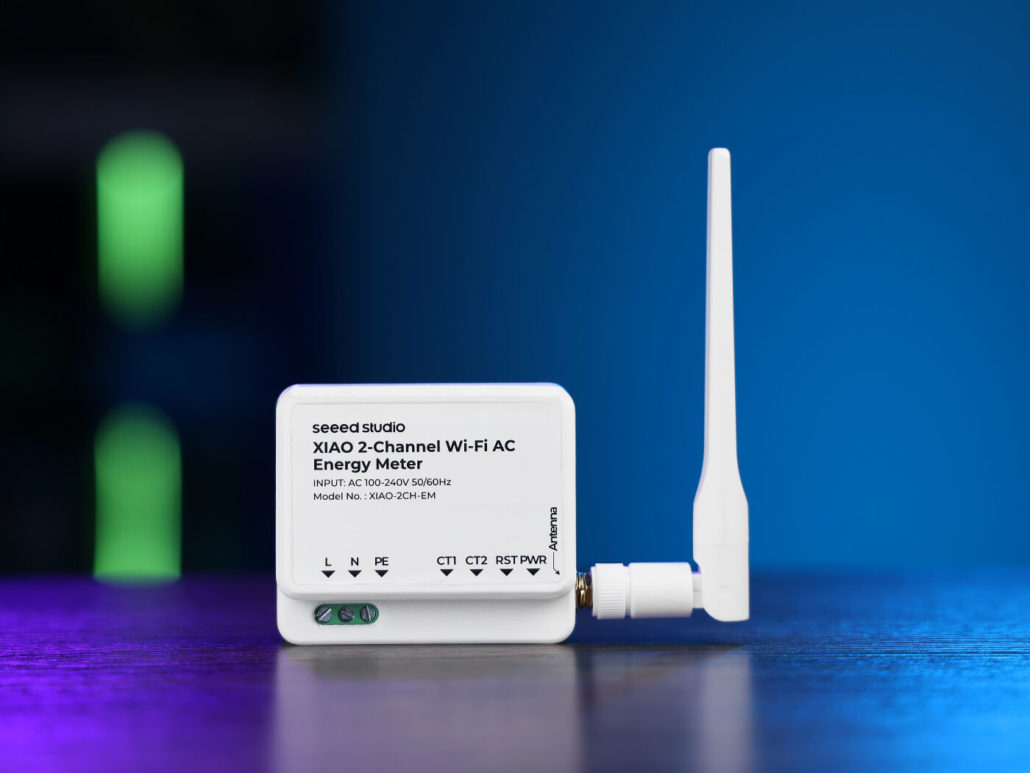
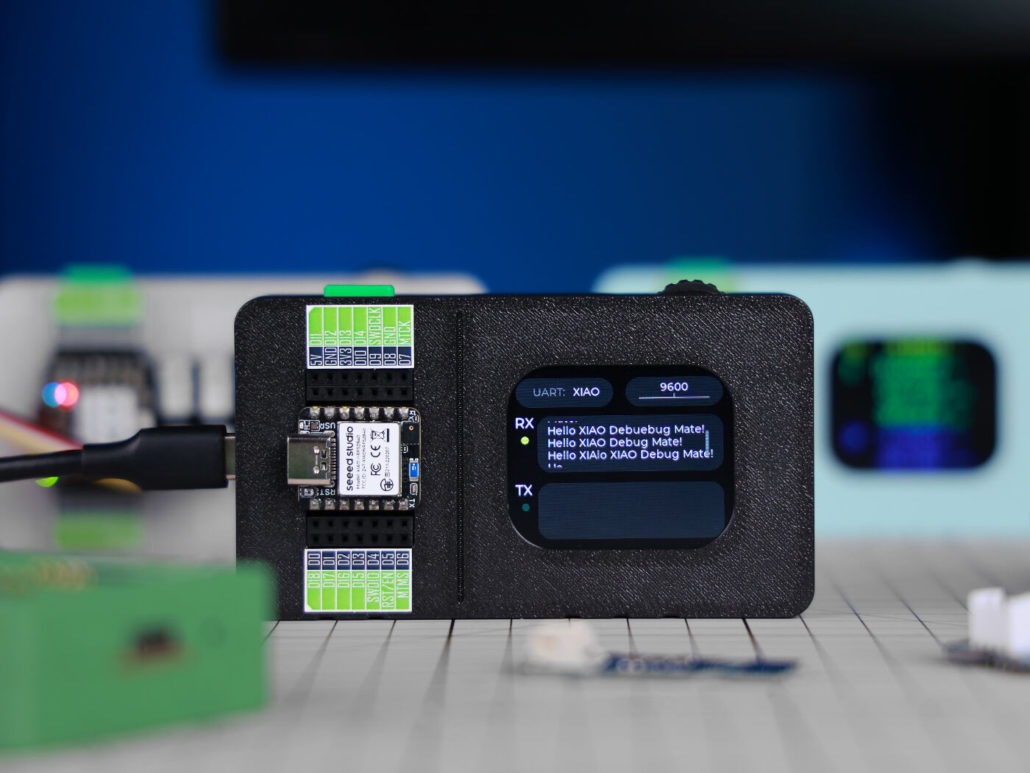
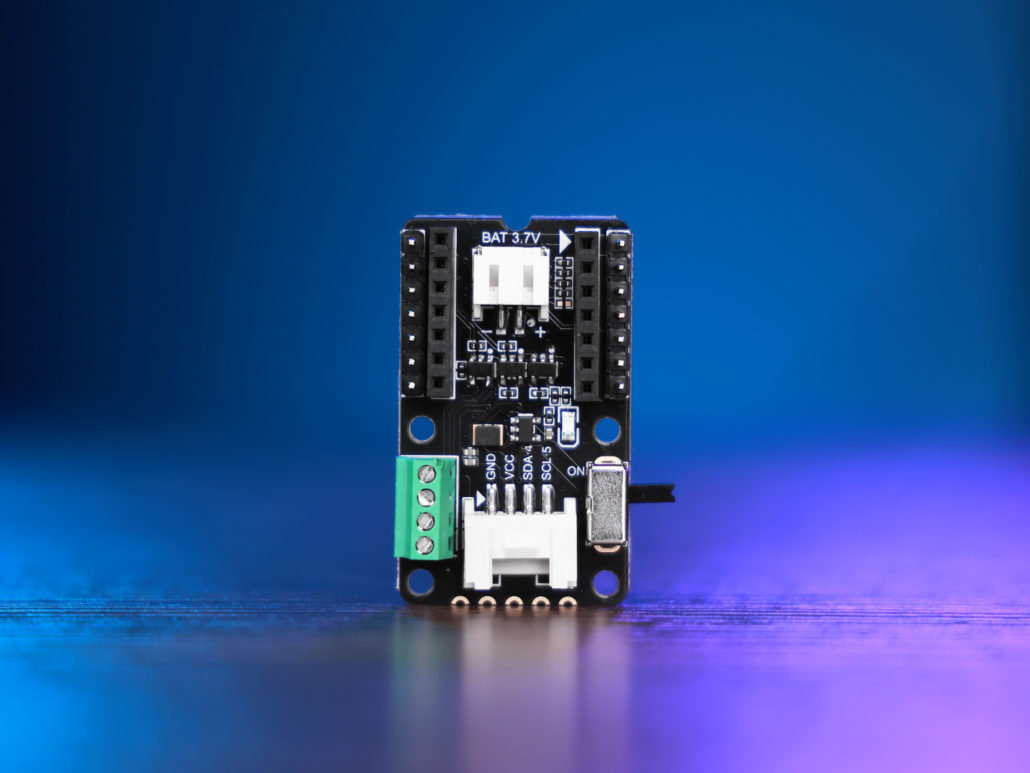
- Add-ons and gadgets such as the XIAO 2-Channel AC Wi-Fi Energy Meter and the Debug Mate made development smoother.
⭐ A MILESTONE
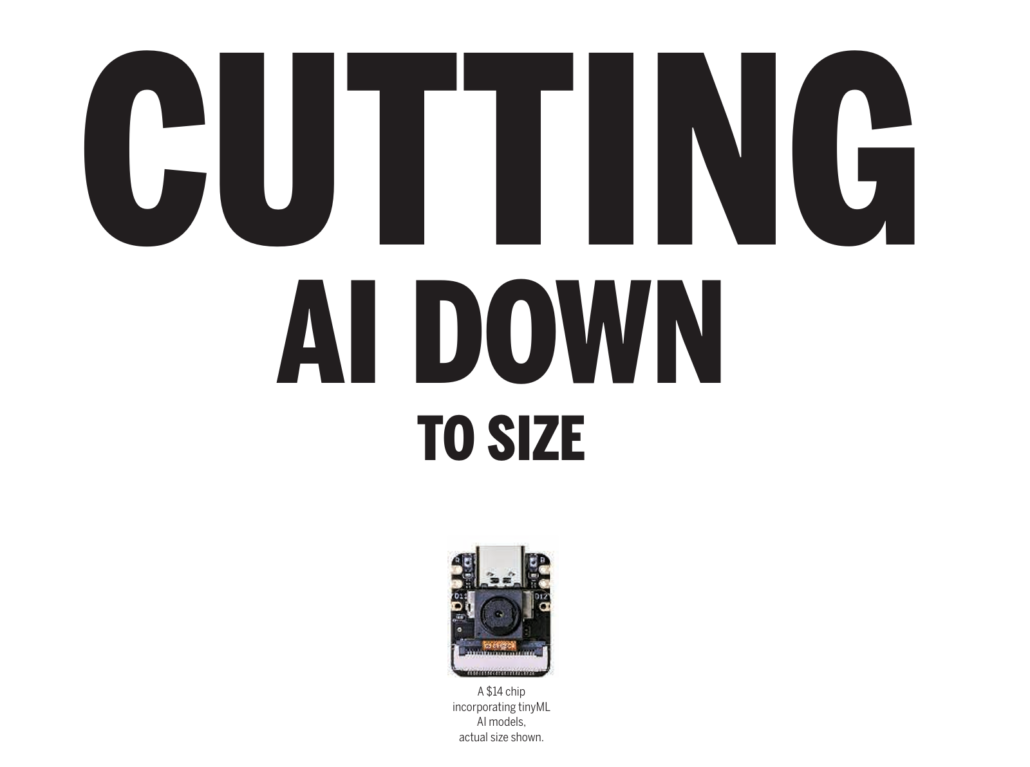
- We are incredibly proud that the XIAO ESP32S3 Sense was featured in Science for its role in a TinyML breakthrough in the Global South. By providing affordable, high-performance AI hardware, Seeed is helping democratize scientific research, enabling developers in resource-constrained regions to build advanced environmental and health monitoring systems.
Collectively, these launches solidified XIAO as the “everywhere computing core” for 2025 — embedded in wearables, smart sensors, robotics accessories, DIY experiments, and even commercial products developed through our Fusion service.
Vision, Sound & Interfaces — Perception That Lives at the Edge
This year, perception shifted from raw data gathering to intelligent, low-power sensing where the device itself can see, hear, and communicate meaningfully.
⭐ SOME HERO PRODUCTS
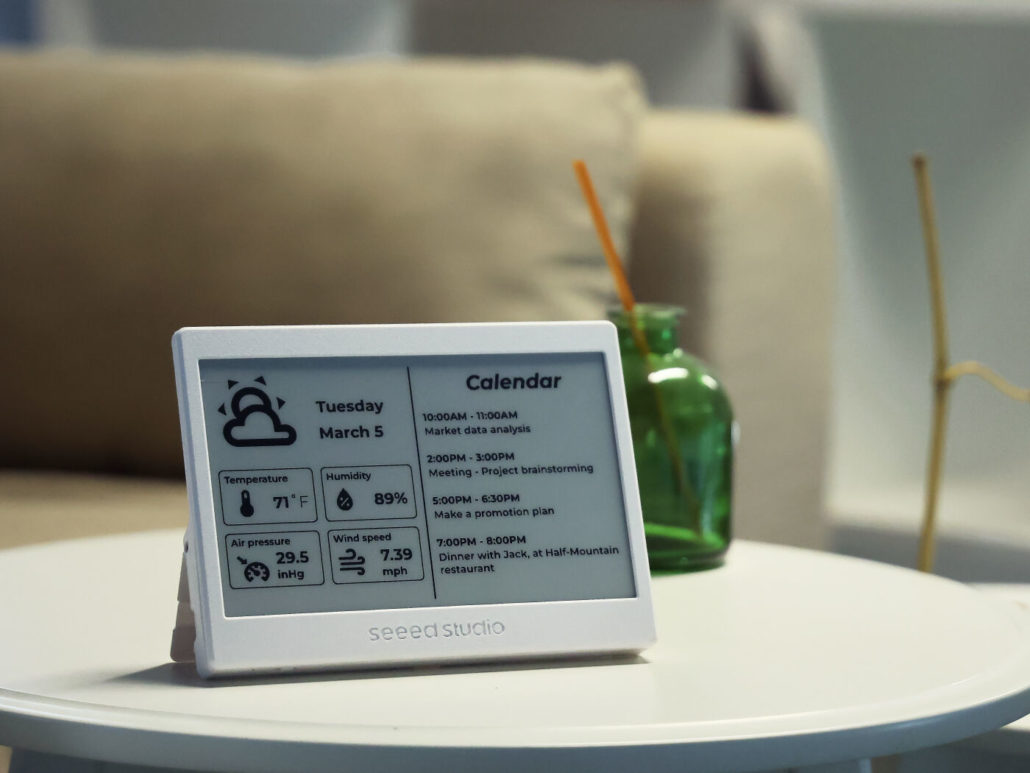
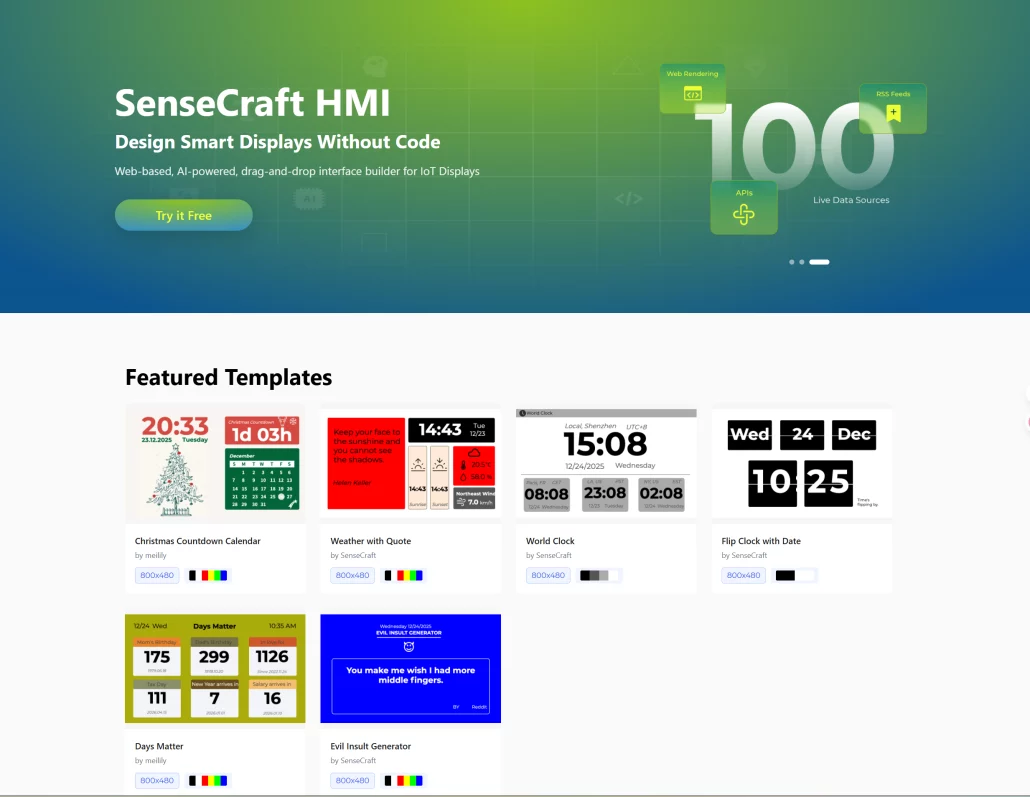
- Our new reTerminal E1001 and E1002 ePaper Displays redefined low-energy HMI. By pairing ESP32-S3 compute with glare-free e-Ink panels, they enabled ultra-efficient dashboards, industrial signage, and environmental displays that can run for months on a single charge, supported by the SenseCraft HMI no-code platform.
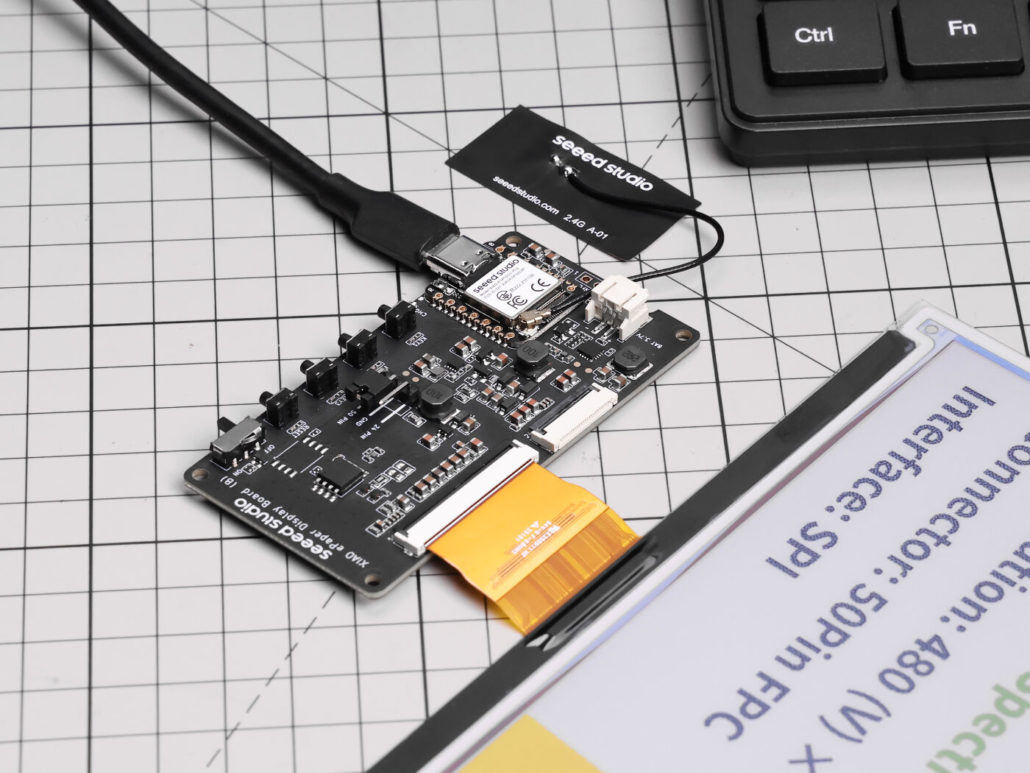
- At the same time, the TRMNL 7.5” DIY Kit empowered developers to assemble custom interactive interfaces using open hardware.
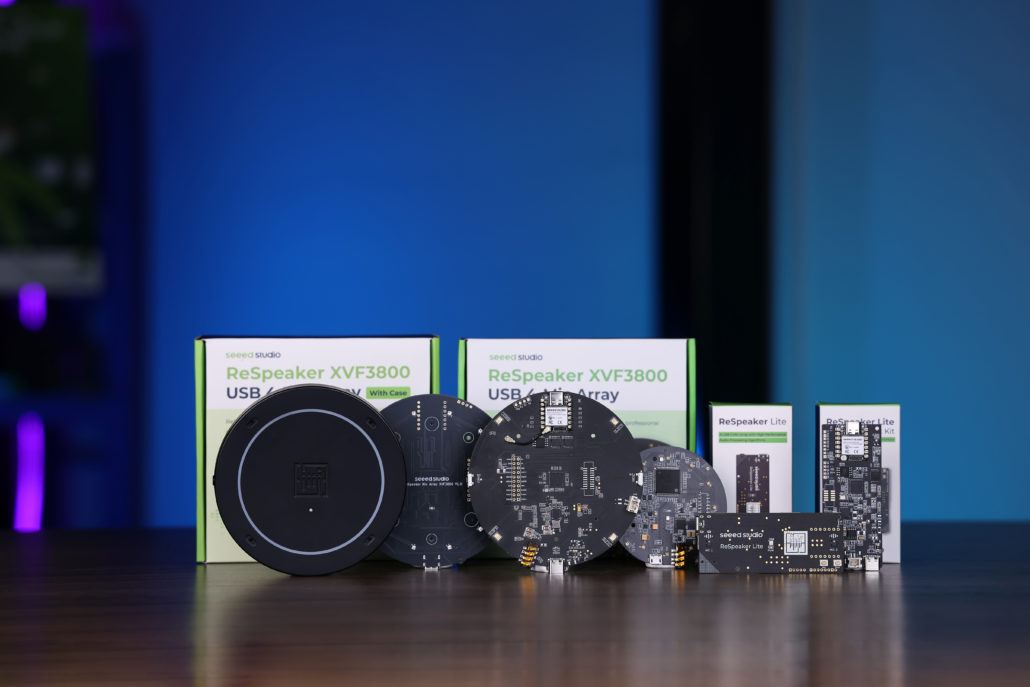
- Sound interfaces also made a major leap forward. The ReSpeaker product line continued to anchor edge-based voice interaction — enabling keyword spotting, natural speech input, and offline control without the cloud.
Together, our vision and sound devices are making perception more natural, local, and energy-aware.
Trackers, LPWAN & Mesh Networking — Intelligent Sensing Across Distance
2025 also marked the rise of off-grid, long-range intelligent sensing. Developers demanded endpoints that were autonomous, rugged, and easy to deploy.
⭐ SOME HERO PRODUCTS
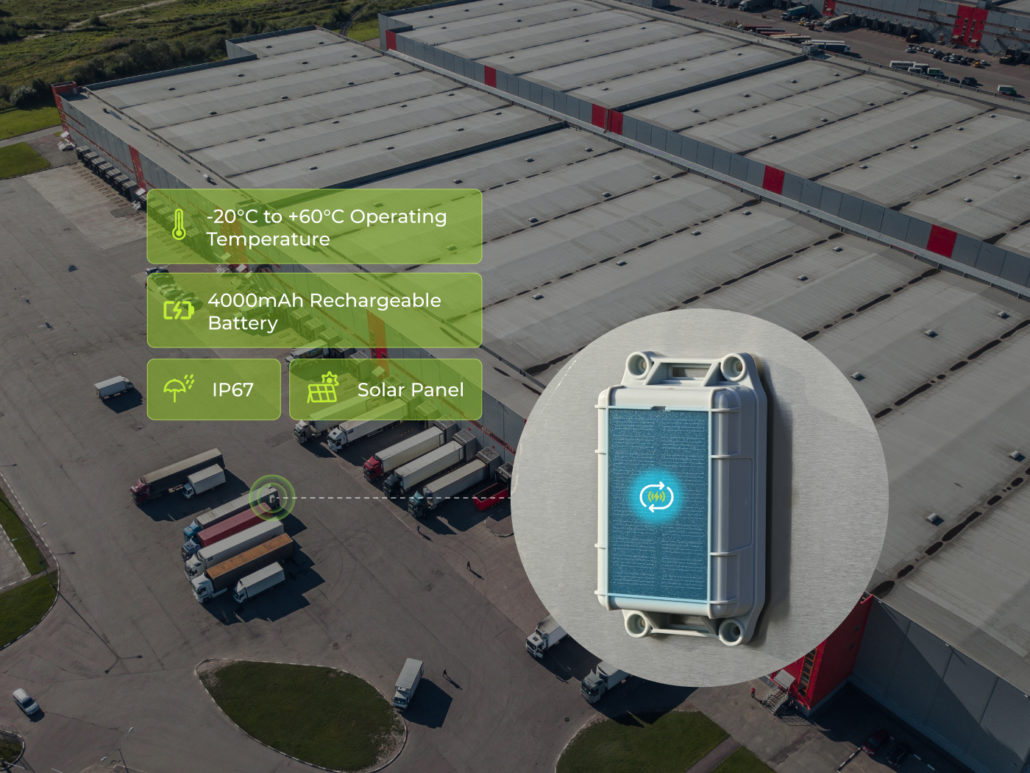
- SenseCAP Asset Tracker T2000 Series is the new benchmark for professional logistics and asset monitoring. Featuring a massive 8000mAh battery (T2000-A) or solar integration (T2000-C), it delivers months to years of maintenance-free tracking. With IP67 ruggedization, anti-tamper alarms, and tri-mode positioning (GNSS, Wi-Fi, BLE), it’s the solution for heavy industry and supply chain visibility.
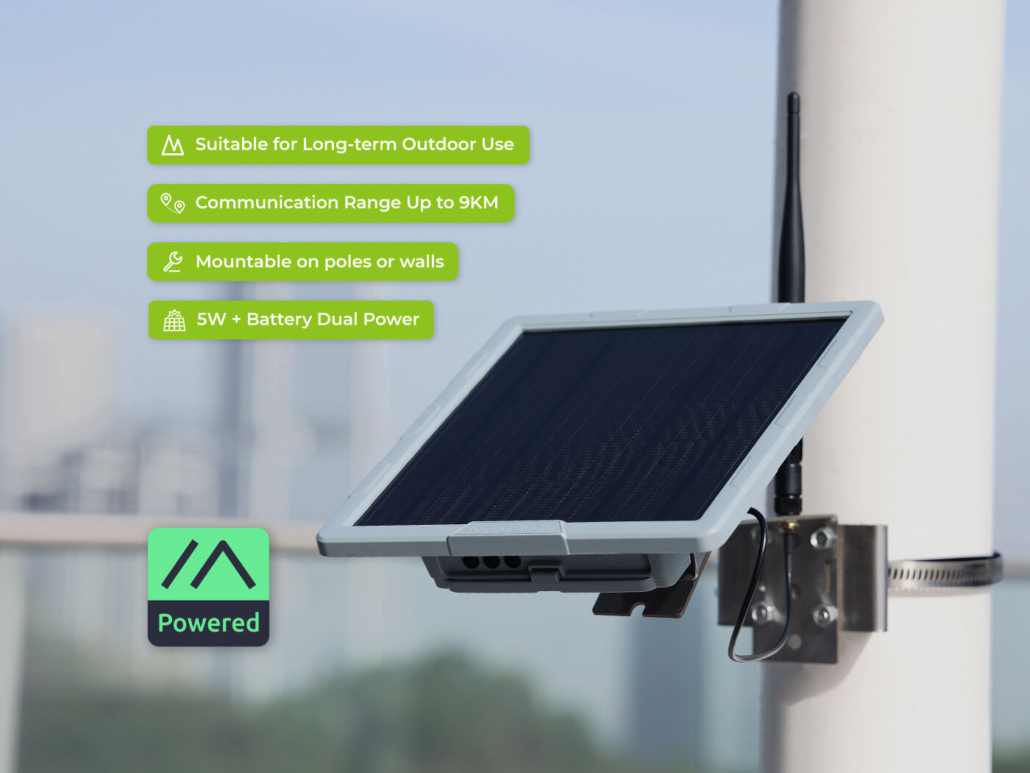
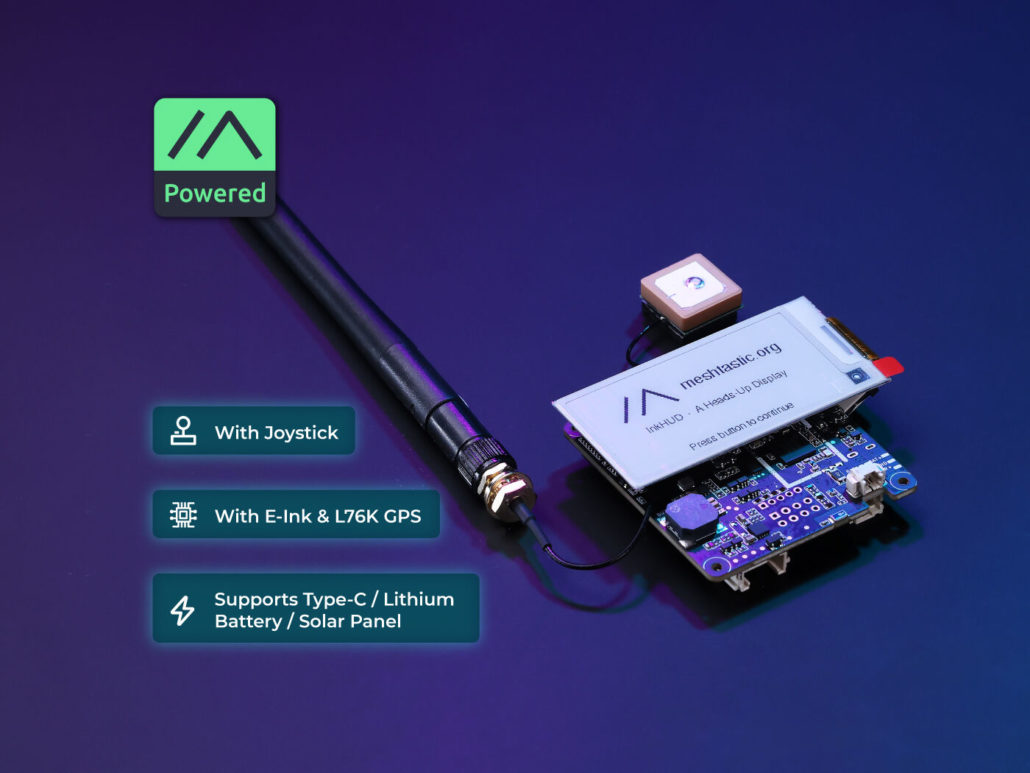
- The SenseCAP Solar Node P1 for Meshtastic is also one of the year’s standout innovations — a solar-powered, always-on, long-range communicator designed for outdoor AIoT networks. Its pairing of solar harvesting, edge processing, and open-source Meshtastic connectivity made it perfect for remote deployments.
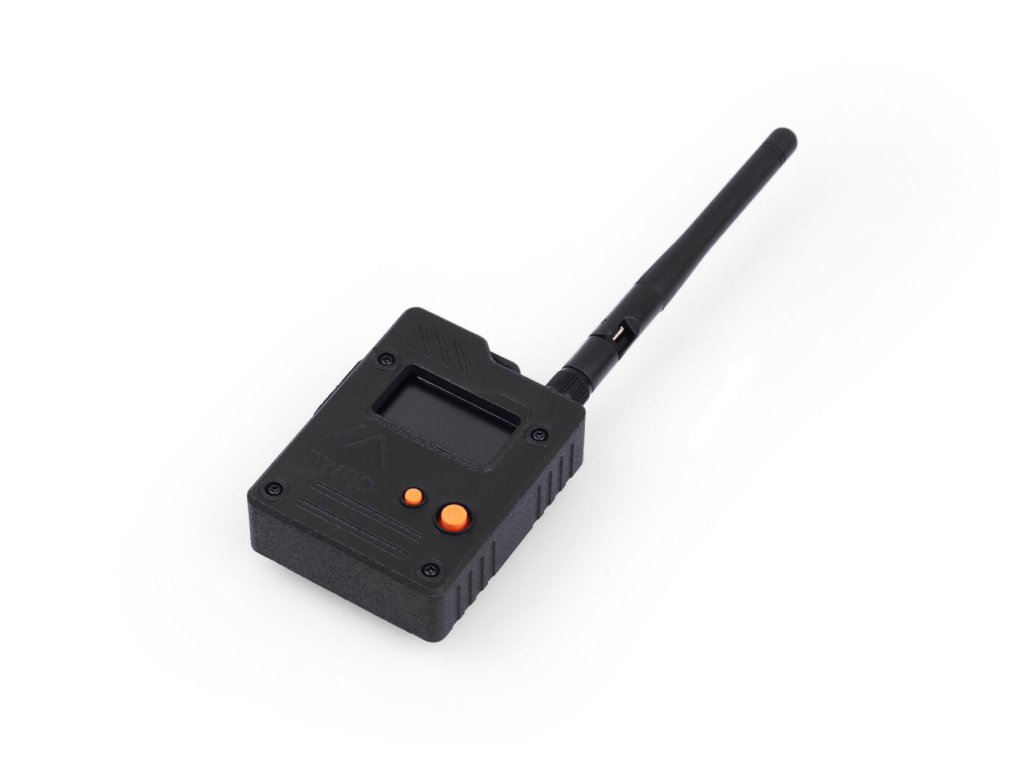
- Meanwhile, the Wio Tracker L1 series — including the L1, L1 Pro, and L1 Lite — delivered reliable GNSS, cellular/LoRa communications, and low-power operation for mobile asset tracking and environmental sensing.
By expanding both industrial-grade trackers and decentralized mesh nodes, we are trying to help developers build networks that are resilient, distributed, and intelligent.
Robotics & Embodied AI — Machines That See, Move, and Learn
Robotics is evolving fast, and 2025 demonstrated how embodied AI is shifting from research labs to workshops and maker spaces around the world.
⭐ A MILESTONE
- Reachy Mini by Hugging Face & Pollen Robotics: together with Hugging Face and Pollen Robotics, we shipped 3,000 units of Reachy Mini. What began as an open-source idea is now a real desktop robot on desks across the globe—a small but important step toward making robotics more open and collaborative.
⭐ SOME HERO PRODUCTS
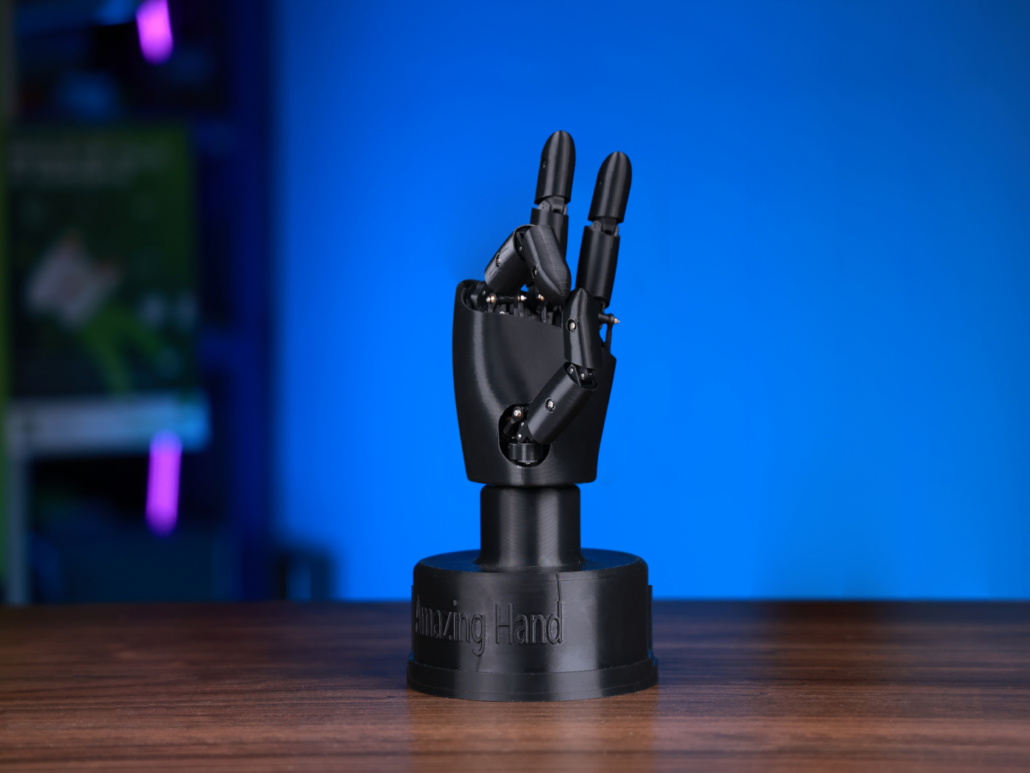
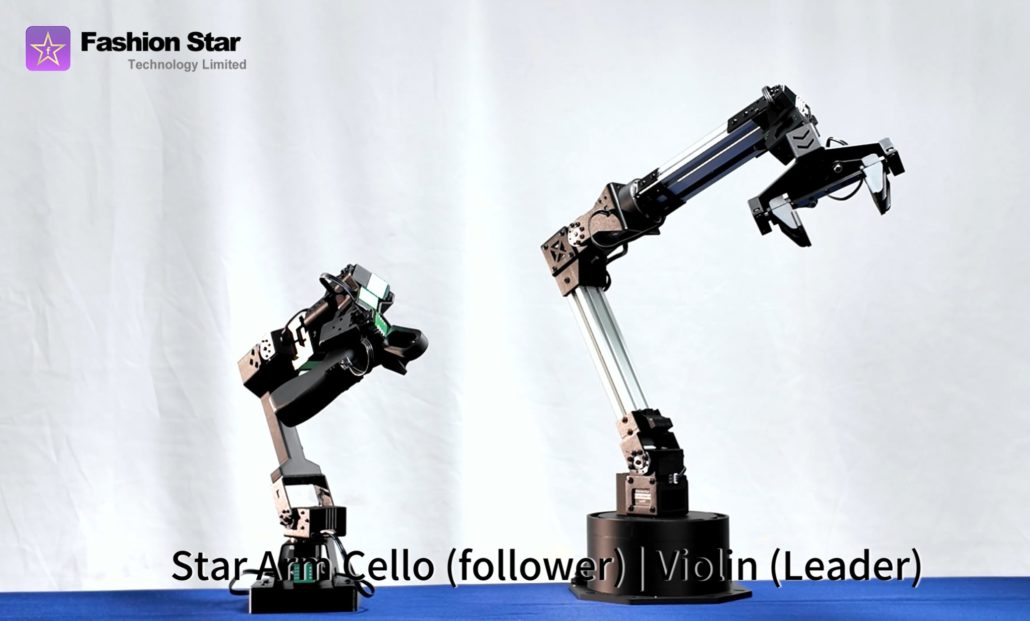
- Fashionstar Star Arm Cello Violin, StarAi Arm family (Violin & Viola) and Amazing Hand Left/Right: These expressive, smooth-moving platforms are central to our robotics strategy, built for imitation learning, reinforcement learning, and LLM-driven control policies. Specially, the Amazing Hand models come with highly articulated robotic hands designed for advanced grasping and motor-skill learning—crucial components for research in physical AI.
Edge Computing & Industrial AI — Performance for the Real World
As AI models grow more capable and multimodal, the demand for rugged, industrial-grade edge computing has intensified.
⭐ SOME HERO PRODUCTS
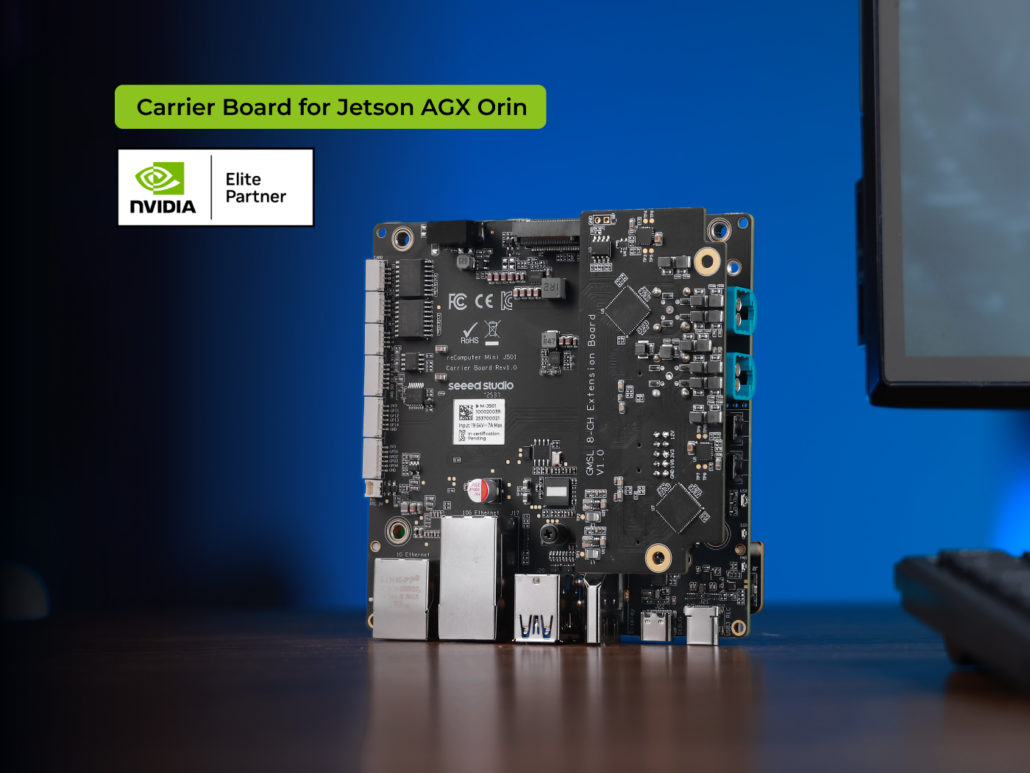
- ReComputer Mini J501 carrier board is a ultra-compact carrier board for NVIDIA Jetson AGX Orin™ modules, perfect candidate for humanoid controller and rapid prototyping.
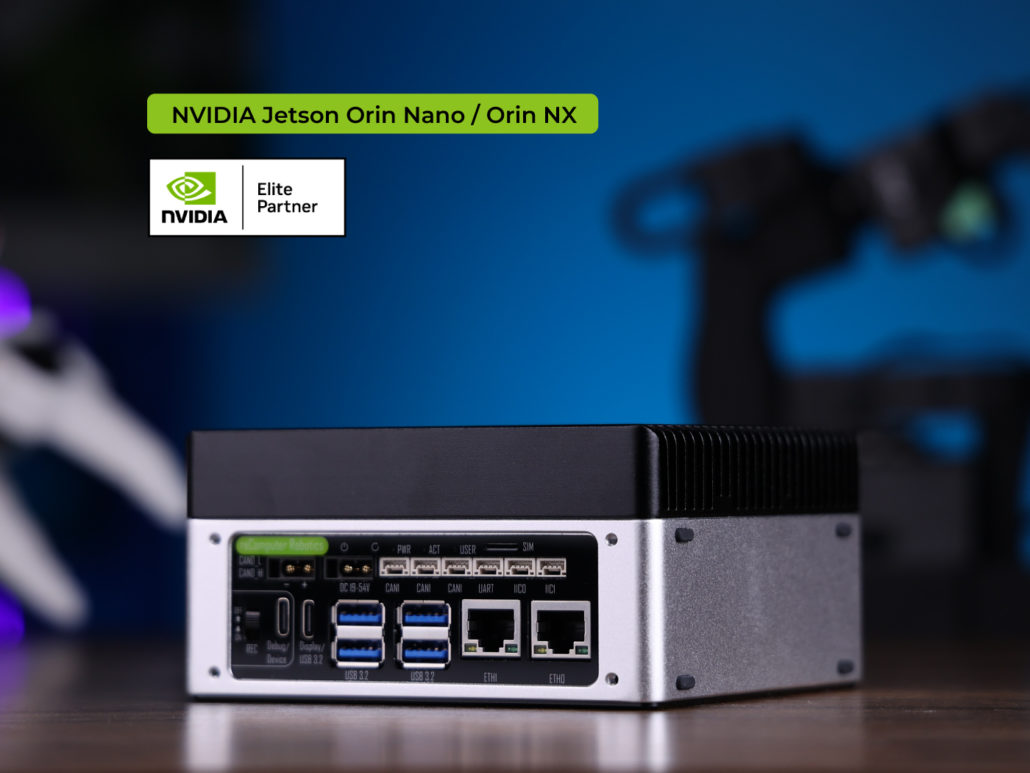
- reComputer Robotics J4012 series offer a powerful platform for sensor fusion and SLAM, serving as the “computational brain” for modern mobile machines.
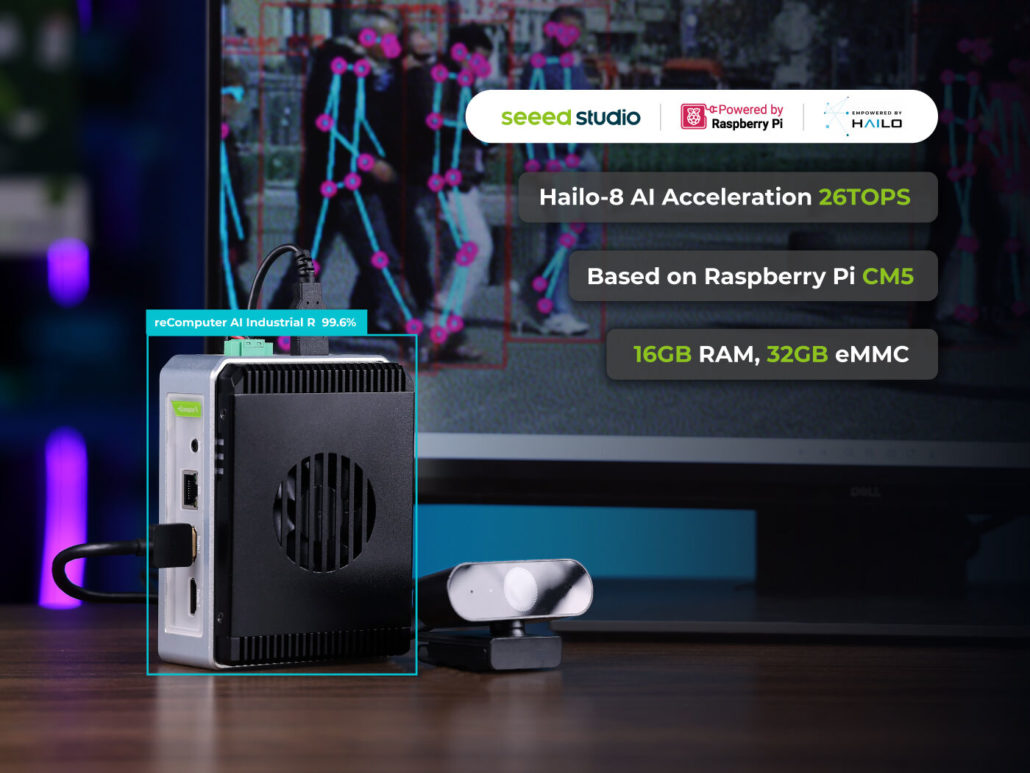
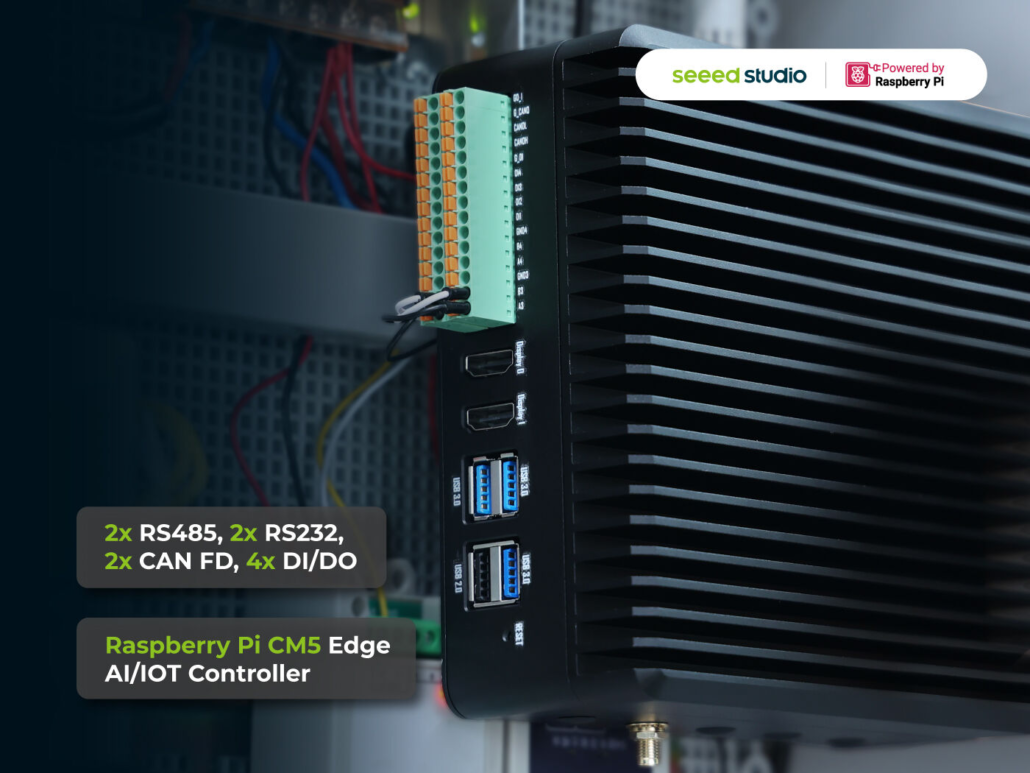
- reComputer Industrial R2000 & R2100 brought together high-performance compute modules and fanless thermal design, enabling reliable deployment in factories, inspection lines, and autonomous systems. These systems were engineered for nonstop environments where robustness matters as much as AI throughput.
Beyond Hardware: Our Shared Future in the Open
Our progress this year wasn’t just about the silicon or the steel—it was about the hands that built them and the community that breathed life into them. As we step into 2026, our commitment is clear: to keep things open, to keep things accessible, and to keep building the physical foundation for a more intelligent, collaborative world.
The journey from millimeters to machines is one we take together. We can’t wait to see what you’ll build next. Let’s keep co-creating the future.