Will Meshtastic be the New APRS?
First, let me answer your question: Meshtastic is introducing a different way to think about decentralized communication. It doesn’t replace traditional amateur radio, it rethinks how data propagates across a network while preserving familiar concepts.
APRS has been the default data layer for amateur radio operators for decades. For those who started from learning what is ham radio to building their own packet workflows, Meshtastic represents the next step in that evolution.
APRS-like Capabilities Inside Meshtastic
Meshtastic® is a LoRa-based, decentralized mesh communication protocol designed for low-power devices. Each node participates in message forwarding, forming a self-healing mesh network without fixed infrastructure.
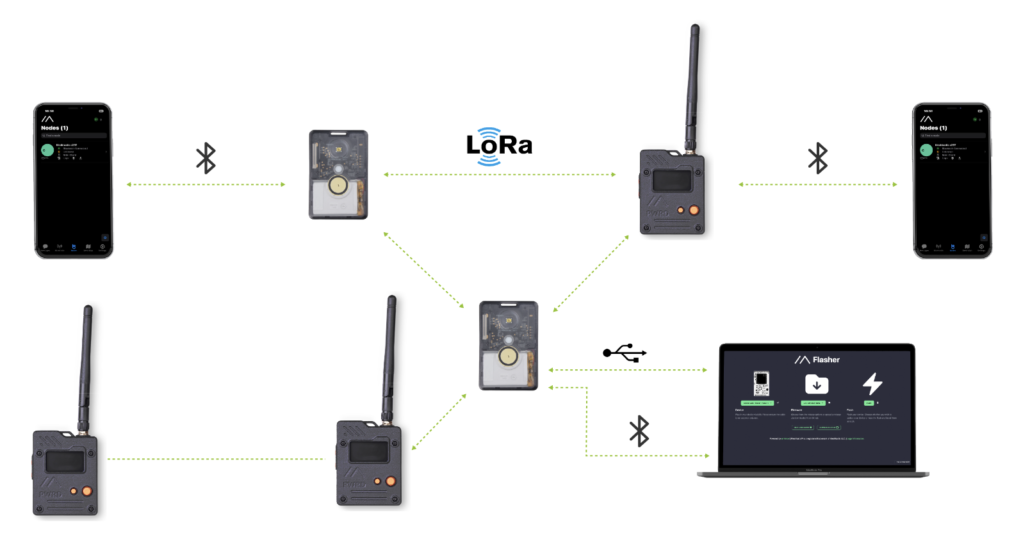
For a seasoned amateur radio operator, experiencing Meshtastic feels familiar. The similarities to APRS are structural: periodic beaconing, position/status broadcasting, and low-bandwidth message exchange.
Projects like Meshtastic are exploring how mesh networks can coexist with or extend ham radio practices. This is where the “ham radio meshtastic” conversation becomes interesting. The discussion is less about replacement, and more about how communication evolves beyond AX.25.
To understand Meshtastic from an APRS perspective
In practice, Meshtastic replicates many APRS-like use cases, but with a different networking model. The difference is less about what you can do, and more about how the data propagates.
| Protocol | Bandwidth | Route | Range Extension | Encryption | |
| APRS | AX.25 | Amateur Band | Store and forward | Digipeaters Reliable | No |
| Meshtastic | LoRa | ISM Band | Flooding-based mesh | Dynamic | Supports Encryption |
APRS is built on AX.25, a link-layer protocol deeply embedded in amateur radio device. It is designed for VHF/UHF amateur bands. Its architecture is tightly coupled with ham radio infrastructure.
Meshtastic, by contrast, is a lightweight protocol on top of LoRa radios. Unlike traditional ham radio equipment, Meshtastic operates in ISM bands and does not require a ham radio license. This lowers the barrier to experimentation, especially for developers who are not licensed operators.
Notice: Please use the device within the frequency band compliant with local regulations.
Meshtastic introduces different encoding schemes, addressing models, and message semantics. There is no direct mapping between AX.25 packets and LoRa payloads without translation logic.
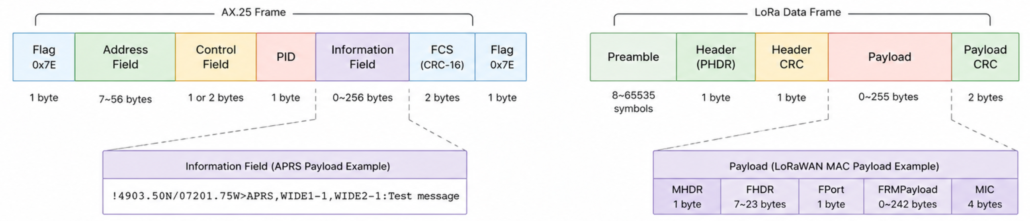
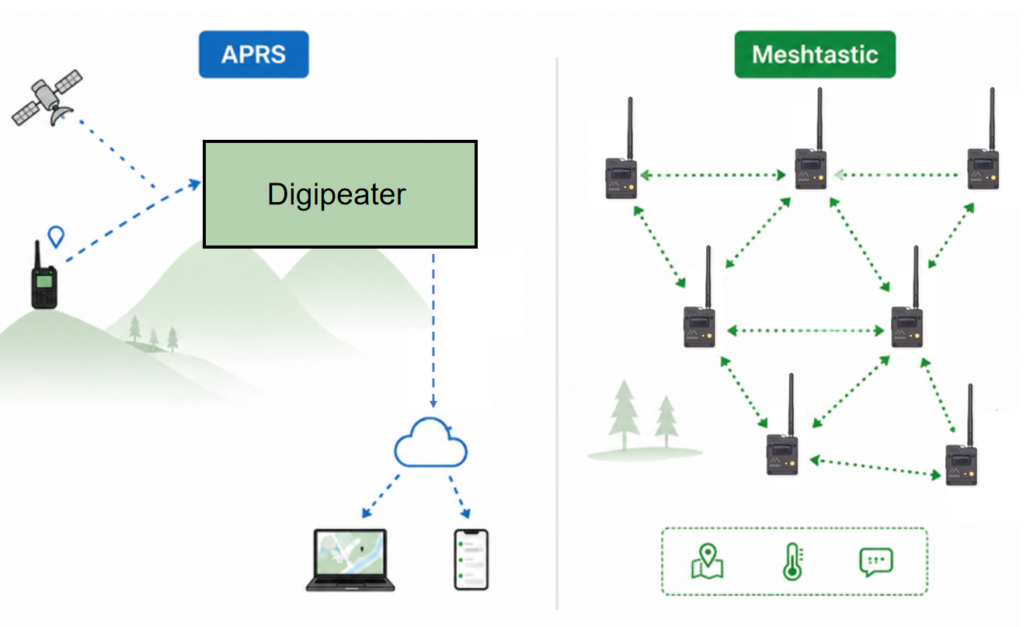
APRS relies on a store-and-forward paradigm. Packets hop through digipeaters, each node making relatively simple decisions about retransmission. IGates bridge RF to the internet, and coverage often correlates with how active the local amateur radio community is.
Meshtastic adopts a flooding-based mesh approach. Messages propagate across nodes dynamically. This results in better adaptability in dynamic or infrastructure-limited environments.
Where APRS and Meshtastic Meet the Map
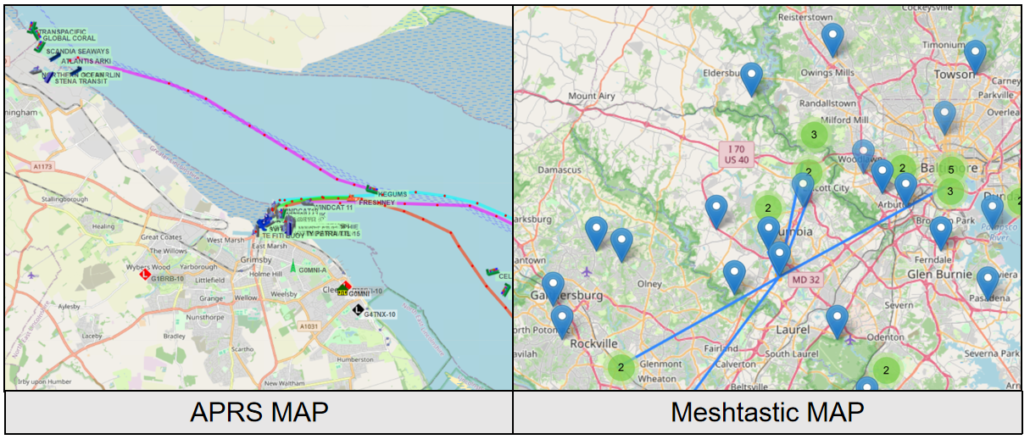
For radio operators, data only becomes actionable once mapped. Both systems offer Situational Awareness (SA), but with different operational philosophies:
- APRS: Integrated via I-Gates into aprs.fi, it is the gold standard for global visibility. However, as amateur bands forbid encryption, your coordinates are permanently public. It’s a worldwide dashboard for the community.
- Meshtastic: Built for the field, Meshtastic prioritizes offline tracking. Using the App, you can download terrain tiles to track teammates without cell service. Most importantly, AES-256 encryption ensures your location is visible only to your group, not the public web.
Why Ham Radio Enthusiasts Should Care About Meshtastic
For many ham radio starters, the radio journey starts with passing a ham radio test, but it rarely stops there. For experienced ham radio operators, Meshtastic is the extension of the toolkit:
- Rapidly prototype new communication logic
- Collaborate with non-licensed developers in ISM bands
- Experiment beyond traditional digipeater constraints
Meshtastic complements the traditional amateur radio workflow rather than competing with it.Unlike many legacy ham radio equipment ecosystem, Meshtastic is deeply developer-oriented. Firmware is open, APIs are accessible, and the community actively builds integrations, tools, and extensions. For those who have ever wanted more control over their handheld ham radio stack—beyond configuration menus and vendor software—this is a significant shift. You are not just operating a device—you are defining network behavior at the protocol level.
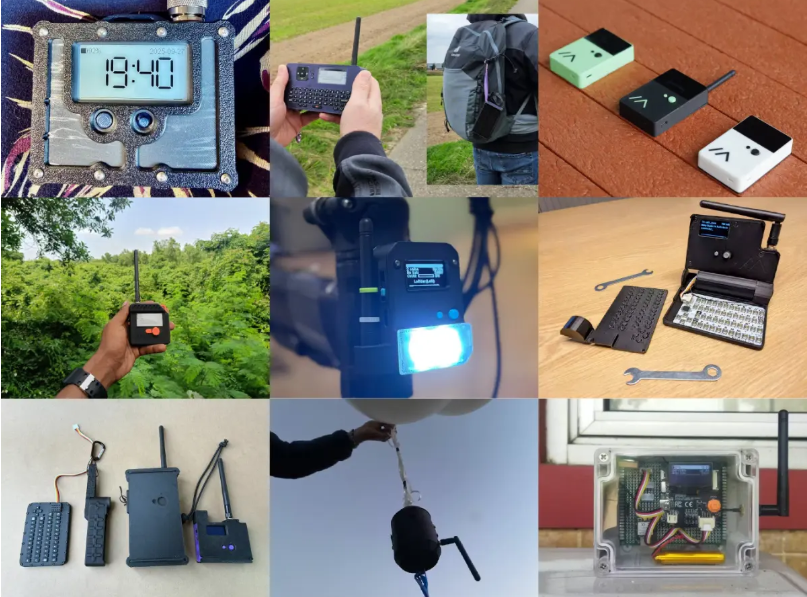
Meshtastic excels in off-grid scenarios. Compared to traditional handheld ham radio setups, this shifts the focus from voice communication to programmable data networking. A handful of nodes can form a resilient communication network in remote environments, without relying on repeaters or internet gateways. For field operations, hiking, disaster drills, or just experimentation, this creates new possibilities.
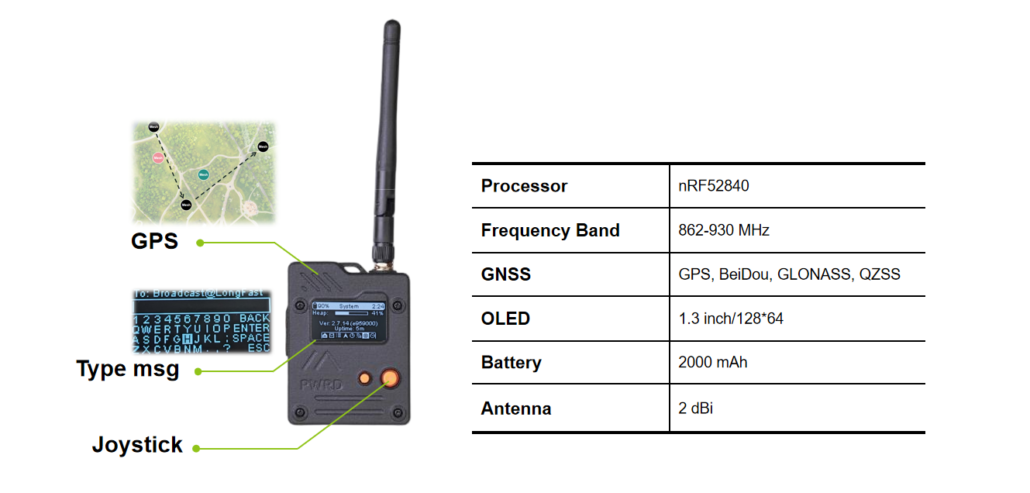
For many in the ham radio community, the question is no longer “APRS or Meshtastic”—but how both can coexist in a modern communication stack. For those who prefer not to build hardware from scratch, devices like the Seeed Wio Tracker L1 Pro let you deploy a Meshtastic node in minutes—without dealing with hardware assembly or firmware setup. L1 Pro is a compact device integrated LoRa, GPS, 2dBi antennas and 2000mAh batteries. It fits both field deployment scenarios and developer experimentation workflows.
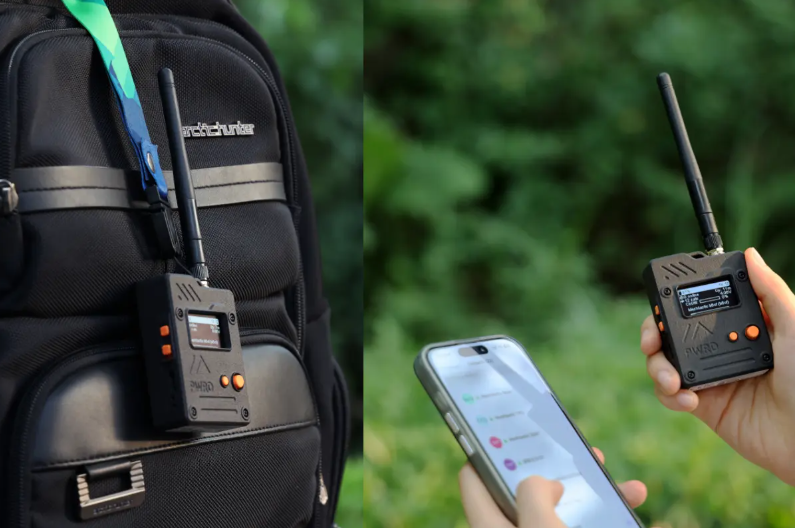
For a ham radio hobbyist, this dramatically lowers friction significantly. You can go from curiosity to a working node in minutes, then iterate—tweak parameters, test range, observe mesh behavior, or even integrate it into a broader experiment.
Meshtastic is not a replacement for APRS—and it doesn’t try to be. For those who have spent years around packet radio, digipeaters, and APRS networks, it introduces something refreshing: a system that feels familiar , while introducing a fundamentally different networking model. And for those exploring beyond traditional ham radio setups or looking for a lightweight “ham radio starter” alternative for data communication, Meshtastic offers a fast, developer-friendly entry point into decentralized radio networking. Whether you’re just past the stage of asking “what is ham radio” or already passing the ham radio test, Meshtastic opens up a different layer of experimentation.
About Author
