A quick report from Maker Faire Trieste
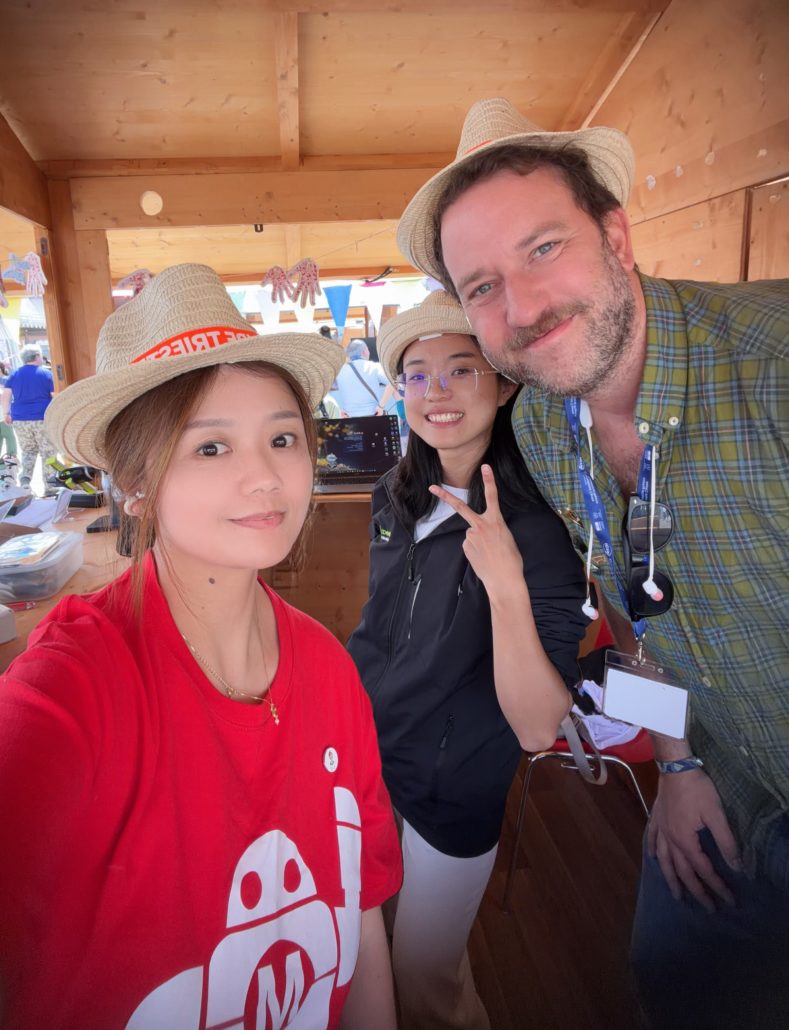
A few notes on last weekend, that I (Davide Gomba) spent with Yu Ye and Ray Huang from Seeed, at Maker Faire in Trieste in the north east of Italy, close to Slovenia Austria and the Balkans.
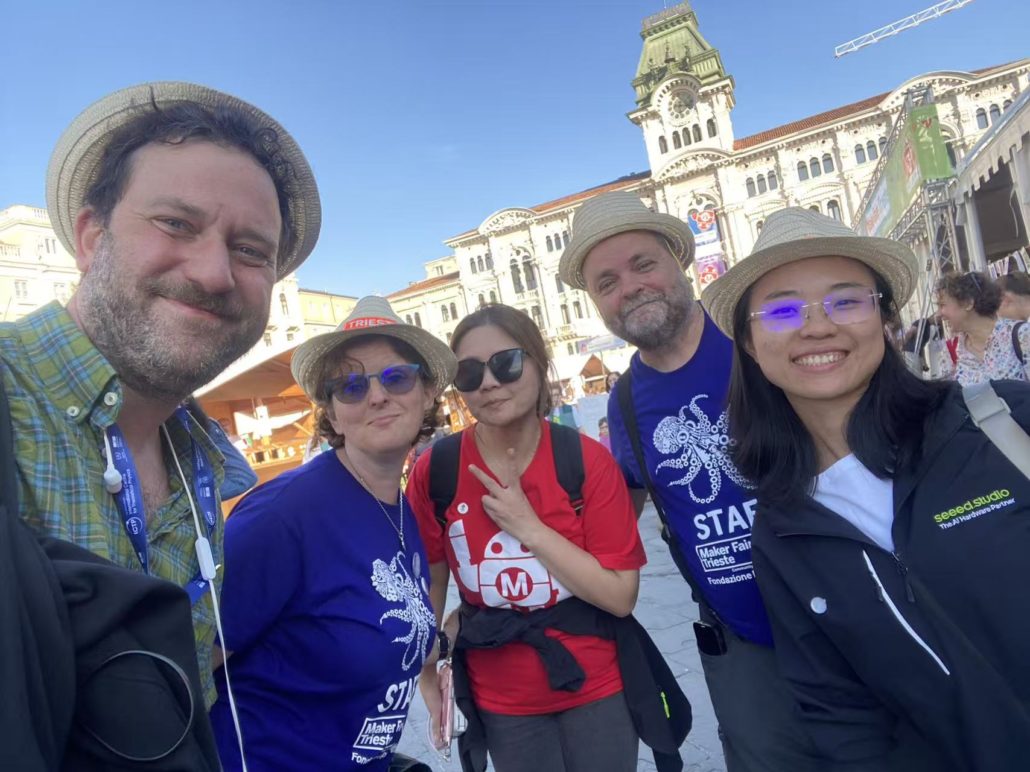
A quick aside: I’m writing here as a Seeedstudio Ranger, but during my long career in the maker community, I’ve also had the honor of organizing Maker Faires myself, especially the one in my hometown: Turin. I have immense admiration for Carlo and Gaia (pictured above with us) for having continued, since their first year (2014), to organize this event, which has had a tremendous impact on northeastern Italy and even on neighboring countries. At the fair, you often hear people speaking Slovenian, Croatian, Serbian, and German. In this sense, Maker Faire Trieste is a direct reflection of its city, Italian yet projected into Central Europe.
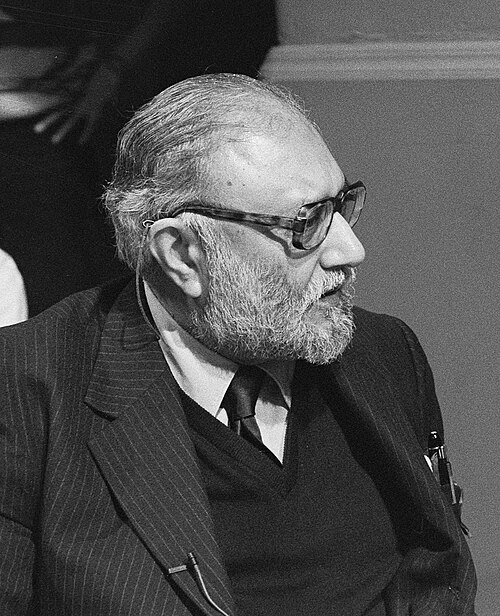
(Nobel Prize winner in 1979)

The event is organized by the ICTP, an international Research Physics center founded in 1964 by the great Pakistani physicist Abdus Salam (Nobel Prize winner in 1979), that lived and tought in Trieste for more than 30 years. Throughout the fair, there were numerous references to the physicist’s life, as he would have turned 100 this year.
What did we bring to Trieste?
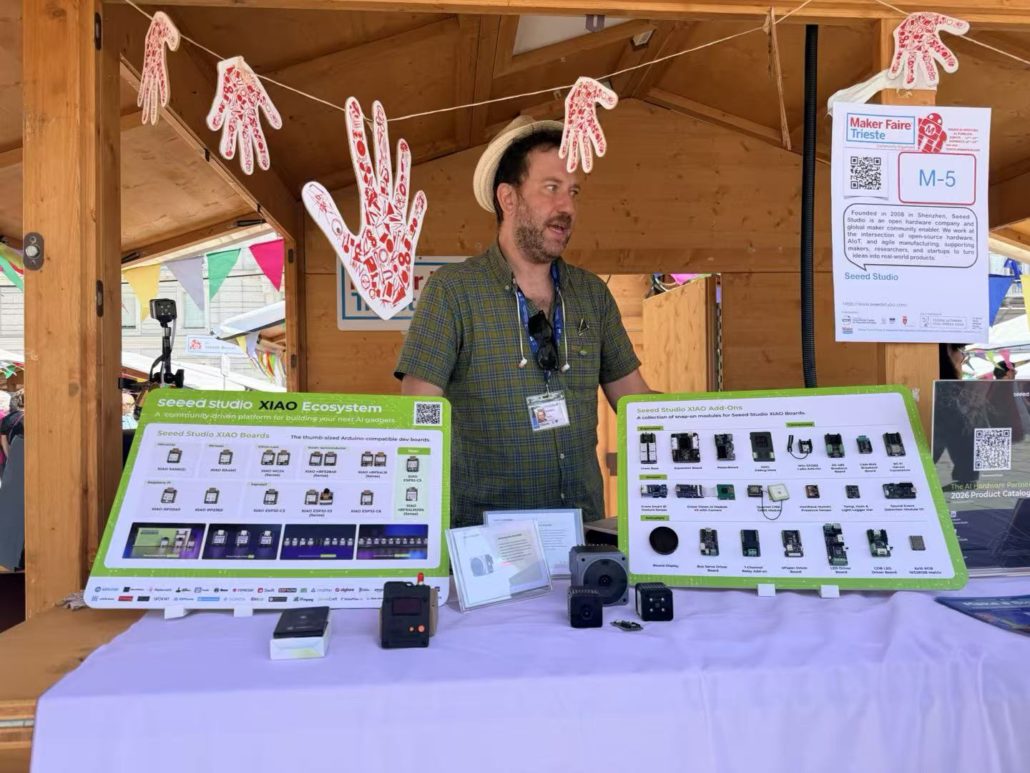
Prototyping and Development.
The many curious visitors and makers who stopped by our booth were certainly very impressed by the Xiao Microcontroller Ecosystem and its integrations on various boards, not least the rich ecosystem of Grove modules capable of producing a prototype in no time and allowing one to focus on firmware and battery management while initially leaving the breadboard and soldering iron behind.
Moving into production
Moving from prototype to production – as requested by the many university students or members of makerspaces, hackerspaces, and fablabs we’ve seen – we discussed and promoted the Fusion service for PCB and PCBA manufacturing and assembly.
This is very straightforward because Seeedstudio releases reference designs for a wide variety of boards, making it easy to build upon existing work—much like “standing on the shoulders of giants.”
Robotics, AI and Computer Vision
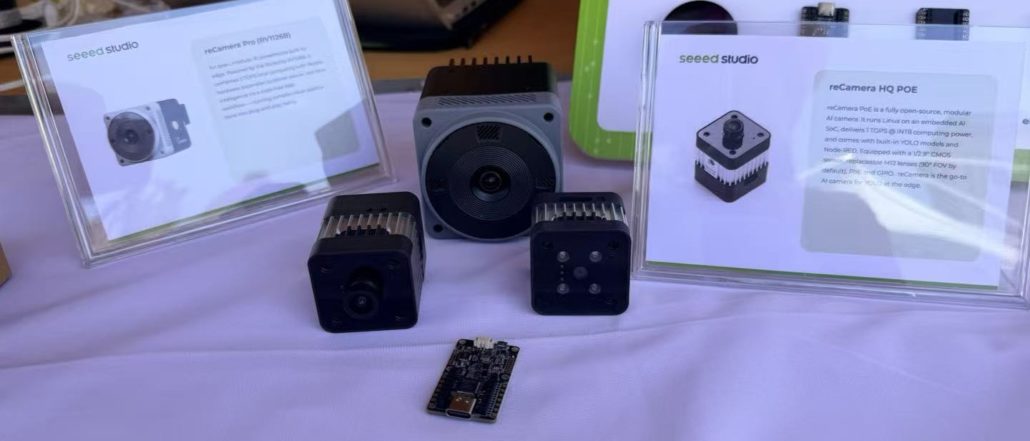
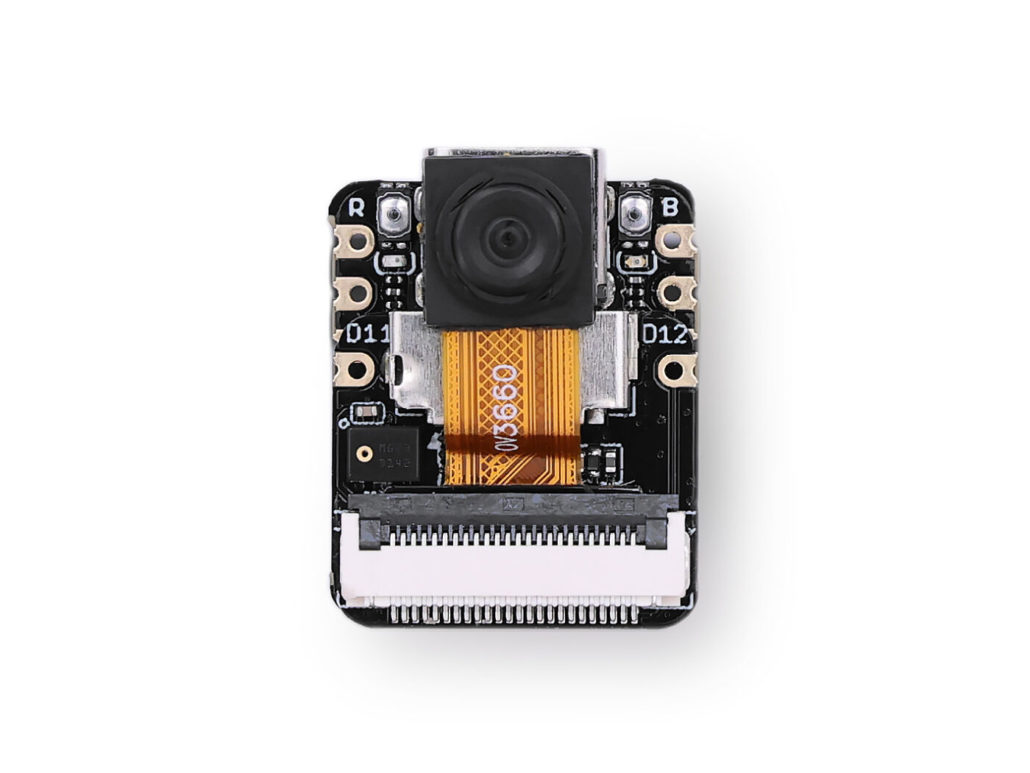
Many reCameras (among which, a new product debut!) demonstrated the advanced capabilities of YOLO11 and Node-RED on a small modular camera aimed for industrial and educational world
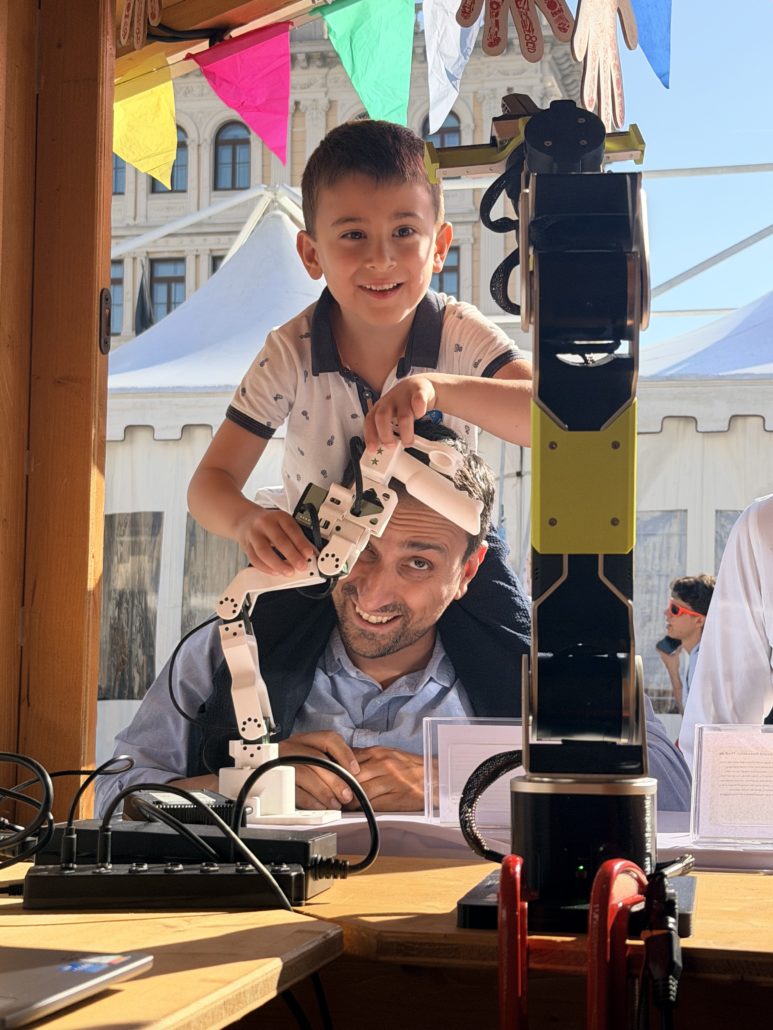
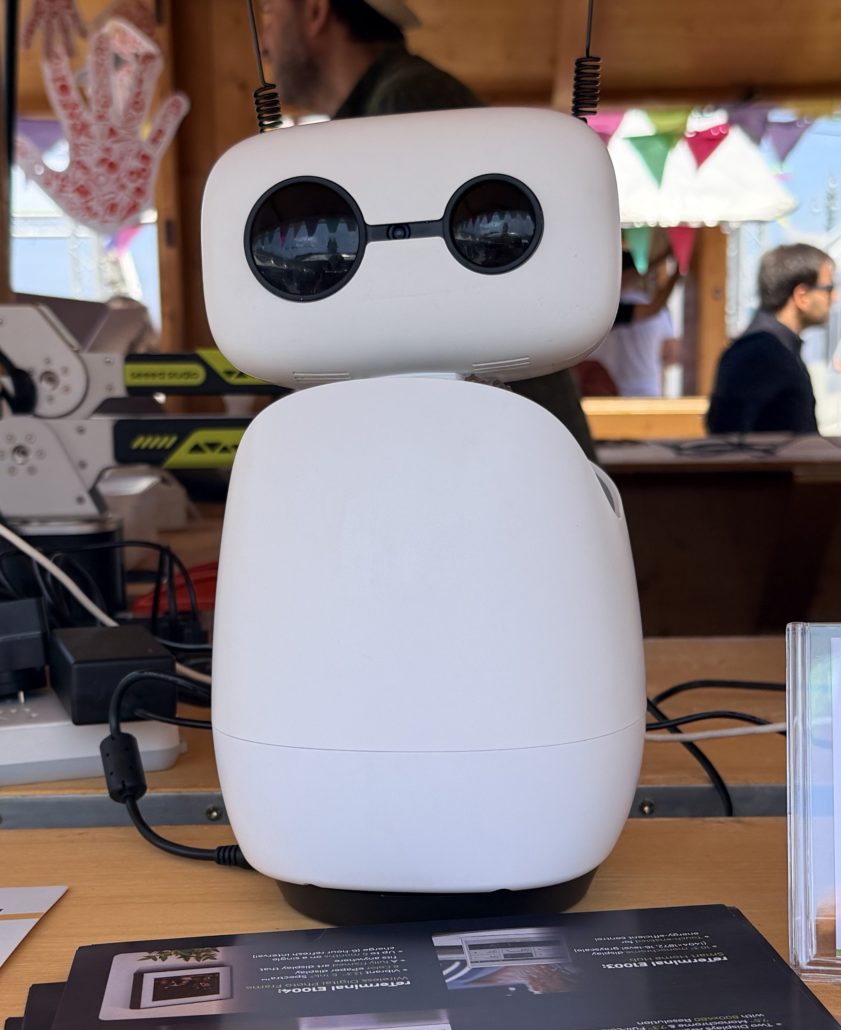
Naturally, the legendary Reachy Mini and the reBot robotic arm took center stage, both the result of a highly productive collaboration with Hugging Face and Pollen Robotics.
Workshops & Activities
I led two workshops. I decided to hold them on one side of the small wooden huts provided to the makers, to make the atmosphere more intimate and also to extend the workshop, effectively turning it into a long “show and tell” session on Seeed’s technology and integration.
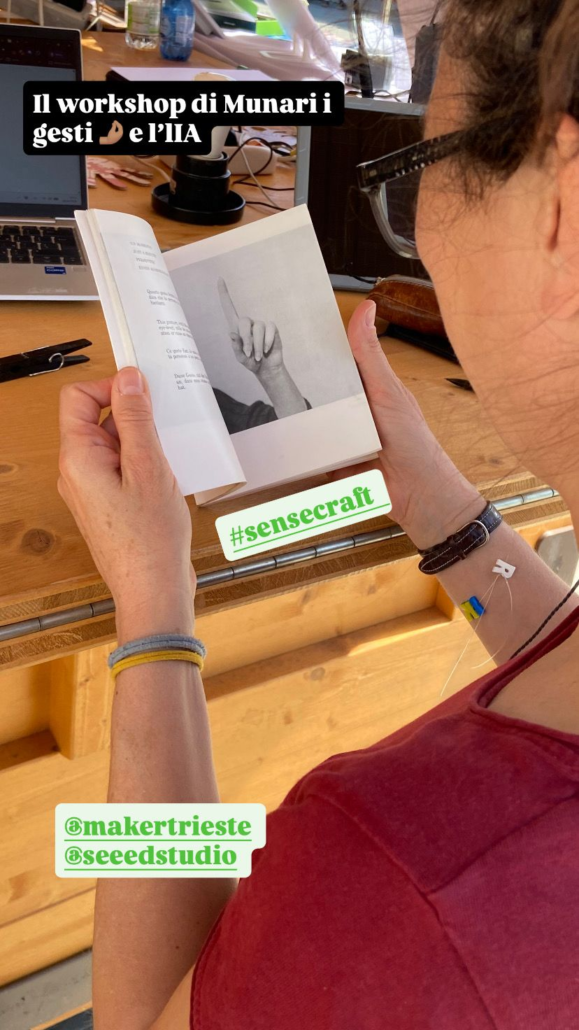
Here, throughout Saturday, I demonstrated and then led the gesture workshop based on Italian gestures (which I also recently presented at MOME in Budapest – if you’re curious, there’s even a repository for you to follow) based on Sensecraft AI platform and the Xiao Sense.
The challenges of this workshop are two: get to know the Sensecraft AI platform and learn how to create a Classification model able to discriinate between at least two classes (we eventually did 4): no gesture, and a gesture. We added the “horn” and the ifonic “what” 🤌🏼
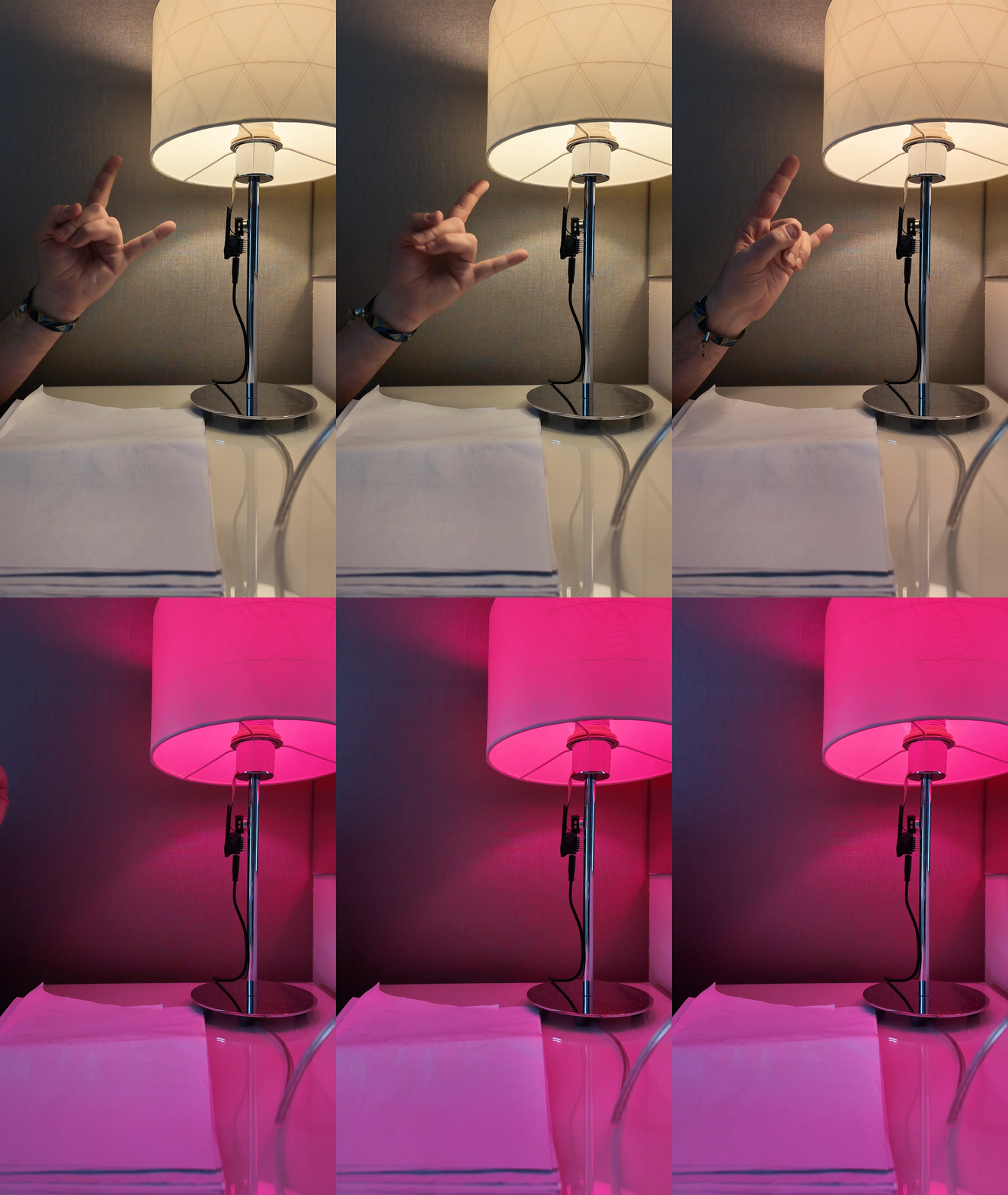
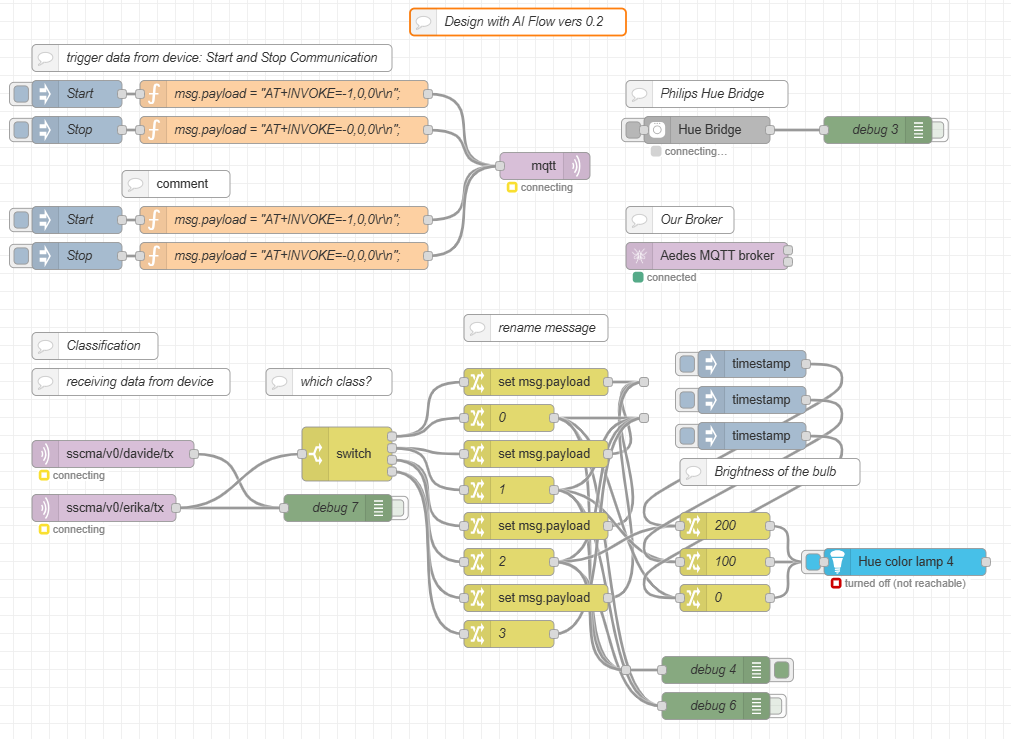
Later we used Node-RED to host and MQTT broker and connect the Xiao to the broker. Node-RED would listen to the gestures read by the Xiao Sense and trigger different colours on the Philips Hue light bulb using HueMagic node.
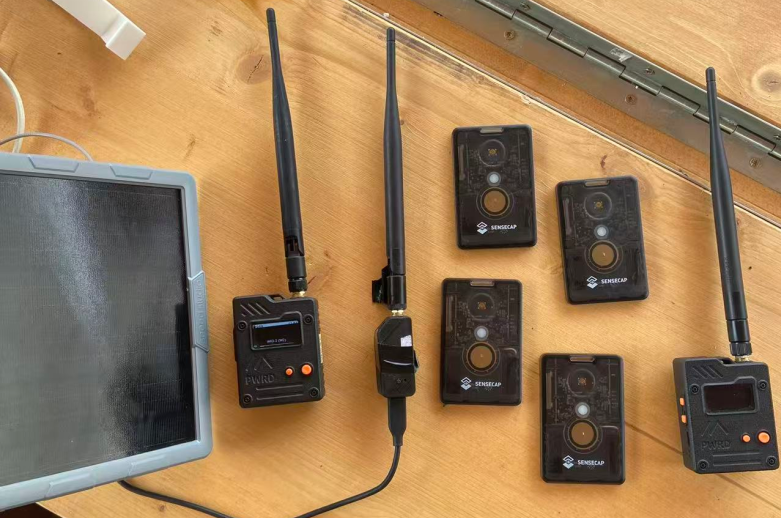
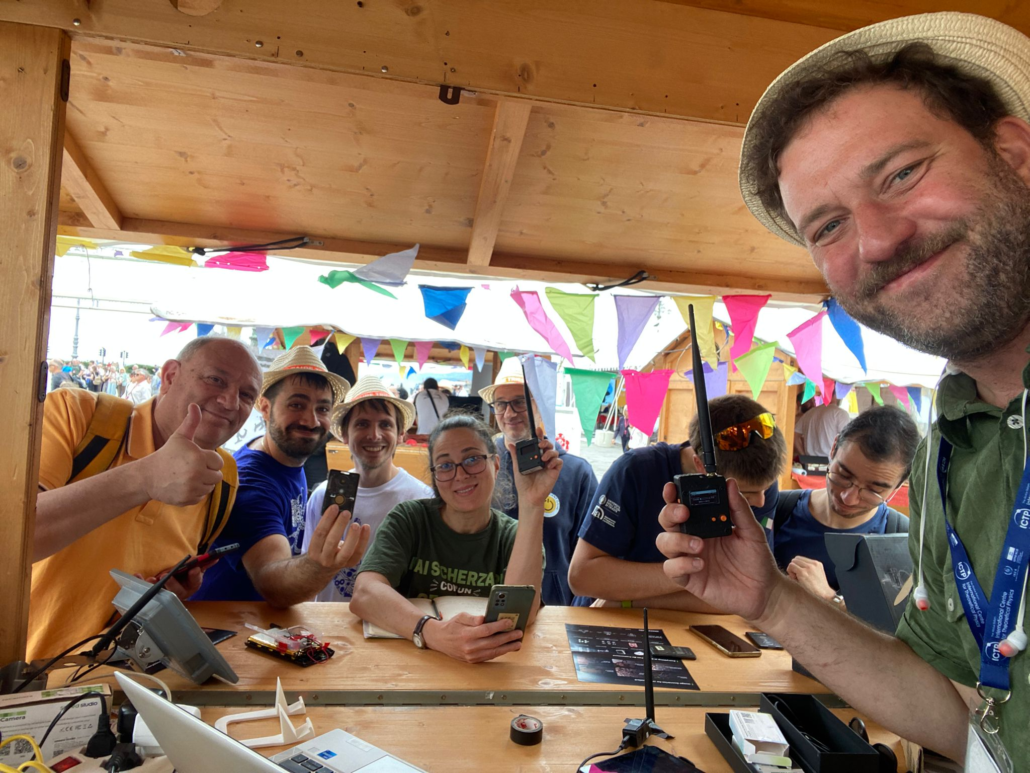
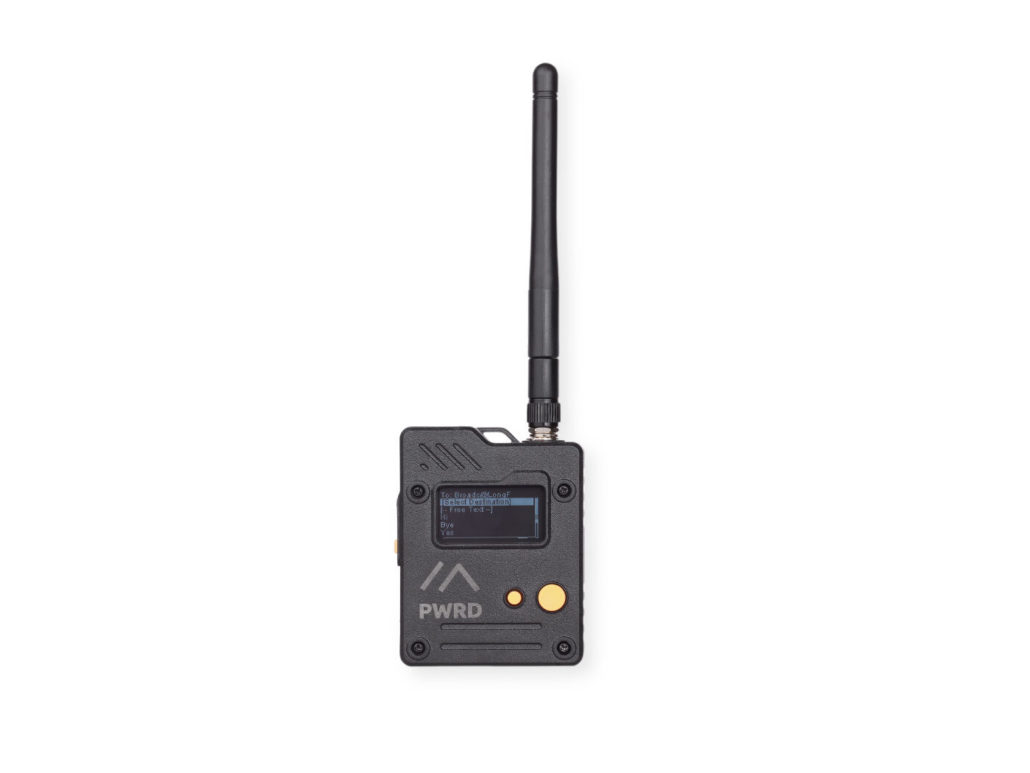
On sunday we had a super fun workshop on Meshtastic and other Mesh tools, inspired by the Radio Game held at Maker Faire Shenzhen 2025. We went throough an introduction about Mesh tools like Bitchat, Meshtastic, Meshcore ad Reticulum. Then We flashed the Meshtastic Radios using the flasher, checked the web client, and went throutgh the different mobile apps. Once everybody was set up we started chatting over the common channel and later by creating our very first group.
In the end, we discussed about Mesh controlled devices, like the one I made with Meshbot.

See you at the next event!
下次活动见!
About Author
