The Hypnotize Dress: A Fashion Tech Piece That Reads Your Concentration Performance Powered by Seeed Studio XIAO

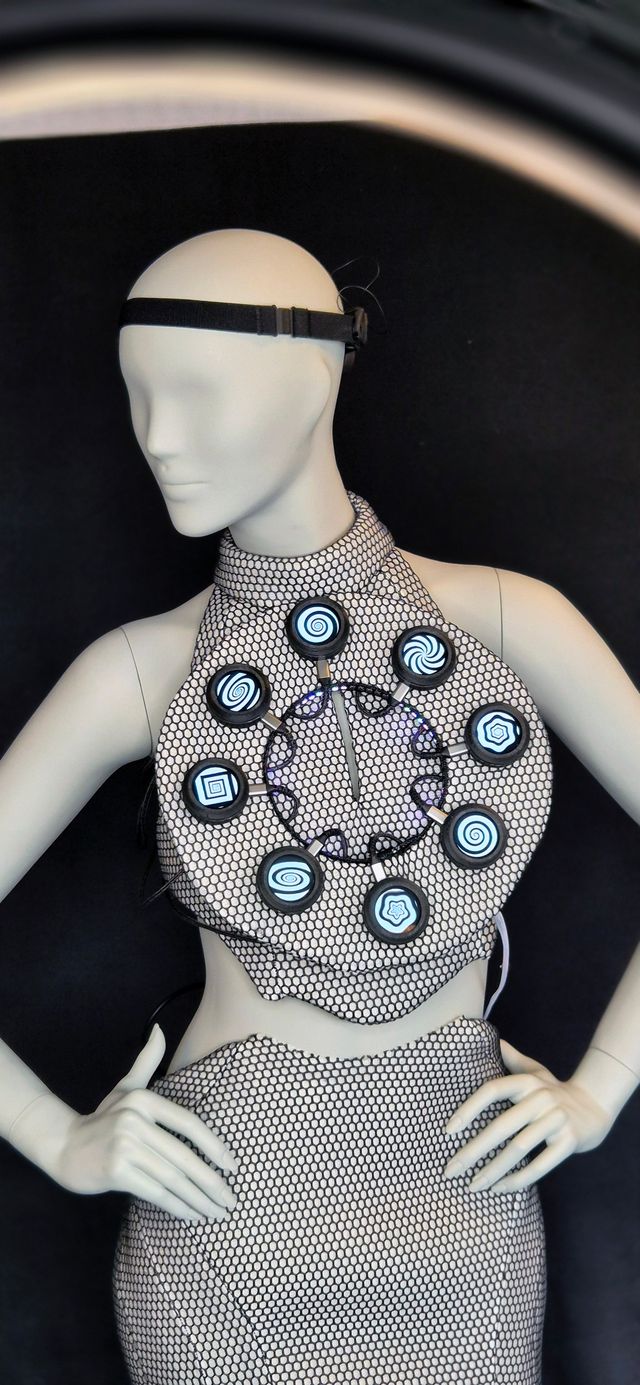
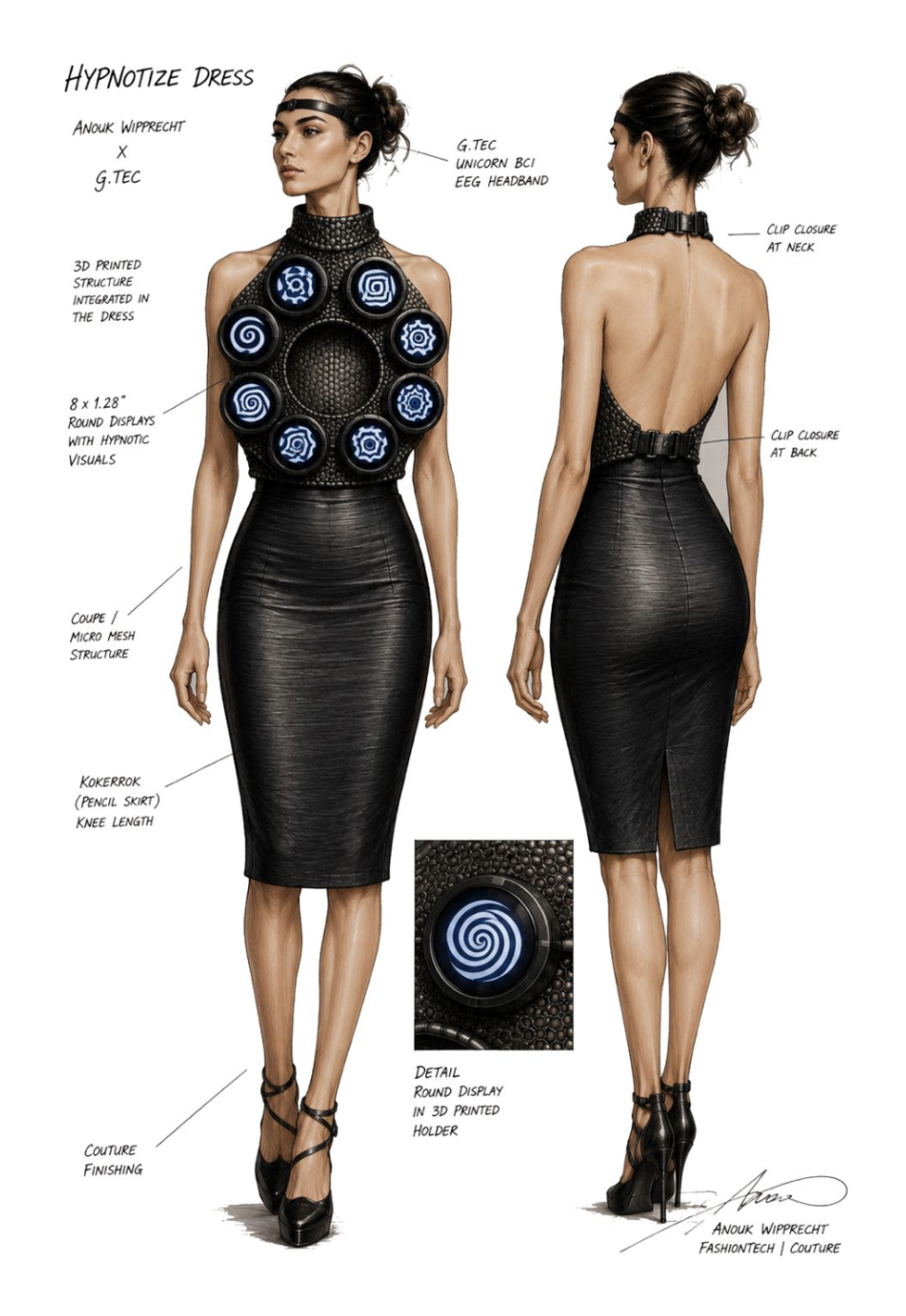
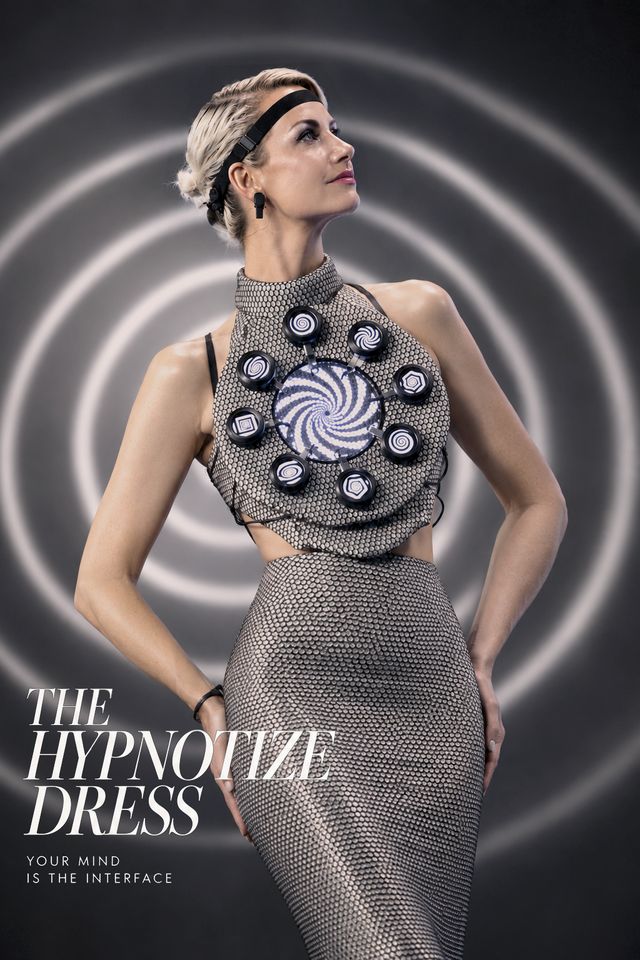
The Hypnotize Dress is a new FashionTech prototype by Dutch designer and engineer Anouk Wipprecht, developed in collaboration with neurotechnology company g.tec. Eight combinations of the Round Displays for XIAO and XIAO ESP32-S3 sit in a ring across the chest, spinning hypnotic black-and-white patterns. The speed of those patterns isn’t set by a dial or an app — it’s set by how hard the wearer is concentrating.
What if a garment could respond to what’s happening inside your brain?
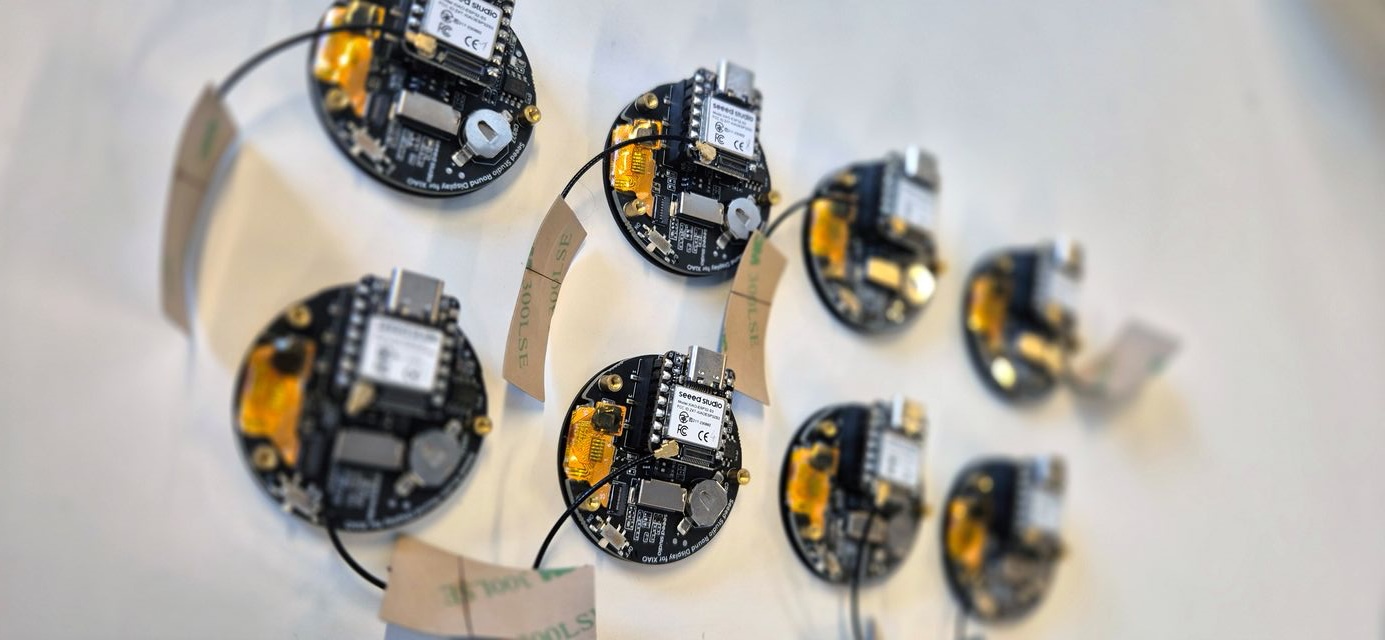
That’s the question behind the Hypnotize Dress, a new FashionTech prototype by Dutch designer and engineer Anouk Wipprecht, developed in collaboration with neurotechnology company g.tec. Eight combinations of the Round Displays for XIAO and XIAO ESP32-S3 sit in a ring across the chest, spinning hypnotic black-and-white patterns. The speed of those patterns isn’t set by a dial or an app — it’s set by how hard the wearer is concentrating.
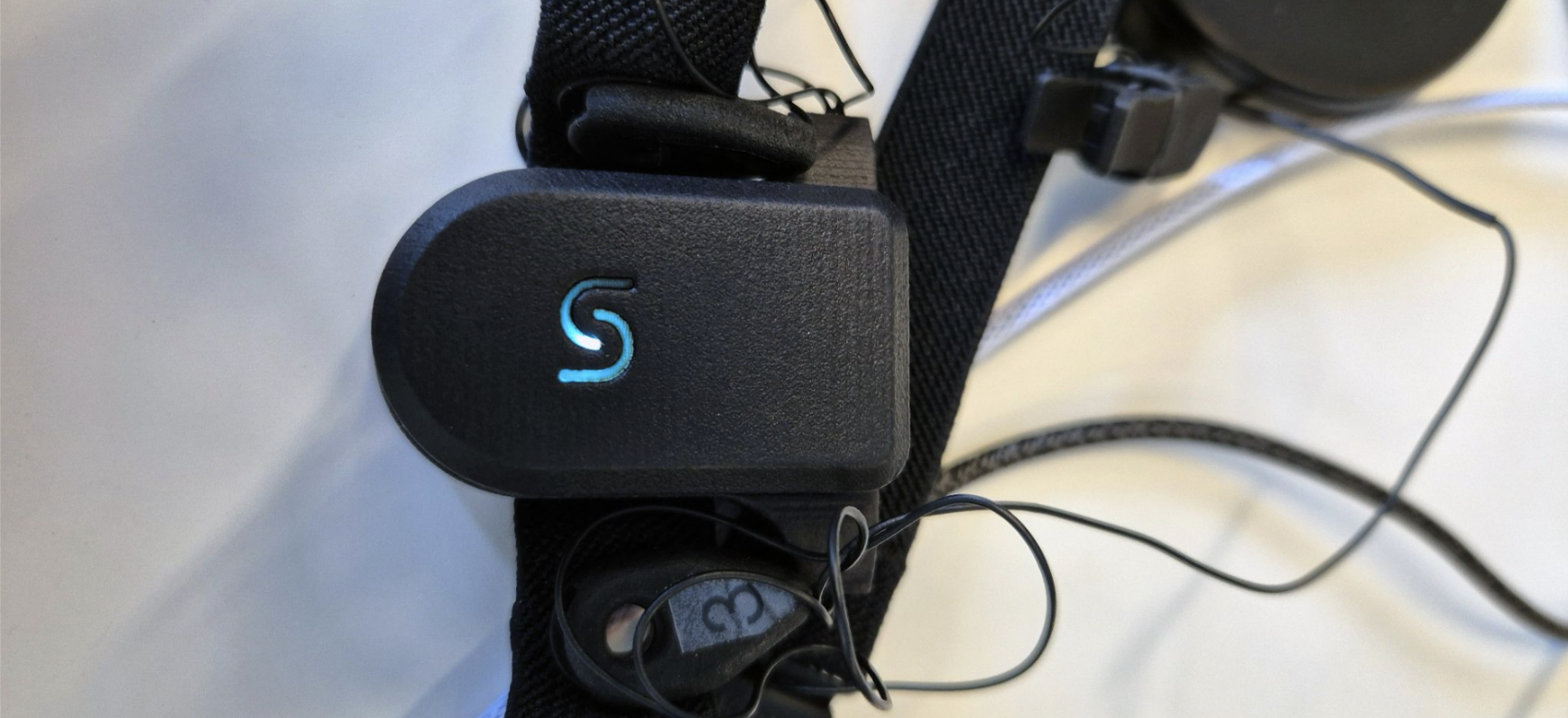
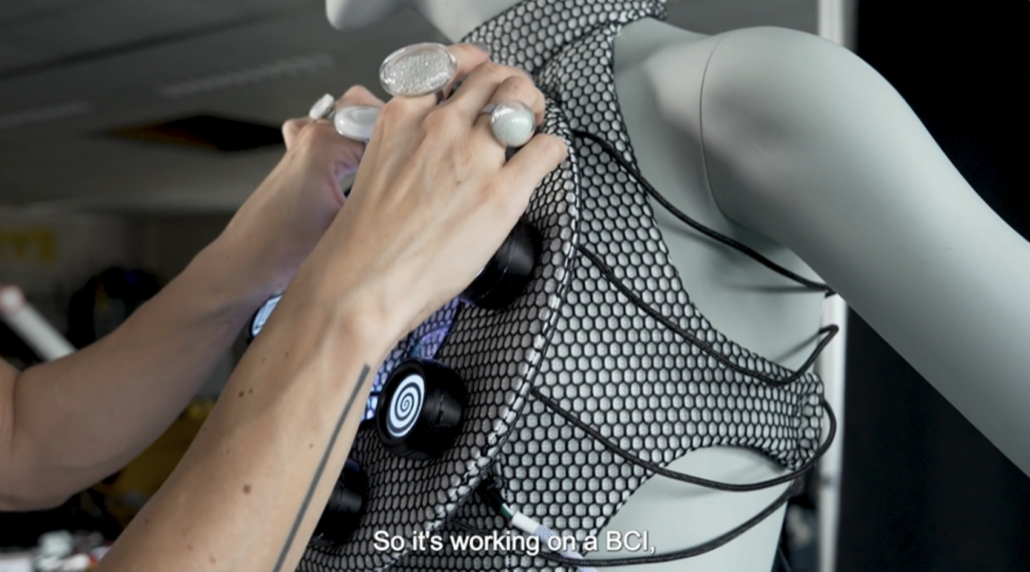
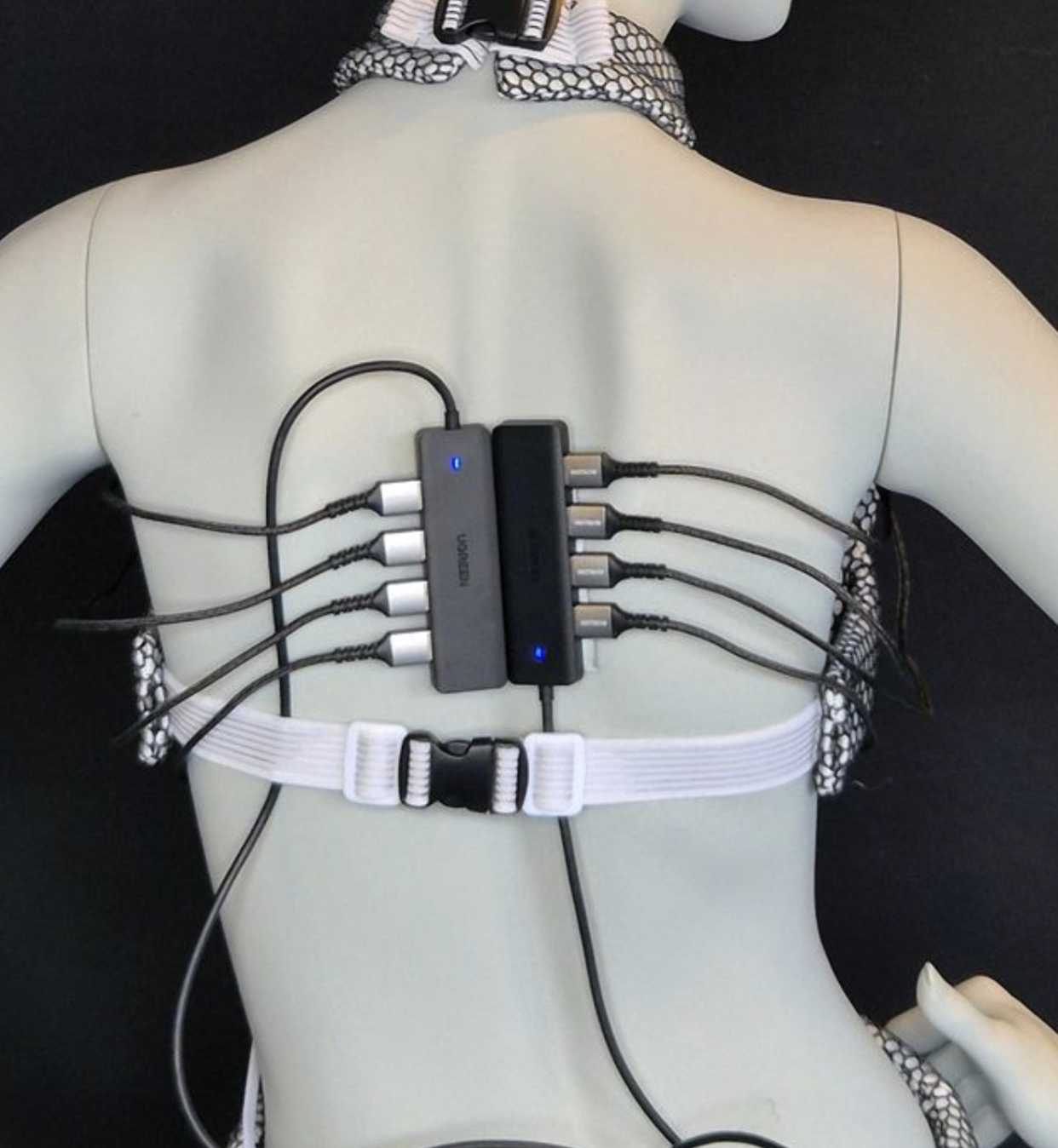
Running it all: ten tiny computers on the body — nine of them are our Seeed Studio XIAO boards.

The input doesn’t come from a button, a touchscreen, or a conventional sensor. It comes from the brain. And rather than sending that data to a monitor, the dress puts it on the body, where anyone standing nearby can watch it change in real time.

The piece was released during FFG Forum Vienna and ARS Electronica 2026 in Linz, Austria.

Hardware Overview

The electronics are distributed across the garment rather than centralised — one small computer per screen.

Ten computers in total, all worn at once.

How the Hypnotize Dress Works

The wearer puts on a g.tec Unicorn BCI Core-4 EEG headset, which acquires raw brain activity. That signal is processed into a trained concentration-performance value between 0 and 100 — a single continuously changing number representing how focused the wearer is at that moment.

That value is then mapped directly to the animation running across the eight displays:
EEG → signal processing → concentration estimate → animation parameter → visual output

As concentration rises, the hypnotic spirals accelerate. As it falls, they slow. The loop runs continuously and in real time, so what you see on the dress always reflects the wearer’s current state.

The visual language is deliberately restricted to black and white. Movement, contrast, fading, and periods of darkness do all the work. The point is to make the relationship between cognitive input and physical output immediately perceptible: you concentrate, and the garment changes.

Why XIAO ESP32-S3?

Eight independent displays, each needing its own driver, all worn on a human chest. That’s a demanding brief — and it explains the architecture.

Rather than routing eight display connections back to one central controller, Wipprecht gave each screen its own XIAO ESP32-S3. That decision only makes sense if the board is small enough that wearing nine of them costs you nothing in bulk, and capable enough that each can render a smooth animation on its own. The XIAO ESP32-S3 fits both: a thumbnail-sized footprint with enough processing headroom to drive a round display at animation speed, plus onboard wireless and LiPo battery management for a garment with no wall socket.

The distributed approach also keeps the wiring manageable. Short runs from each board to its adjacent screen beat eight long harnesses converging on a single point — which matters when the whole assembly has to sit flat against the body and survive being worn.

“I’m interested in what happens when the interface isn’t a screen in front of you, but something you wear.” — Anouk Wipprecht

When Clothing Becomes the Interface

Wipprecht has spent 25 years combining fashion, technology, and robotics, treating clothing as an interactive system rather than a passive object. The Hypnotize Dress takes that idea one step further.

Instead of sensing the environment or physical movement, this garment uses a brain-computer interface as its input layer — raising a larger question about where wearable computing goes next. What happens when the clothes we wear become interfaces to our physiological and neurological data?

As Wipprecht puts it: if our fashion is connected to our heartbeats and our brains, what does that do? What do we learn about ourselves — and how do we communicate differently with the people around us?

The Hypnotize Dress doesn’t answer that. It’s an artistic and technological prototype, a way of exploring what that future might feel like when the interface is no longer something we hold or look at, but something that becomes part of the body.

Notes at the end.

Hey community, we’re curating a monthly newsletter centering around the beloved Seeed Studio XIAO. If you want to stay up-to-date with:

🤖️ Cool Projects from the Community to get inspiration and tutorials
📰 Product Updates: firmware update, new product spoiler
📖 Wiki Updates: new wikis + wiki contribution
📣 News: events, contests, and other community stuff

Please click the image below👇 to subscribe now!

About Author

Leave a Reply

Your email address will not be published. Required fields are marked *

Calendar

September 2026
M T W T F S S
 123456
78910111213
14151617181920
21222324252627
282930