Port Weather Station: How S700-A and S200 Support Crane and Cargo Operations
Rotterdam connects seagoing vessels with inland barges, rail, and trucks. Its container flows include general freight and refrigerated food, while separate specialised terminals handle steel, dry bulk, liquid bulk, and other cargo. At a container quay near the North Sea, the winter half-year brings a higher chance of storm conditions. A shift supervisor needs local wind readings at the berth, crane lane, and maintenance area because a vessel alongside the quay, a suspended container, and an exposed coating job encounter the wind differently. Therefore, a port weather station is needed in such situation.
The Royal Netherlands Meteorological Institute describes storms as more likely in the winter half-year than in summer. For Union steward Elijah, that translates into a practical question at the start of a changing-weather shift: which jobs can be sequenced before the next increase in wind and rain?
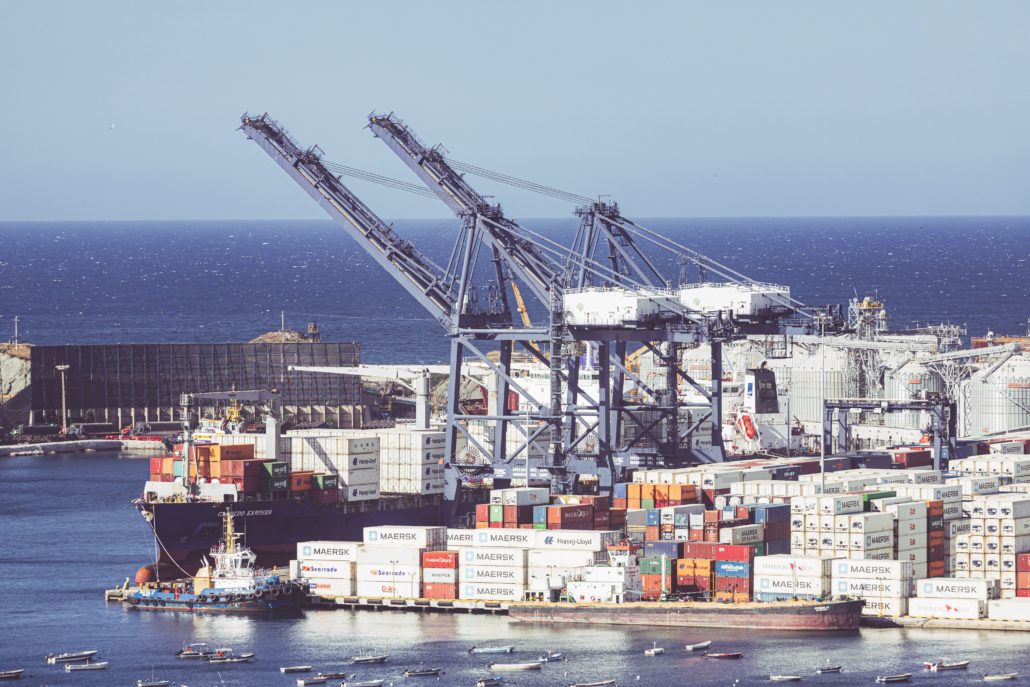
Challenge: Three Teams One Changing Weather Window
Elijah coordinates shore-side labour across container unloading, crane-lane handovers, reefer plug checks, yard transfers, container inspections, and an outdoor maintenance bay that prepares empty containers for reuse. He also sends berth-side conditions to the terminal planner and the vessel team.
On this day, a feeder ship is due alongside, the quay cranes have an afternoon lift sequence, and a small batch of empty containers needs coating repairs. A postponed berth can push the unloading slot and truck collection appointments into the next shift. Repeatedly mobilising a crane or paint crew only to stop work consumes the same scarce work window.
He asks Seeed Studio for a weather deployment that can show the teams what is happening at their own work positions. Three decisions must stay aligned: the marine team coordinates the approach and mooring, the coating lead chooses the next approved repair method, and the crane supervisor follows the equipment’s wind procedure. Elijah passes the local record to each team and adjusts staffing and cargo handovers as their plans change.
Solution: Bring Port Weather Station Wind and Rain Data into Daily Decisions
Berthing Check the Trend Before the Vessel Arrives
The team puts a SenseCAP S700-A at the berth approach side, with its ultrasonic wind sensors exposed to the air flow and its pressure and radar-rain readings on the same operations display. At 07:00 the local pressure reads 1018 hPa. By 11:00 it is 1012 hPa, and the berth wind has turned toward a stronger crosswind. Elijah compares the live trend with the official marine forecast, harbour notices, tide and pilotage information, then passes the berth record to the terminal planner, pilot, and vessel master. They review the approach and tug plan for the next few hours; Elijah holds the shore team ready for the arrival time they confirm.
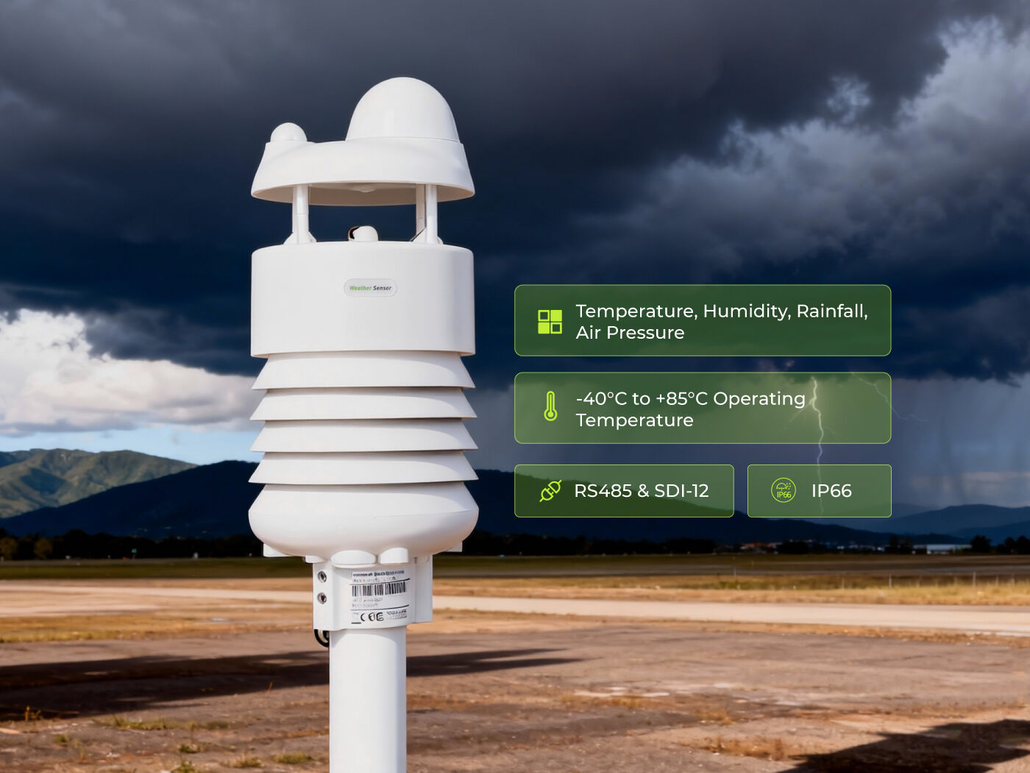
The station’s ultrasonic wind measurement has no cups or vane bearings to service. Its specified standard wind-speed range is 0–60 m/s, with ±0.3 m/s accuracy at speeds up to 10 m/s, and its direction accuracy is ±3°. The S700-A measures pressure from 300 to 1250 hPa and radar rainfall intensity from 0 to 300 mm/h. Seeed lists wind-tunnel calibration as part of its sensor validation. Together, these readings give the berth team a local crosswind and weather record alongside the marine forecast.
Container Coating: Port Weather Station Readings Shape the Maintenance Bay’s Work Plan
A SenseCAP S200 weather station beside the open maintenance bay tracks wind speed and direction where the crew prepares container panels. When a light shower reaches the berth later, the crew checks that the panels in its sheltered work area stay dry. The coating lead sees wind building across the bay, checks whether the planned coating system permits roller application, and moves that afternoon’s approved touch-up jobs from spray equipment to rollers. The team keeps surface preparation and masking jobs moving. And Elijah updates the job board early enough that the crew brings the right equipment to the bay once, rather than setting up spray gear and stripping it down in the rising wind.
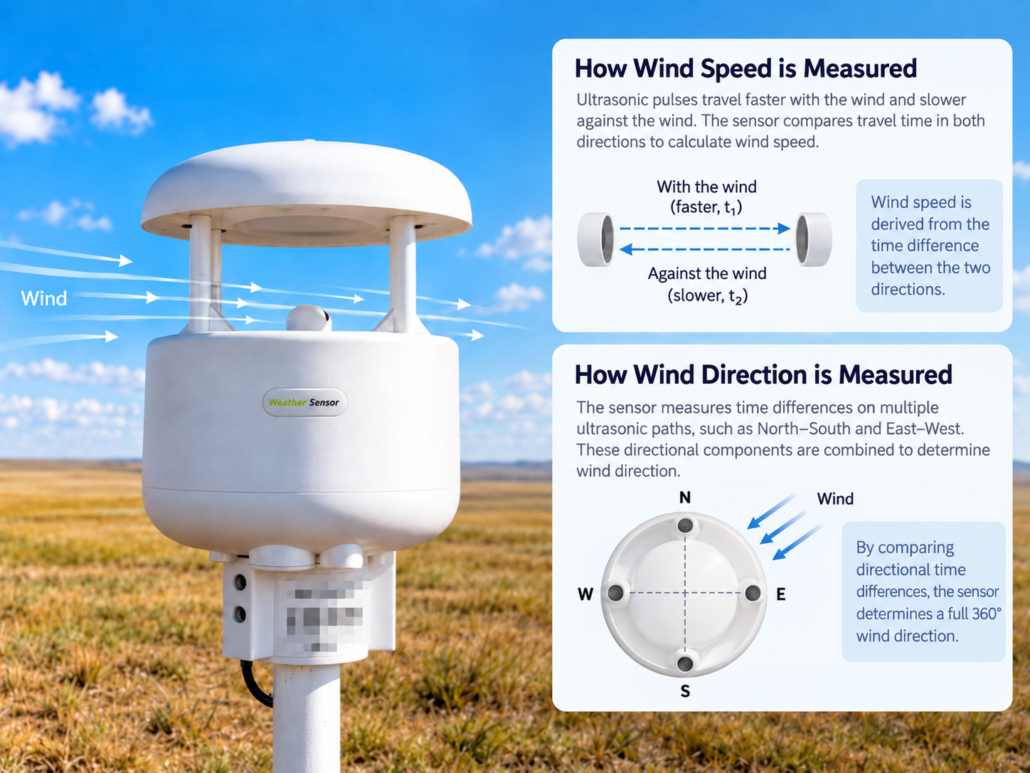
Container Lifting Give the Crane Crew Time to Secure the Equipment
Another S200 is mounted near the crane operating zone, where its wind record is visible to the quay-crane supervisor. Its specified accuracy is ±3% for wind speeds between 10 and 50 m/s, the range containing the rising readings on this shift. The supervisor watches sustained wind and short-term peaks against the terminal’s posted warning and shutdown settings for that crane.
As wind rises, the crew completes the current safe movement, prepares to pause lifting, and reassigns yard staff to container sorting and reefer checks. When the site shutdown setting is reached, the crane operator follows the equipment procedure and the crew secures the crane against travel. The vessel and yard teams receive the same change notice.
For this terminal, the compact heads keep the berth, maintenance bay, and crane-lane mounts simple. Elijah’s installation note reads: “Three technicians mounted our sensor heads in only one afternoon.”
The cable runs and display tags had been prepared earlier. Over the following two and a half years in this scenario, the team uses the live terminal record alongside broader marine forecasts at shift handover and inspects connectors, brackets, and exposed lenses during planned maintenance.
The compact weather stations S700-A and S200 have IP66 enclosure protection to address dust and water jets; corrosion-resistant mounts, sealed cable joints, and a wash-down plan deal with the salt-spray exposure at the quay. With no rotating cups or vane to inspect, the ultrasonic wind sensor greatly reduces the time, effort, and labor costs of routine field inspections.
The client connects the S700-A and S200 units by RS485 Modbus-RTU to its existing terminal monitoring platform. The integrator maps pressure, rain, wind speed, and wind direction into the operator’s current display, with each reading labelled by its berth, crane-lane, or maintenance-bay position. Elijah’s team can compare the work zones from the same screen already used for crane status and yard assignments, so the deployment adds the weather record to the shift routine without a new standalone console.
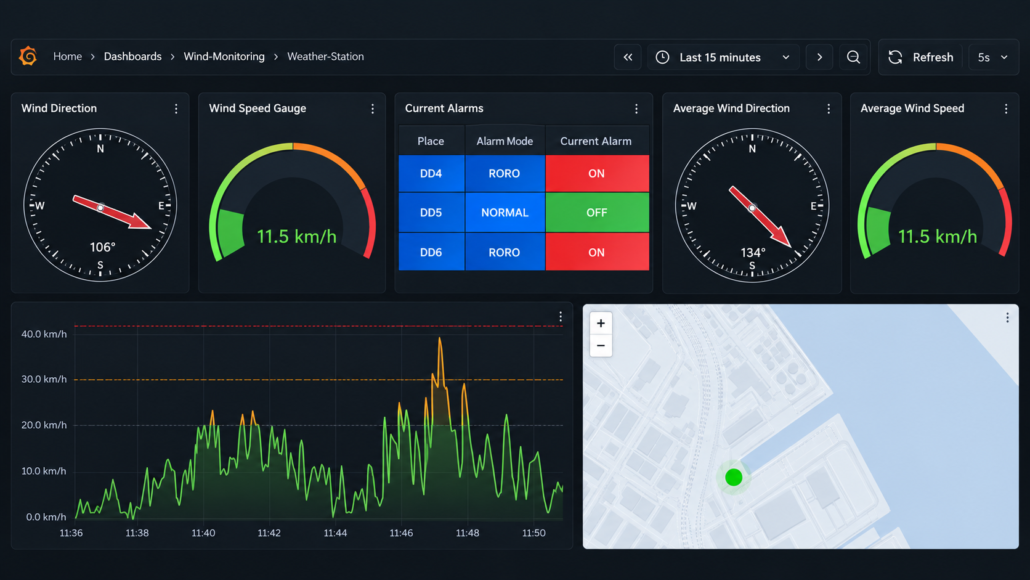
Result: Port Weather Station Data Coordinates Lifting, Coating, and Berthing
The feeder ship reaches the agreed arrival slot after the pilot and terminal planner review the berth wind and updated forecast. The coating lead goes ahead with the jobs approved for roller application. In this way, spray work can wait until the wind eases. The crane team stops at its site setting, secures the equipment, and sends available workers to yard checks until operations are cleared to resume. Elijah keeps the truck handover list current as the lift window changes, so collection crews are not called to a closed crane lane.
Across the 30-month deployment, Elijah uses several S200 wind sensors and S700-A weather stations across the terminal. A separate set of SenseCAP asset trackers records movements of selected returnable equipment between the yard and maintenance area, giving the operations desk one view of the weather-driven shift changes and those asset handovers.
We appreciate the opportunity to help teams connect on-site weather data with the work they already coordinate. If your port or logistics project needs professional weather monitoring, tell us where ships, lifting equipment, and maintenance crews make different decisions.
If you have similar weather monitoring needs, contact us at [email protected]. Tell us about your project, and the Seeed team will put together a detailed solution for you.
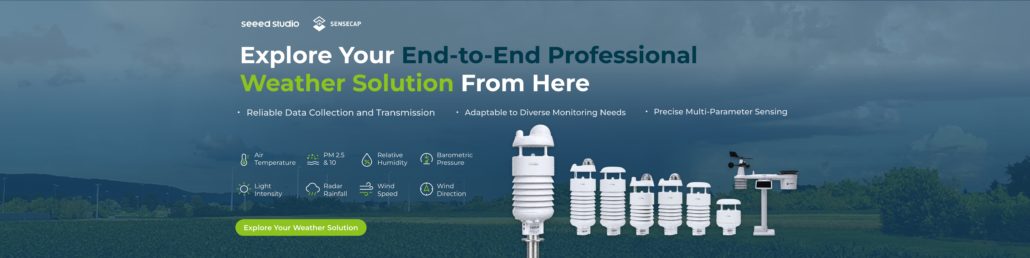
Seeed Studio is helping lead this transition through the SenseCAP weather station portfolio. SenseCAP combines industrial-grade sensing, compact all-in-one hardware, open communication protocols, flexible data paths, and a repeatable deployment architecture.
Seeed Studio works with more than 200 partners and over 1,000 customers across 120+ countries, with SenseCAP deployments spanning greenhouse and vineyard monitoring, smart-city observation, renewable-energy sites, environmental research, and industrial facilities. This is the direction professional weather monitoring is taking, and SenseCAP is building the products and integration ecosystem needed to move it forward.
Notes: This article is based on a real customer project. Names and identifying location details have been changed to protect the customer’s identity. Images sourced online are used for visual reference.
About Author
