Hey community,
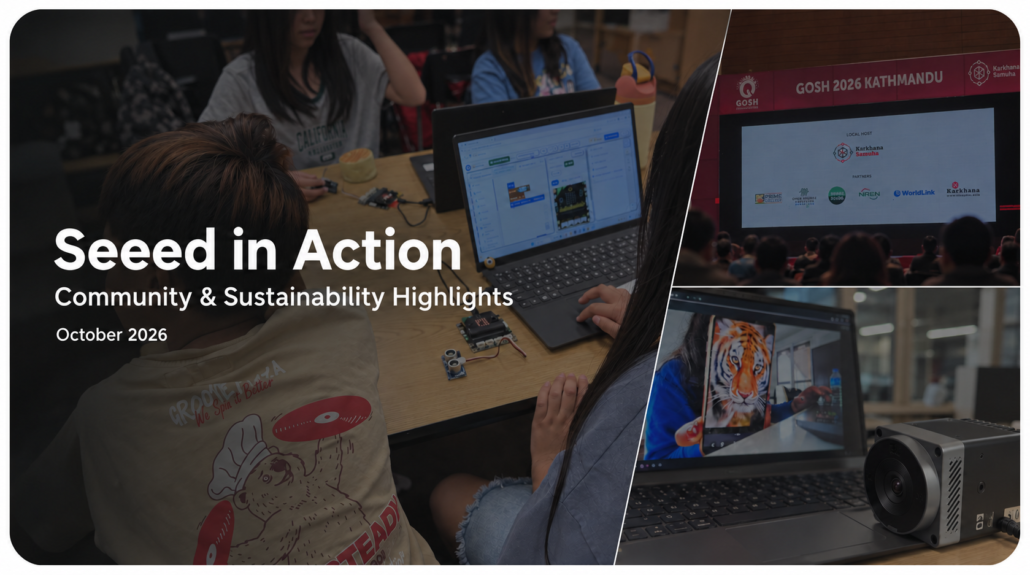
Welcome to our October 2026 Monthly Wrap-up! This month we were on the road more than we were at our desks: from Amsterdam at Meteorological Technology World Expo, to Turin for hackTurin, to Nepal for GOSH, and finally to Wuppertal for the reTUTU repair workshop. Back home, our wiki kept filling up with new Physical AI course chapters, reCamera Pro and Jetson deep-dives, and reference designs for voice, edge vision and LoRaWAN, while the XIAO ecosystem got a major new hub tool of its own.
In this issue, we look at event highlights from around the world, the deep technical guides and features we shipped, the new products and service guides worth knowing about, and the community builds and field stories that made October special. Let’s dive in!
I. NEWS & EVENT HIGHLIGHTS
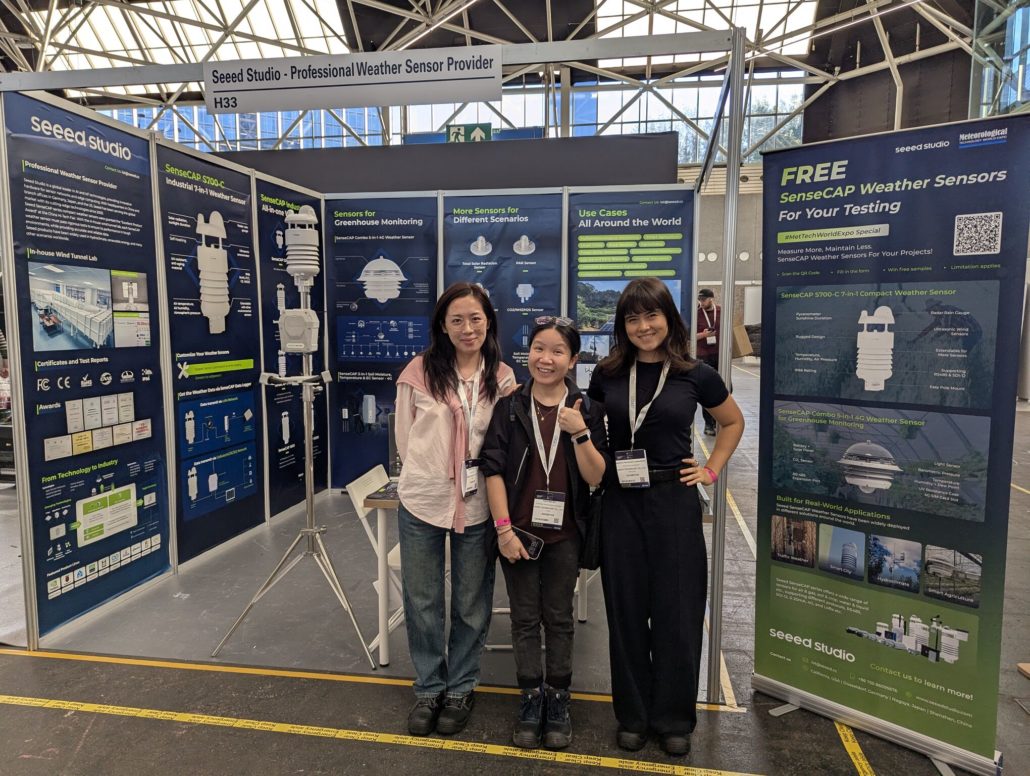
01. Seeed at Meteorological Technology World Expo 2026, Amsterdam
We exhibited at MTWE 2026 at RAI Amsterdam from 6–8 October, sharing Booth H33 with the SenseCAP professional weather-sensing line. Application Engineer Bianca Pentagna Guimarães recorded booth demos in English and Portuguese, walking through the compact weather sensors, the industrial LoRaWAN weather station (SenseCAP S700-C paired with the S2100 data logger), 4G loggers and RS485 field sensors.
02. Seeed joins HMEI
Timed with our Amsterdam presence, we officially joined the Hydrometeorological and Environmental Industry Association (HMEI). We plan to bring our weather-sensing, wireless acquisition and edge-computing experience into the professional meteorological community. Read the announcement.
03. GOSH 2026 in Kathmandu / Lalitpur, Nepal
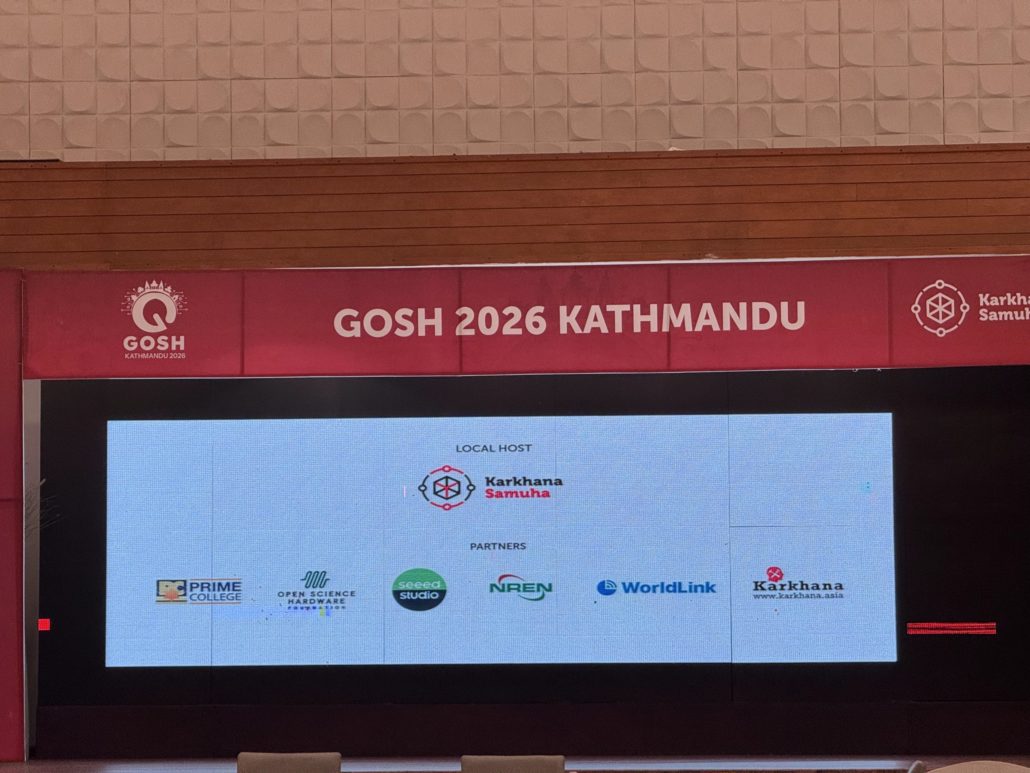
From 4–6 October we joined the Gathering for Open Science Hardware with Karkhana Samuha in Nepal, contributing cash and product sponsorship alongside hands-on sessions: “Vibe Coding with Wio Terminal,” “Creative Hat-Making” mini-manufacturing, and a sponsor talk on our Interspecies / Open Datalogger work.
04. hackTurin 2026 in Turin
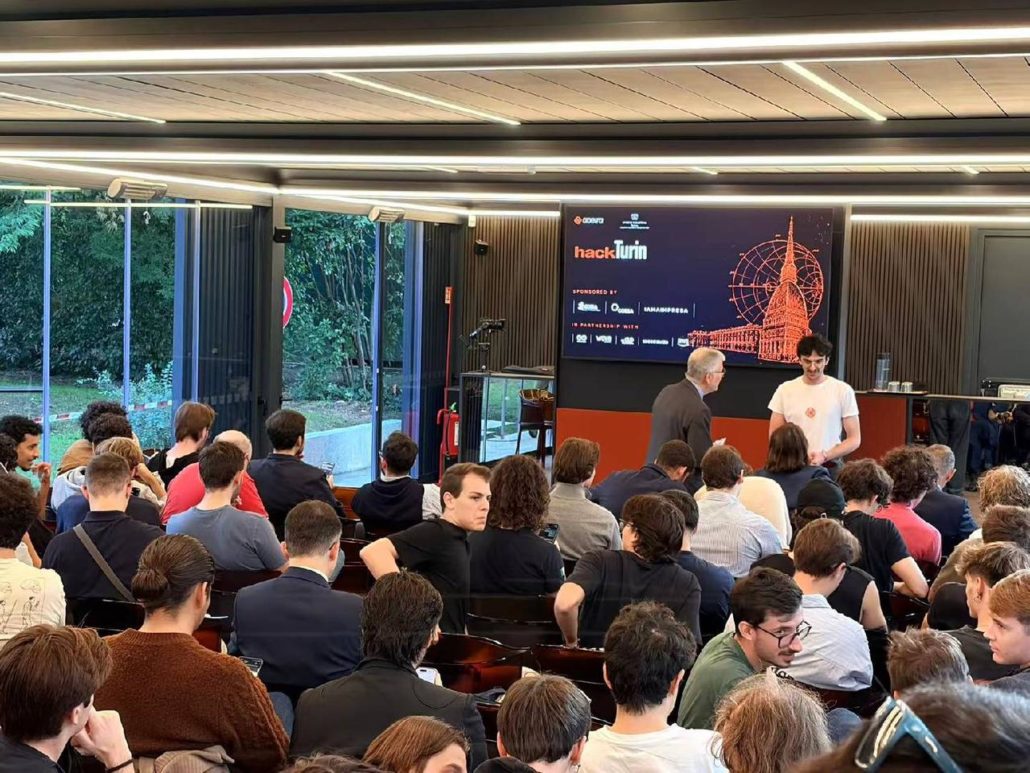
Across 9–11 October, 100 selected engineers gathered in Arduino’s hometown for hackTurin, organized by Apeira, with tracks on safer urban mobility, solar-energy maintenance and tech for non-profits. We supplied Grove hardware to every team, and Seeed Ranger Davide Gomba mentored at the bench and judged the “Beyond Solar” track.
05. reTUTU: rebuilding the Audio Ballerina in Wuppertal
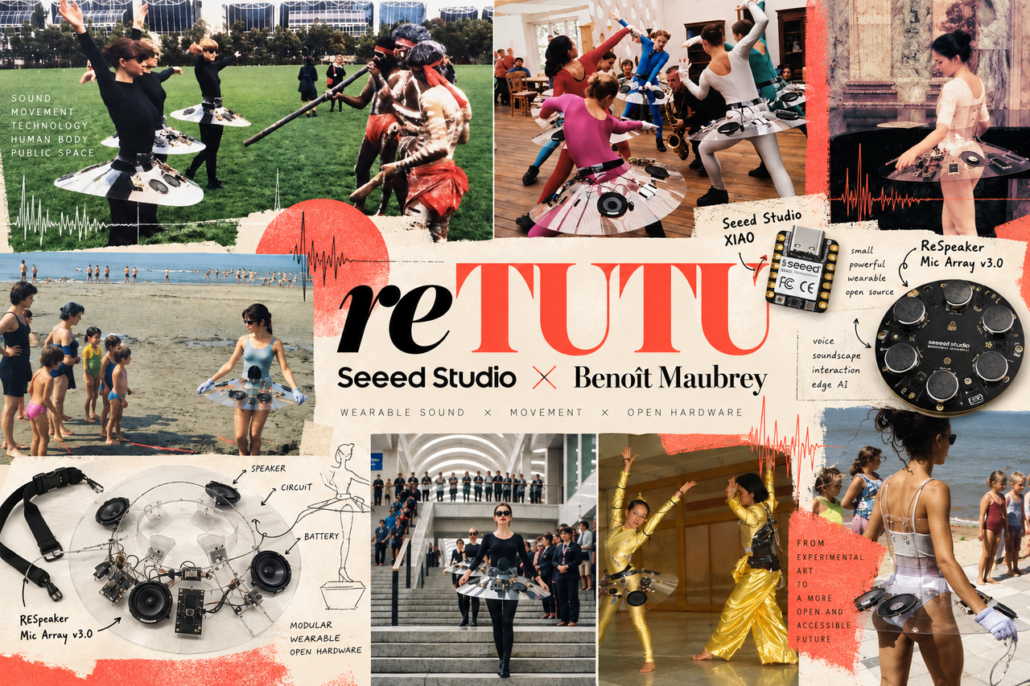
On 31 October at Utopiastadt in Wuppertal, we partnered with sound artist Benoît Maubrey for the Repair & Share Festival to repair and reimagine 32 vintage “Audio Tutu” wearable electroacoustic sculptures using reSpeaker Mic Array v3.0 and XIAO. Bianca also led Wio Terminal vibe-coding and Meshtastic off-grid sessions, with Robert supporting in German.
06. Seeed × Kids Engine in Seattle
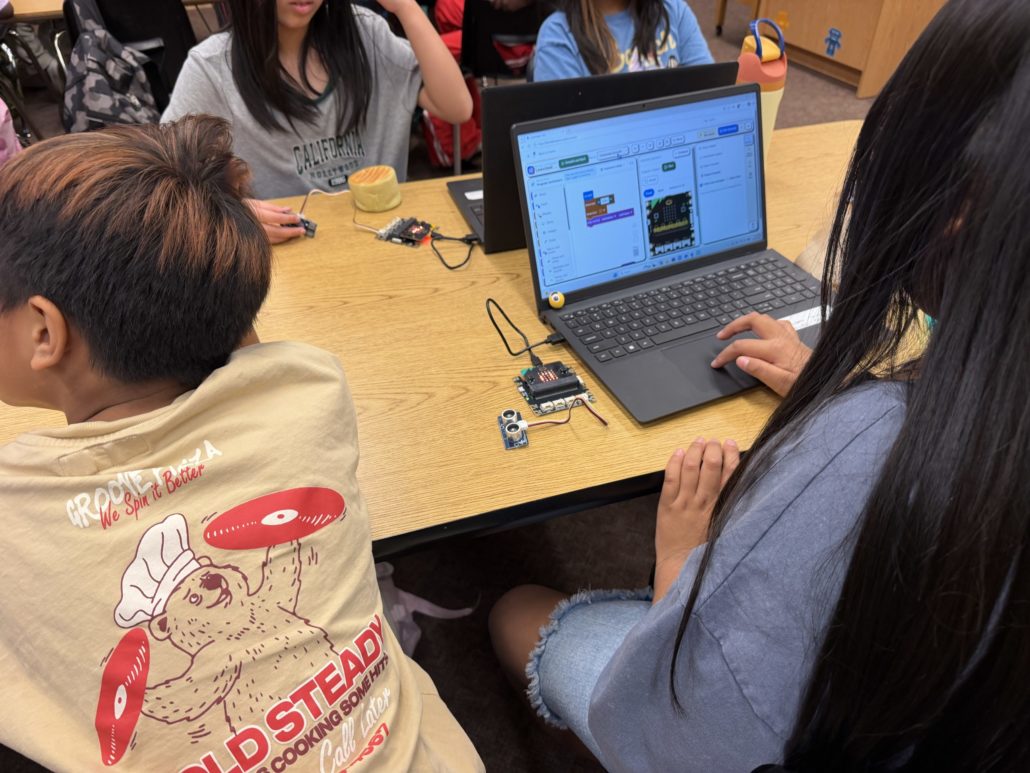
We teamed up with Kids Engine, the Seattle Housing Authority and the Refugee Women’s Alliance for three STEAM workshops reaching roughly 70 students. We donated Grove Shields for micro:bit v2.0 so kids could prototype sensor and coding solutions to everyday problems in their own communities.
II. IN-DEPTH FEATURES & TECHNOLOGY EXPLORATION
01. LoRa for drone light shows: how the E5 module delivers RTK corrections across a fleet
Drone light shows need every craft on centimetre-level positioning at the same time. This application note walks through distributing RTK correction data across a fleet over LoRa using the Seeed E5 module, and why that beats trying to push corrections over cellular.
02. The kitchen that reads your hands: gesture AI meets ePaper in a touch-free restaurant system
A build showcase of a touch-free restaurant system that pairs on-device gesture-recognition AI with an ePaper display, so kitchen staff can step through orders and menus without touching a screen while cooking.
03. Best off-grid GPS trackers, compared
A buyer’s guide comparing satellite and off-grid GPS trackers for use cases where there is simply no cellular coverage — hiking, sailing, remote work sites and field research.
04. 2026 Climate Reality Check: when extremes become the norm
As climate-driven extremes become the expected rather than the exceptional, this feature looks at how preparedness works on the ground — and how environmental monitoring with SenseCAP feeds early warning and resilience decisions.
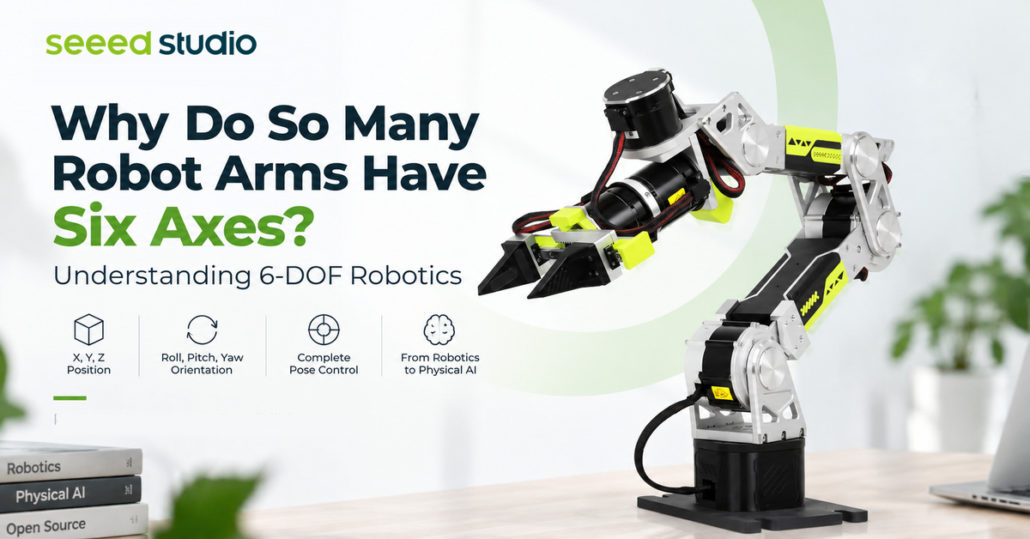
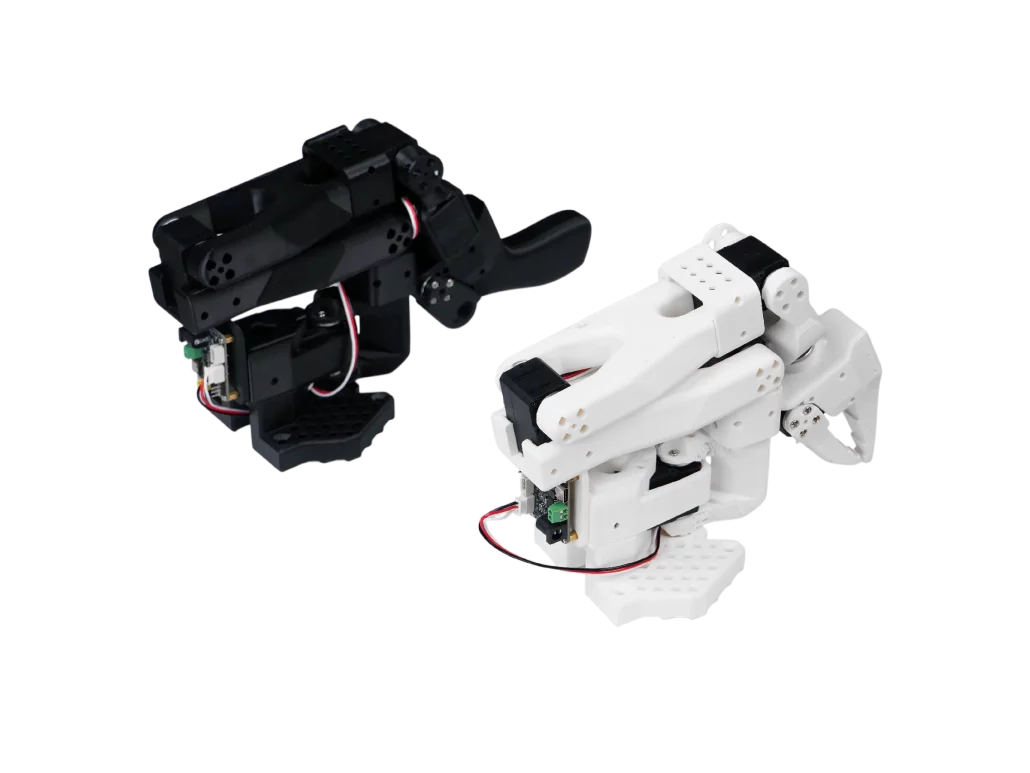
05. Why do so many robot arms have six axes? Understanding 6-DOF
Joint motion, pose control and why six degrees of freedom became the default for industrial manipulators — illustrated with the Seeed reBot six-axis arm.
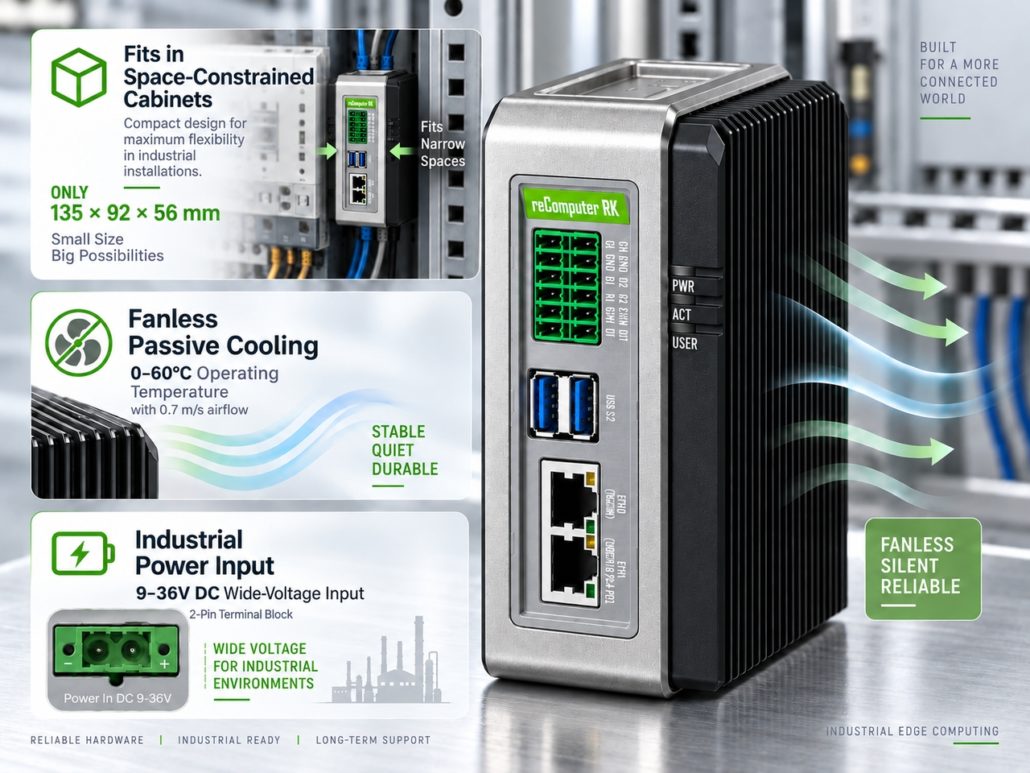
06. Why choose fanless cooling for industrial edge deployment
A reliability-and-maintenance breakdown of passive, fanless cooling for industrial edge and embedded deployments — dust, temperature swing, MTBF and total cost of ownership on the factory floor.
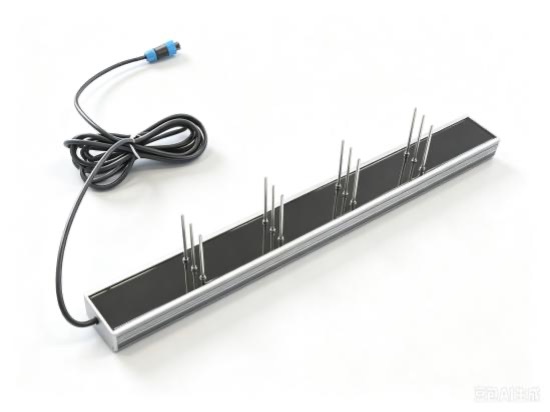
07. The science of weather measurement: radar rain gauges and soil moisture sensors
Two know-how pieces this month: one explaining how a radar rain gauge turns radar signals into validated rainfall intensity (and why optical and tipping-bucket gauges can underestimate), and another giving soil-moisture sensors a “CT scan” — comparing single-point prongs, multi-depth prongs and tubular probes, plus RS-485, 4G and LoRaWAN connectivity options for agriculture.
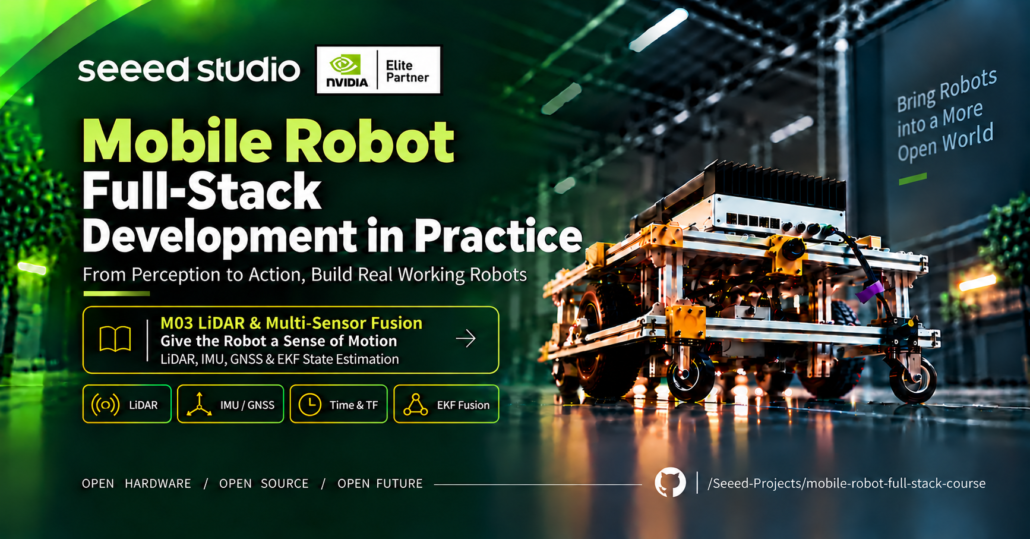
08. Mobile Robot Full-Stack in Practice ⓷: how a robot knows it is moving
Module 3 of our mobile-robot course covers localization in motion: LiDAR, IMU, GNSS and EKF sensor fusion with ROS 2 — picking up where the camera/BEV module left off.
09. The Physical AI course continues: chapters 23–39, SO-ARM and paper reading
October added a big batch to our free Physical AI Beginner’s Course: chapters 23–26 on coordinate systems, kinematics and the Jacobian; 27–30 on robot vision, autonomous grasping and voice interaction; 31–34 on ROS 2, URDF/TF and MoveIt 2; and 35–39 on MuJoCo and Isaac Sim simulation with real-to-sim sync. We also launched a complete 22-chapter SO-ARM course (LeRobot, ACT, GR00T, VLA with SenseCraft Robotics) and a new paper-deep-dive series pairing ACT, EO-1, π₀, GR00T and more with hands-on deployment.
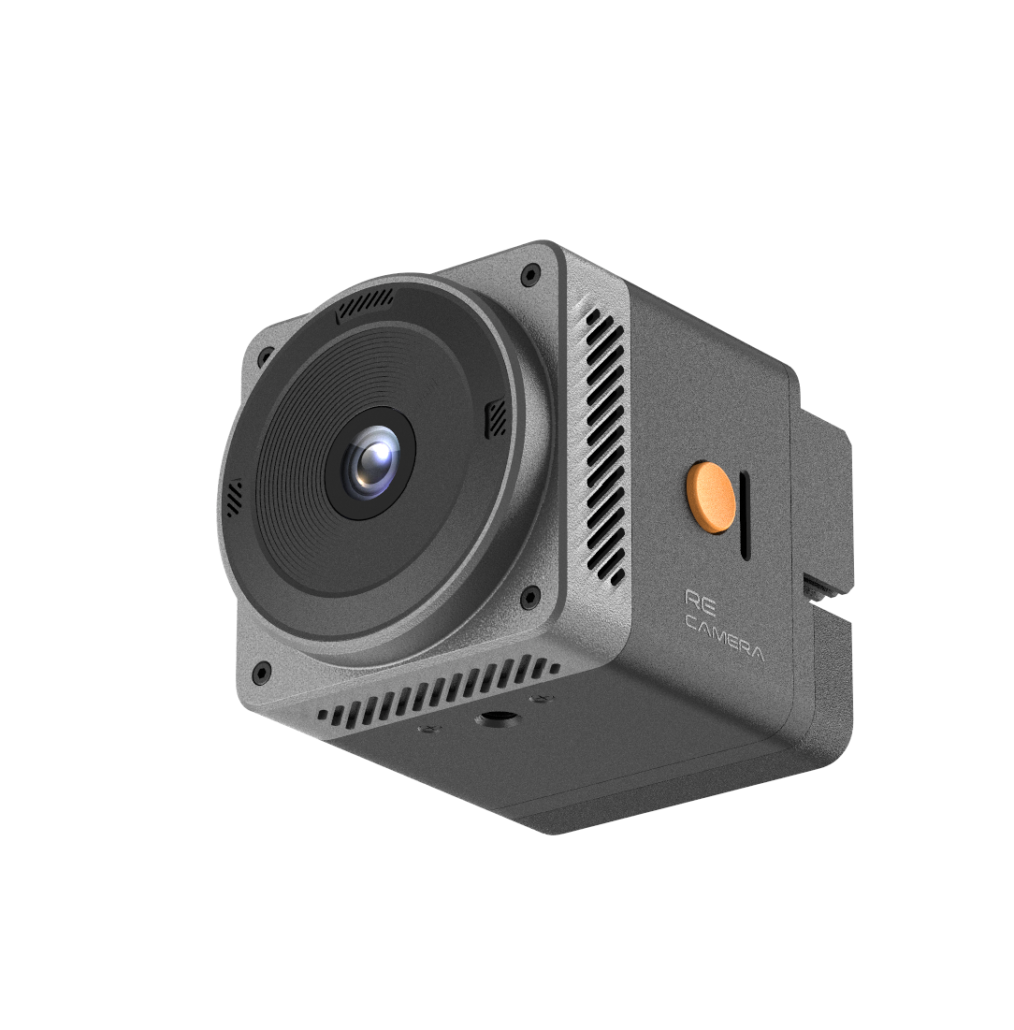
10. New on the Wiki: reCamera Pro guides, Jetson deep-dives, voice & edge reference designs, XIAO STM32C5 and T1000-E MeshCore
Our weekly wiki issues in October shipped a full reCamera Pro BSP source series plus QR/barcode recognition and Frigate NVR integration; Jetson guides on camera selection, Yocto build/flash on reComputer Super J401, a real boot-log walkthrough, llama.cpp Multi-Token Prediction on AGX Orin with Qwen3.5-4B, and a tested accessories selector; and reference designs for private on-premise reSpeaker Clip transcription, BLE+LoRaWAN indoor/outdoor positioning, and seven edge-vision inspection builds. We also published the six-guide XIAO STM32C5 getting-started series (CAN-FD, MicroPython, CubeIDE) and a T1000-E MeshCore contact-sharing / companion-repeat walkthrough.
III. PRODUCT & SERVICE SHOWCASES
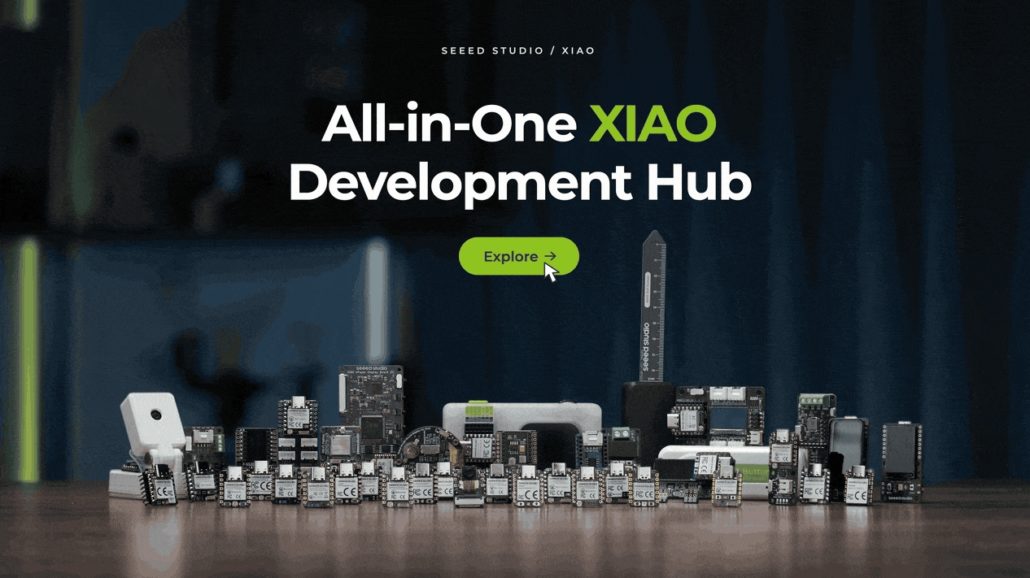
01. A major XIAO ecosystem update: the All-in-One XIAO Development Hub
On 30 October we introduced a new all-in-one hub tool for the XIAO dev-board ecosystem, pulling board setup, flashing and examples into one workflow.
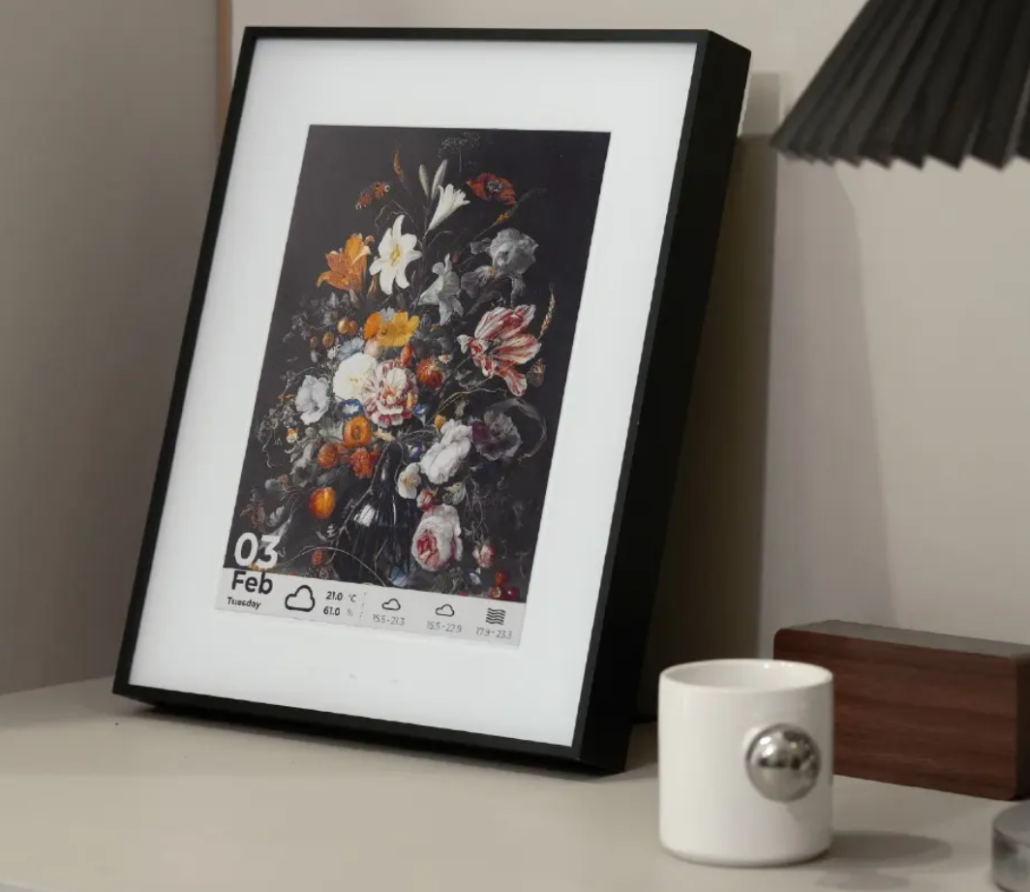
02. reTerminal E1004: a 13.3-inch color e-paper photo frame
A product feature on the reTerminal E1004 Spectra 6 color ePaper frame: 1200×1600 resolution, 5000 mAh battery good for around six months in low-power mode, Wi-Fi, SD card, physical buttons and fully open-source customization for family photos and artwork.
03. Upgraded memory and storage for our Raspberry Pi-based products
Product update: the Seeed Raspberry Pi-based line is being upgraded with more memory and storage across the range. See the details.
04. SenseCAP weather stations across industry and infrastructure
October’s applied series showed the S700-A, S700-C, S200 and S2100 families doing real work: investigating low turbine output at wind farms, supporting crane and cargo operations in ports, monitoring lift and deck work windows on offshore platforms, feeding transmission-tower and power-line decisions, supporting reservoir and hydropower generation decisions, warning teams about road conditions, riding on buoys, informing ski-resort operations, and feeding smart urban drainage.
05. Seeed Fusion manufacturing guides: firmware programming, design vs production testing, dry solder joints, one-stop delivery
Four Fusion guides this month: a PCBA firmware programming walkthrough (SWD/JTAG/UART workflow, verification vs startup checks, troubleshooting); a design-testing vs production-testing guide on what to verify at DVT and how to prepare boards and fixtures for repeatable production-line testing; a dry-solder-joint defect guide (signs, root causes, detection and prevention); and a new six-part one-stop manufacturing and delivery wiki series covering light customization, manufacturing documents, functional test requirements and sample/pilot validation.
IV. COMMUNITY SPOTLIGHT
01. hackTurin 2026 winning projects
On Devpost you can now see the standout projects from Turin: SolarEcho AI (piezo sensors + on-device AI for PV-panel vibration monitoring, Beyond Solar winner), EGG (edge-AI CV traffic node), Fà Ballà L’Oeucc (e-scooter blind-spot helmet alert for cyclists) and O.M.B.R.A. (a solar-shade monitor built on Seeed Grove current sensors and relays).
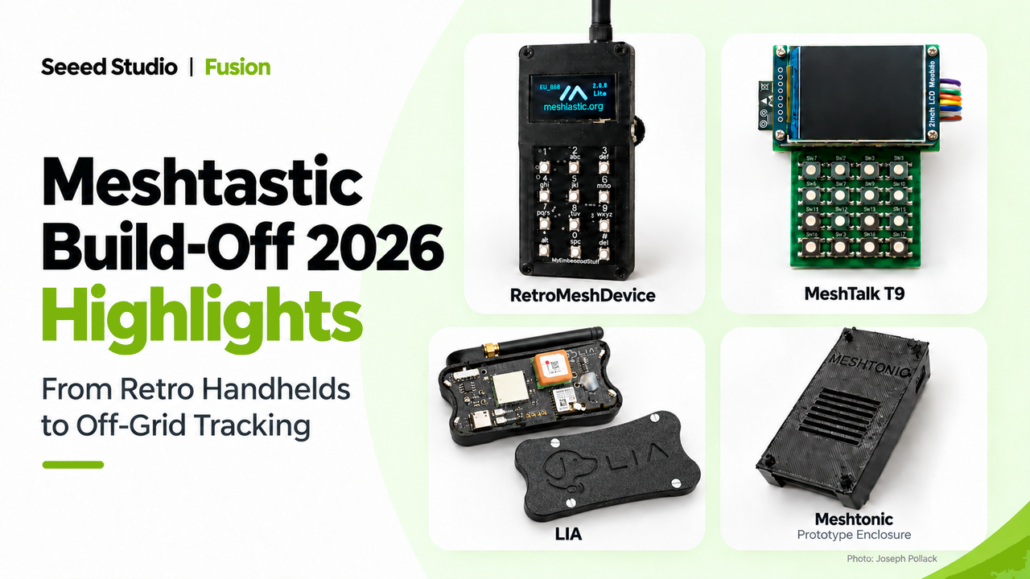
02. Meshtastic Build-Off 2026 highlights
Our community contest recap: builds ranged from retro handhelds to off-grid tracking devices, all running off Meshtastic mesh radio.
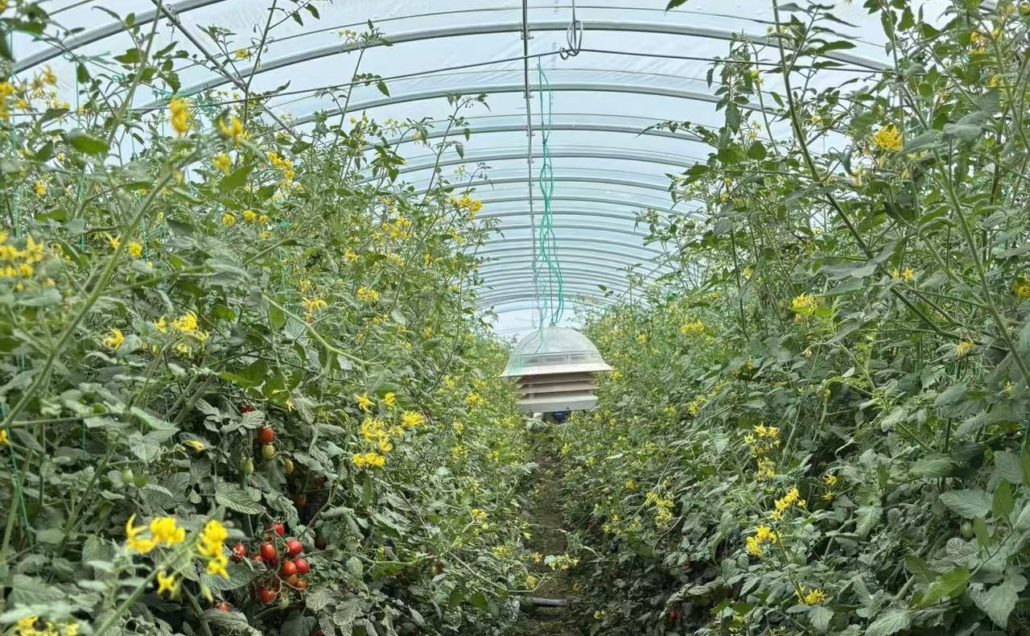
03. Ningxia cherry-tomato growers move from experience to evidence
An on-farm case study from Ningxia: greenhouse tomato growers used SenseCAP Combo sensors to track soil and environmental conditions and reduce cherry-tomato fruit cracking — moving from intuition to data in day-to-day decisions.
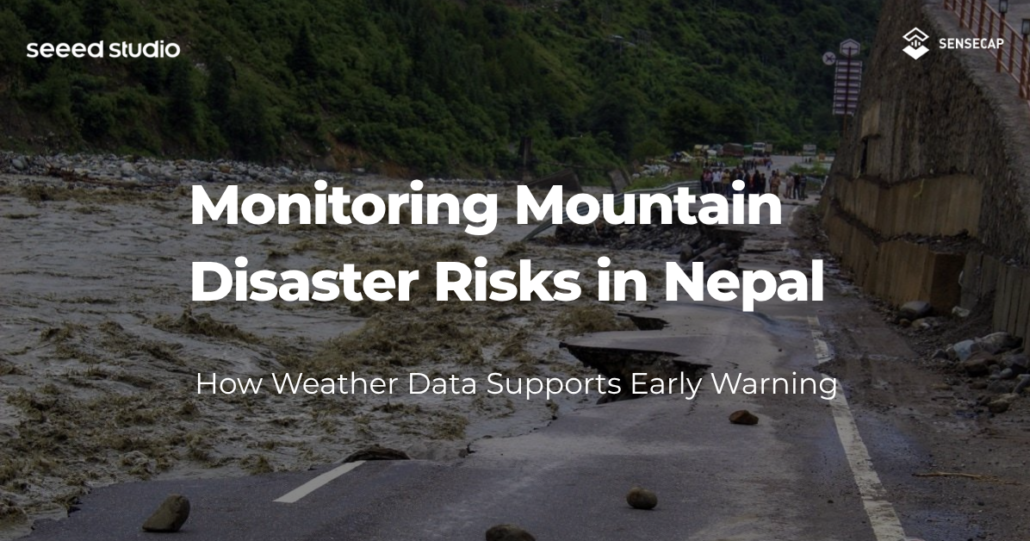
04. Monitoring mountain-disaster risks in Nepal with weather data
How continuous environmental monitoring with SenseCAP feeds mountain-disaster early-warning efforts in Nepal, where rainfall and wind shifts can quickly become landslide and flood risk for upstream communities.
05. The 2026 Interactive Signage Contest winners are revealed
Following on from September’s voting phase, we announced the winners of the 2026 Interactive Signage Contest on 9 October.
06. Seeed in Action: open-science and field-deployment highlights
Our monthly roundup captured nine initiatives: the GOSH Nepal sponsorship and Wio Terminal AI-coding workshop, hackTurin, the reTUTU Audio Ballerina rebuild, the Interspecies Open Datalogger field test in Panama (reCamera Pro / PoE), the University of Tokyo and CNAM “floating solar-hydrogen data centre” collaboration, Bhutan human–tiger conflict monitoring with reCamera, the Kids Engine STEAM workshops, and a TinyML malaria rapid-test-strip classification research project running on XIAO.
That’s all for October! Thank you to everyone who stopped by our booths, joined our workshops, mentored at hackTurin, sent in a Meshtastic build, or opened one of our guides and told us what worked (and what didn’t). We’ll keep shipping the open hardware, the courses and the field stories.
Building with Seeed hardware? Share your projects on Hackster or tag @seeedstudio, and connect with us on LinkedIn and Discord. See you next month!
About Author
Tags: community, open hardware, Raspberry Pi, SenseCAP