ESP32-C5 for Home Assistant: Why Choose It Over ESP32-C6 for Smart Home Projects?

ESP32-C6 has become the default choice for many ESPHome and Home Assistant projects—but where does ESP32-C5 fit? This guide compares ESP32-C5 vs ESP32-C6, explores ESPHome compatibility, and shows how XIAO ESP32-C5 can be used to build modern smart home devices.
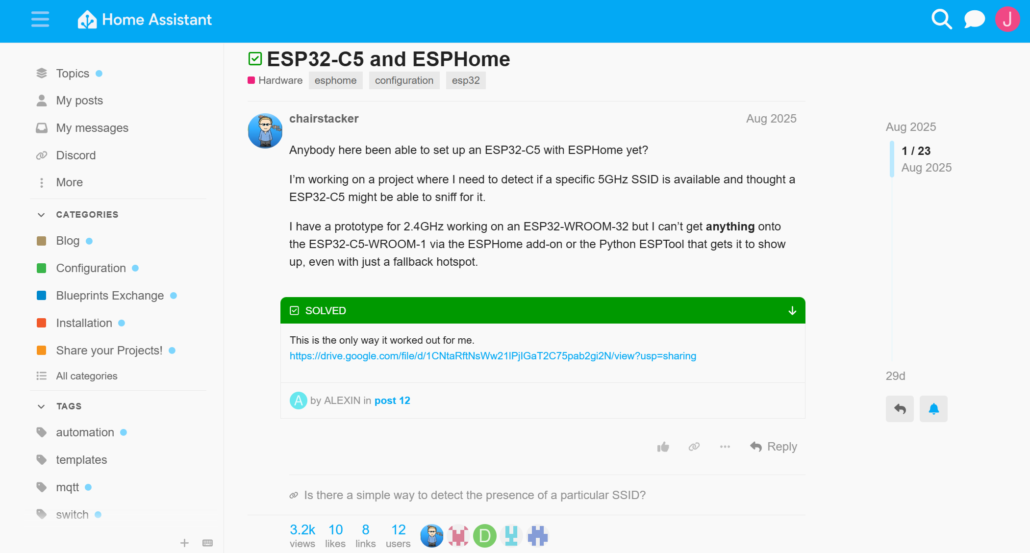
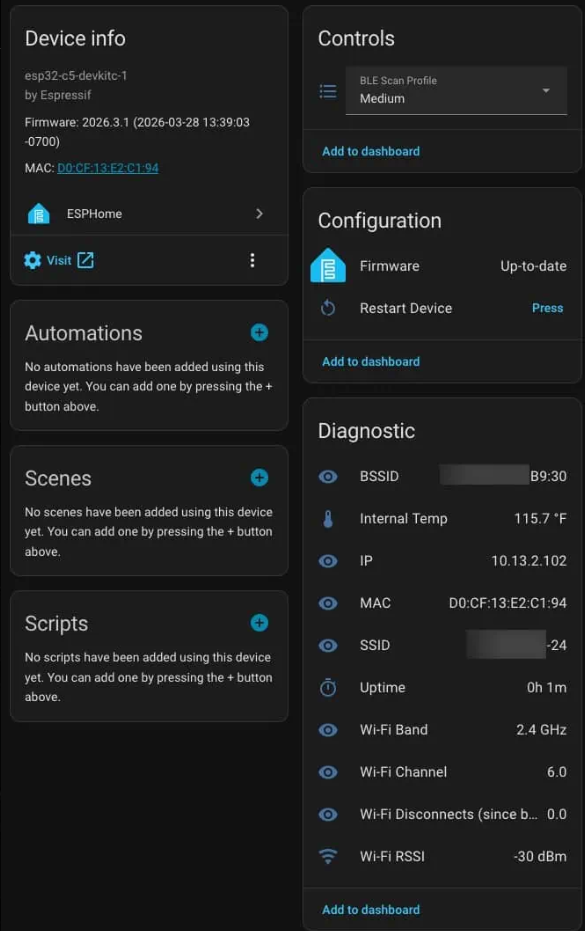
Early discussions in the Home Assistant community have started to explore how ESP32-C5 works with ESPHome and Home Assistant, ranging from initial setup attempts to real-world testing with sensor nodes and Bluetooth Proxy devices. In one community thread, users shared progress on getting ESP32-C5 running with ESPHome, highlighting both early limitations and improving support over time.
These discussions reflect a clear trend: ESP32-C5 Home Assistant & ESPHome integration is gradually moving from experimental setups toward more practical smart home use cases.

ESP32-C6 Has Become the Default Choice for Smart Home Projects

Over the past two years, ESP32-C6 has become one of the most popular chips in the Home Assistant and ESPHome ecosystem. Thanks to its support for Wi-Fi 6, Bluetooth LE, and IEEE 802.15.4, it provides everything needed for modern smart home protocols such as Matter and Thread.
 
Just as importantly, ESP32-C6 benefits from a mature ecosystem. From environmental sensors and Bluetooth Proxy devices to smart displays and Matter-over-Thread projects, the community has already built countless examples around it. Tutorials, project guides, and ready-to-use ESPHome configurations are easy to find, making it one of the most beginner-friendly options for makers entering the smart home space.
With such a strong ecosystem already in place, it raises an interesting question: if ESP32-C6 already meets the needs of most smart home projects, where does ESP32-C5 fit in?

ESP32-C5 vs ESP32-C6: What's Actually Different?

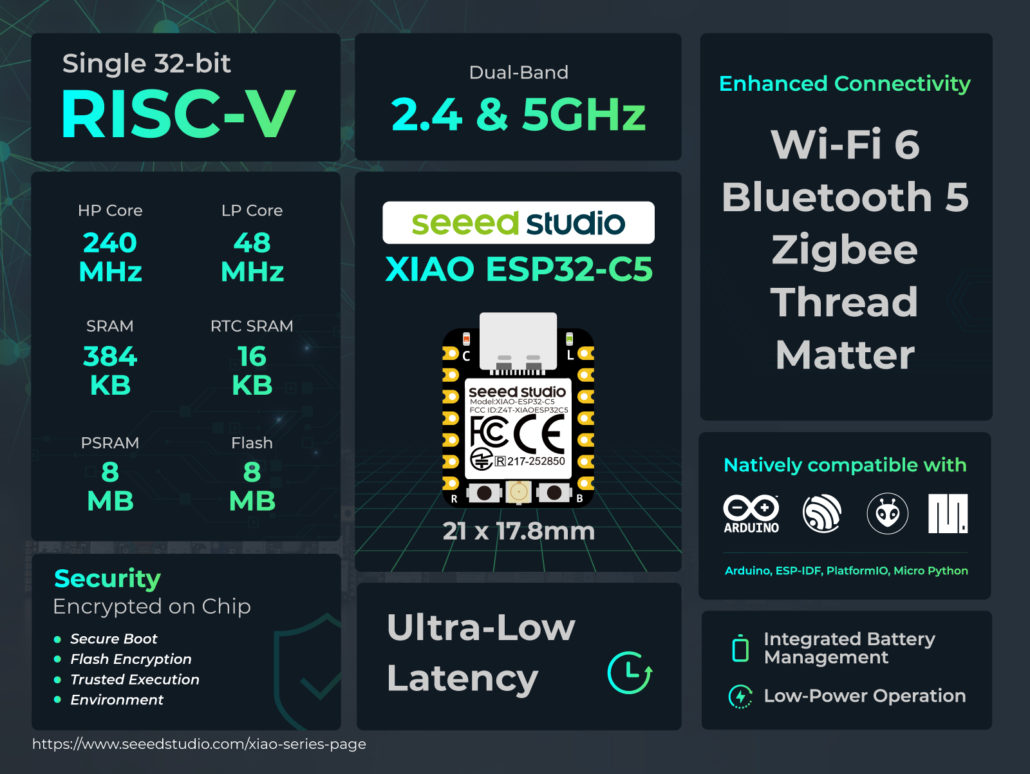
Before diving into smart home applications, it’s worth understanding how ESP32-C5 differs from ESP32-C6. At first glance, the two chips look remarkably similar: both support Wi-Fi 6, Bluetooth LE, and IEEE 802.15.4, making them compatible with ESPHome, Home Assistant, Matter, and Thread. The biggest difference lies in their wireless capabilities.
FeatureESP32-C5ESP32-C6
CPUSingle-core RISC-V, up to 240 MHzSingle-core RISC-V, up to 160 MHz
Wi-Fi 6
2.4 GHz Wi-Fi
5 GHz Wi-Fi
Bluetooth LE 5.x
IEEE 802.15.4
Matter Support
Thread Support
Zigbee Support
Smart Home Ecosystem MaturityGrowingMature
Typical Smart Home Usage TodayEmergingWidely adopted

Which One Should Smart Home Builders Choose?

For most smart home projects, ESP32-C6 remains the go-to choice thanks to its mature ecosystem, extensive tutorials, and strong adoption across the Home Assistant and ESPHome communities.
However, ESP32-C5 introduces a unique advantage: dual-band Wi-Fi with 5 GHz support. For projects that may benefit from reduced wireless congestion or higher network throughput, it offers capabilities that ESP32-C6 simply doesn’t have. This is where ESP32-C5 Home Assistant projects start to differ from ESP32-C6 setups.
 
In short:
  • Choose ESP32-C6 for proven smart home deployments and maximum community support.
  • Choose ESP32-C5 when your project can take advantage of 5 GHz connectivity and enhanced networking flexibility.

Why 5 GHz Wi-Fi Matters More Than You Might Think?

At first glance, 5 GHz Wi-Fi may not seem particularly important for smart home projects. After all, most sensors only transmit small amounts of data, and millions of smart devices continue to operate perfectly well on 2.4 GHz networks.
However, as Home Assistant setups become larger and more connected, wireless performance can become a growing challenge.

Escaping Crowded 2.4 GHz Networks

Many Home Assistant users already have dozens of devices competing for the 2.4 GHz band, from smart plugs and sensors to speakers and cameras. In apartments or device-dense environments, network congestion can become a real issue. With support for both 2.4 GHz and 5 GHz Wi-Fi, ESP32-C5 offers greater flexibility when building and expanding a smart home network.

More Reliable Connectivity for Smart Home Dashboards

Wall-mounted dashboards, smart displays, and control panels typically exchange more data than traditional sensor nodes. For these always-on devices, a less congested 5 GHz network can help maintain a smoother and more responsive experience.

Better Fit for Data-Intensive Devices

While today’s ESPHome projects are often centered around sensors and actuators, future smart home devices are increasingly data-driven.
Applications such as cameras, image processing, AI-assisted monitoring, and rich graphical interfaces generate far more network traffic than traditional smart home nodes. These workloads may benefit from the additional bandwidth and flexibility offered by dual-band Wi-Fi.
This is where ESP32-C5 becomes particularly interesting—not because it replaces ESP32-C6, but because it opens the door to a different class of connected devices that place greater demands on wireless communication.

Bringing ESP32-C5 into the Smart Home Ecosystem

Like other ESP32 chips, ESP32-C5 can be integrated into Home Assistant through multiple approaches. Whether you’re building an ESPHome sensor node, experimenting with Matter over Thread, or extending Bluetooth coverage with a Bluetooth Proxy, ESP32-C5 is already capable of supporting many common smart home use cases.

Connecting ESP32-C5 with Home Assistant

For ESP32-C5 Home Assistant integration, developers typically rely on ESPHome, MQTT, or Matter-based workflows.

Native ESPHome Integration

ESPHome already supports ESP32-C5, making it one of the easiest ways to connect sensors, displays, and other DIY devices to Home Assistant. For ESP32-C5 Home Assistant integration, ESPHome remains the most common approach.

Zigbee and Thread Devices

Beyond Wi-Fi and Bluetooth, ESP32-C5 also supports IEEE 802.15.4, enabling development of Zigbee and Thread-based devices. This makes it a versatile platform for exploring multiple smart home protocols within a single ecosystem.

Matter Devices

With support for both IEEE 802.15.4 and dual-band Wi-Fi, ESP32-C5 provides a flexible platform for experimenting with Matter-enabled devices. While Matter can run on multiple network transports, ESP32-C5 combines support for Thread alongside 2.4 GHz and 5 GHz Wi-Fi connectivity, giving developers more options when designing and testing connected devices within modern smart home ecosystems.

Why ESPHome Is the Most Popular Option

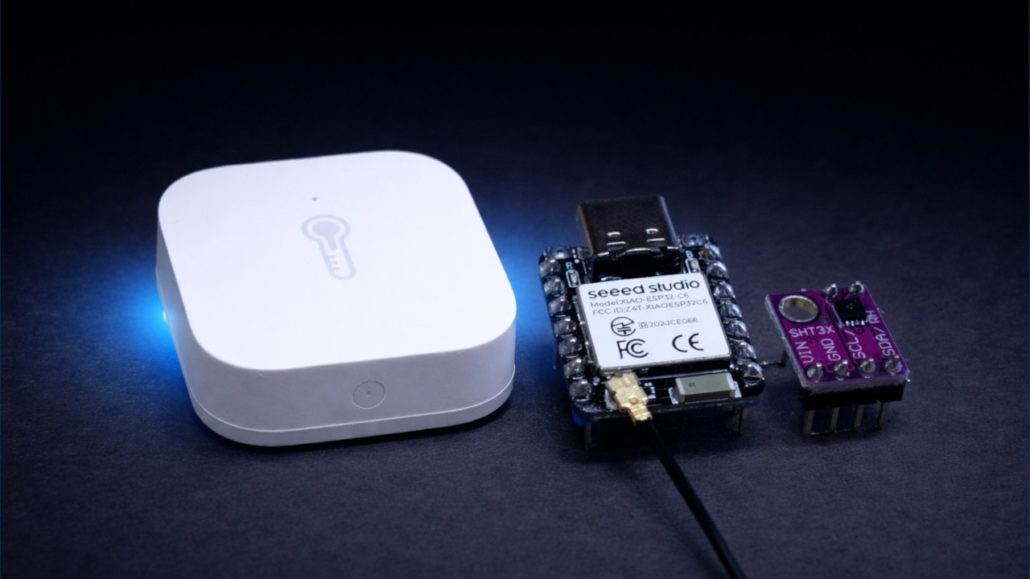
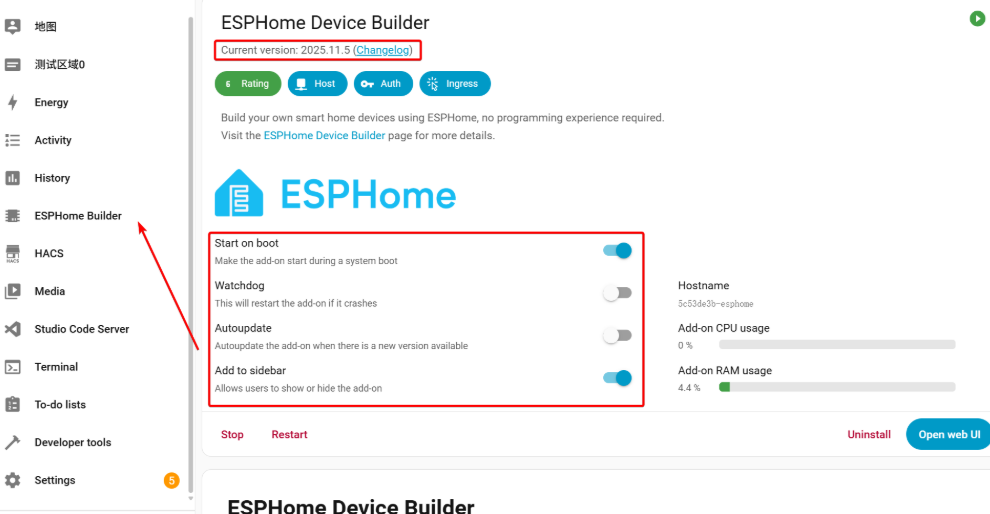
ESP32-C5 ESPHome support is already available, This makes ESP32-C5 working with ESPHome much easier to bring custom hardware into Home Assistant. Instead of developing firmware from scratch, makers can define devices using simple YAML configurations and quickly deploy sensor nodes, displays, Bluetooth Proxies, and other smart home applications.
This makes ESP32-C5 working with ESPHome much more accessible, especially for Home Assistant users who are already familiar with ESP32-C6 and other ESP-based devices. As community adoption continues to grow, more examples, templates, and project guides are becoming available, further lowering the barrier to getting started with ESP32-C5. ESP32-C5 ESPHome support allows developers to quickly build smart home devices without custom firmware.

What Can You Build with ESP32-C5 Today?

Sensor nodes

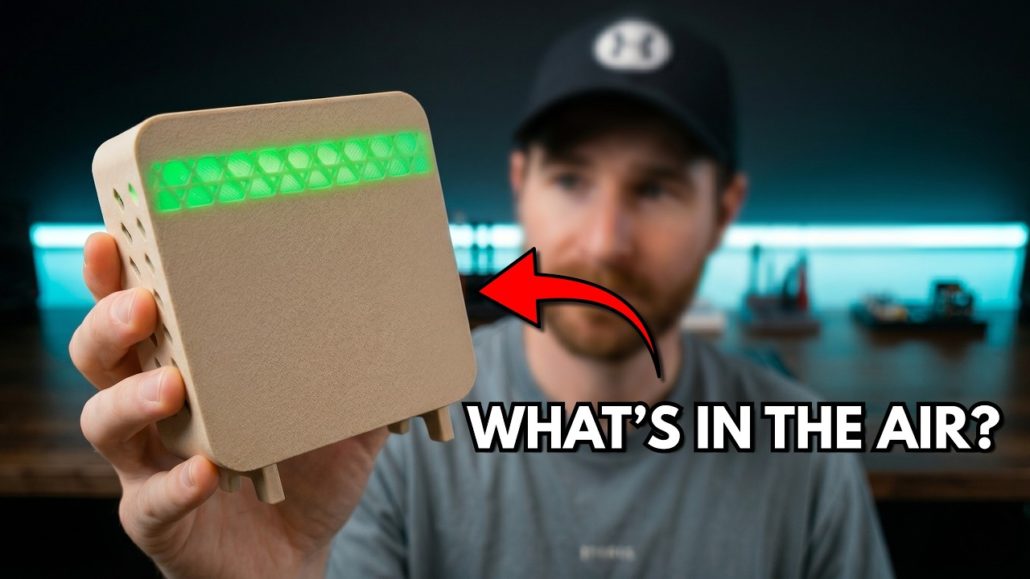
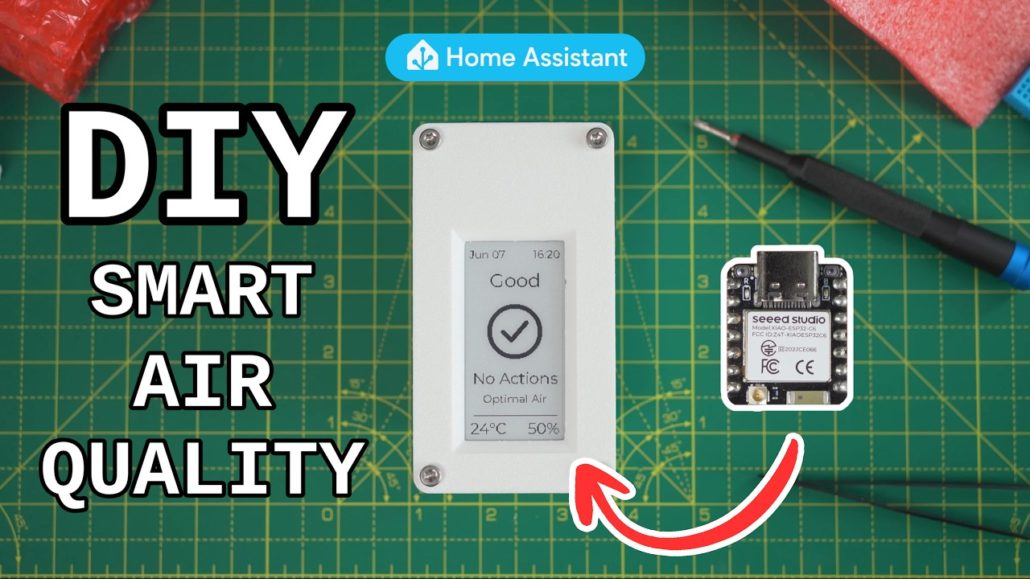
Environmental monitoring remains one of the most popular use cases for ESP32-C5 ESPHome projects. Projects such as air quality monitors, temperature and humidity sensors, CO₂ monitors, and weather stations can all be easily integrated into Home Assistant through ESPHome. These are typical examples of ESP32-C5 ESPHome use cases, where simple sensor data is collected and visualized in Home Assistant dashboards.

Bluetooth Proxy

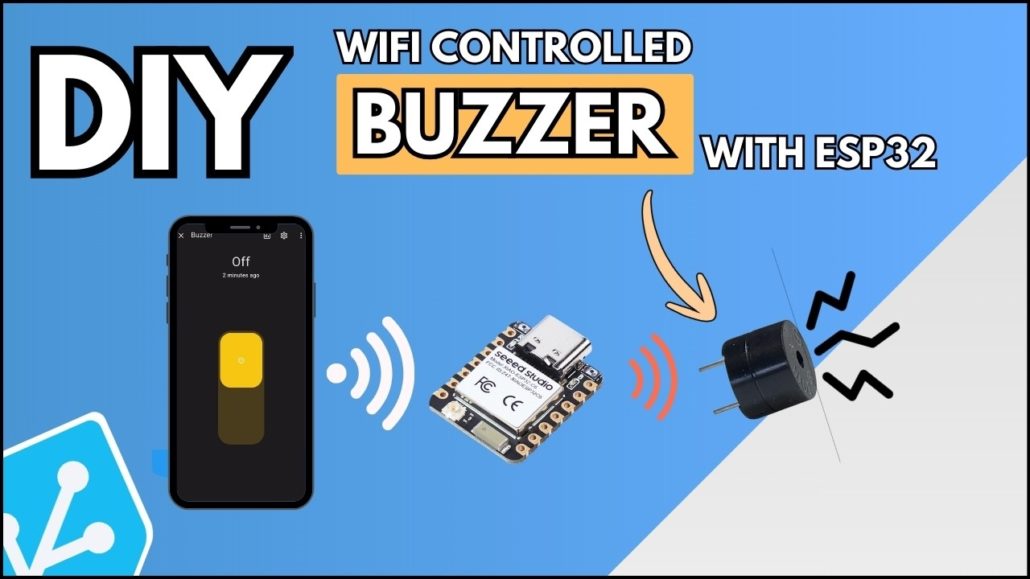
Bluetooth Proxy is another practical application for ESP32-C5 ESPHome integration, allowing Home Assistant to discover and manage Bluetooth devices throughout a home. As Bluetooth-based sensors and smart locks become more common, distributed proxy nodes built with ESP32-C5 working with ESPHome continue to grow in popularity across the smart home ecosystem.

Why Many Developers Choose XIAO ESP32-C5

Among the growing number of ESP32-C5 ESPHome compatible boards, XIAO ESP32-C5 has become a popular choice thanks to its compact form factor, extensive documentation, and growing collection of community projects focused on ESPHome, Matter, and Home Assistant.

From ESPHome to Home Assistant: Getting Started with XIAO ESP32-C5

For makers looking to get started quickly, XIAO ESP32-C5 offers a straightforward path from hardware setup to Home Assistant integration. Existing tutorials and documentation cover a wide range of smart home use cases, making it easy to learn from proven community projects.

Build Faster with the Pre-Soldered Version

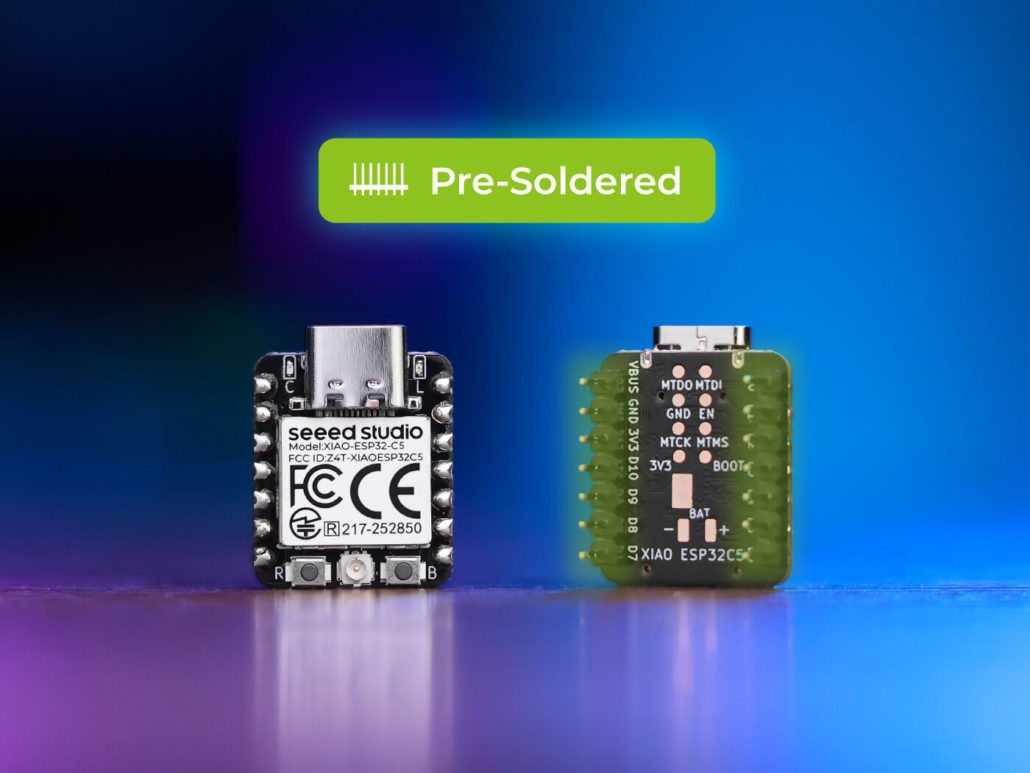
If you want to prototype quickly, the Pre-Soldered version of XIAO ESP32-C5 lets you skip header soldering and start building immediately. It plugs directly into XIAO expansion boards and breadboards, making it especially suitable for beginners, rapid prototyping, and iterative smart home development.

Expand with Grove Sensors

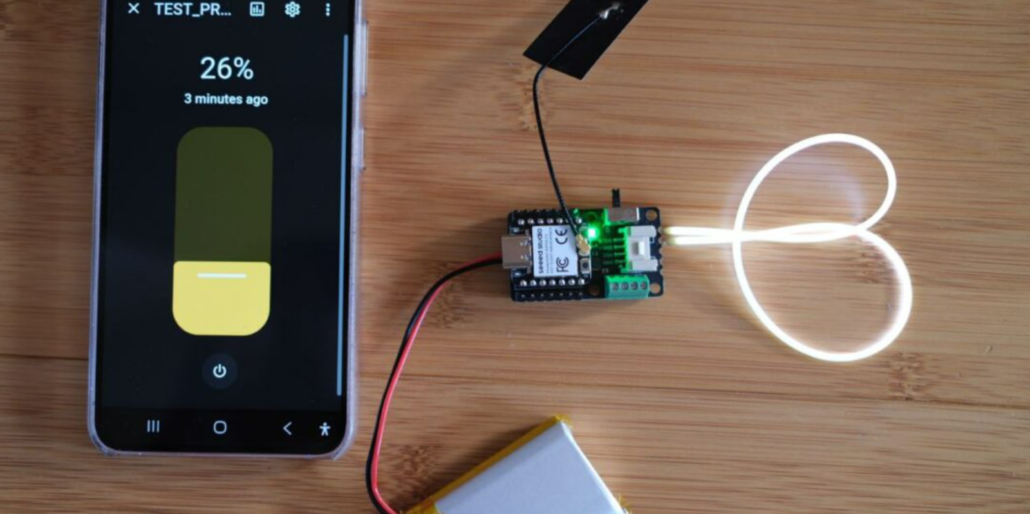
XIAO ESP32-C5 is also part of the broader Grove ecosystem. By pairing it with Grove sensor modules—such as temperature & humidity sensors, air quality sensors, mmWave radar, displays, buttons, and relay modules—you can assemble smart home prototypes with minimal wiring and quickly integrate them into ESPHome and Home Assistant.

Looking Ahead: The Untapped Potential of ESP32-C5 in Smart Homes

Today, most ESP32-C5 applications in the Home Assistant ecosystem are still centered around familiar use cases such as sensors, switches, and connectivity bridges. These are important foundations, but they do not fully represent the chip’s potential.

Beyond Sensors and Switches

As smart homes evolve, devices are gradually shifting from simple data reporting toward richer, real-time interactions. This includes more complex dashboards, interactive interfaces, and systems that require higher and more stable network throughput than traditional sensor nodes.

Opportunities for Camera-Based Devices

One area that remains largely unexplored in the current ESPHome and Home Assistant ecosystem is camera-based or media-heavy applications. With its dual-band Wi-Fi capability, ESP32-C5 introduces new possibilities for handling higher data loads, which could be relevant for future generations of smart home devices.
While these use cases are still emerging, they highlight a potential direction where ESP32-C5 may differentiate itself over time.

Conclusion

ESP32-C6 remains the most widely used choice for ESPHome and Home Assistant smart home projects, with a mature ecosystem, strong community support, and extensive existing tutorials.
ESP32-C5 is positioned differently. It is not a replacement for ESP32-C6, but an alternative focused on dual-band Wi-Fi connectivity, offering additional flexibility for ESPHome and Home Assistant projects in environments with network congestion or higher bandwidth requirements.
 
For most ESP32-based smart home applications, ESP32-C6 is still the recommended starting point. ESP32-C5 is more suitable for specific use cases where network performance and Wi-Fi flexibility are a priority.
For developers exploring ESP32-C5 in ESPHome and Home Assistant, XIAO ESP32-C5 provides a compact development board with available documentation and community examples.

Notes at the end.

Hey community, we’re curating a monthly newsletter centering around the beloved Seeed Studio XIAO. If you want to stay up-to-date with:

🤖️ Cool Projects from the Community to get inspiration and tutorials
📰 Product Updates: firmware update, new product spoiler
📖 Wiki Updates: new wikis + wiki contribution
📣 News: events, contests, and other community stuff

Please click the image below👇 to subscribe now!

About Author

Leave a Reply

Your email address will not be published. Required fields are marked *

Calendar

June 2026
M T W T F S S
1234567
891011121314
15161718192021
22232425262728
2930