Monthly Wrap-Up for May 2026 Add voice interaction to your LeKiwi robot Powered by reSpeaker Flex microphone Enable natural, precise voice control
Hey community,


How’s 2026 treating you so far?

Welcome to the latest edition of Seeed Monthly! This month,  we’ve curated a diverse range of content to keep you informed and inspired. 

Boost your knowledge with 3 in-depth tech exploration offering expert insight, 4 product and service showcases that will leave you in awe. Plus, prepare for 6 latest Seeed news and event highlights. Dive into the vibrant open-source community with 3 inspiring projects. Let’s jump right in!

📚 I. In-depth Feature & Tech Exploration

Machine learning lets computers learn from data and make decisions or predictions without being explicitly programmed. It’s applicable in various industries, from improving healthcare with predictive diagnostics to detecting pollution to protect the environment, optimizing retail supply chains, and advancing autonomous vehicle technology. Machine learning helps to enhance our lives, and with compact machine learning modules, it’s become accessible for everyone to explore and innovate in our daily routines.

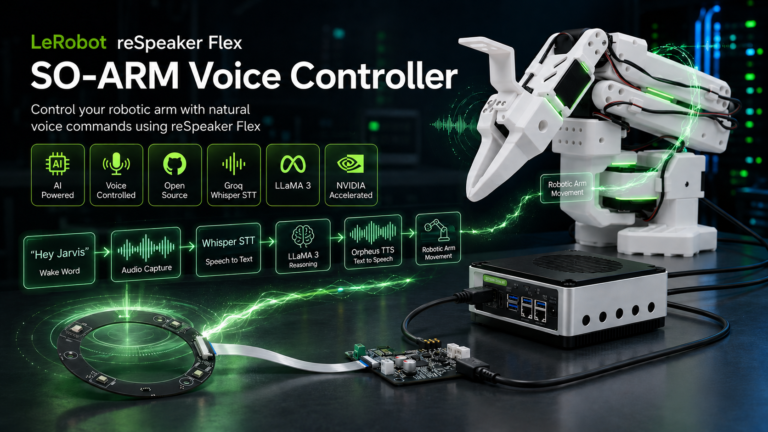
01. Add Voice Interaction to Your SO-ARM10x with reSpeaker Flex

The LeRobot SO-ARM Voice Controller lets you control a SO-ARM100 robotic arm using natural voice commands powered by AI. The system combines wake word detection, Groq Whisper speech-to-text, LLaMA 3 language understanding, and Orpheus text-to-speech to create a fully interactive hands-free robotics experience. Built on top of the LeRobot framework, it runs on Ubuntu x86 systems and NVIDIA Jetson devices using a ReSpeaker USB microphone array for voice input. Users can create custom arm poses, gestures, and conversational triggers to build intelligent robotic interactions for research, education, and robotics development. Check Out today.

02.Control reBot Arm B601 with NemoClaw on Nvidia Jetson Thor 

pir

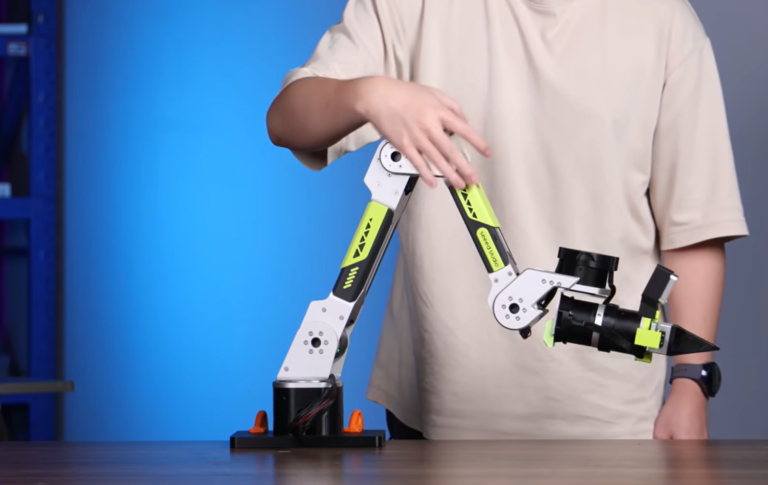
NVIDIA is an open-source reference stack that simplifies running OpenClaw always-on assistants more safely. This wiki explains how to deploy NemoClaw on Jetson Thor and connect capabilities into the NemoClaw agent workflow, forming a closed loop of: semantic understanding + visual detection + robotic execution. Find more details here.

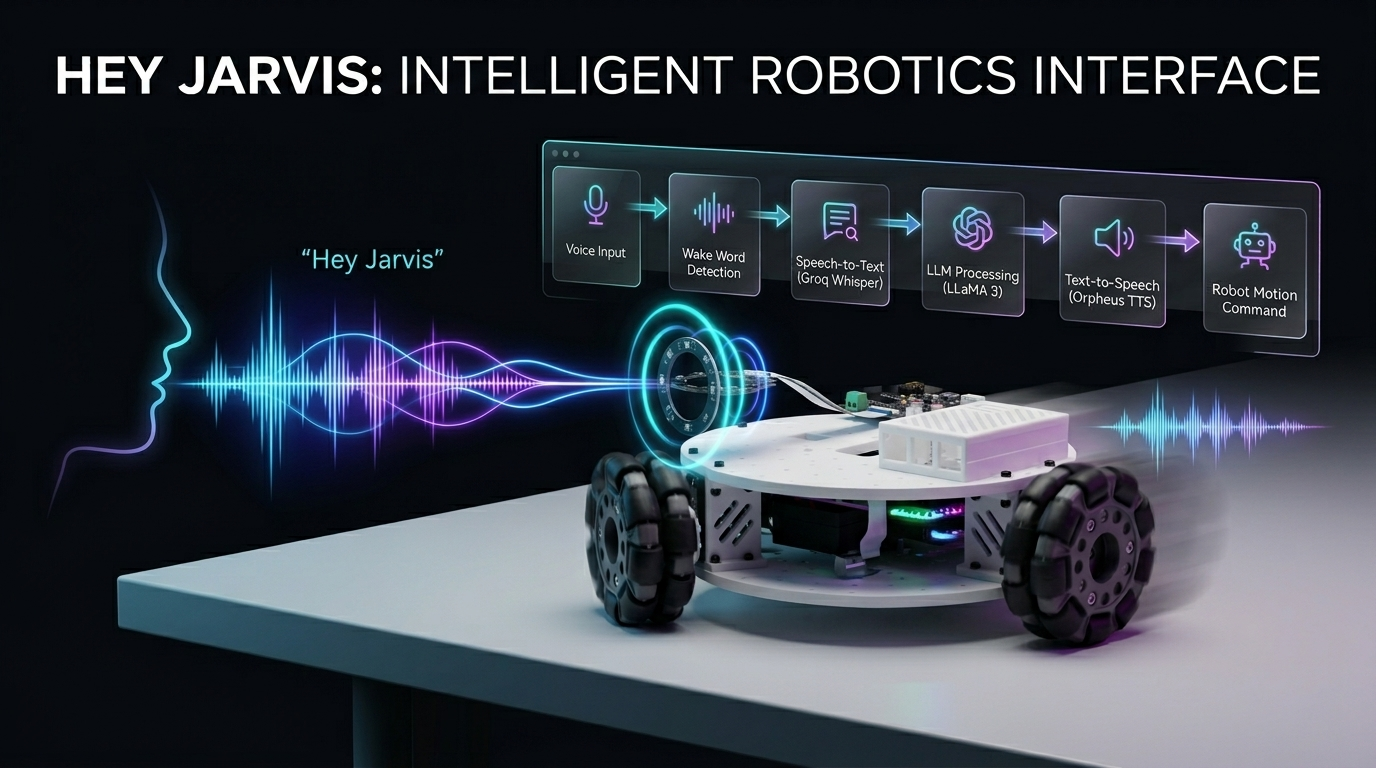
03.Add Voice Interaction to Your LeKiwi Robot with reSpeaker Flex
pir

Control a 3-wheeled Kiwi-drive robot with your voice! This project combines a Seeed Studio XIAO ESP32 (motor controller) with a Raspberry Pi (voice processing brain), enhanced by the reSpeaker Flex for high-quality audio capture and Voice Embeddings for smarter, more personalized voice interaction. Using natural language commands, you can drive, steer, and control the robot completely hands-free with improved accuracy and responsiveness. Check out today.
📰 II. Product & Service Showcases

Stay up-to-date with the latest product releases from Seeed. Discover new tools, platforms, and services designed to streamline your workflow and accelerate innovation in your projects.

01. Defying Gravity: How reBot’s Advanced Compensation Unlocks Precision​

The reBot Arm B601-DM redefines control experience right out of the box with its sophisticated gravity compensation algorithms. By counteracting self-weight loads, it eliminates jitter, ensures silky-smooth trajectories, and significantly reduces energy consumption. For developers, this means saying goodbye to tedious tuning of low-level dynamics, allowing you to focus entirely on high-level path planning and application logic. Find out more here.

02. XIAO ESP32C5 Now Supports Zephyr RTOS, Empowering Next-Gen IoT Development

The Seeed Studio XIAO ESP32C5​ is now officially supported by Zephyr RTOS!Packing dual-band Wi-Fi 6, Bluetooth LE 5.4, and 802.15.4 (Zigbee/Thread) connectivity into a tiny footprint, this RISC-V based board allows developers to build, flash, and debug using standard Zephyr workflows (west, MCUboot, OpenOCD). It offers a flexible new path for developing low-power wireless and Matter/Thread applications.. Read more.

03. No Signal, No Charging: Solar-Powered TrailNAV Redefines Off-Grid Navigation

查看图片

Created by Rishabh Jain, TrailNAV​ is a solar-powered offline navigation device built for hiking, camping, and off-grid cycling. Powered by the Seeed Studio XIAO ESP32-C6, it integrates GPS, a QMC5883 digital compass, and a 2.7″ ePaper display to provide precise guidance without maps or internet. With MPPT solar charging and ultra-low power consumption, it stays readable in direct sunlight and extends battery life outdoors, making it a reliable companion for extreme environments. Discover More.
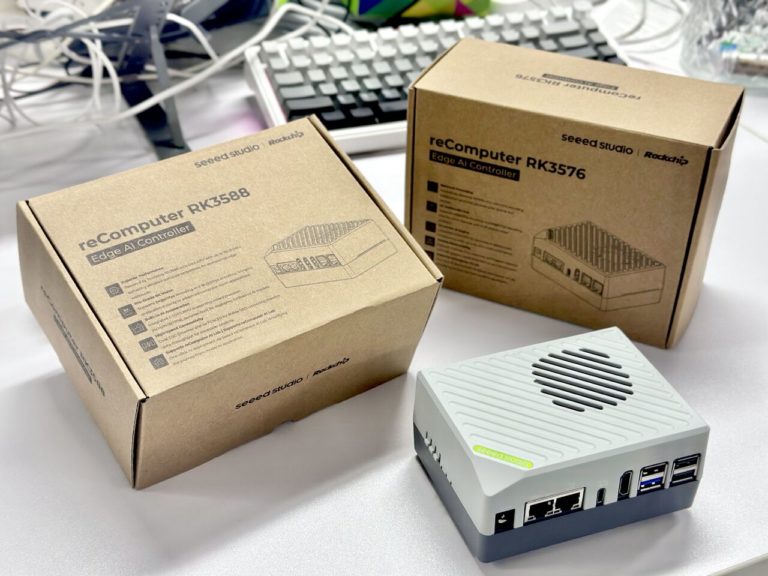
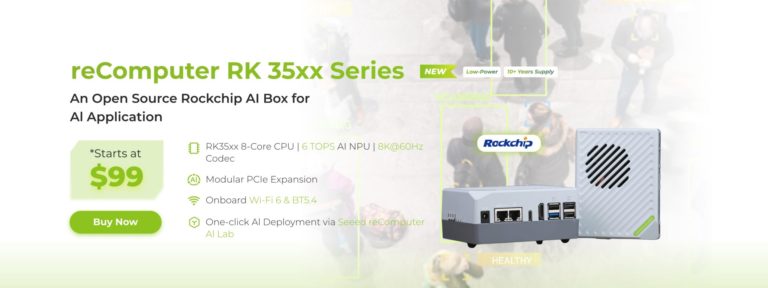
04. Starting at Just $99!Seeed Studio reComputer RK Series Now Available

The Seeed Studio reComputer RK series​ (RK3576/RK3588) is officially here!Built for edge AI and robotics innovators, it delivers up to 6 TOPS NPU​ and 32GB LPDDR5. Paired with the new reComputer AI Lab, developers can deploy over 100 AI models instantly using one-command or no-code Docker workflows, streamlining the entire pipeline from PyTorch/TensorFlow to RKNN. Get yours now and supercharge your embedded AI deployment. Read more.

👩‍💻 III. News & Event Highlights

Get the latest updates on recent events and news, and gain valuable insights, key takeaways, and highlights from industry experts and thought leaders.

01.Introducing reComputer RK3576/RK3588: Open Source Rockchip AI Boxes for Real-World AI Development


Seeed Studio’s new reComputer RK Series​ (RK3576/RK3588) brings powerful edge AI to developers at prices starting from $99. Featuring up to 6 TOPS NPUs, LPDDR5 memory, and active cooling in a compact box design, these devices support diverse workloads including Computer Vision, LLMs, VLMs, and Speech AI. Paired with the reComputer AI Lab​ platform, developers can deploy over 100 optimized models with one-click conversion, moving from prototype to production faster. With rich expansion options (M.2, miniPCIe) and official Armbian​ support, it is the ideal bridge between Raspberry Pi and high-end GPU solutions for real-world AI deployment. Find out more

02.Seeed Studio Unveils SenseCAP S700-C: Bringing Industrial-Grade Radar Weather Sensing to the Mass IoT Market
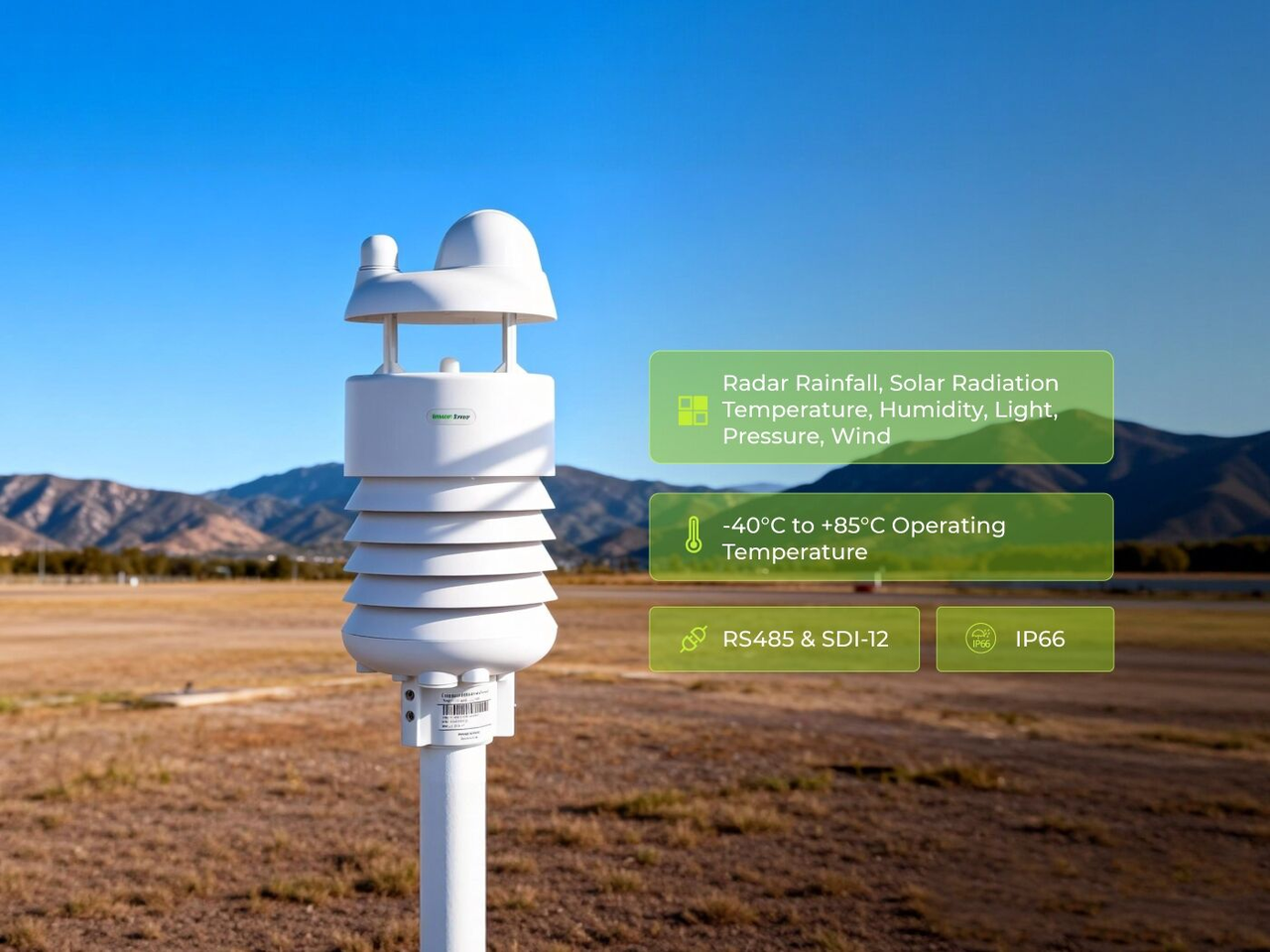
product photo of  the S700-C weather station

Seeed Studio introduces the SenseCAP S700-C, an industrial-grade 7-in-1 weather station engineered to eliminate the fragility of traditional mechanical sensors. Utilizing 60GHz Doppler Radar​ and Ultrasonic technology, it features a 100% solid-state design with zero moving parts, enabling uninterrupted monitoring of rain, snow, hail, and wind in the harshest environments without maintenance. Fully compliant with IP66​ standards and supporting standard industrial protocols (RS485/SDI-12), the S700-C is the ultimate solution for smart agriculture, hydrological safety, and remote IoT deployments where reliability is critical. More info.

03.reBot Arm Moves to CERN-OHL-W 2.0 Certified: Building a Fully Open Hardware Platform for Physical AI!
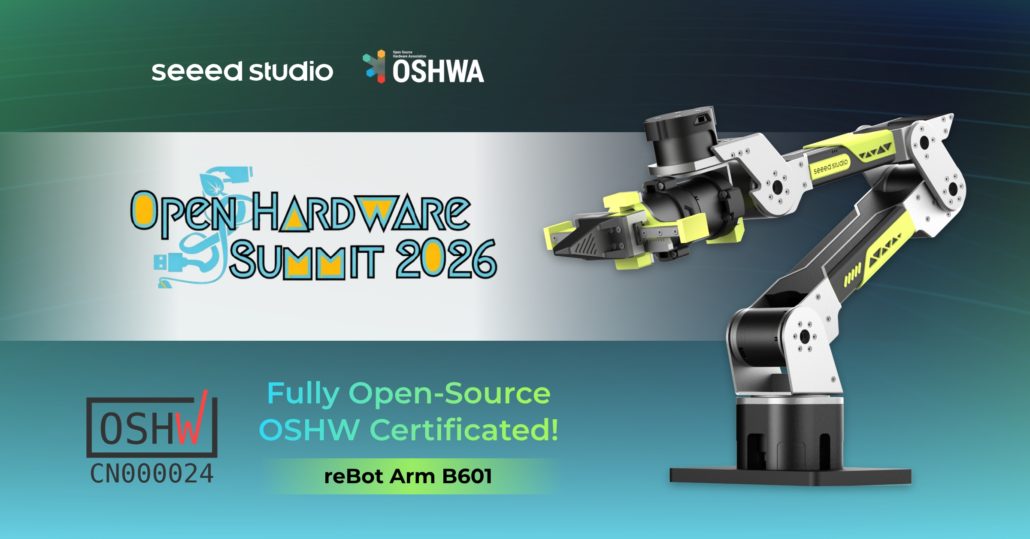
Five months after launch, Seeed Studio’s reBot Arm B601-DM​ has officially transitioned to the CERN-OHL-W 2.0​ license, permitting full commercial use and establishing itself as a truly open-source hardware platform. To meet community demand, supply chains have been optimized for weekly shipments, and a new pre-assembled version​ is now available to eliminate setup time. Beyond hardware, it offers a complete development ecosystem supporting ROS2, LeRobot, and NVIDIA Isaac Sim, complemented by the new MotorBridge Console​ and SenseCraft Robotics​ platform for streamlined AI training and deployment. It is now a stable, ready-to-use solution for Physical AI, imitation learning, and robotic manipulation. Find out more.


04.When Robotic Arms Learned to Cook: A 48-Hour Hackathon Story
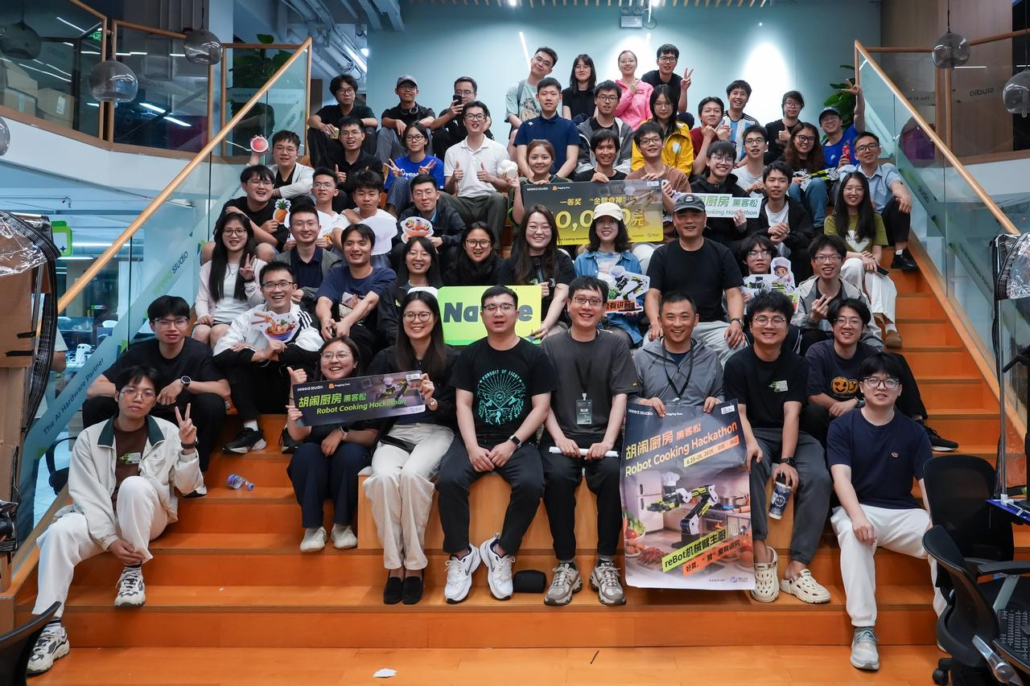
Seeed Studio challenged 50 developers to a 48-hour “Cook with Robot” Hackathon, deploying the open-source reBot Arm B601-DM​ and reComputer J4012​ as the hardware backbone for autonomous cooking. Set in the unpredictable kitchen environment, the event served as a rigorous real-world test for Embodied AI, forcing teams to solve complex problems in flexible manipulation, computer vision, and real-time trajectory planning. Powered by NVIDIA Jetson, Hugging Face LeRobot, and Orbbec 3D cameras, the hackathon demonstrated that affordable, open-source platforms can successfully bridge the gap between simulation and physical interaction, accelerating the future of robotics.More info.

05.Seeed Jetson Product Line Selection Guide: Choose the Right Edge AI Computer for Your Project
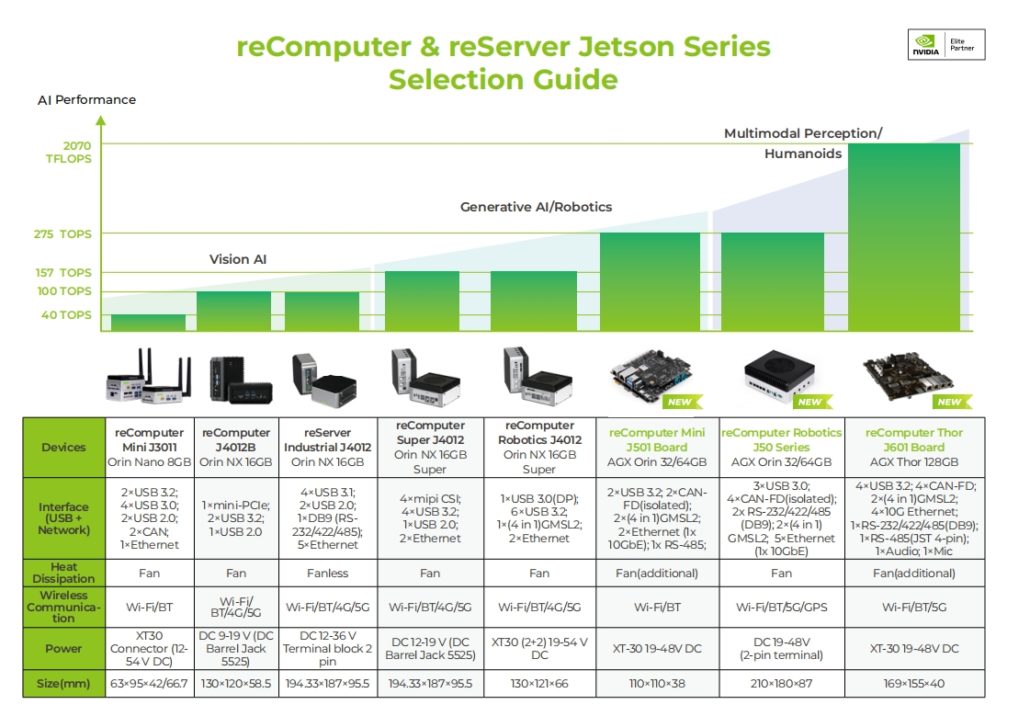
Seeed Studio provides a comprehensive Jetson-based product portfolio​ designed to bridge the gap between NVIDIA modules and real-world deployment. From the Industrial Series​ (fanless, wide-temp) and Rugged Series​ (IP66, shockproof) for harsh environments, to the Robotics J50/Mini J501​ acting as the “brain” for humanoid and AMR robots, Seeed tailors hardware for every scenario. Whether you need a reServer​ for multi-camera NAS inference or a Super Series​ desktop for LLM development, our carrier boards and turnkey systems offer the specific I/O, thermal management, and durability required to accelerate your edge AI project to mass production. Find out more.
 

06.Will Meshtastic be the New APRS?

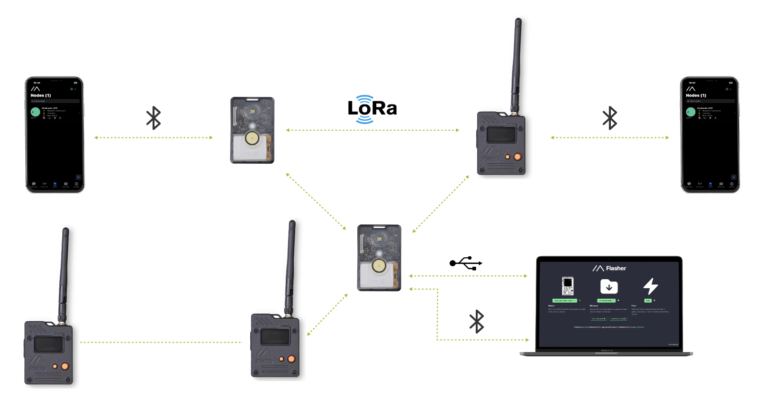
Meshtastic​ is a LoRa-based, decentralized mesh protocol that complements traditional Amateur Radio (APRS) by offering a new way to handle data propagation. While APRS relies on AX.25 and fixed infrastructure, Meshtastic uses a flooding-based mesh in ISM bands, prioritizing offline usability​ and AES-256 encryption​ for private group tracking. For developers and operators, it lowers the barrier to experimentation—especially when paired with ready-to-use hardware like the Seeed Wio Tracker L1 Pro. Instead of replacing ham radio, Meshtastic extends the toolkit, shifting the focus from voice to programmable data networking for off-grid and disaster-resilient scenarios. Register Now.

🌈 IV. Community Project Spotlight

Celebrate the creativity and ingenuity of our community members with featured projects and ideas in machine learning. From open-source libraries to DIY solutions, there’s no shortage of inspiration to be found among our talented community.

01. LUN-E Explorer: Browser-Powered Autonomous Rover with XIAO ESP32-S3

Maker Amit Goyal reimagines edge AI autonomy with the LUN-E Explorer, a desktop rover built around the Seeed Studio XIAO ESP32-S3 Sense. Instead of relying on heavy onboard computing, the XIAO acts as a high-efficiency bridge—streaming MJPEG video and receiving motor commands—while the actual “brain” resides in the web browser. Using JavaScript served directly from the rover, the browser performs real-time floor classification, object detection, and cliff avoidance, sending decisions back via WebSocket. This innovative architecture decouples heavy computation from hardware, proving that sophisticated autonomous navigation is achievable with a compact, low-cost MCU setup. Check it out

02. Modular Wearable Dev Platform: XIAO nRF52840 Sense Stack

查看图片Maker Leonardo Marquez tackled the headache of wearable prototyping with a modular development platform​ powered by the Seeed Studio XIAO nRF52840 Sense. Instead of stuffing all functions onto a single rigid PCB, his design adopts a stackable architecture. Each layer specializes in a specific task—processing, BLE communication, motion sensing, or health monitoring—allowing developers to upgrade sensors or features without redesigning the entire board. This plug-and-play approach drastically lowers the barrier to iterating on complex wearable applications, from heart rate tracking to real-time display feedback. Learn more.

03. Offline Voice-Controlled Robot Dog: XIAO ESP32-S3 & ESP-Skainet

查看图片

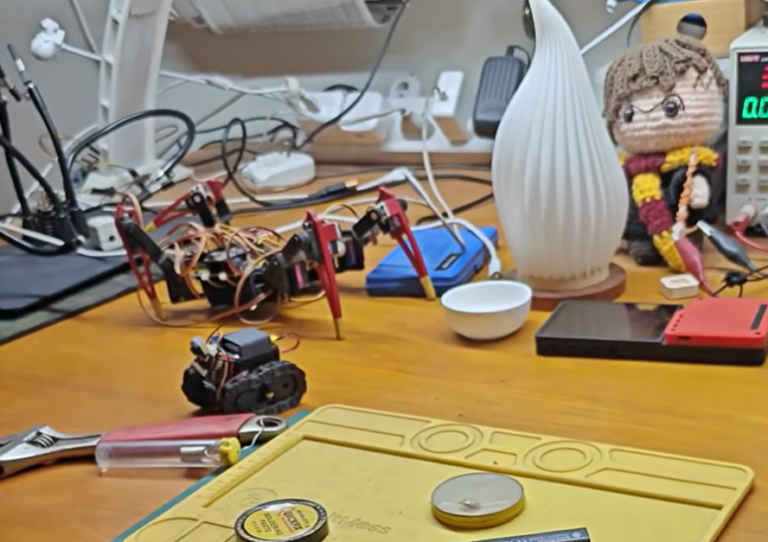
Maker Tech Talkies built a quadruped robot dog that responds to voice commands completely offline, powered by the Seeed Studio XIAO ESP32-S3 Sense. Using ESP-Skainet​ for on-device speech recognition, the robot eliminates the need for cloud services, phones, or internet connections. Simply say the wake word, and it obeys commands like sit, lie down, stretch, walk,and dance. This project demonstrates a practical, low-cost approach to embedded AI, combining 3D-printed mechanics with local voice interaction for an accessible introduction to robotics and offline AI. Find out more.

That’s all for today, thank you all for reading through this May Monthly Wrap-up in your spare time.  If you wanna share what projects you’re working on, shoot us a tweet @seeedstudio, let us know on LinkedIn and Discord, or publish your project on our Project Hub on Hackster.


#Notes

If you’re new to this session, here is a brief intro. We have gotten dozens of requests over the years for a Seeed Monthly Newsletter. Although we already have a newsletter for weekly updates, we still need a place to host overall information about what’s happened on a monthly basis. It can offer an efficient and friendly way to get updated for the whole community. And that’s what we expect for our Seeed Monthly Wrap-ups. Instead of putting it as a subscribe-to-read format, we’re publishing them on our blog, so as to keep it as open and accessible as possible for the whole community. For each entry, we will cover awesome projects from the community, campaigns that we are running, new products, IIoT Solutions, and even secret recipes for prototyping and manufacturing.

About Author

Leave a Reply

Your email address will not be published. Required fields are marked *

Calendar

June 2026
M T W T F S S
1234567
891011121314
15161718192021
22232425262728
2930