RSS 2026 Recap: Physical AI Moves Toward Reality, with Open Source Robotics Platforms Driving Innovation
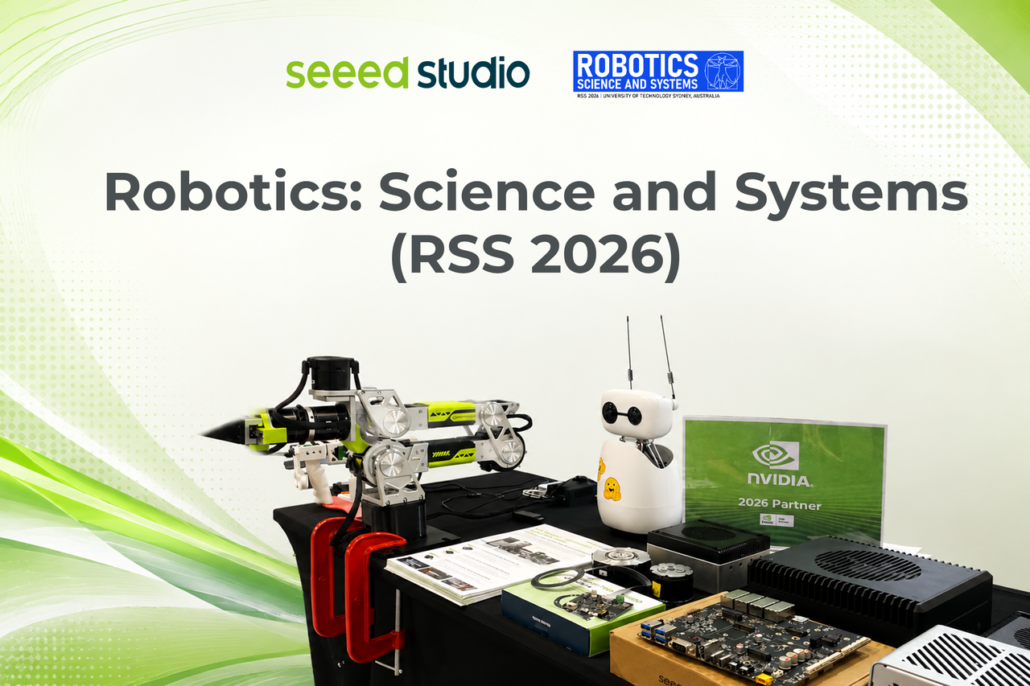
Robotics is moving fast.
With rapid advances in large AI models, Vision-Language-Action (VLA) models, robot learning, and edge AI computing, robots are evolving from traditional automated machines into intelligent systems capable of perceiving, learning, and interacting with the physical world.
Held in Sydney, Australia, Robotics: Science and Systems (RSS) 2026 brought together leading researchers, universities, and robotics innovators from around the world to showcase the latest breakthroughs in robotics.
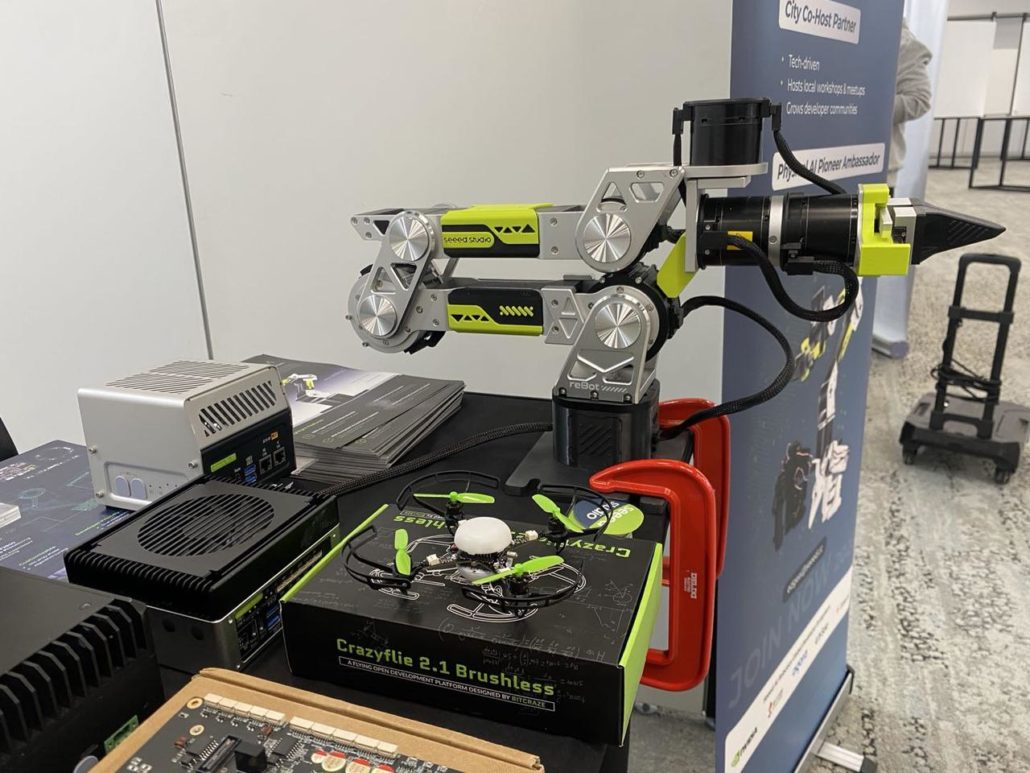
At RSS 2026, Seeed Studio connected with researchers, developers, and robotics communities worldwide to explore the future of Physical AI. We showcased our latest robotics solutions, including reBot Arm B601, Reachy Mini, and NVIDIA Jetson-powered edge AI robotics platforms, demonstrating how open hardware and AI computing can accelerate robotics innovation.
RSS 2026: Robotics Research Enters the Physical AI Era
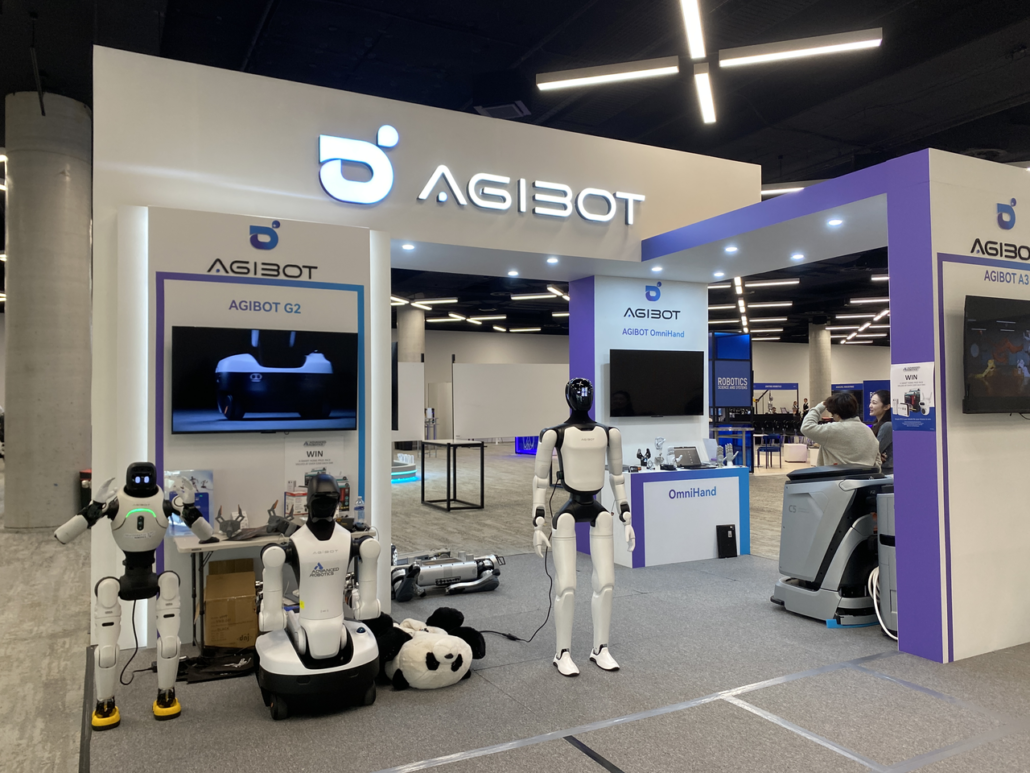
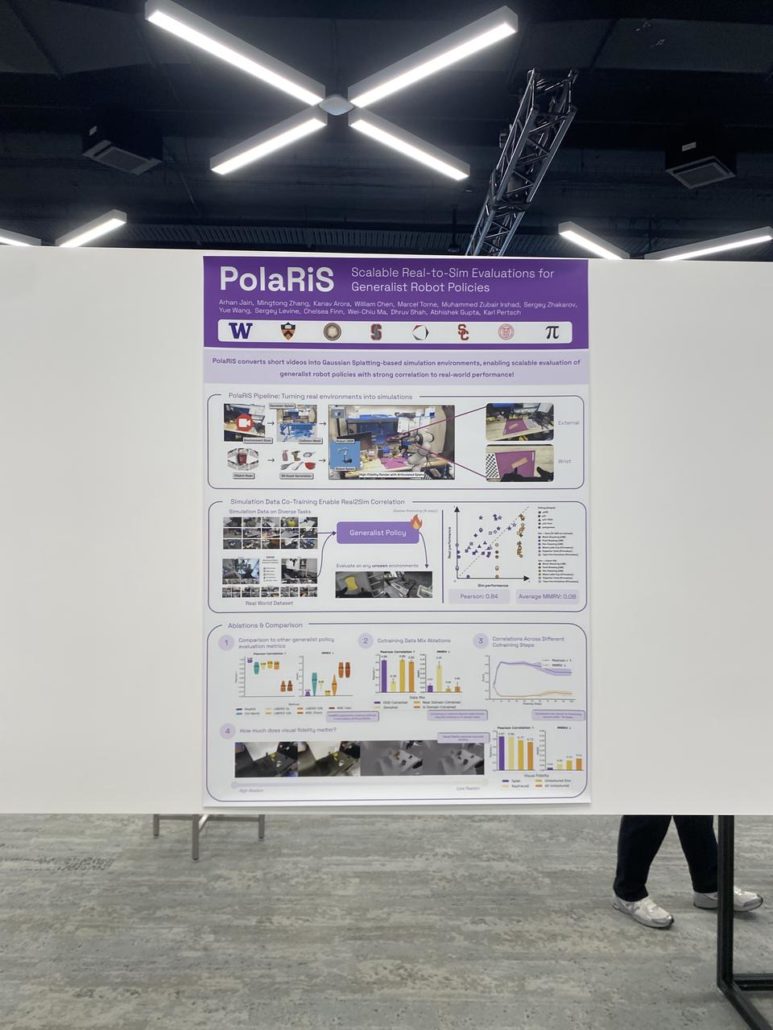
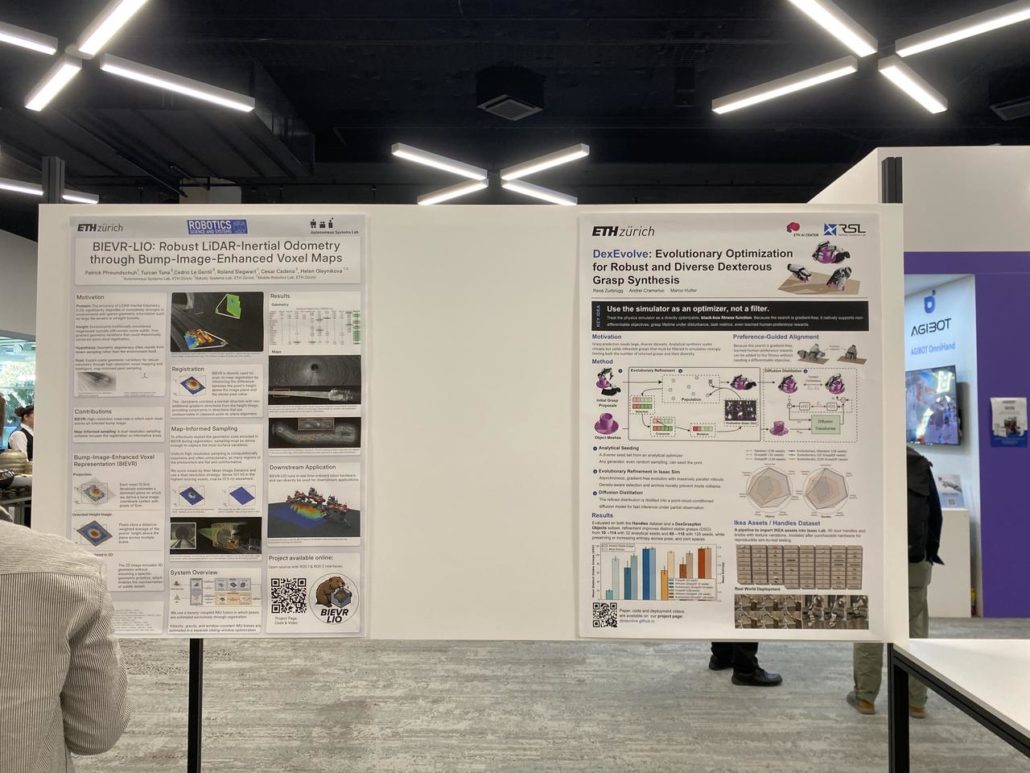
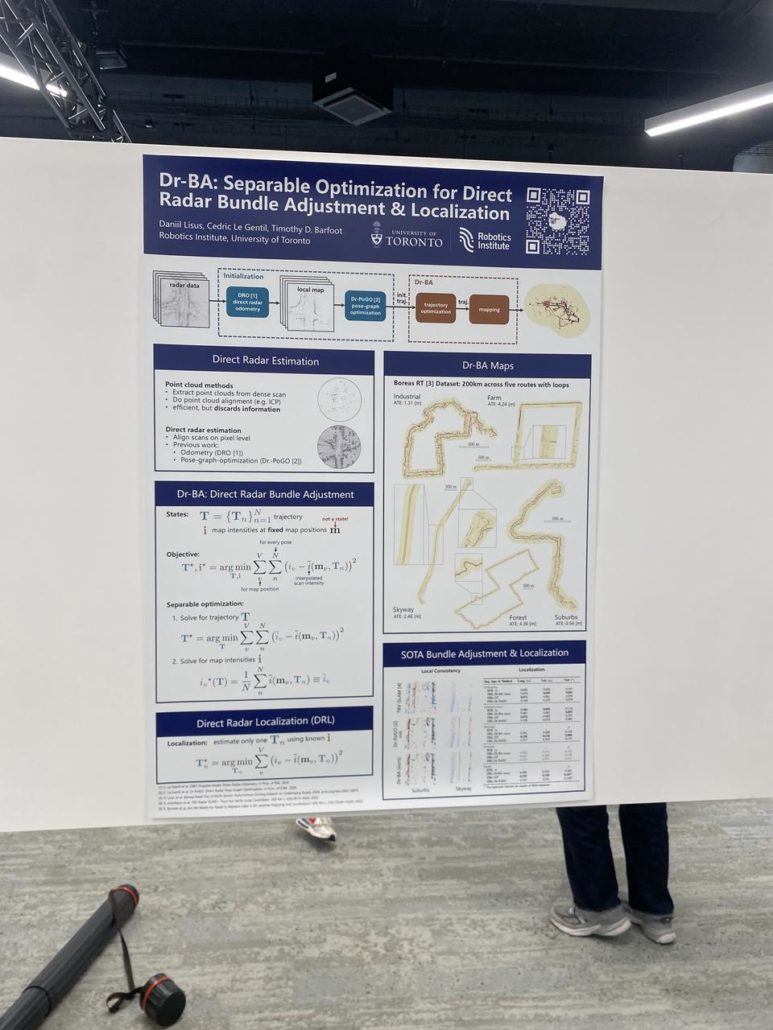
Unlike traditional industrial robotics exhibitions, RSS focuses on cutting-edge academic research and emerging technologies in robotics.
This year, several key research directions stood out across the conference:
- Robot Learning
- Vision-Language-Action (VLA) Models
- Dexterous Manipulation
- Human-Robot Interaction
- Embodied AI
These topics reflect a major shift in robotics development.
In the past, robots were primarily designed to perform predefined tasks through manually programmed workflows. Today, researchers are exploring how robots can leverage AI models to understand their environments, learn new skills, and complete increasingly complex tasks.
A clear trend is emerging:
The next generation of robots will not only execute commands — they will understand, learn, and adapt to the real world.
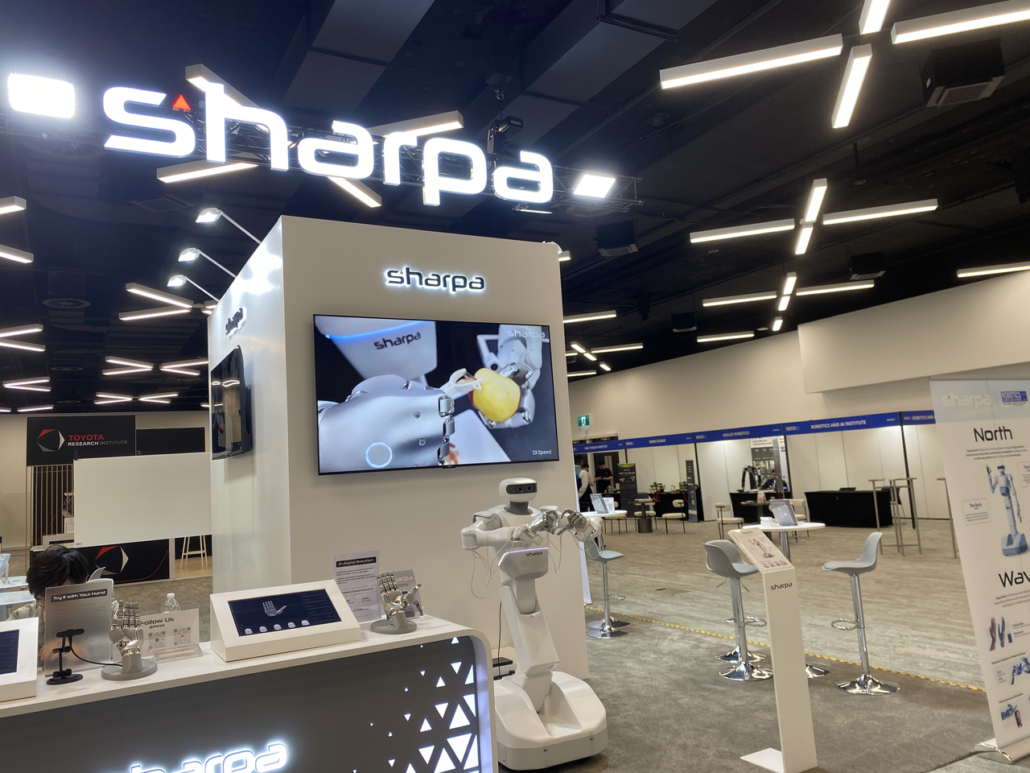
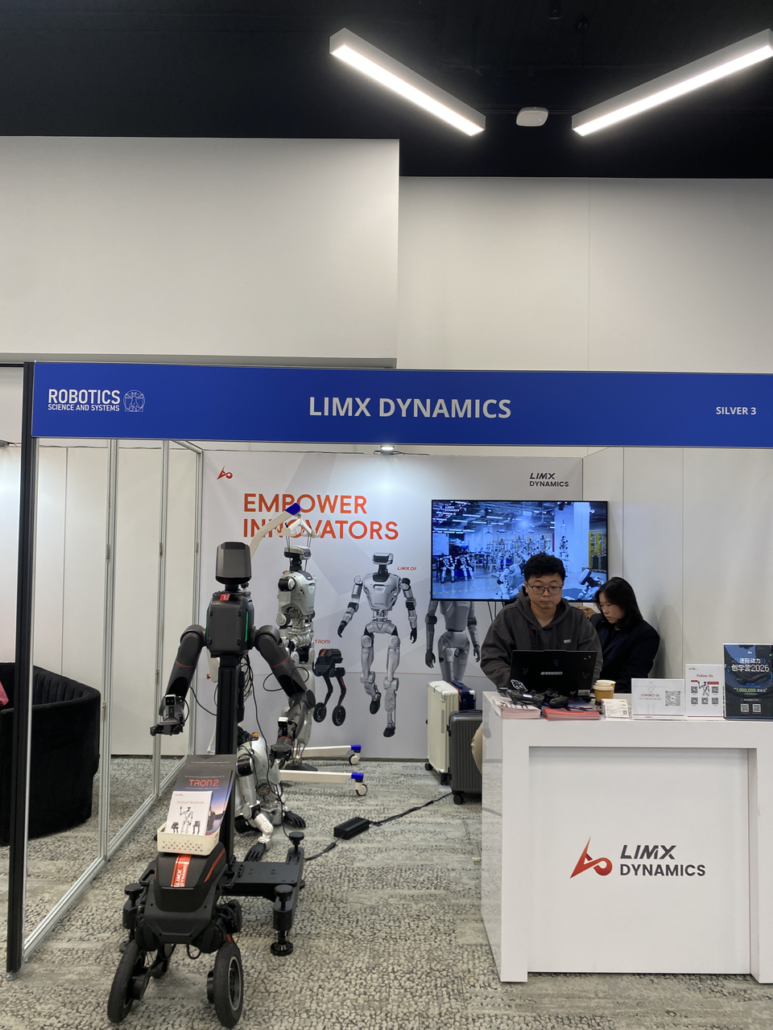
From Research Labs to Real-World Applications: A New Way to Build Robots
The research presented at RSS 2026 highlighted a growing transition from laboratory experimentation toward more open and accessible robotics development.
Researchers are increasingly focusing on:
- Efficient robot data collection
- Simulation-based robot training
- Teleoperation for generating training data
- Reducing the cost and complexity of robotics research
At the same time, the demand for robotics platforms is changing.
Developers and researchers are looking for:
- More open hardware designs
- More flexible software ecosystems
- Lower barriers to experimentation
- Easier customization and development
This evolution is helping robotics innovation expand beyond a limited number of advanced research labs, enabling more universities, startups, and independent developers to participate.
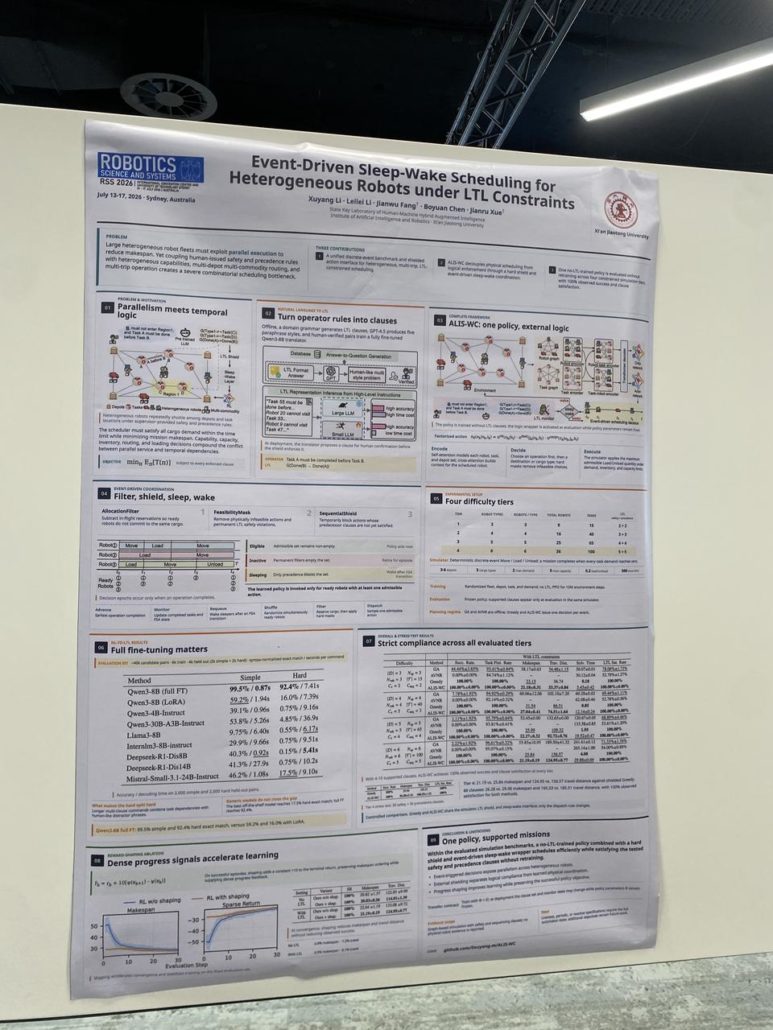
Seeed at RSS 2026: Building Open Source Robotics Platforms for Physical AI
At RSS 2026, Seeed showcased a range of open source robotics solutions designed to help developers explore Physical AI applications, including:
reBot Arm B601 Open-Source Robotic Arm
Reachy Mini development platform
NVIDIA Jetson-powered edge AI robotics solutions
By combining open source hardware, AI computing, and developer-friendly tools, Seeed aims to help researchers and developers move faster from AI concepts to real-world robotic applications.
reBot Arm B601: Making Robot Learning More Accessible
As a key platform in the Seeed Robotics ecosystem, reBot Arm B601 attracted strong interest from researchers and developers at RSS 2026.
During the event, visitors frequently asked about:
- Open-source availability
- Teleoperation capabilities
- Motor performance
- Hardware extensibility
- Developer support
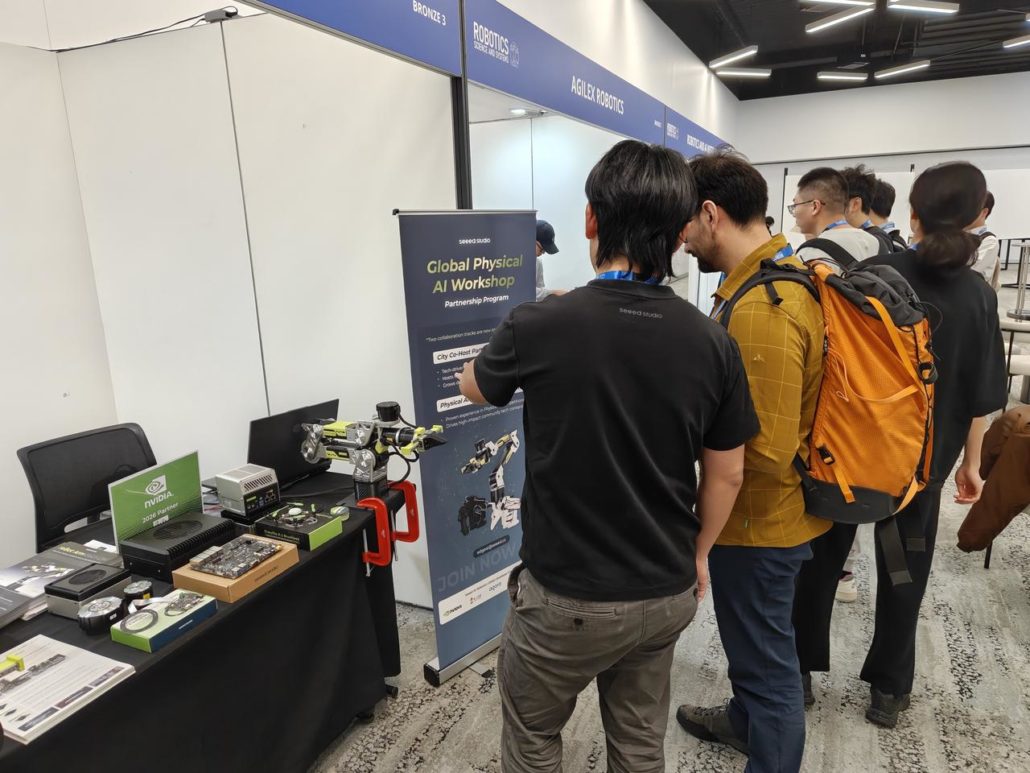
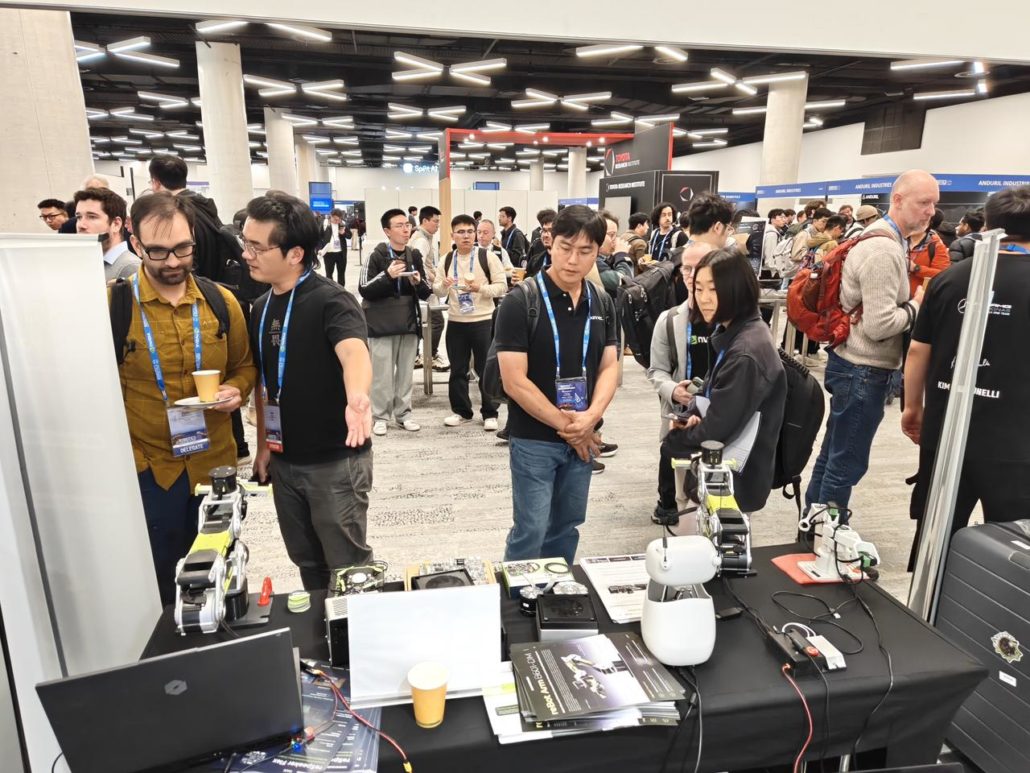
Among these discussions, the teleoperation experience became one of the most engaging topics.
Through hands-on interaction, developers were able to better understand the connection between robot control, data collection, and robot learning workflows.
With its open design, reBot Arm B601 provides researchers with greater flexibility for experimentation, including:
- Hardware customization
- Algorithm validation
- AI model integration
- Robotics education and research projects
Combined with the powerful edge AI capabilities of NVIDIA Jetson platforms, reBot Arm enables developers to explore applications including:
- Computer vision
- AI inference
- Robot control
- Robot learning research
Helping bridge the gap between AI models and real-world robotic systems.
Open Source Robotics Ecosystems Are Accelerating Innovation
Another important trend observed at RSS 2026 was the growing importance of open robotics platforms.
Traditional industrial robots continue to play a critical role in manufacturing. However, for universities, researchers, and AI developers, high costs and closed ecosystems can limit experimentation and innovation.
Open and flexible robotics platforms can help:
- More students gain hands-on robotics experience
- Research teams validate ideas faster
- More developers participate in Physical AI innovation
The future of robotics will require not only more powerful AI models, but also accessible and open hardware platforms that allow these technologies to be developed, tested, and deployed.
Powered by NVIDIA Isaac Sim 6.0, the digital twin demo showcased robot training, validation, and the Sim-to-Real workflow in virtual environments, accelerating the transition of Physical AI from simulation to real-world applications. Learn More from our wiki tutorial for developing reBot arm in NVIDIA Isaac Lab.
Connecting with the Global Robotics Community
RSS is not only a platform for showcasing advanced research, but also an important gathering point for the global robotics community.
During the event, Seeed connected with researchers, university teams, and robotics developers from around the world.
Key discussions focused on:
- The future of robotics education
- Open robotics ecosystem development
- Opportunities at the intersection of AI and robotics
- Next-generation intelligent robot applications
These conversations reinforced an important insight:
The future of Physical AI will be built through collaboration between AI researchers, hardware developers, software engineers, and open-source communities.
Looking Ahead: Empowering More Developers to Build Intelligent Robots
As Physical AI continues to evolve, robotics is entering a new wave of innovation.
Through:
- Open robotics hardware
- NVIDIA Jetson-powered edge AI platforms
- Developer tools and community ecosystems
Seeed will continue supporting researchers, developers, and innovators in lowering the barriers to robotics development and accelerating the adoption of intelligent robotic systems.
Thank you to everyone who visited the Seeed booth and shared ideas with us at RSS 2026.
We look forward to continuing the journey with the global robotics community toward a more open, intelligent, and accessible future of robotics. Join Seeed Studio Discord group for the latest community developing inspirations!
About Author
