The Meshtastic Antenna Pairing Guide to Double Your LoRa Range with Seeed Hardware
Introduction
For Meshtastic users, antenna selection often comes down to one practical question:
If I switch to this antenna, will I be able to reach nodes farther away?
For the Meshtastic devices currently offered by Seeed, the LoRa radio is based on the SX1262 transceiver. According to the datasheet, the maximum transmit power is around 22dBm, which is approximately 160mW. In other words, transmit power is limited by design and by regional regulations, so improving real-world range is not just about “turning up the power.”
Instead, the real difference often comes from choosing the right antenna, mounting it higher, keeping a clear line of sight, reducing cable loss, and installing the system properly.
Quick Antenna Pairing Guide
| Seeed Device | Recommended Antenna Type | Best Scenario | Why This Pairing Makes Sense |
XIAO Meshtastic Kit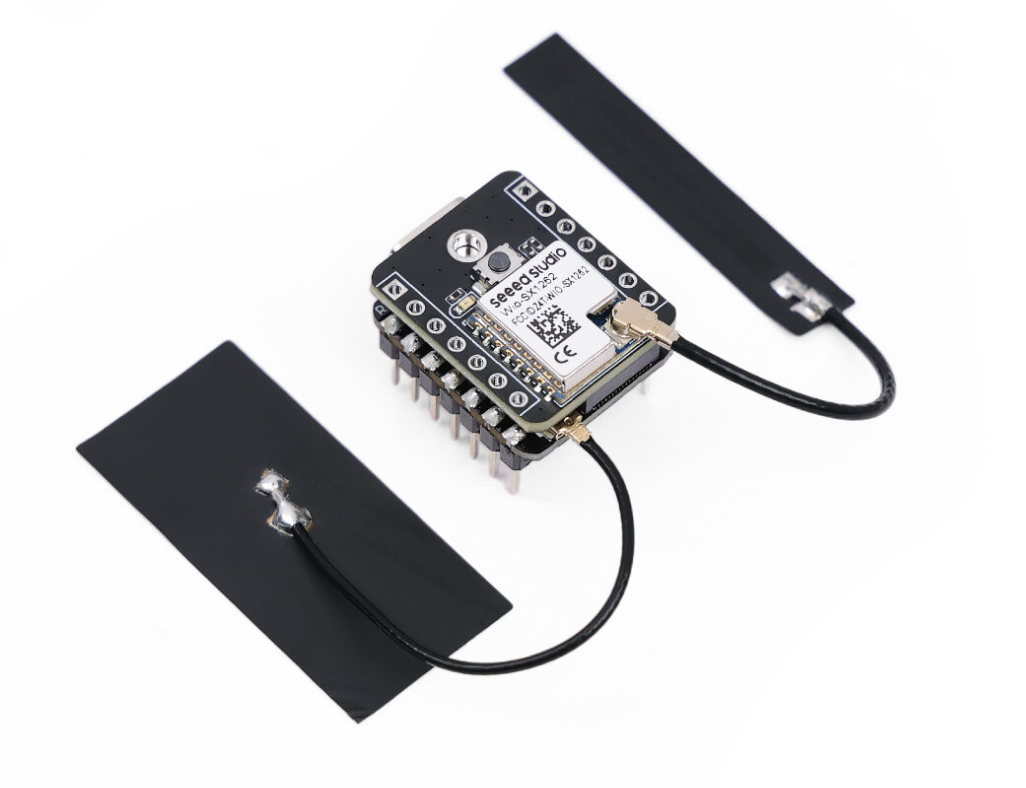 | FPC antenna/Rubber duck antenna | DIY builds, compact nodes, quick testing | Keeps the device small and easy to integrate into custom enclosures |
T1000-E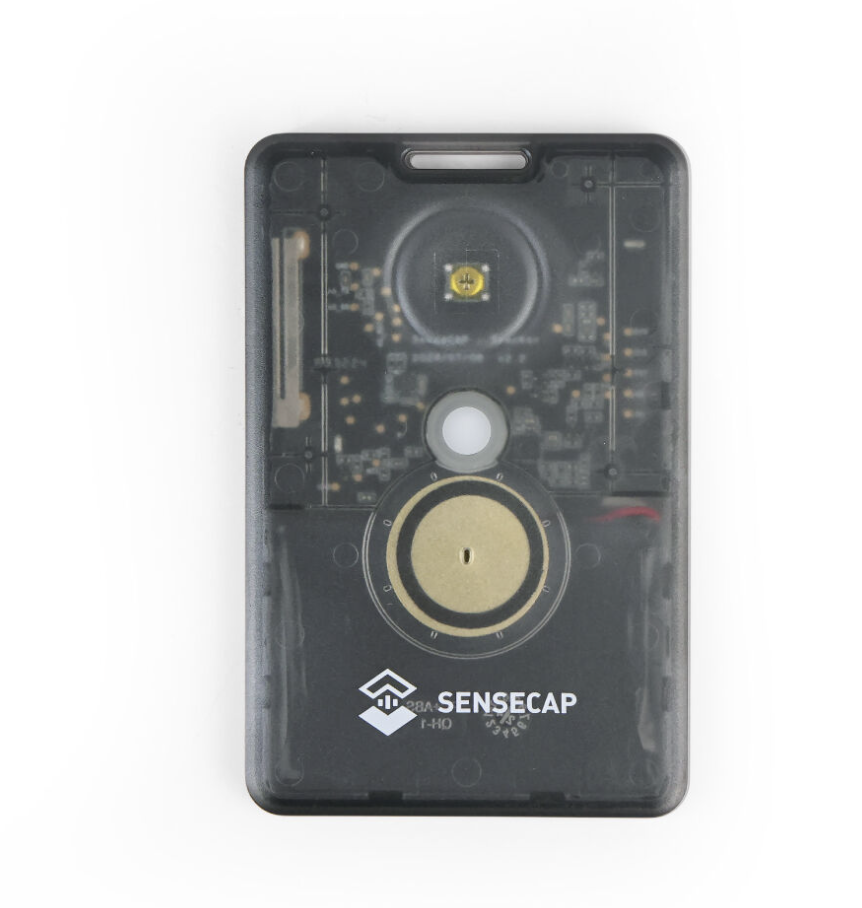 | FPC antenna | Everyday carry, personal tracking, portable use | Prioritizes portability, durability, and convenience |
Wio Tracker L1 / L1 Pro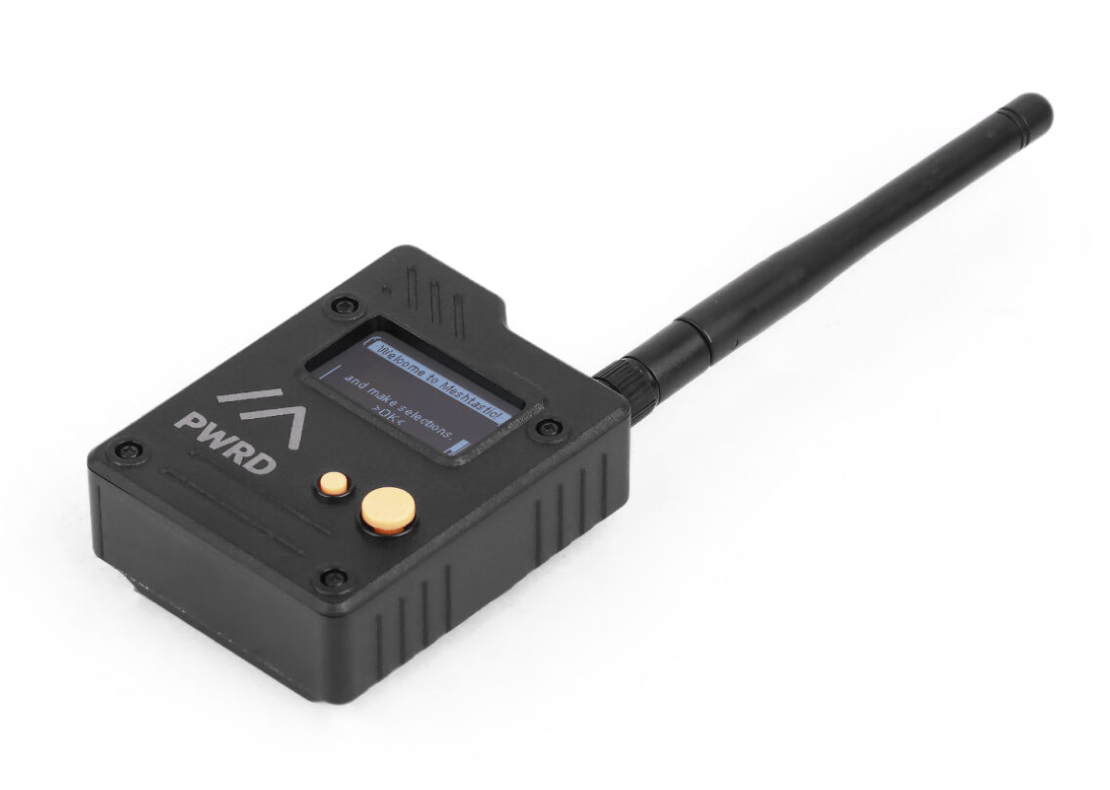 | Rubber duck / magnetic base antenna | Hiking, vehicle use, temporary outdoor deployment | Balances mobility with better antenna placement options |
SenseCAP Solar Node P1 Pro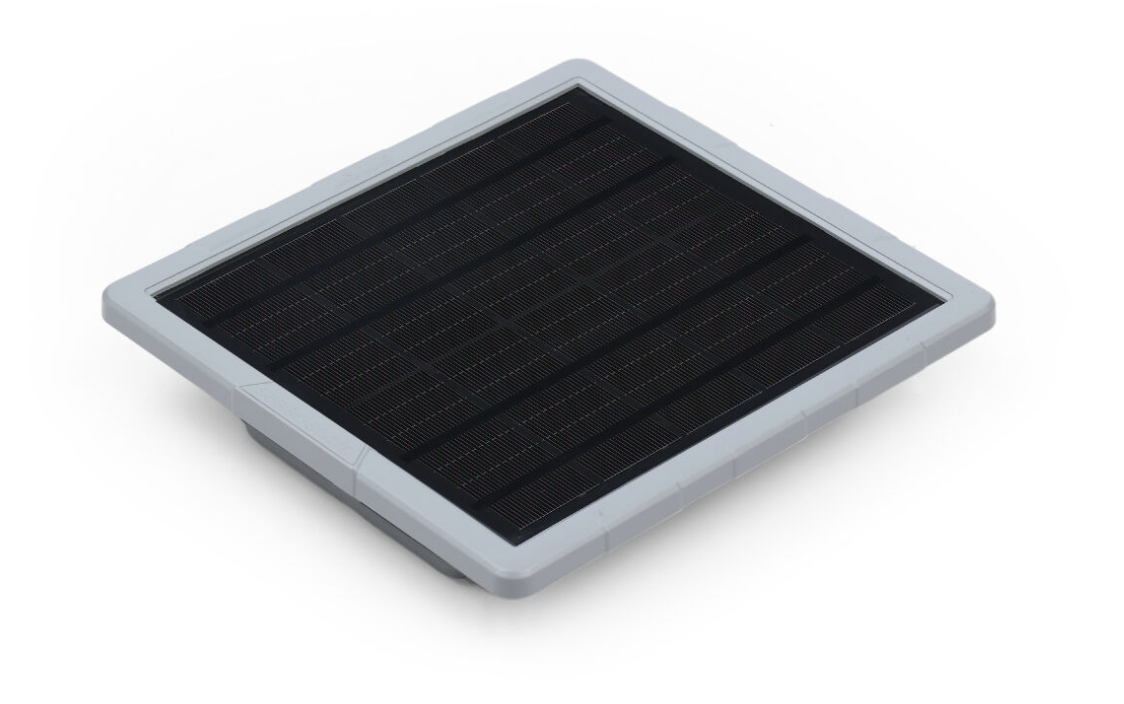 | Rubber duck /Fiberglass antenna | Rooftop relay, fixed outdoor node, long-term deployment | Matches the Solar Node’s always-on design with better outdoor coverage |
1. XIAO Meshtastic Kit: Compact Builds and Prototyping
Recommended antenna: FPC antenna / Rubber duck antenna
For the XIAO Meshtastic Kit, an FPC antenna is a practical choice for development, DIY builds, compact enclosures, and quick testing.
Its main benefits are:
- Compact and lightweight
Easy to fit inside a 3D-printed case or other small enclosure. - Easy to integrate
Can be fixed inside the enclosure without taking up much space. - More protected during use
Reduces the risk of the antenna being bent, snagged, or broken while carrying or testing the device.
An FPC antenna is not intended for maximum long-range performance. It is better suited for short- to medium-range communication, especially when the node needs to stay lightweight, low-profile, and easy to deploy.
For users who need better range, switching to a small compact external antenna may improve transmission performance in some setups.
Here are a few examples from makers and community creators:
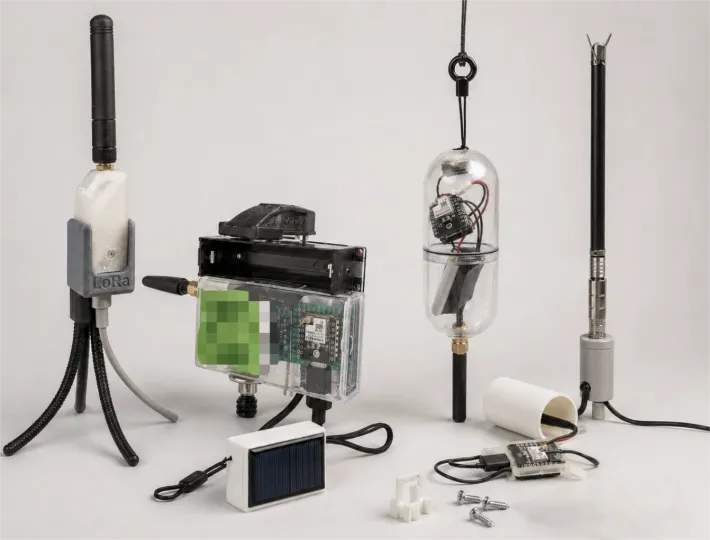
Enclosure and custom modifications by open-source community developers.
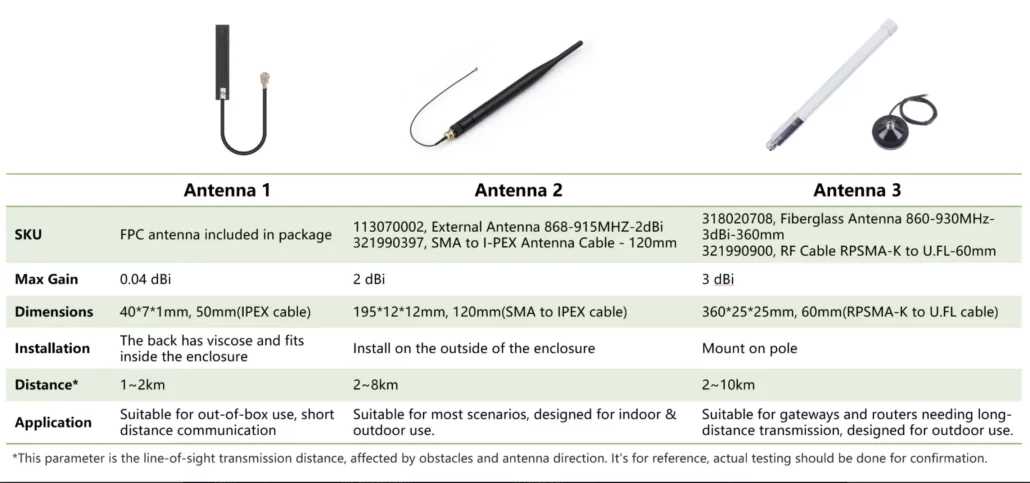
We also offer several antenna options for makers to use in their own builds and custom modifications. The table below compares the key specifications of each antenna type.
2. T1000-E: Best for Everyday Carry and Mobile Nodes
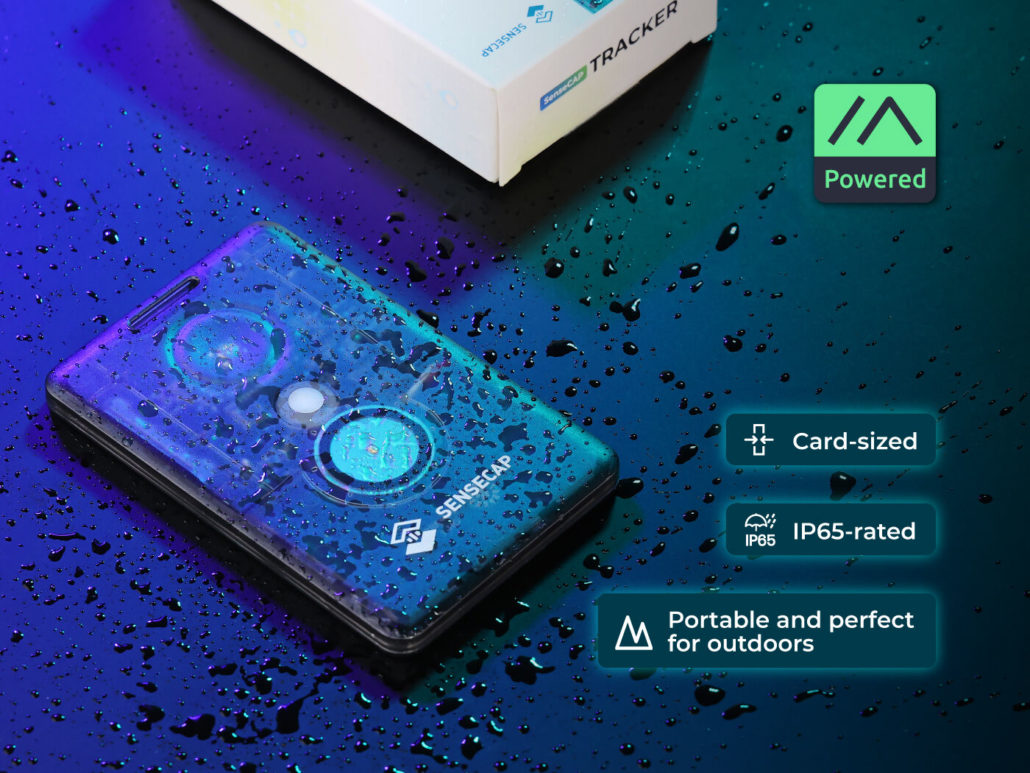
Recommended antenna: built-in FPC antenna
The T1000-E is more like a ready-to-use portable Meshtastic node. Its core value is portability, durability, and everyday carry, rather than chasing the highest antenna gain or the longest possible distance.
For this type of device, the antenna should stay compact and unobtrusive. A built-in or compact antenna is a better fit for:
- Everyday carry
- Hiking
- Location sharing
- Mobile communication
The real-world communication performance of the T1000-E also depends on the surrounding mesh network. Instead of attaching a long high-gain antenna to a handheld device, it often makes more sense to:
- Keep the device portable
- Use well-placed router or relay nodes to improve overall mesh coverage
That said, the T1000-E has been specifically optimized around its onboard FPC antenna. Its antenna design has gone through multiple rounds of tuning and revision to better match the device structure and real-world usage scenarios. Under unobstructed line-of-sight conditions, this optimized design enables a communication range of over 5 km.
Wio Tracker L1 / L1 Pro: Best for Hiking, Vehicle Use, and Temporary Outdoor Deployment
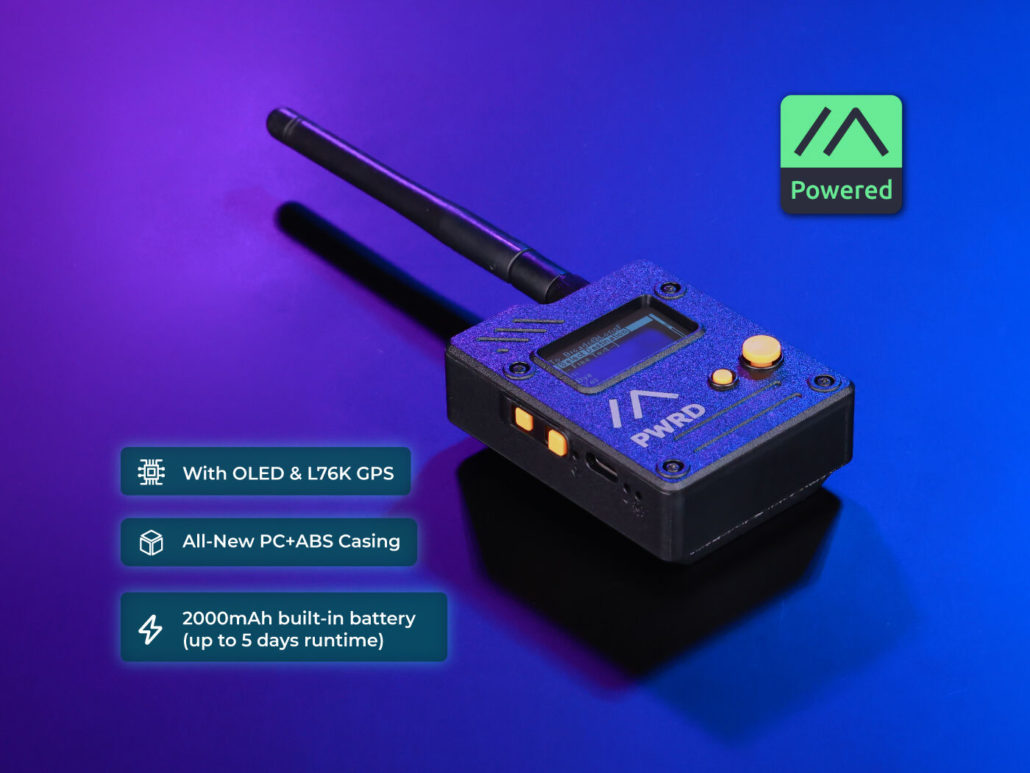
Recommended antenna: Rubber duck / magnetic base antenna
The Wio Tracker L1 / L1 Pro is more flexible in deployment. It can be used as a:
- Handheld node
- Backpack node
- Vehicle-mounted node
- Temporary outdoor node
Because of this, the best antenna choice depends on the actual use case.
For hiking, everyday carry, or backpack use, a rubber duck antenna is usually the better fit because it is relatively compact, more durable, and less likely to break, making it suitable for mobile and portable scenarios.
This antenna covers the 800–960 MHz frequency range and is designed for general-purpose LoRa communication. Its key specifications include:
- 50 Ω input impedance
- VSWR < 3.1
- Gain ≥ 1.3 dBi
- Efficiency ≥ 28%
- Antenna length around 110 mm
- Operating temperature: -50°C to +80°C
These specifications show that it is designed more for portability and general coverage, rather than extreme long-distance performance.
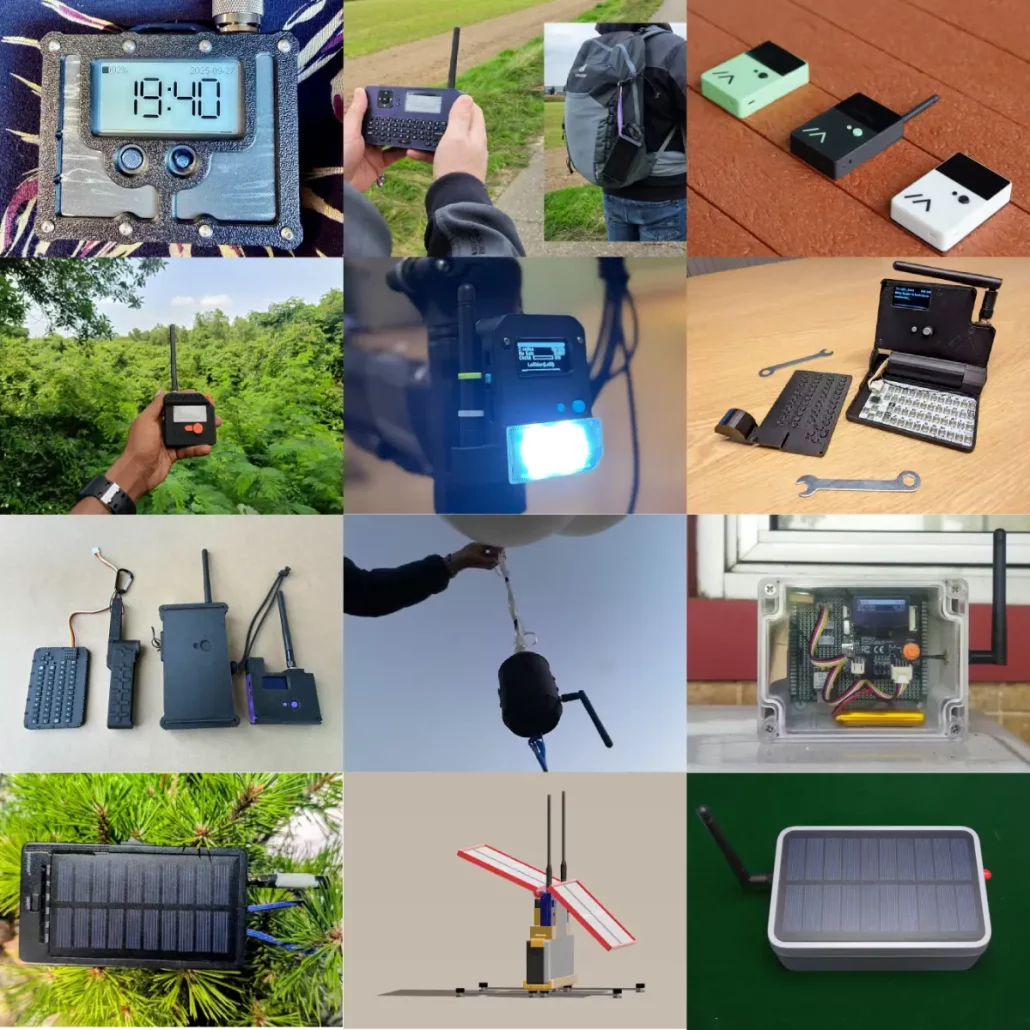
Enclosure and custom modifications by open-source community developers.
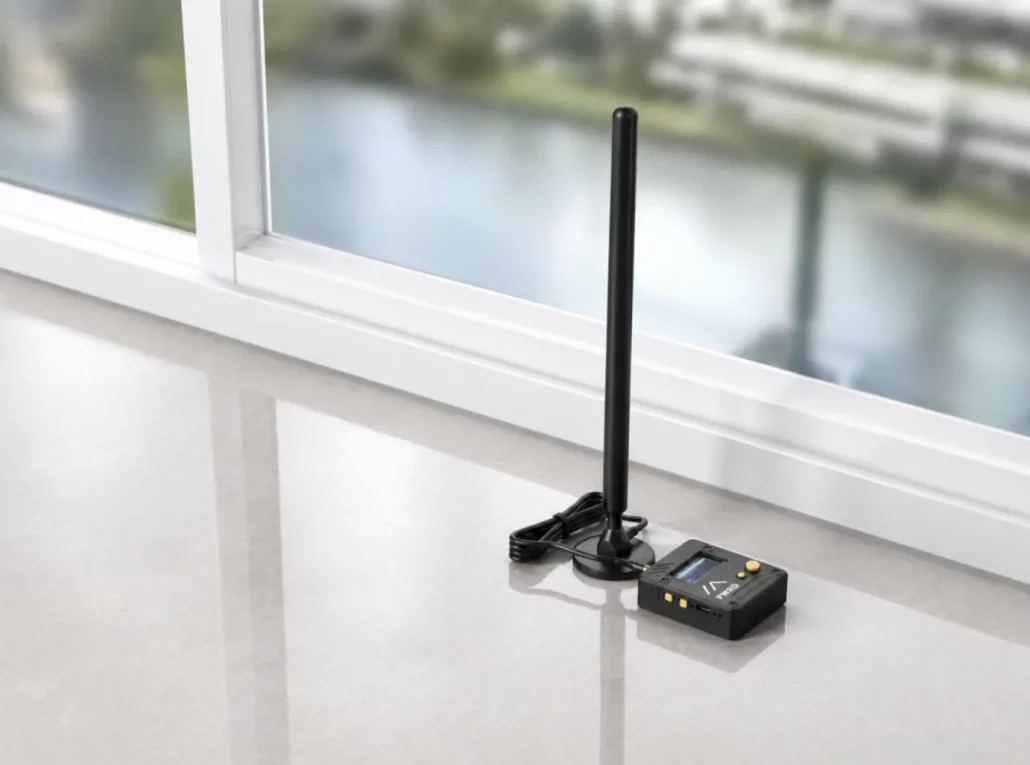
For vehicle, window-side, or temporary outdoor deployments, a Magnetic base antenna(3–5dBi) is often a better choice than using the small antenna attached directly to the device.
Its advantages mainly come from three areas:
| Advantage | Description |
|---|---|
| Magnetic roof mounting | The magnetic base can attach directly to a car roof, metal surface, or temporary mounting point, making deployment quick and convenient. |
| Using the car roof as a ground plane | The metal roof of a vehicle can act as a ground plane, helping improve the antenna’s radiation performance. |
| Better placement with a 1.5m cable | The 1.5m cable allows the antenna to be moved from inside the vehicle to the roof, outside a window, or to a more open location, improving height and line of sight. |
For LoRa / Meshtastic, antenna placement often matters more than the antenna gain number itself. Even if a Magnetic Base Antenna only provides 3–5dBi of gain, moving it outside the vehicle or onto the roof with a 1.5m cable can deliver a much better height and line-of-sight advantage than relying on the small antenna directly attached to the L1 Pro.
4. SenseCAP Solar Node P1 Pro: Best for Fixed Outdoor Relays and Long-Term Deployment
Recommended antenna: Fiberglass antenna
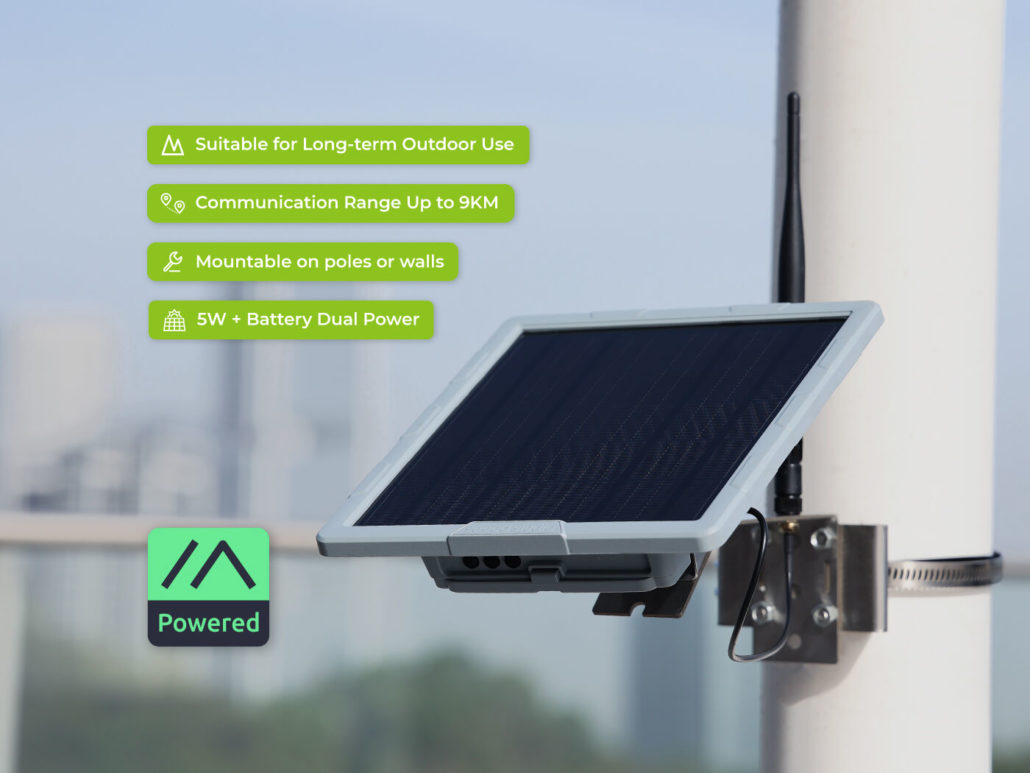
The SenseCAP Solar Node is a solar-powered node designed for long-term outdoor deployment. It solves the question of how to keep a node online for extended periods, while the antenna determines whether that node can reliably cover a wider area.
For more details, please refer to our separate guide on how to choose fiberglass antennas with different gain levels for different deployment scenarios.how-to-pick-fiberglass-antenna-for-meshtastic-solar-node
For the Solar Node, a fiberglass antenna is usually the better match. It is more suitable for fixed outdoor installations such as:
- Rooftops
- Balconies
- Pole mounting
- Hilltops
- Other elevated outdoor locations
It is also better suited for long-term exposure to outdoor environments.
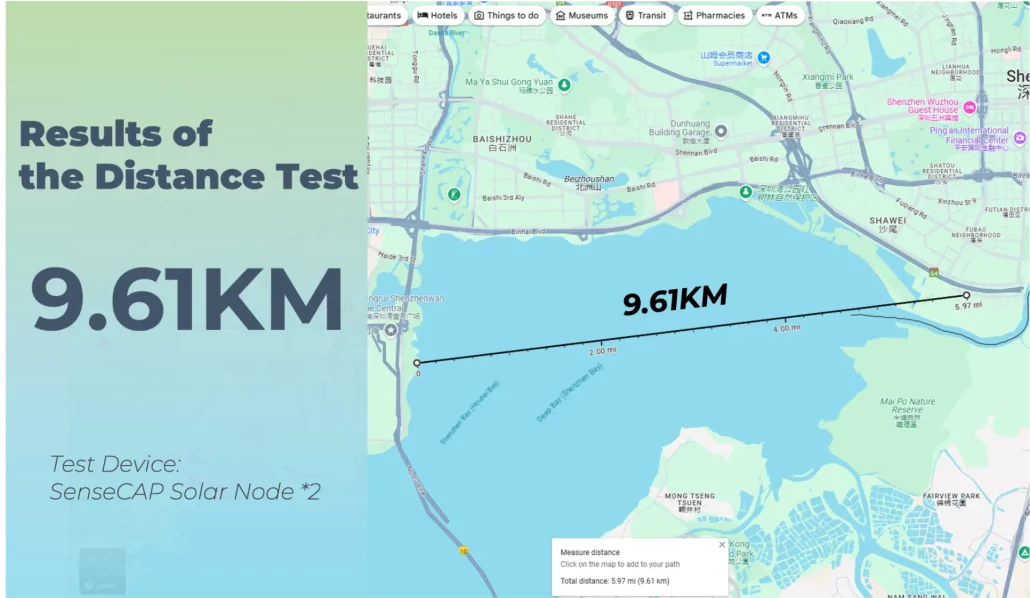
After replacing the original rubber duck antenna, the P1 Pro can achieve a best-case transmission distance of over 10 km under unobstructed line-of-sight conditions.
The image below shows the tested distance using the original rubber duck antenna included in the kit.
Conclusion
Different Seeed Meshtastic devices are suited to different antenna types.
- XIAO Meshtastic Kit works well with an FPC or compact antenna, where lightweight design and easy integration matter most.
- T1000-E is best paired with its built-in or compact antenna, prioritizing portability and everyday use.
- Wio Tracker L1 / L1 Pro can use either a rubber duck antenna or a magnetic base antenna depending on the scenario, making it suitable for hiking, vehicle use, and temporary deployments.
- SenseCAP Solar Node is better matched with a fiberglass antenna for fixed outdoor relay nodes and long-term coverage.
Antenna gain matters, but it is not the only factor. Real Meshtastic performance depends on the combined result of antenna choice, mounting height, line of sight, cable loss, and the actual deployment environment.
About Author
