LoRa Modules: How to Choose the Right One for Your IoT Project
The rapid expansion of the Internet of Things (IoT) has created increasing demand for wireless communication solutions that can operate reliably across large areas while maintaining extremely low power consumption. LoRa technology has become one of the most widely adopted solutions for these requirements.
By combining long range communication capability with ultra low power operation, LoRa enables IoT devices to transmit small amounts of data over kilometers while maintaining years of battery life. However, selecting the right LoRa Module is not simply a matter of comparing transmission power, sensitivity, or frequency bands.
This article provides a comprehensive overview of Seeed Studio’s Wio LoRa module ecosystem, introducing the key features, specifications, ideal applications, and selection guidance for each popular module.
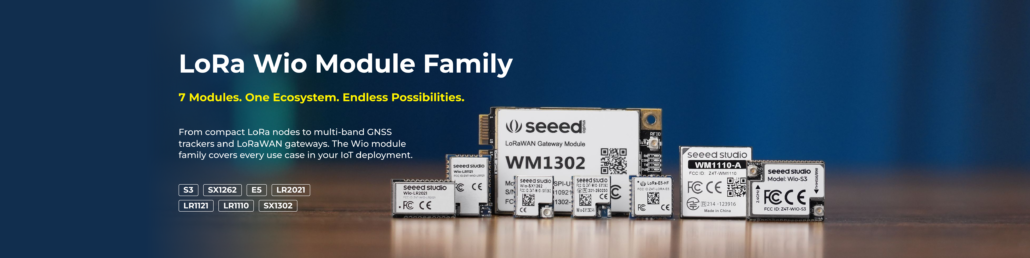
Wio LoRa Module ecosystem covers these different requirements through a range of solutions based on Semtech LoRa technology. The lineup includes terminal node modules such as SX1262, Wio-E5, Wio-S3, LR1121, and LR2021, positioning solutions based on LR1110, and gateway solutions powered by SX1302. Each module addresses a different engineering challenge, from simplifying product development to enabling advanced IoT deployments.
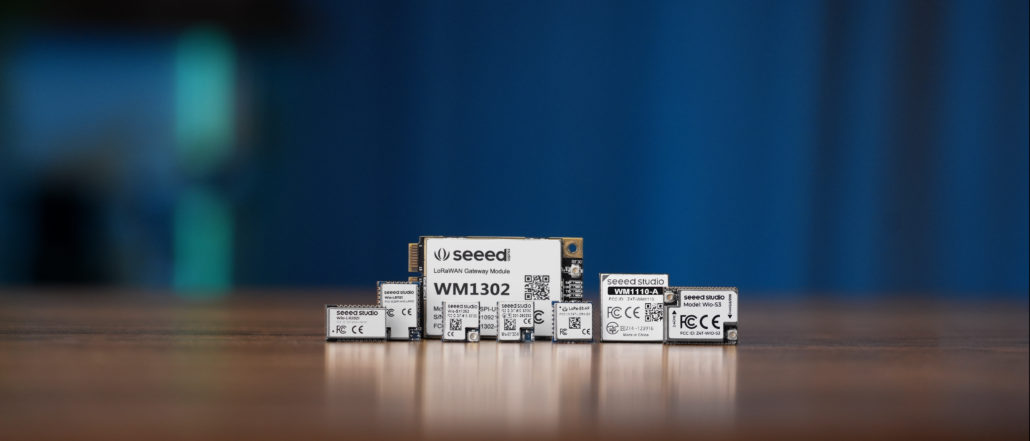
LoRa Module Types at a Glance
A clear understanding of LoRa module types is essential, as selection should be driven by each device’s functional role within the network rather than standalone technical specifications. Accordingly, LoRa modules are primarily categorized into terminal nodes, positioning tracking nodes, and gateway nodes, each optimized to fulfill distinct responsibilities that collectively enable scalable and efficient IoT ecosystems.
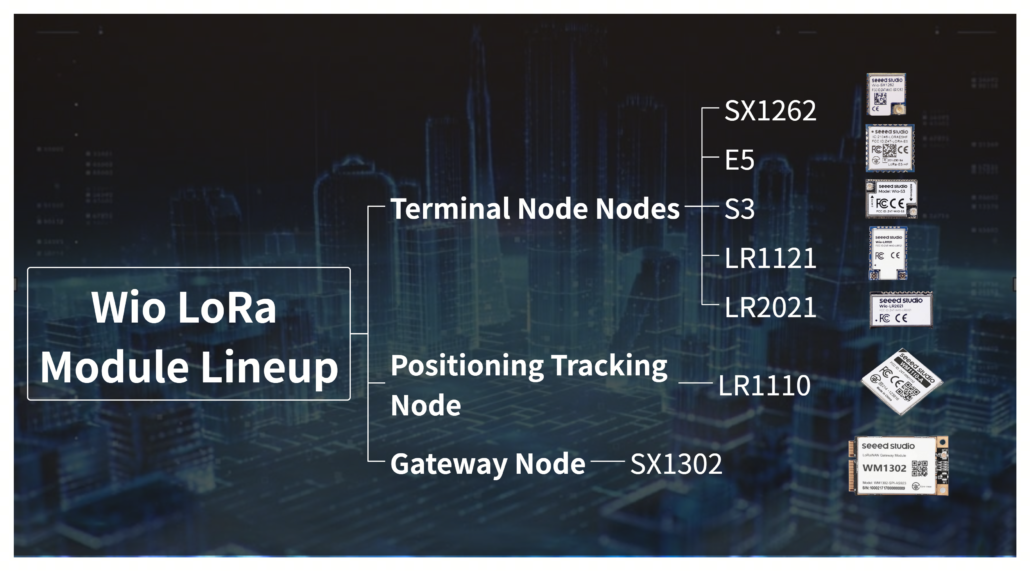
Terminal Node Modules
Terminal nodes form the foundational layer of a LoRa network. They are classified as such because they act as the smallest, end-point units responsible for collecting sensor data, performing basic processing, and transmitting packets wirelessly.
Positioning Tracking Modules
Positioning tracking nodes combine communication with location intelligence. By integrating LoRa communication with positioning capabilities (such as GNSS and Wi-Fi scanning), these modules enable efficient data transmission alongside location awareness, making them well-suited for logistics tracking, asset management, smart agriculture, and wildlife monitoring.
Gateway Node Modules
Gateway nodes serve as the network infrastructure backbone. They are designed for high-concurrency, continuous operation to aggregate and forward traffic from hundreds or thousands of terminal and tracking nodes to central servers.
Building on these foundations, the following section formally introduces the Wio module series.
Wio-SX1262 LoRa Module
Overview
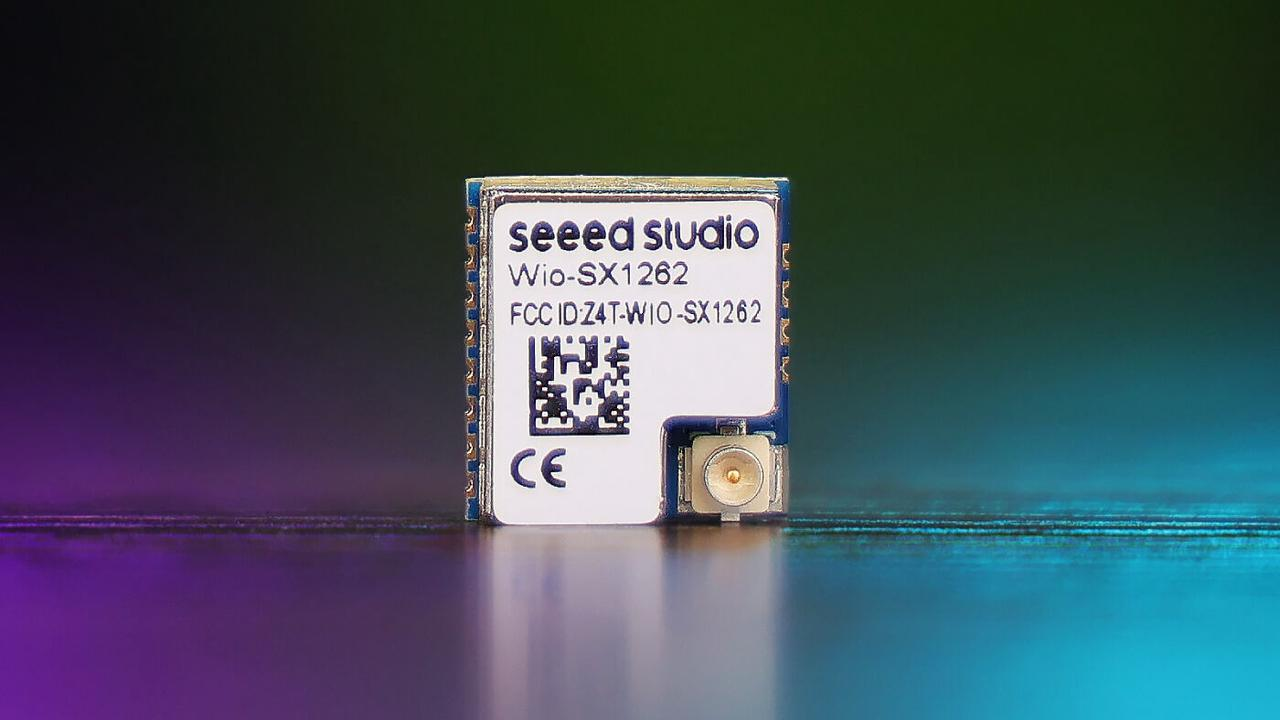
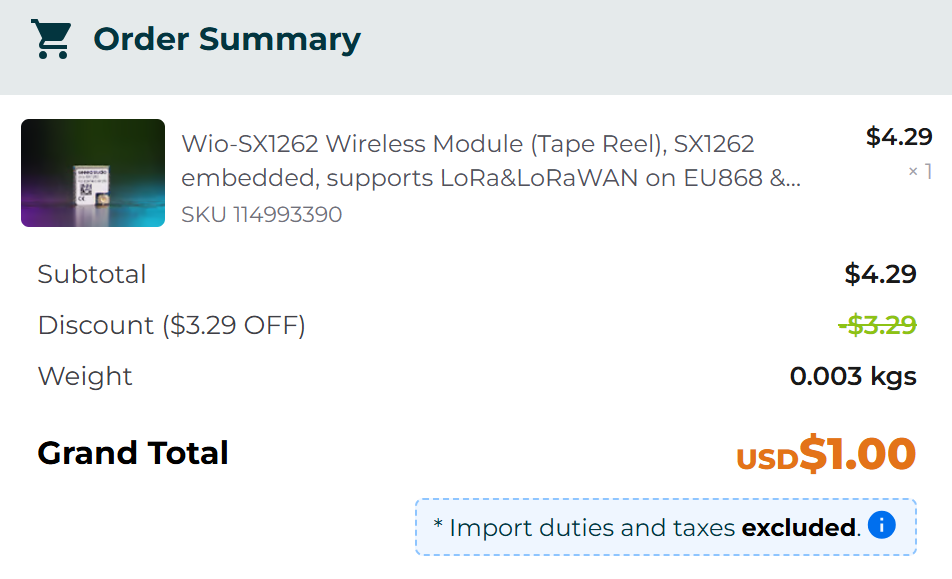
Wio SX1262 LoRa Module($4.29) is designed for developers who need a flexible and reliable wireless communication solution based on the Semtech SX1262 transceiver. Wio SX1262 is optimized for long range, low power IoT applications where developers require direct control over firmware, communication protocols, and hardware design. It is widely adopted in custom LoRaWAN devices, industrial sensors, and open source mesh communication projects.
Chip: Semtech SX1262
Type: Terminal Node Modules
Range: From few hundred meters to 15+ kilometers depending on your environment, transmission settings, and antenna.
Common Protocol Type:
- LoRaWAN
- Meshtastic and LoRa Mesh Networks
Frequency Bands:
- EU868: 863 to 870 MHz
- US915: 902 to 928 MHz
- AU915: 915 to 928 MHz
- AS923: 920 to 925 MHz
Key Features
- High Performance LoRa Communication
Wio SX1262 provides excellent RF performance with up to +22 dBm transmit power and approximately −148 dBm sensitivity. The combination of high output power and strong receiver sensitivity enables reliable long distance communication in challenging environments.
- Mature Ecosystem for Open Source Applications
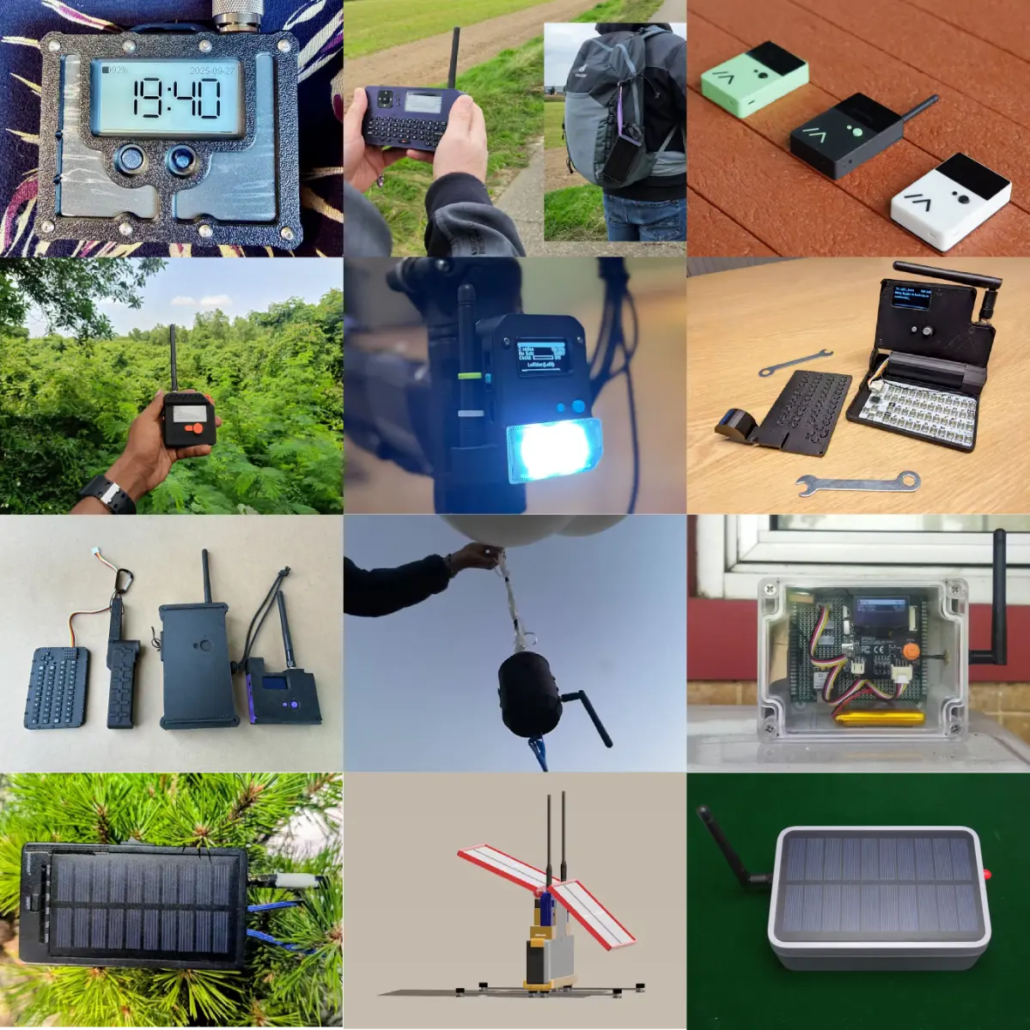
SX1262 has become one of the most widely supported LoRa chipsets in the developer community. Its compatibility with projects such as Meshtastic makes it a popular choice for:
- Off grid communication devices
- Outdoor tracking systems
- Emergency communication networks
When to Choose
- Long Range Low Power Nodes: Battery-powered IoT sensors requiring maximum transmission distance with minimal energy consumption.
- Remote Environmental Monitoring: Applications in rural or hard-to-reach areas such as forests, farms, or pipelines.
- Smart Metering & Utilities: Long-life utility meters and industrial sensors where replacing batteries is difficult.
- Meshtastic Projects: Off grid communication devices develop and outdoor tracking systems.
[Special Deal]
If you’re looking to build your own IoT or Meshtastic projects, now is the perfect time to get started. For a limited time (offer ends August 20, 2026), you can use promo code SX1262329 to get one SX1262 LoRa module for just $1.
Wio-E5 LoRa Module
Overview
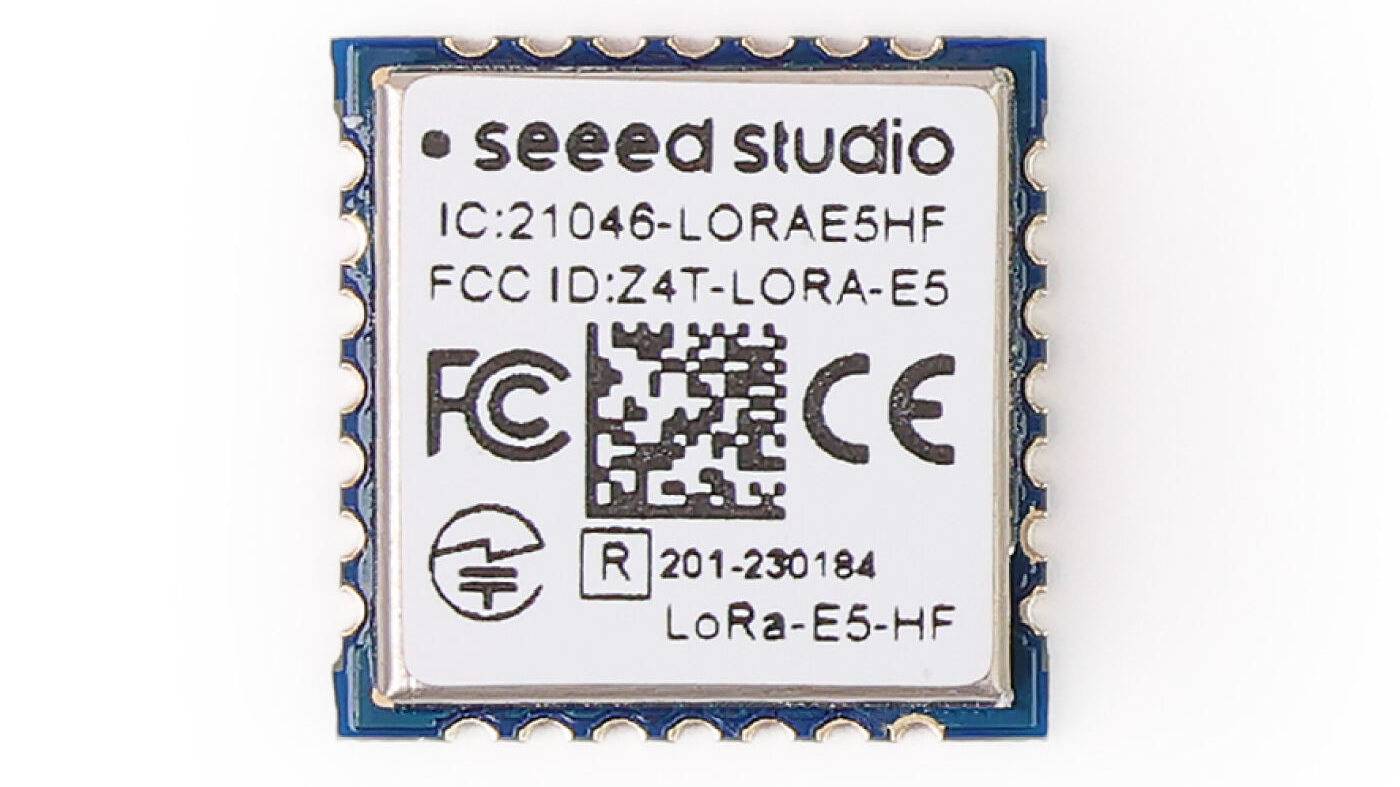
Wio E5 LoRa Module is designed for developers who want to integrate LoRaWAN connectivity with minimal hardware and firmware complexity. Based on the Semtech SX126x radio architecture and STM32WLE5JC SoC, Wio E5 combines an Arm Cortex M4 MCU and LoRa transceiver into a single compact module.
With built in AT command firmware, Wio E5 allows developers to control LoRaWAN communication through simple serial commands, significantly accelerating product development.
Chip: STM32WLE5JC (Integrated MCU + SX126x LoRa Radio)
Type: Terminal Node Modules
Range: Long-distance transmission range to 10km (ideal value in open area)
Common Protocol Type:
- LoRaWAN
Frequency Bands:
- EU868: 863 to 870 MHz
- US915: 902 to 928 MHz
- AU915: 915 to 928 MHz
- AS923: 920 to 925 MHz
Key Features
- Integrated MCU and LoRa Radio
The Wio E5 combines processing capability and LoRa wireless communication into a single module. Unlike traditional designs that need an external MCU and LoRa transceiver, this integration reduces PCB complexity, component count, and development workload.
- Built-In AT Command Firmware
The E5 features built-in AT command firmware, allowing developers to easily configure LoRaWAN functions without implementing the full communication stack.
- Ultra Low Power Operation
The Wio E5 supports ultra-low power operation with sleep current as low as 2.1 μA, making it ideal for long-term battery-powered IoT deployments.
When to Choose
- Compact Industrial Sensors: Space-constrained devices combining MCU and LoRa in one module.
- Smart Metering: Utility applications benefiting from simple AT command configuration.
- Low-Cost Environmental Nodes: Affordable sensors for large-scale deployment.
Wio-S3 LoRa Module
Overview
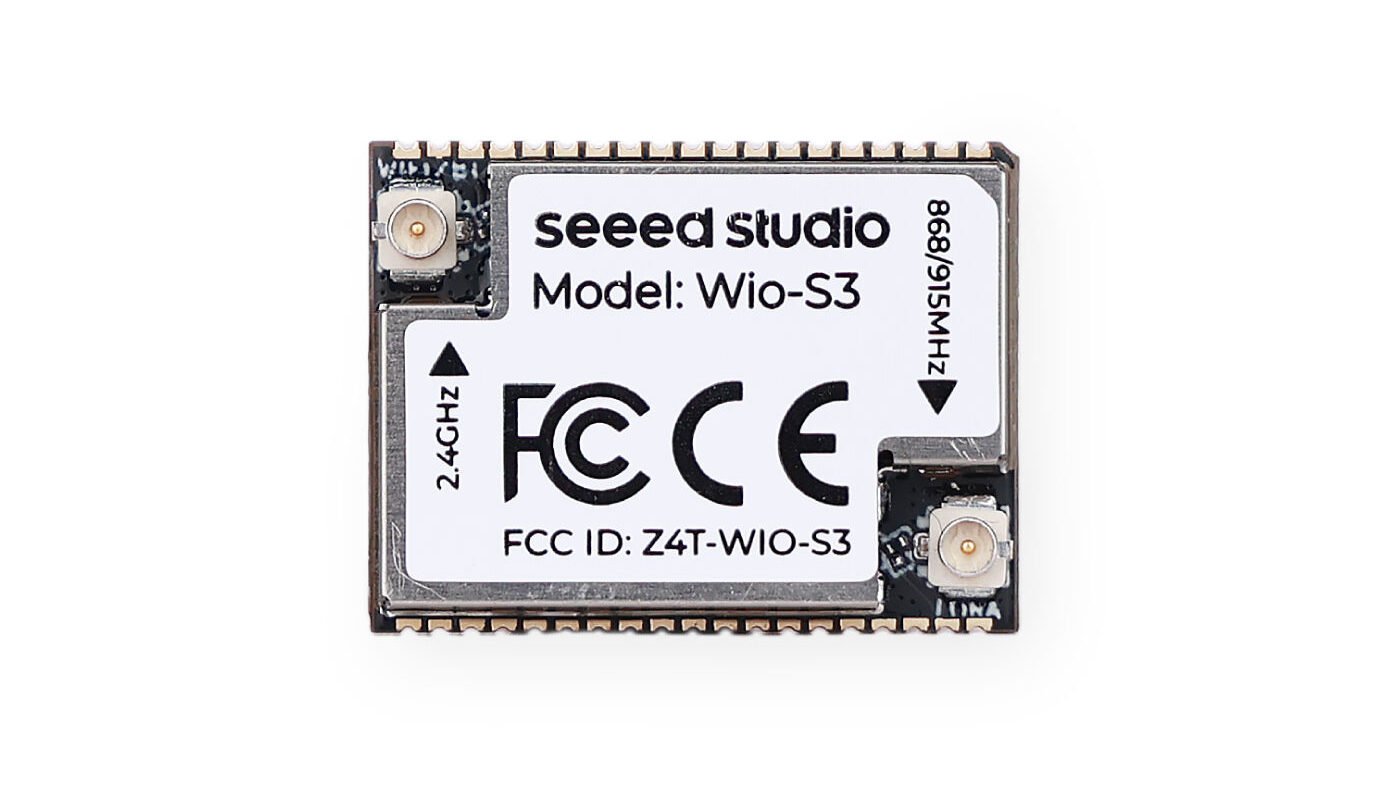
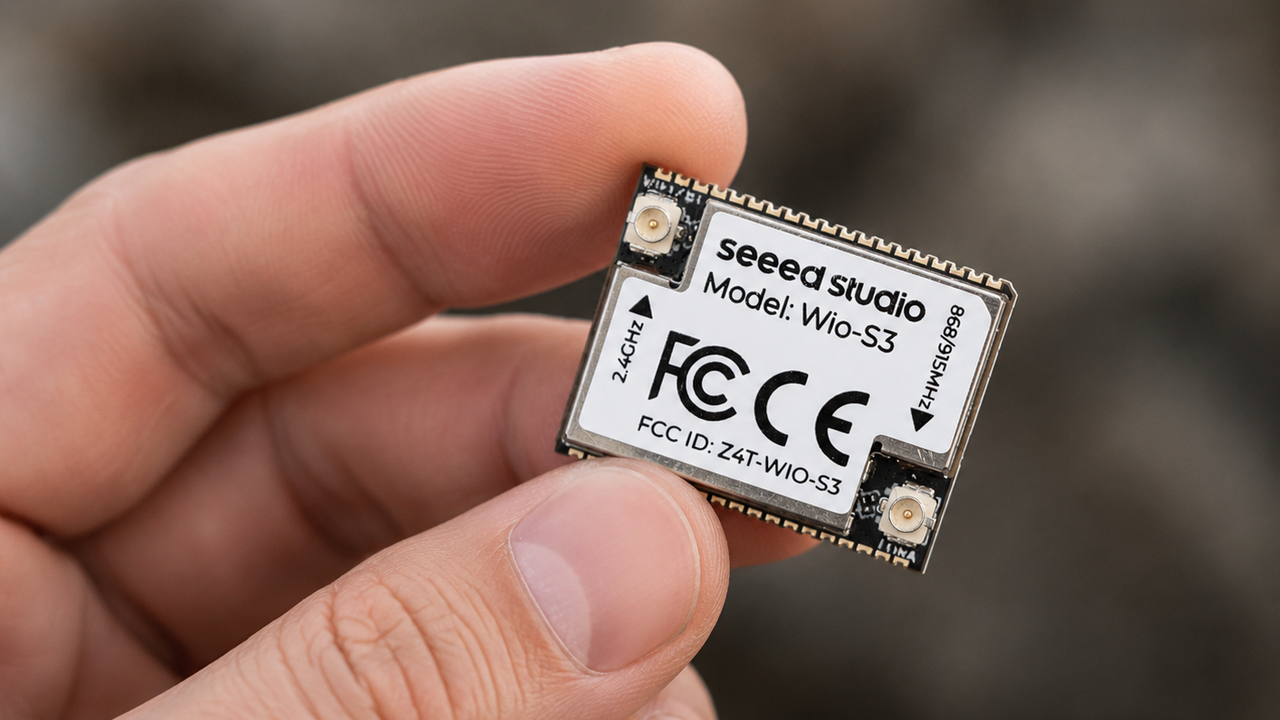
Wio S3 LoRa Module is designed for intelligent IoT applications that require both long range communication and local computing capability. Unlike traditional LoRa Modules focused mainly on wireless transmission, Wio S3 integrates the Semtech SX1262 LoRa transceiver with a powerful ESP32 S3 processor, WiFi, and Bluetooth connectivity.
Chip: Semtech SX1262 + ESP32 S3
Type: Terminal Node Modules
Range:
LoRa range: 2.5 to 5+ kilometers when using a standard 2dBi external antenna.
2.4GHz Wi-Fi (IEEE 802.11 b/g/n): ~50 to 100 meters (160 – 330 ft) depending on obstructions and router strength.
Bluetooth 5.0 LE (BLE): ~10 to 40 meters (30 – 130 ft) for standard data transfer and up to 100+ meters in ideal open-air conditions.
Common Protocol Type:
- LoRaWAN
- WiFi
- Bluetooth LE
Frequency Bands:
- LoRa / LoRaWAN: 862 MHz to 930 MHz, supporting global plans like EU868, US915, AU915, AS923, KR920, and IN865.
- Wi-Fi:2.4 GHz (IEEE 802.11 b/g/n).
- Bluetooth:Bluetooth 5.0 Low Energy.
Key Features
- Integrated Edge Computing Capability
Wio S3 provides significantly more processing power than traditional LoRa sensor modules, enabling developers to process and analyze data locally before transmission. With its edge computing capability, the module can reduce unnecessary data transmission and improve system responsiveness.
By integrating LoRa, WiFi, and Bluetooth connectivity, Wio S3 supports flexible communication architectures for different IoT scenarios. Bluetooth can be used for device configuration and local interaction, WiFi enables maintenance and high bandwidth operations, while LoRa provides long range communication for remote data transmission.
- Designed for Advanced IoT Products
Wio S3 ‘s combination of powerful processing, edge intelligence, and long range connectivity makes it suitable for advanced applications that require both wireless communication and local decision making.
When to Choose
- Wi-Fi + Bluetooth + LoRa Hybrid Projects: Devices needing both short-range (Wi-Fi/BLE) and long-range (LoRa) communication.
- Edge AI & Vision Applications: Smart cameras, voice recognition, or AI-powered sensors with rich peripherals.
- Rapid Prototyping with Display: Projects using touchscreen, sensors, and wireless connectivity together.
- Maker & IoT Education: Versatile development boards for students, makers, and complex IoT prototypes.
Wio-LR1110 LoRa Module
Overview
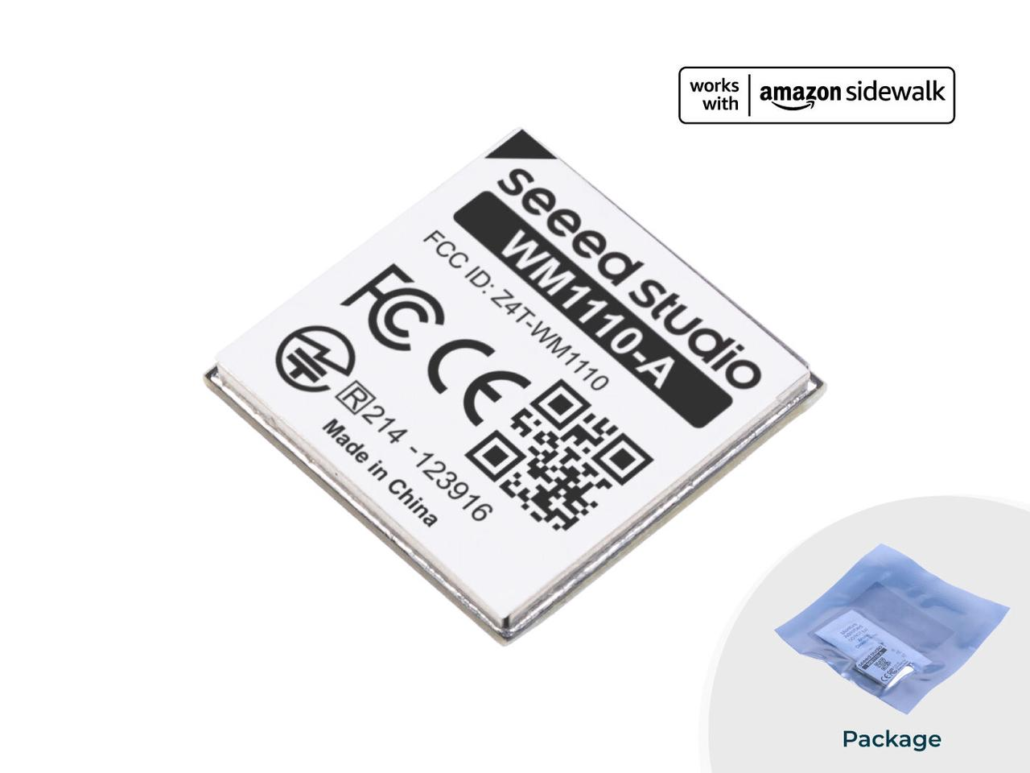
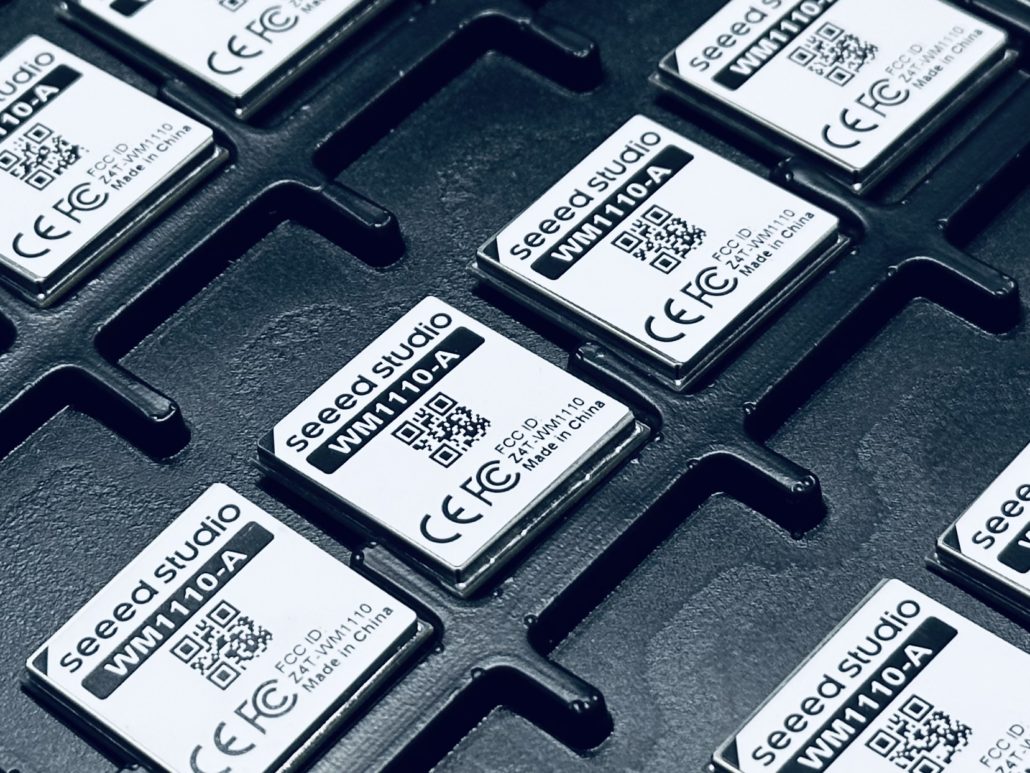
Wio LR1110 LoRa Module is designed for IoT applications that require both long range communication and location intelligence. Based on Semtech’s LoRa Edge technology, the LR1110 combines a LoRa transceiver, multi constellation GNSS scanner, and passive WiFi scanner into a single chip.
Chip: Semtech LR1110
Type: Location Tracking Module
Range: Ideally 2 km to 15 km in open environment, indoor or dense urban ranges typically drop to 1 km to 5 km.
Common Protocol Type:
- LoRaWAN
- LoRa Edge
- GNSS Assisted Positioning
- WiFi Passive Scanning
Frequency Bands:
- Regional Sub GHz LoRaWAN bands
- GNSS bands
- 2.4 GHz WiFi scanning
Key Features
- Integrated LoRa Communication and Positioning
Wio LR1110 integrates LoRa communication and positioning functions into a single module. Traditional tracking devices require a separate LoRa radio, external GPS module, and additional power management, resulting in larger PCB size and higher power consumption.
- Ultra Low Power Location Tracking
Wio LR1110 achieves ultra-low power location tracking through cloud-assisted positioning. Instead of performing heavy calculations locally, it collects GNSS pseudorange or nearby WiFi data and sends it via LoRaWAN for cloud processing.
- Optimized for Asset Management Applications
Wio LR1110 is ideal for asset management applications where location data delivers direct business value. It supports key uses such as logistics tracking, smart agriculture equipment, wildlife monitoring, and industrial asset management.
When to Choose
- Battery-Powered Tracking: Logistics trackers requiring integrated positioning with minimal power use.
- Wildlife Monitoring: Long-life collars for animal tracking in remote environments.
- Smart Agriculture: Equipment needing accurate location data while maintaining extended battery operation.
Wio-LR1121 LoRa Module
Overview
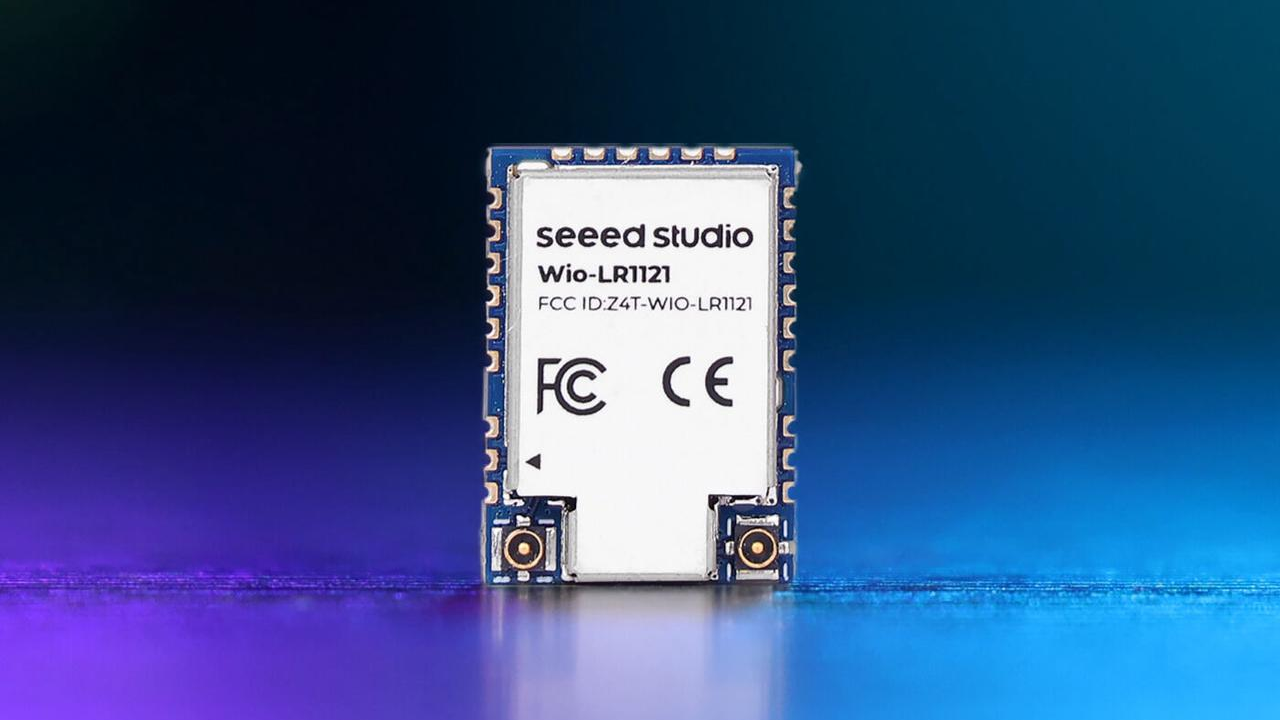
Wio LR1121 LoRa Module is designed for developers building globally deployable IoT products that require broader frequency coverage and future connectivity flexibility. LR1121 changes this approach by supporting multiple frequency ranges, including Sub GHz LoRa, 2.4 GHz LoRa, and S Band communication options.
This multi band architecture allows developers to create a single hardware platform that can adapt to different geographic regions, reducing hardware fragmentation and simplifying international product deployment.
Chip: Semtech LR1121
Type: Terminal Node Modules
Range: Up to 5 km (3 miles) in urban environments and 16+ km (10+ miles) in rural areas
Common Protocol Type:
- LoRaWAN
- LR FHSS
- LoRa 2.4 GHz
- Satellite IoT Communication
Frequency Bands:
- Sub GHz
- 2.4 GHz ISM
- S Band
Key Features
- Global Multi Band Support
Wio LR1121 reduces regional hardware differences by supporting multiple frequency bands in one module. Unlike traditional IoT products that require separate versions for Europe, North America, and Asia Pacific, it simplifies design, lowers PCB redesign costs, and reduces inventory and maintenance complexity.
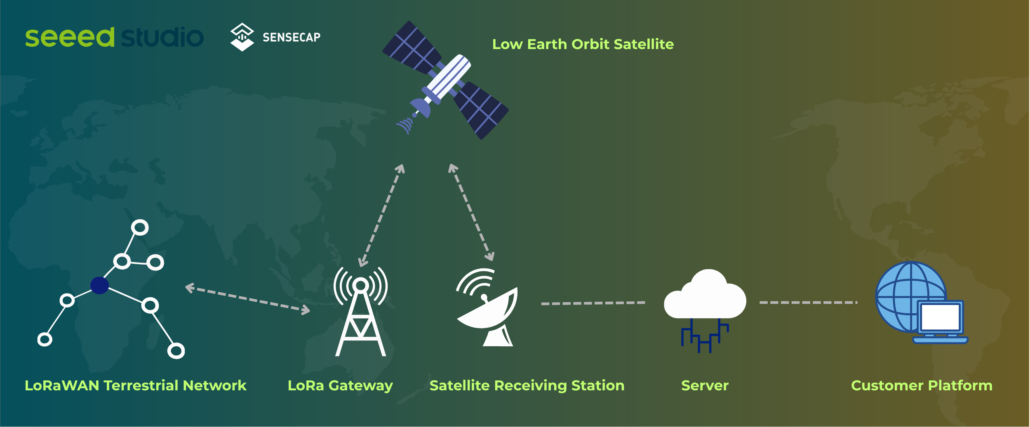
- LR FHSS for High Density Networks
LR1121 features Long Range Frequency Hopping Spread Spectrum (LR-FHSS) technology. Compared to standard LoRa, it provides stronger resistance to channel congestion, network interference, and signal collisions, making it ideal for high-density networks and future satellite IoT applications.
- Designed for Global IoT Deployment
Designed for worldwide use, Wio LR1121 suits products operating across regions or evolving connectivity needs. Key applications include global asset tracking, remote monitoring, satellite IoT devices, and international commercial solutions, offering superior long-term flexibility.
When to Choose
- Global Multi-Region Deployment: Ideal for devices operating across continents with different frequency regulations.
- Agricultural Monitoring: Sensors deployed in varied geographic markets without hardware redesign.
- Satellite IoT: Future-proof solutions combining long range with global coverage.
Wio-LR2021 LoRa Module
Overview
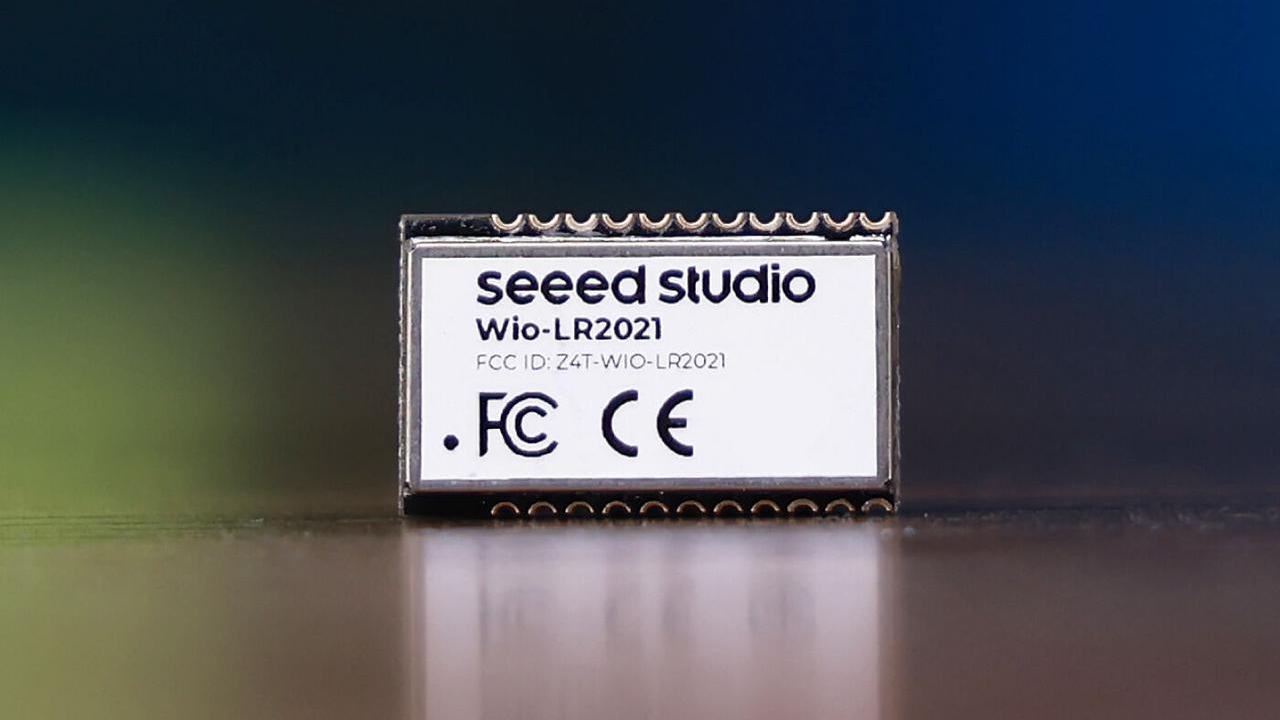
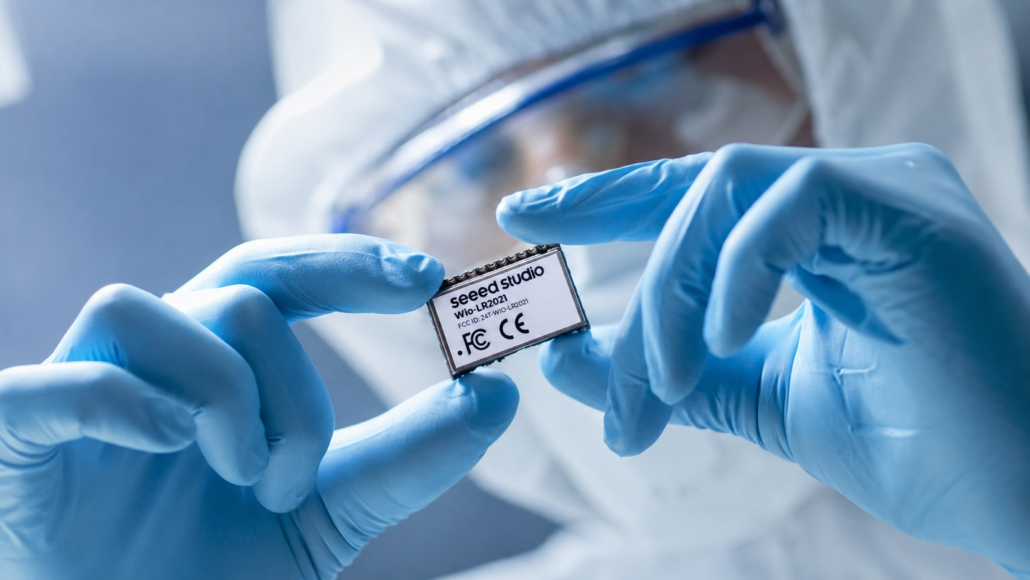
Wio LR2021 LoRa Module represents the next generation of LoRa connectivity, designed for developers who require higher data rates, multiple protocol support, and greater wireless flexibility.
Based on Semtech’s LoRa Plus platform, LR2021 additionally features expanded physical layer modulations for fast long-range communication (FLRC) and is compatible with various low-power wireless protocols including Amazon Sidewalk, W-MBUS, Wi-SUN FSK, and Z-Wave when integrated with third-party stack offerings. This enables applications that require more than simple sensor telemetry, including richer data exchange, firmware updates, and advanced IoT interactions.
Chip: Semtech LR2021
Type: Terminal Node Modules
Range:
Sub-GHz (LoRaWAN): Up to 3 miles (5 km) in dense urban environments and up to 30 miles (48 km)+ in ideal, unobstructed outdoor line-of-sight conditions.
2.4 GHz / Satellite: Shorter local transmission ranges for high-speed image transfers or line-of-sight, but features native support for S-band to communicate directly with Low Earth Orbit (LEO) satellites.
Common Protocol Type:
- LoRaWAN
- Amazon Sidewalk
- Wi-SUN
- Z-Wave
- W MBUS
- FLRC
Frequency Bands:
- Sub-GHz Bands (Low Band): 150 MHz to 960 MHz. It natively supports standard regional plans like 433 MHz, 470 MHz, 868 MHz, and 915 MHz.
- 2.4 GHz Band (High Band): 2400 MHz to 2500 MHz ISM band for global LoRa and direct-to-device deployments.
- L-band & S-band (SATCOM/NTN): 1500 MHz to 2200 MHz (and up to 2.5 GHz for customized ranges).
Key Features
- Multi Protocol Wireless Platform
Wio LR2021 offers protocol flexibility as a multi-protocol wireless platform. It allows developers to adapt connectivity through software instead of creating multiple hardware versions, solving the challenge of supporting different protocols across geographic markets, industries, and customer infrastructures.
- High Speed FLRC Communication
LR2021 introduces high-speed FLRC communication with data rates up to 2.6 Mbps. While traditional LoRa excels at low-power small packets, FLRC enables faster firmware updates, larger data transmission, and more responsive communication for advanced IoT applications.
- Optimized for Future IoT Products
Designed for future evolution, the Wio LR2021 helps developers avoid hardware limitations. It is ideal for smart locks, advanced trackers, industrial terminals, and connected consumer devices.
When to Choose
- Smart Access Control: Connected locks and security systems requiring protocol flexibility.
- Industrial OTA Updates: Terminals needing higher data rates for firmware updates.
- Advanced Monitoring: Environmental stations demanding both long range and higher throughput.
Wio-SX1302 LoRa Module
Overview
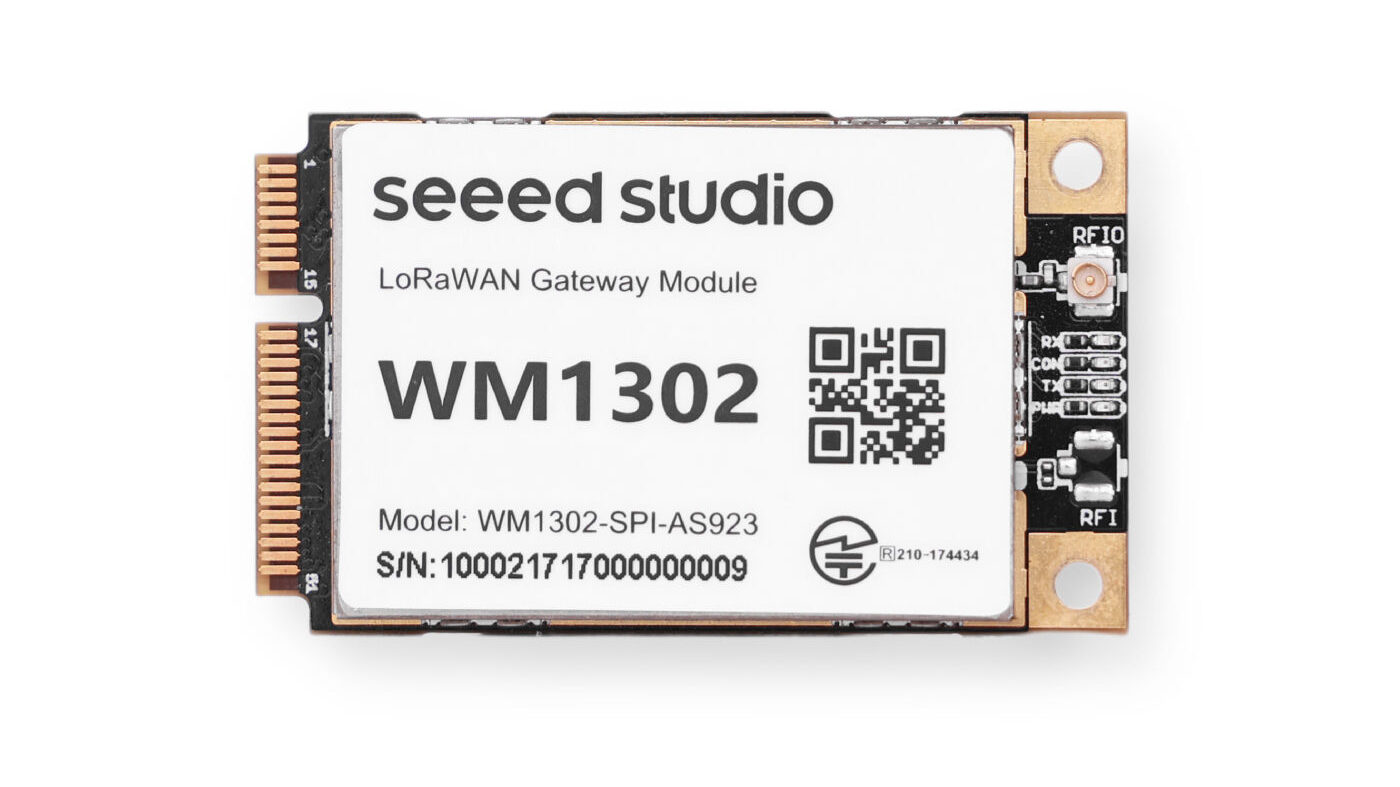
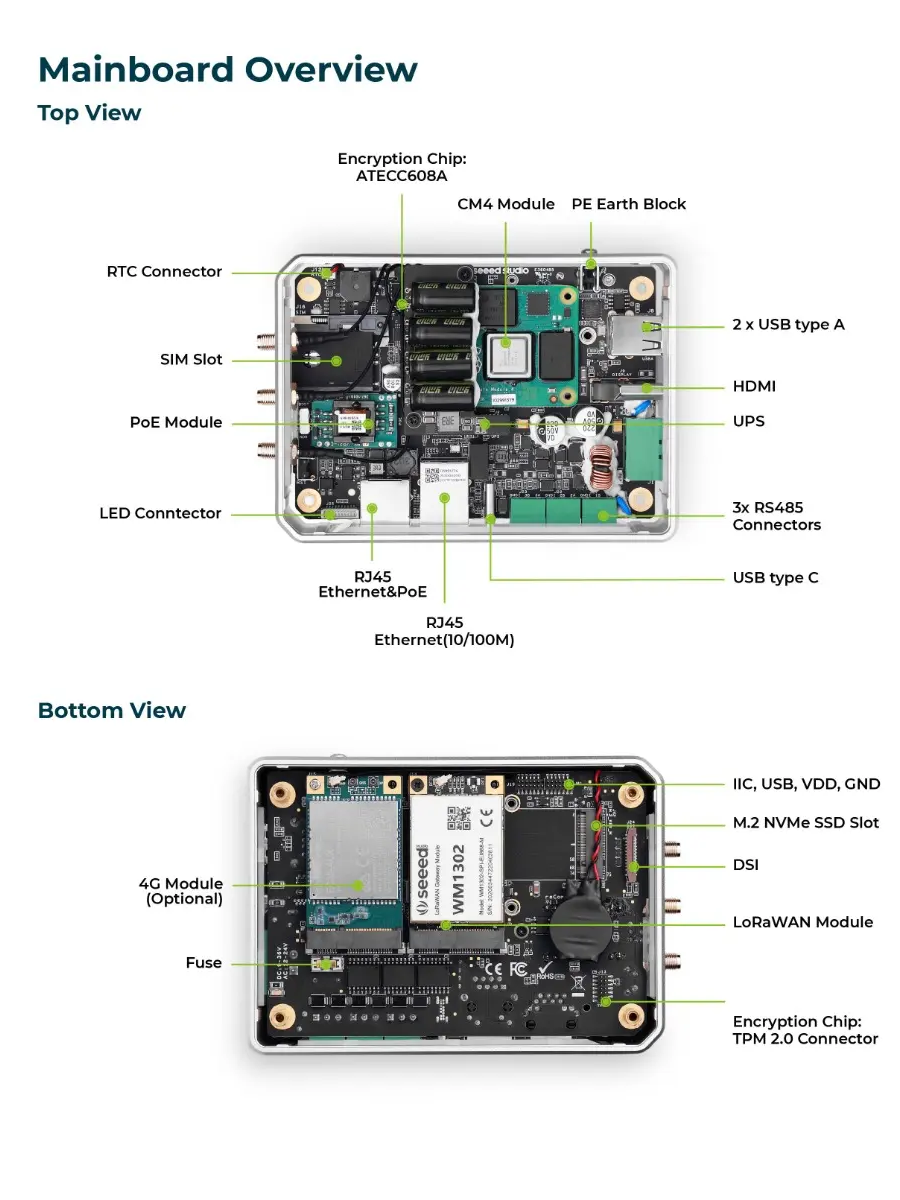
The Wio SX1302 LoRa Module is designed for developers building high capacity LoRaWAN infrastructure rather than individual end devices. Powered by the Semtech SX1302, this LoRa module serves as the core processing platform for LoRaWAN gateways, enabling them to collect and manage communication from hundreds or even thousands of distributed sensor nodes simultaneously.
Chip: Semtech SX1302
Type: LoRaWAN Gateway Module
Range: Up to 2 to 5 km in urban/built-up areas and 10 to 15 km in rural place.
Common Protocol Type:
- LoRaWAN Gateway
Frequency Bands:
- EU868: 863 to 870 MHz
- US915: 902 to 928 MHz
- AU915: 915 to 928 MHz
- AS923: 920 to 925 MHz
Key Features
- High Capacity Gateway Processing
SX1302 supports parallel reception across multiple channels and spreading factors. It can detect packets across eight spreading factors and perform concurrent demodulation, greatly improving network capacity over previous generations.
- Designed for Large Scale LoRaWAN Networks
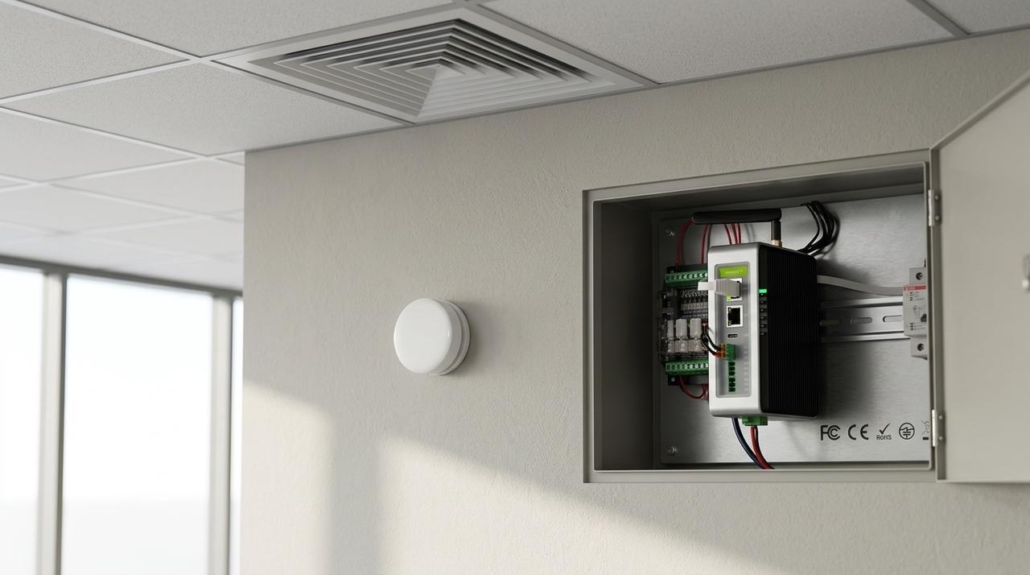
SX1302 enables a single gateway to aggregate data from numerous distributed devices. SX1302 can reduce infrastructure requirements while ensuring reliable communication in large-scale LoRaWAN networks.
- Low Power Gateway Architecture
SX1302 significantly reduces power consumption compared to previous generations. This makes it ideal for energy-efficient outdoor deployments, such as solar-powered or remote gateways, without sacrificing processing performance.
- Multi Channel and Multi Spreading Factor Support
SX1302 receives different LoRa signals simultaneously under varying parameters, which allows devices with different distances, data rates, and conditions to coexist efficiently within the same network.
When to Choose
- City-Scale Networks: LoRaWAN infrastructure supporting thousands of devices simultaneously.
- Industrial Campus Coverage: Factory or large facility deployments with high capacity needs.
- Rural Infrastructure: Sparse gateway projects covering wide geographic areas.
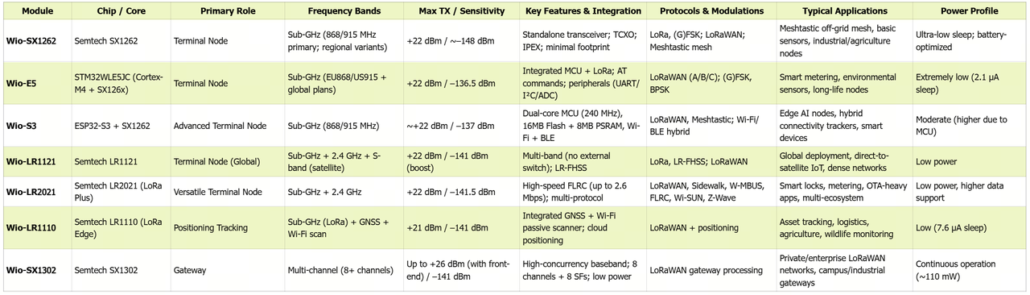
How to Choose the Right LoRa Module
Conclusion
Choosing the right LoRa Module is not simply a matter of comparing transmit power, sensitivity, or communication distance. The most important decision is identifying the role that the device plays within the IoT system.
With seven distinct modules covering every role from terminal sensing to high capacity infrastructure, the ecosystem provides unparalleled flexibility for developers. These modules are deployed in powerful scenarios, including smart city management, industrial automation, global logistics, and direct to satellite communication. The strategic integration of multi protocol support and multi band frequency coverage ensures that Wio modules can serve as a unified platform for global markets.
Looking forward, the continuous evolution of the Wio ecosystem, supported by the partnership between Seeed Studio and Semtech, promises to deliver even greater integration and performance. The potential for future development remains vast, ensuring that the Wio lineup will continue to lead the expansion of the global Internet of Things.
FAQs
1. What is the LoRa module?
A LoRa module is a wireless communication module that uses LoRa (Long Range) technology. It enables long-distance, low-power data transmission, making it ideal for IoT devices such as sensors, trackers, and monitors that need to send small amounts of data over long distances.
2. Is LoRa better than WiFi?
It depends on the use case:
- LoRa is better for long-range, low-power, battery-operated IoT projects (several kilometers range).
- WiFi is better for high-speed, short-range applications (tens of meters) with easy internet access. LoRa wins in most remote or large-scale IoT deployments where battery life and range matter more than speed.
3. Can I use LoRa without LoRaWAN?
Yes. You can use LoRa modules in point-to-point mode (direct communication between two modules) without LoRaWAN. This is simpler and commonly used in private IoT projects. LoRaWAN is only needed when you want a standardized, large-scale network with gateways and cloud connectivity.
4. What is the range of LoRa modules?
Typical real-world range in IoT applications:
- Urban / City areas: 2–5 km
- Rural / Open areas: 8–15 km
- Ideal conditions (line of sight): up to 20+ km Range depends on spreading factor, antenna, and environment.
5. Which LoRa module is best?
There is no single “best”, but here are top recommendations:
- Wio LR1121: Best for global / multi-band IoT projects
- Wio LR1110: Best for tracking with positioning
- Wio E5: Best overall balance for most IoT nodes
- SX1262: Best for ultra-low power simple nodes
6. How much do LoRa modules typically cost?
- Basic LoRa modules: $5–12
- Development kits: $20–99
7. Which long-range LoRa modules are recommended for IoT projects?
- Wio LR1121 → Best global long-range performance
- Wio E5 → Excellent range + easy development
- SX1262-based modules → Maximum range with lowest power
- Wio LR2021 → Long range + higher data rate when needed
8. Which LoRa module is best for beginners interested in IoT projects?
Wio E5 or Wio-E5 Development Kit is the most beginner-friendly. It offers:
- Simple AT commands
- Integrated MCU
- Good documentation and community support Perfect for students and first-time IoT makers.
As a long-term partner of Semtech, Seeed Studio offers a complete and mature Wio LoRa ecosystem that covers every need in IoT development — from ultra-low-power terminal nodes and edge-computing modules to GNSS positioning solutions and high-capacity gateways.
Whether you are building Meshtastic networks, smart metering systems, global asset trackers, industrial monitoring, or large-scale LoRaWAN infrastructure, the Wio series provides flexible, reliable, and developer-friendly hardware backed by strong documentation and community support.
Explore the full Wio LoRa Collection and find the perfect module to power your next IoT project.
>> Read More
About Author
